
AmirJournal

HomeCountriesJournalsGallery
Germany hero

Germany

Where Order Meets Culture - Europe's Industrial and Intellectual Heart

Germany flag
Germany at a Glance
titleDecore bar

Official Name

Federal Republic of Germany

Capital

Berlin

Population

84000000

Area

357588 km²

Government

Federal Parliamentary Republic

Divisions

16 Federal States (Länder)

Currency

Euro (€)

Languages

German

Germany is a federal parliamentary republic home to approximately 84 million people. It covers 357,588 km² in Central Europe and shares borders with nine countries. Its temperate climate, world-class infrastructure, and deep cultural heritage make it one of the most visited and studied nations on Earth. Daily life is built around law, planning, and predictability — values that shape everything from traffic rules to social relationships. The country's 16 federal states each maintain distinct regional identities, from the traditional Alpine culture of Bavaria to the cosmopolitan energy of Berlin.

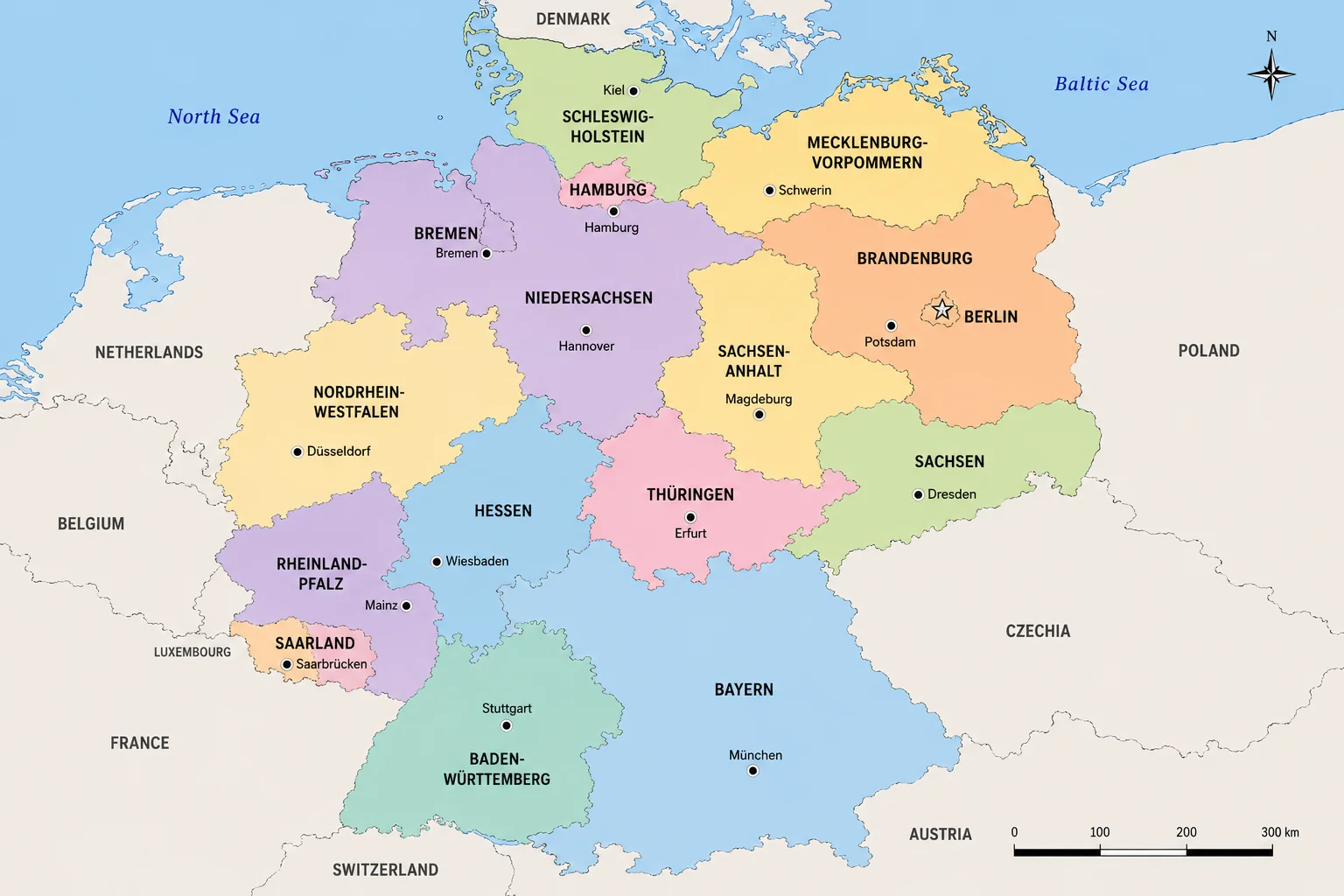
Germany operates as a federal parliamentary republic. The head of state is the President, while the Chancellor serves as head of government. The legislature is bicameral, consisting of the Bundestag (Federal Parliament) and the Bundesrat (Federal Council). The country is administratively divided into 16 federal states (Länder), each with significant autonomy.

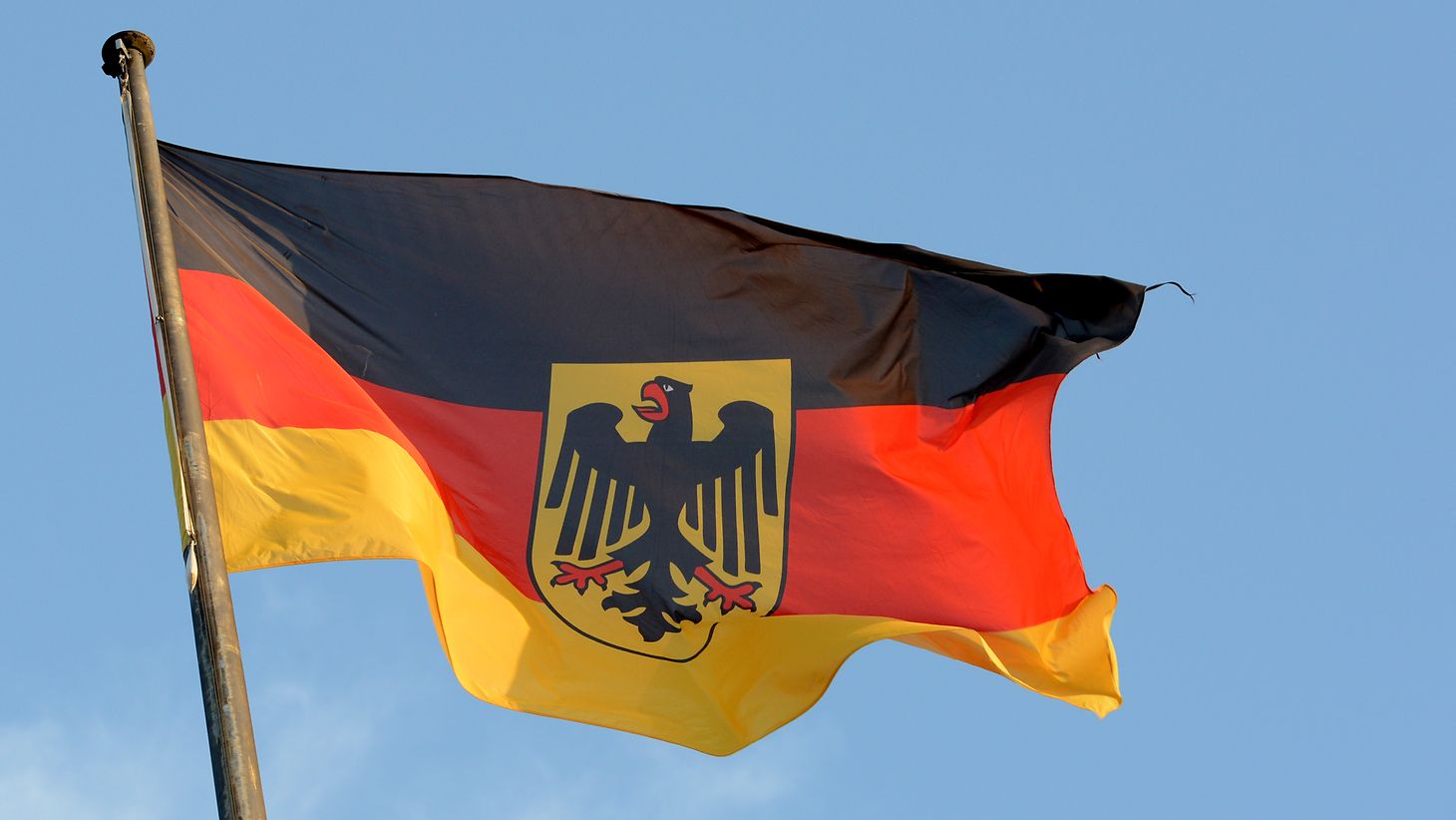
The flag of Germany consists of three horizontal bands: Black, Red, and Gold. These colors symbolize freedom, democracy, and national unity. Black represents the difficult and authoritarian past — a reminder of hardships overcome. Red symbolizes struggle, courage, and sacrifice — the blood shed in the fight for civil rights. Gold stands for freedom, hope, democracy, and human dignity. Together, the flag represents freedom, national unity, and the rule of law.

Germany's national motto is "Einigkeit und Recht und Freiheit" (Unity, Justice, and Freedom) — the intellectual foundation of modern Germany after periods of division and dictatorship. The national emblem is the Bundesadler (Federal Eagle), symbolizing legal authority, oversight, and political stability — not military power. Germany does not have an official national flower; the Cornflower is an unofficial symbol representing simplicity and rural cultural identity. Germany does not have a single national dish, reflecting its federal and regionally diverse character, though it is famous for over 1,000 types of sausages and 300 varieties of bread.

Germany has approximately 84 million inhabitants, with 77% living in urban areas and 23% in rural settings. Annual population growth is about 0.3%. Life expectancy is 83 years for women and 79 years for men. The literacy rate is 99%. The religious makeup is roughly: Christianity ~50% (Protestant and Catholic), Islam ~5–6%, no religious affiliation ~40%, and other religions less than 5%. Ethnic composition: native Germans 75–80%, Turkish background 3–4%, Eastern European origins 4–5%, Arab and Middle Eastern backgrounds 2–3%, and other ethnicities around 5%.

Daily life in Germany is built around law, planning, and predictability. People place strong value on time and punctuality, rules and procedures, and individual responsibility. Cities become quiet in the evenings; most shops are closed on Sundays, which are reserved for family, nature, and rest. Social relationships develop slowly but are stable and reliable. Cultural differences between federal states are clearly noticeable — Bavaria is more traditional and conservative, while Berlin is more liberal and multicultural.

Best Time to Visit

May September

Climate

Germany has a temperate seasonal climate with cool winters, mild to warm summers, and moderate rainfall throughout the year.

Avg. Temperature: 9–10°C (48–50°F) annual average

Average Daily Costs

Budget

$50/day

Moderate

$120/day

Luxury

$250/day

German engineering is a global benchmark defined by precision, durability, and efficiency — from automobiles and industrial machinery to infrastructure and energy systems. In Germany, quality is not a slogan but a cultural principle. Products are designed for longevity and reliability rather than short-term use. This commitment to quality is reflected in globally recognized brands such as BMW, Mercedes-Benz, Audi, Volkswagen, Bosch, Siemens, and Miele.

Germany identity
Story Of Germany - History & Identity
titleDecore bar
800
Charlemagne's Empire
1517
Protestant Reformation
1618
Thirty Years' War
1871
German Unification
1914
World War I
1933
Nazi Rise to Power
1939
World War II
1945
Germany Divided
1961
Berlin Wall Built
1989
Wall Falls
1990
Reunification
2002
Euro Adopted
2024
Federal Republic Today

German is Known For

A quick look at the core characteristics, structures, and cultural definitions that shape the Germany reputation worldwide.

Engineering

German engineering is a global benchmark — defined by precision, durability, and efficiency. From world-leading automobiles and industrial machinery to infrastructure and energy systems, the engineering standard is embedded in the national identity.

Quality

In Germany, quality is not a marketing claim — it is a cultural principle. Products are designed for longevity and reliability rather than short-term consumption. The phrase "Made in Germany" carries genuine weight internationally.

Rule of Law

Laws in Germany are clear, consistently enforced, and apply equally to everyone regardless of status. Social trust is built on this foundation. Rules are followed not because of surveillance but because of a deeply ingrained civic culture.

Punctuality

Time is treated as a form of respect in Germany. Being on time is considered a professional and personal obligation — a few minutes late is noticed and considered significant in both work and social settings.

Industry

Germany is the industrial engine of Europe — a global leader in manufacturing, exports, and advanced technologies. Its Mittelstand (mid-sized industrial companies) form the backbone of a uniquely resilient economic model.

Cultural Diversity

Germany's federal structure has preserved strong regional identities across 16 states — Bavaria, Saxony, the Rhineland, and beyond each carry distinct traditions, dialects, and cultural expressions. The country is diverse in ways that go deeper than immigration.

Bread & Beer Culture

Germany produces over 300 varieties of bread — a diversity recognised by UNESCO as Intangible Cultural Heritage. Its brewing traditions, codified since the Reinheitsgebot of 1516, have shaped beer culture worldwide. Both reflect deep regional craftsmanship and everyday ritual.

Historical Sites & Reflections
Germany story

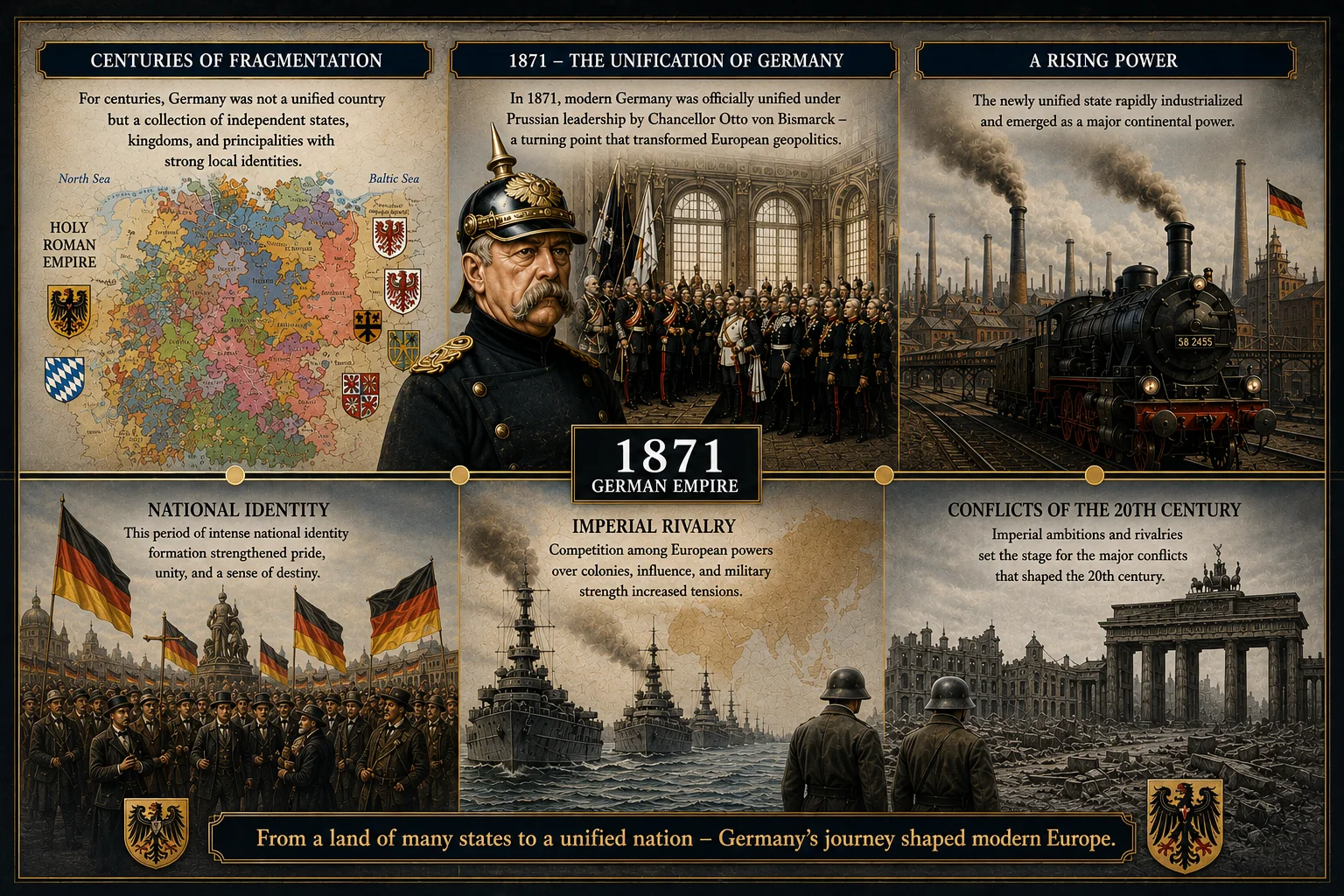
For much of its history, Germany was not a unified country but a collection of independent states, kingdoms, and principalities with strong local identities. This fragmentation lasted centuries. In 1871, modern Germany was officially unified under Prussian leadership by Chancellor Otto von Bismarck — a turning point that transformed European geopolitics. The newly unified state rapidly industrialized and emerged as a major continental power. This period of intense national identity formation, combined with imperial rivalry, set the stage for the conflicts of the 20th century.
Germany story

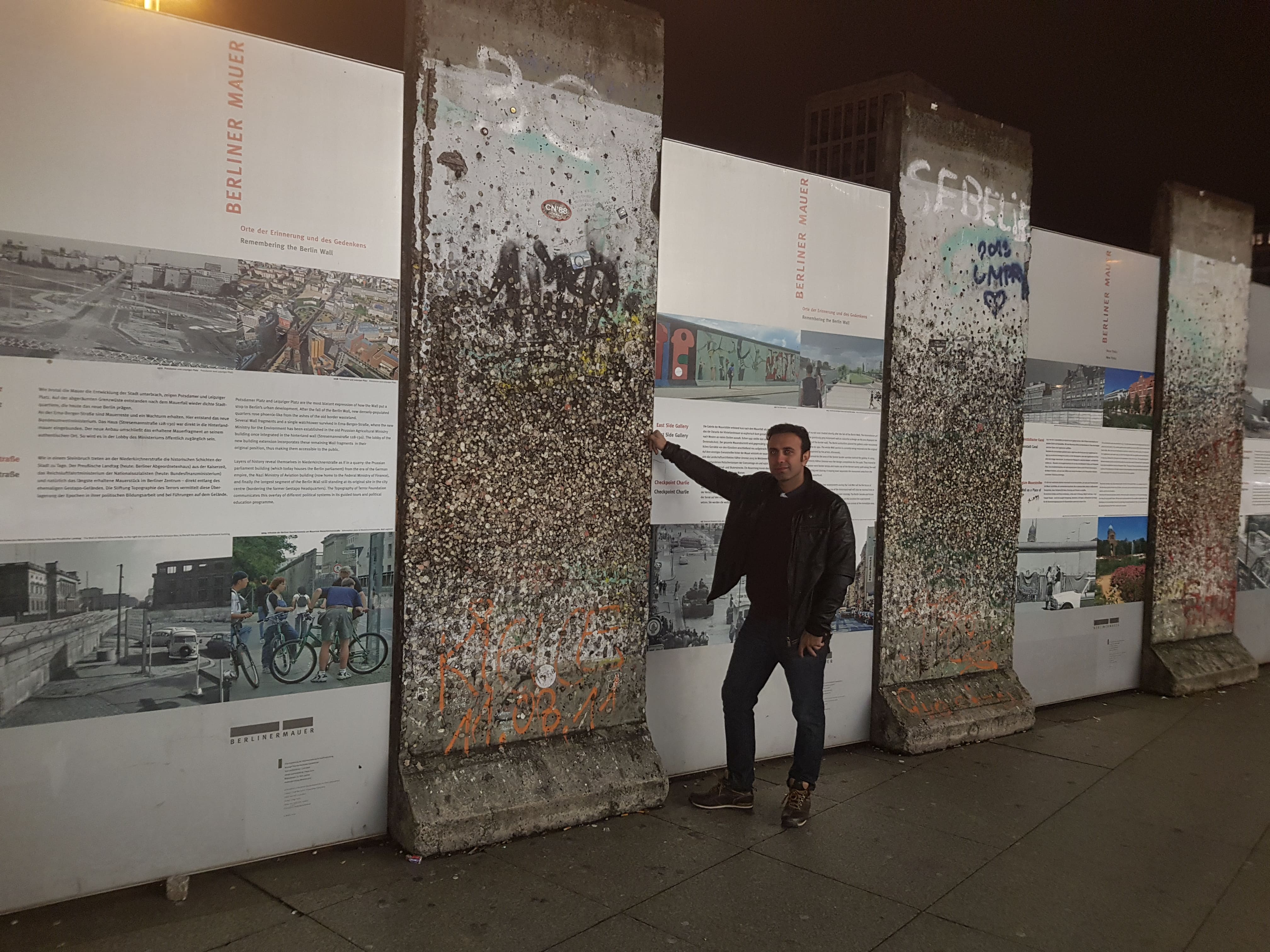
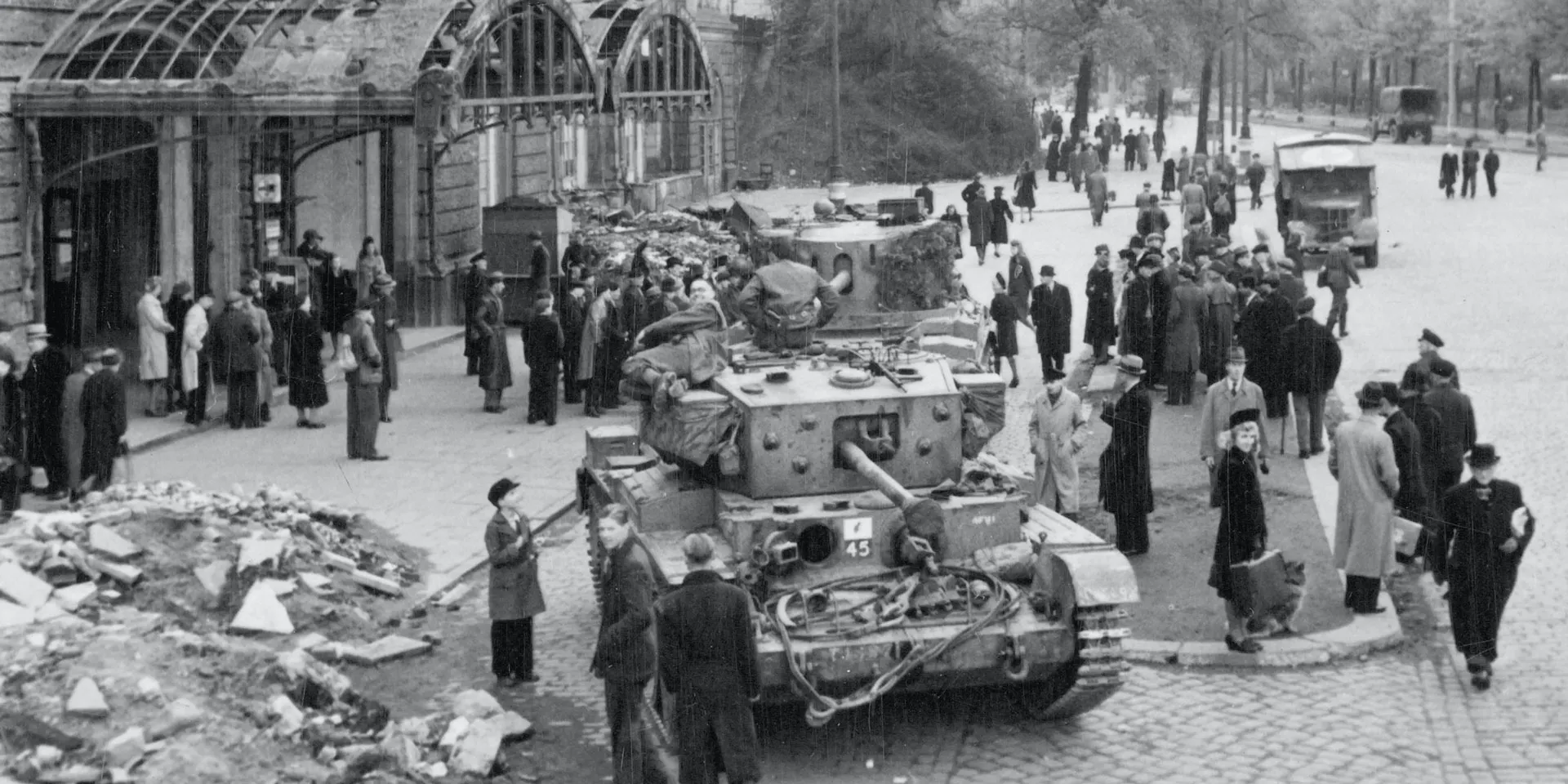
The 20th century brought Germany its greatest tragedies and its most remarkable recovery. Two World Wars resulted in massive destruction, the loss of millions of lives, and the moral collapse of the Nazi period. After World War II, Germany was divided into two states: the democratic Federal Republic (West Germany) and the communist German Democratic Republic (East Germany), separated by the Berlin Wall from 1961 until its fall in 1989. Reunification in 1990 marked one of the most significant events in modern European history. The post-war period also produced the "Wirtschaftswunder" (economic miracle) — one of the fastest rebuilding efforts in modern history.
Germany story

Germany's national motto — "Einigkeit und Recht und Freiheit" (Unity, Justice, and Freedom) — became the intellectual foundation of the modern state after periods of division and dictatorship. For Germans today, Unity means overcoming regional and federal divisions; Law means the system stands above the individual; and Freedom means freedom exercised within the framework of responsibility. This motto is not merely symbolic — it is the lived principle behind Germany's institutions, its social contract, and its role in European and global affairs.
Germany story

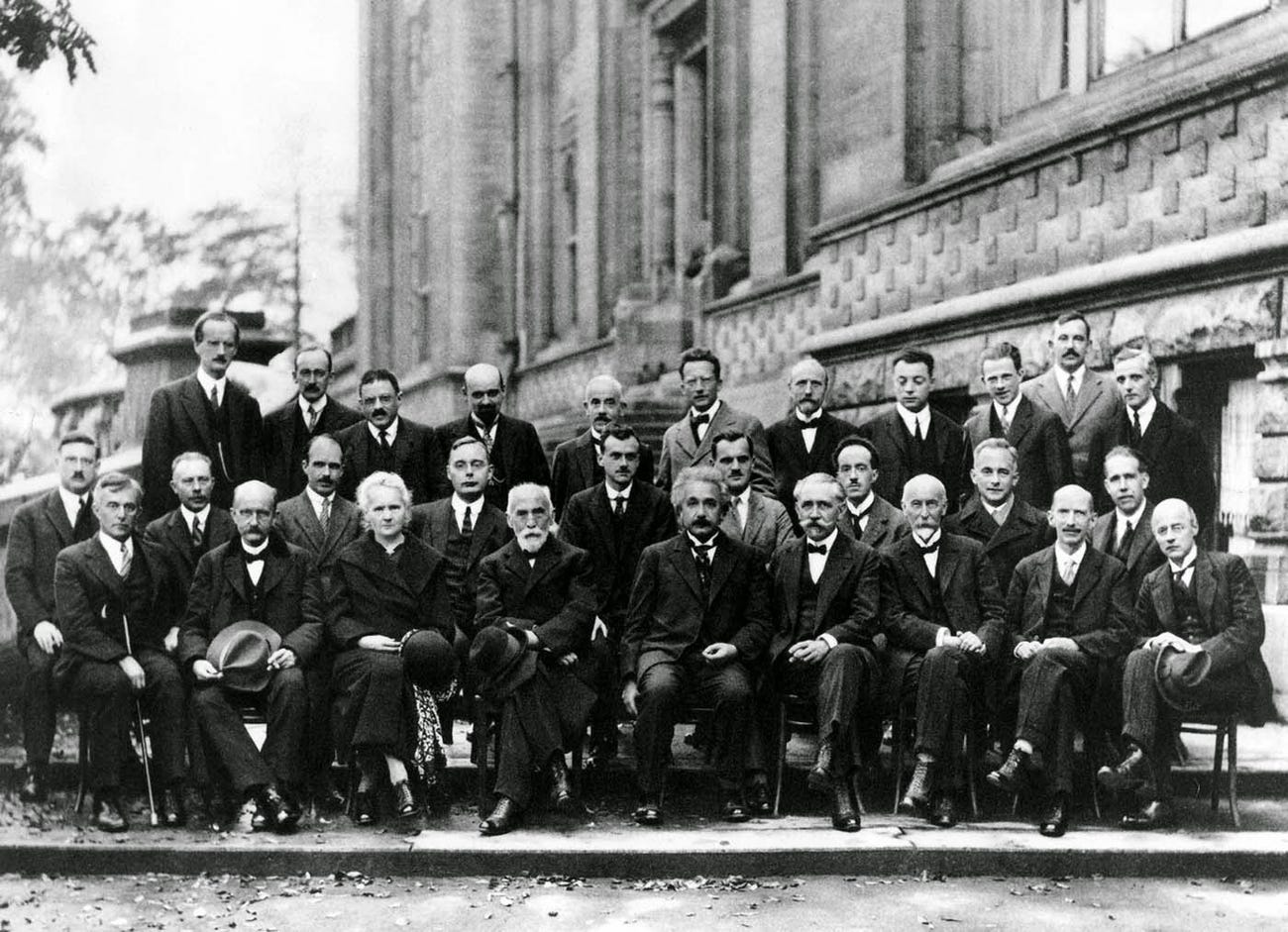
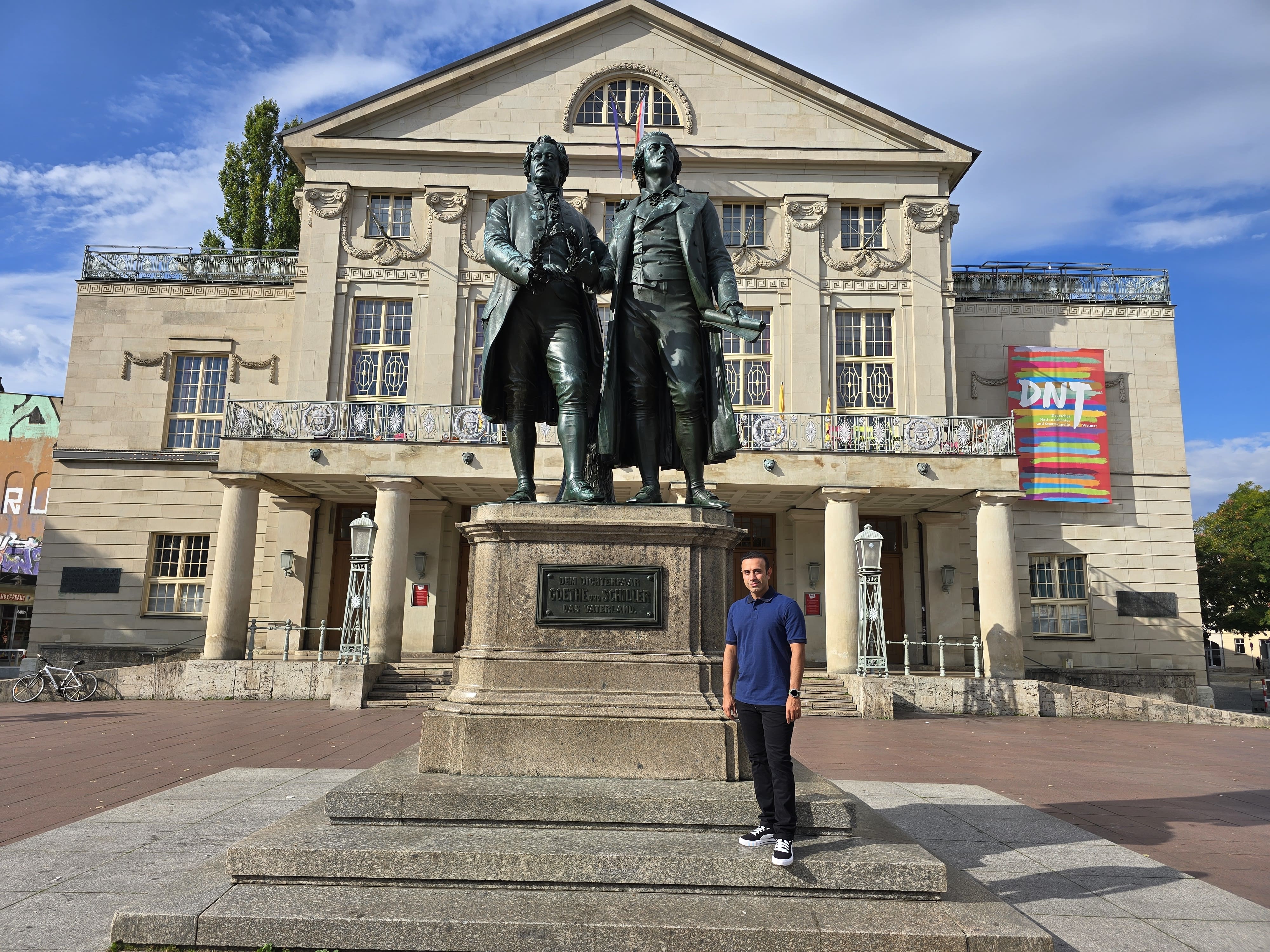
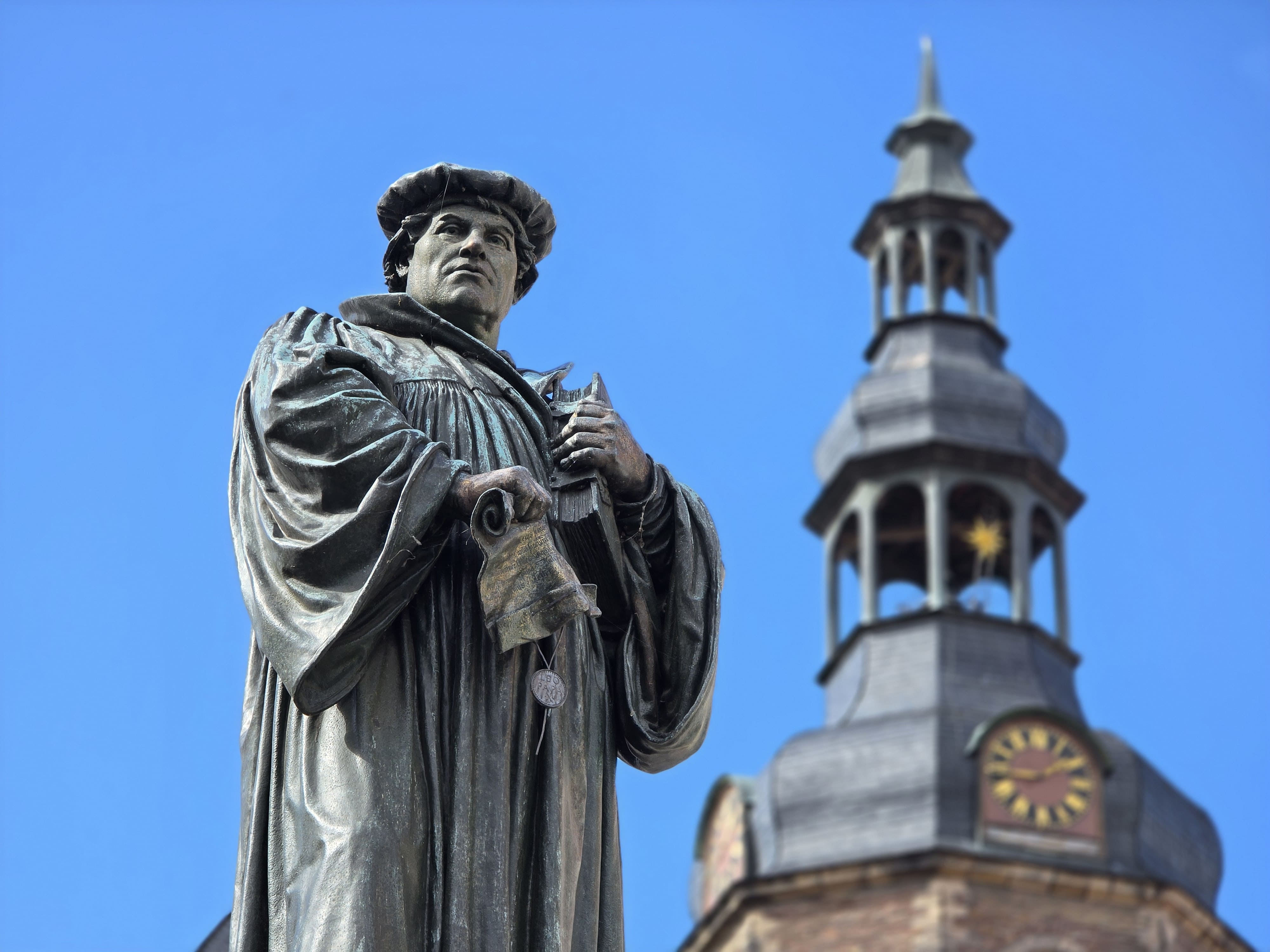
Germany has produced an extraordinary number of world-defining figures across all fields. In music: Johann Sebastian Bach, Ludwig van Beethoven, and Richard Wagner. In philosophy and literature: Immanuel Kant, Goethe, Schiller, Hegel, Schopenhauer, Karl Marx, Nietzsche, and Hermann Hesse. In science: Wilhelm Röntgen (discoverer of X-rays), Max Planck (founder of quantum physics), and Albert Einstein (theory of relativity). In history and politics: Martin Luther, Otto von Bismarck, and Angela Merkel — Chancellor of Germany from 2005 to 2021 and a symbol of stability in contemporary Europe.

The German Spirit
titleDecore bar

Understanding society, traditions, and daily life in Germany

German society is built on law, order, planning, and mutual respect. People may seem formal at first, but this formality reflects respect for personal boundaries and privacy rather than coldness. Social relationships develop slowly but are stable and reliable. Individual independence and personal responsibility are highly valued. Planning is seen as a sign of maturity and professionalism. Cultural differences between states are noticeable: Bavaria is more traditional and conservative, while Berlin is more liberal and multicultural.

Germany does not have a single national costume; traditional clothing is mostly regional. The Dirndl (women's dress with apron) is associated with Bavaria and Alpine regions and is mainly worn at festivals — the apron knot position traditionally signals marital status. Lederhosen are traditional leather trousers from southern Germany. In everyday life, modern Germans dress practically and simply. Traditional clothing is cultural and ceremonial rather than everyday wear.

German (Deutsch) is the official language. Regional dialects include Bavarian in the south, Swabian in the southwest, Saxon in the east, and Plattdeutsch (Low German) in the north. Other commonly spoken languages include English (widely spoken), Turkish, Arabic, and Polish/Russian. Travelers can generally navigate Germany without speaking German, but knowing basic words is appreciated and respected.

Music is an essential part of Germany's cultural identity. Classical music is one of Germany's most profound contributions to world culture — Bach, Beethoven, and Wagner are among the most influential composers in history. Folk music thrives at Bavarian festivals in the form of traditional brass and string ensembles. Berlin is today a global center for electronic and techno music, drawing artists and audiences from around the world. German pop and rock music is also popular and socially expressive.

Germany has shaped European art from the medieval period to the present. Albrecht Dürer connected Northern European art with the Italian Renaissance through his paintings and engravings. Caspar David Friedrich's Romantic landscapes expressed the relationship between emotion, nature, and spirituality. In the 20th century, the Bauhaus school — founded in Weimar and later Dessau — fundamentally transformed modern architecture, product design, and visual art worldwide. Today, Berlin and Munich are major hubs for contemporary art, with internationally significant museums, galleries, and exhibitions.

Germany is a largely secular country, and religion plays a limited role in public life. Approximately 50% of the population identifies as Christian (roughly equal parts Protestant and Catholic), about 5–6% as Muslim, and approximately 40% have no religious affiliation. Other religions account for less than 5%. Despite this secular character, church architecture and Christian cultural traditions remain deeply woven into the fabric of German history, festivals, and regional customs.

Germany is a diverse society shaped by decades of immigration and its central position in European history.

Religious Composition

Approximately 50% of the population identifies as Christian (roughly equal Catholic and Protestant), around 5–6% are Muslim — primarily from Turkish and Arab communities — and approximately 40% identify with no religion. This large secular population reflects the country's modern, post-war cultural evolution.

Ethnic Backgrounds

Approximately 75–80% of residents identify as ethnically German. People of Turkish background make up around 3–4%, Eastern European communities around 4–5%, Arab and Middle Eastern communities around 2–3%, and other backgrounds account for the remaining 5%. Germany's diversity is concentrated in major cities — Berlin, Hamburg, and Frankfurt are among the most cosmopolitan cities in Europe.

German (Deutsch) is the official language and one of the most widely spoken languages in Europe. However, the linguistic landscape is far more varied than a single language suggests.

Major Dialects

Regional dialects remain strong and culturally significant: Bavarian is spoken across southern Bavaria, Swabian in Baden-Württemberg, Saxon (Sächsisch) in the east, and Plattdeutsch (Low German) across the northern coastal regions. In some rural areas, dialects differ so significantly from standard German that speakers from other regions struggle to understand them.

Other Languages Widely Spoken

English is very widely understood, particularly in cities and among younger generations — you can travel throughout Germany comfortably using English. Turkish is Germany's second most widely spoken community language. Arabic, Polish, and Russian are also common in urban areas. Learning a few German phrases is genuinely appreciated and signals respect for the local culture.

Germany Food Culture
titleDecore bar
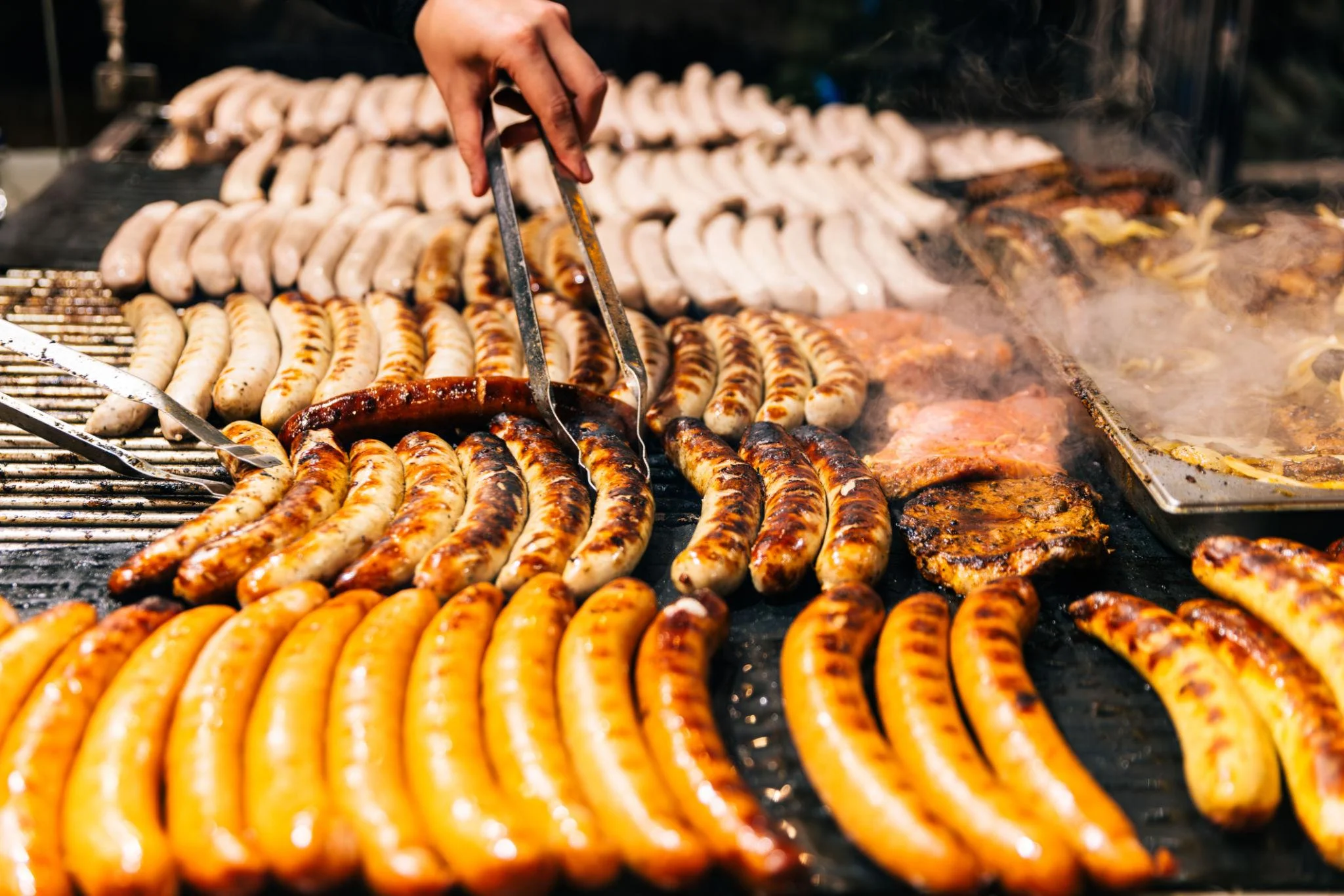
Germany - Bratwurst

Bratwurst

Germany's most iconic grilled sausage — seasoned with herbs and spices, cooked over an open flame, and served with mustard. Found at street stalls, markets, and restaurants across every region, each with its own local variation.

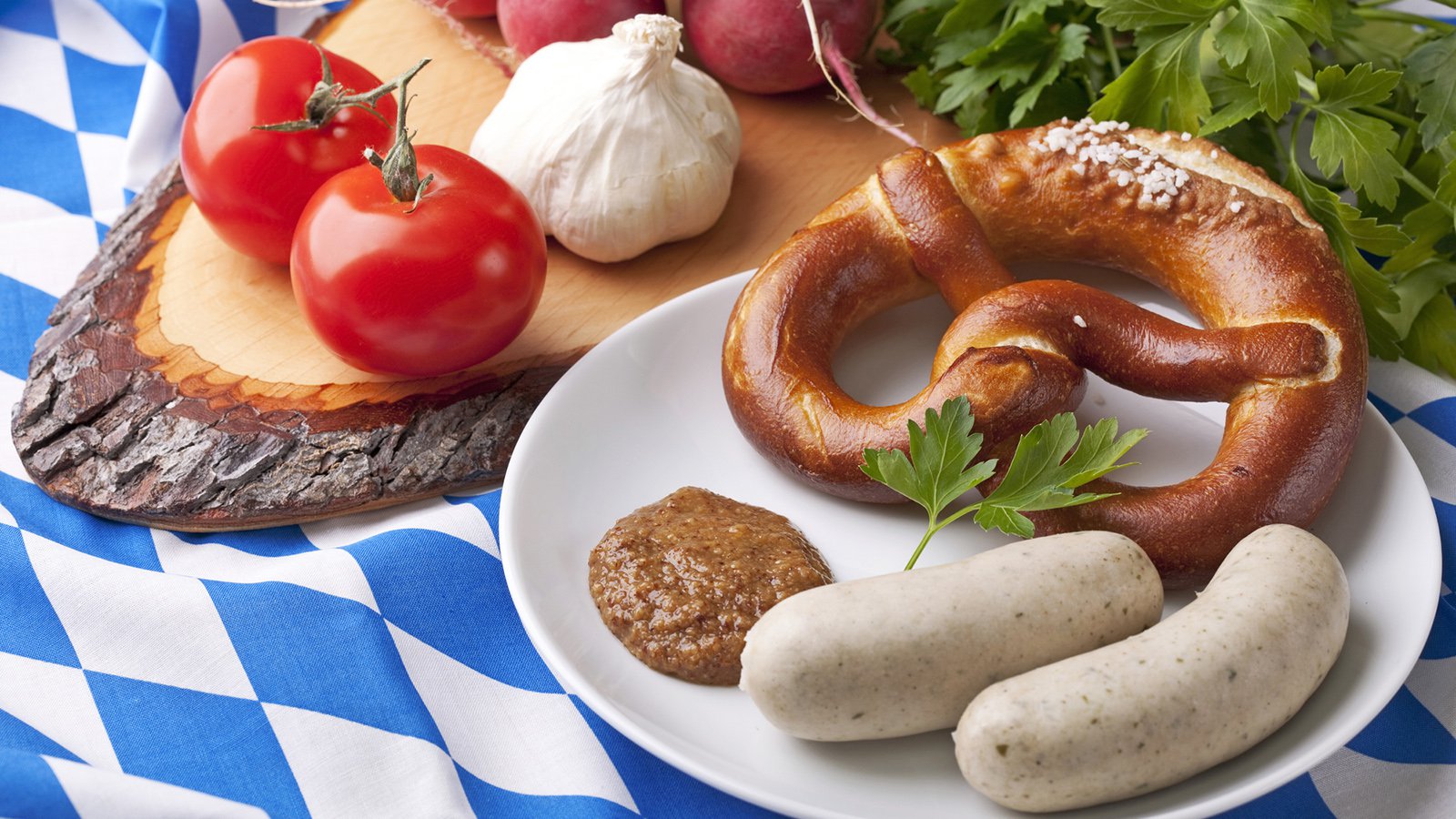
Germany - Weißwurst

Weißwurst

A pale, mild Bavarian sausage made from veal and pork back bacon, traditionally eaten before noon with sweet mustard, a soft pretzel, and a wheat beer. An essential part of Bavarian breakfast culture.

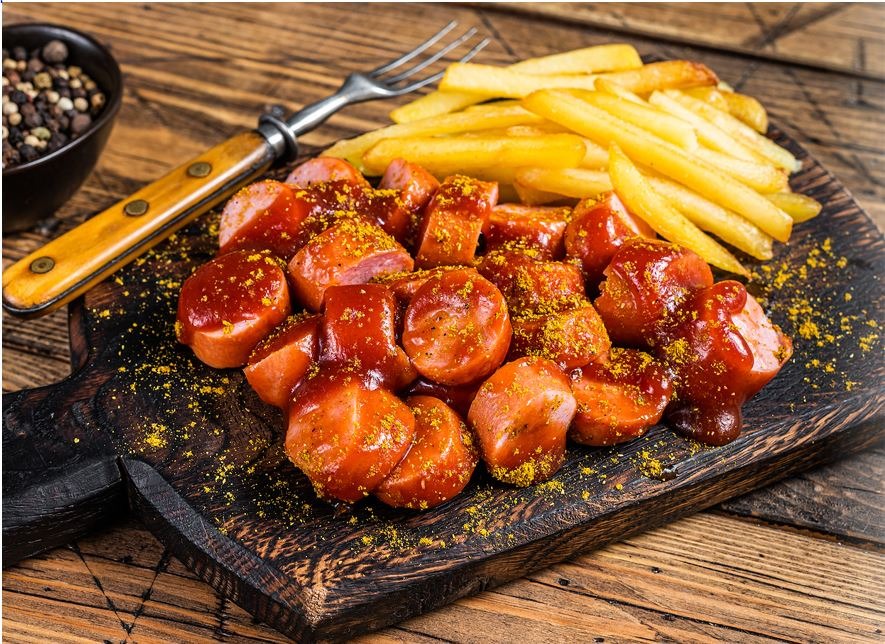
Germany - Currywurst

Currywurst

A Berlin street food institution — sliced pork sausage topped with a spiced ketchup-curry sauce and served with fries. Invented in Berlin in 1949, it remains one of the most consumed fast food dishes in Germany.

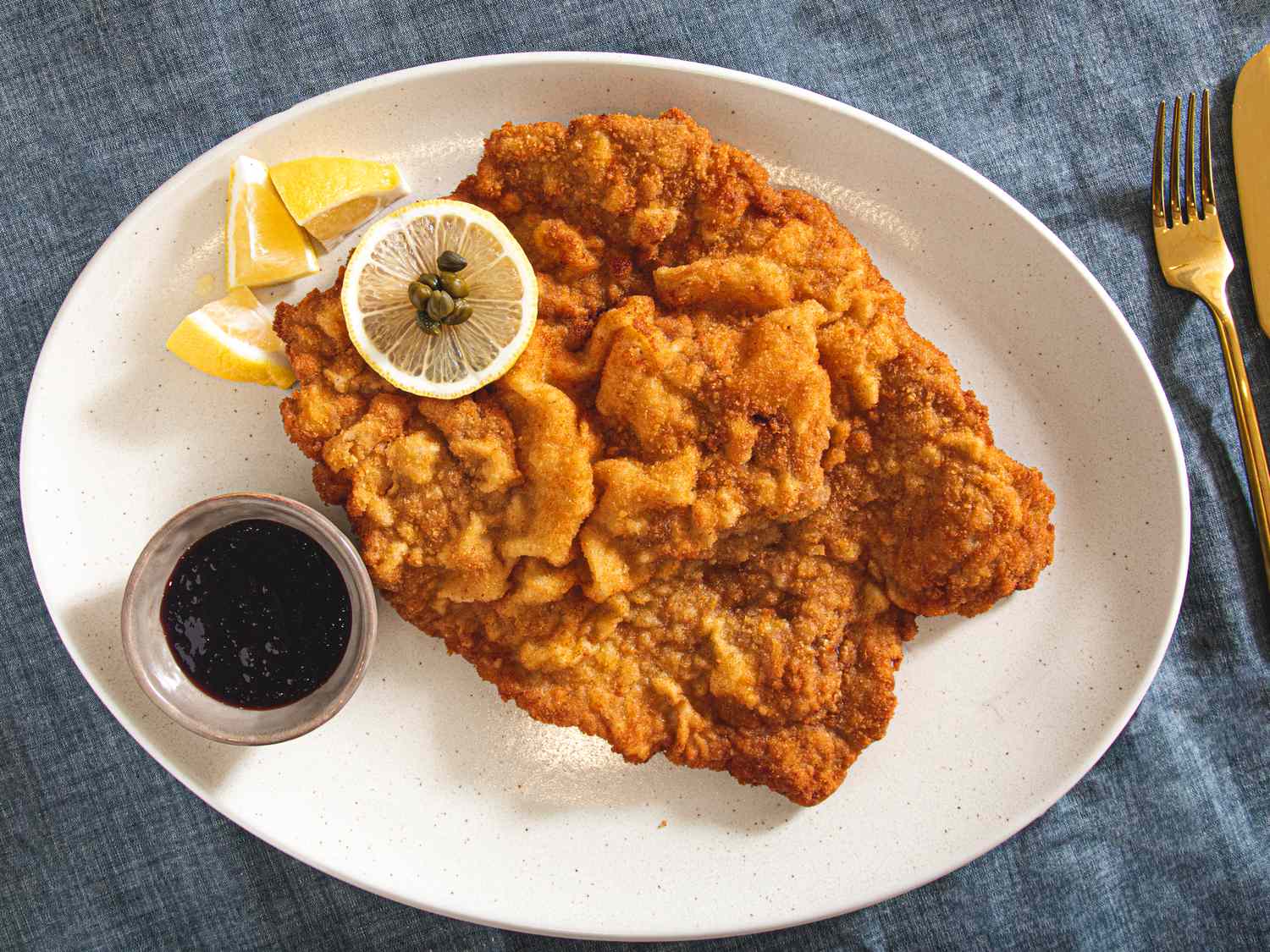
Germany - Schnitzel

Schnitzel

A thin, breaded and pan-fried meat cutlet — simple, satisfying, and found throughout Germany. The Wiener Schnitzel uses veal; the Schweineschnitzel uses pork. Served with potato salad, fries, or Spätzle.

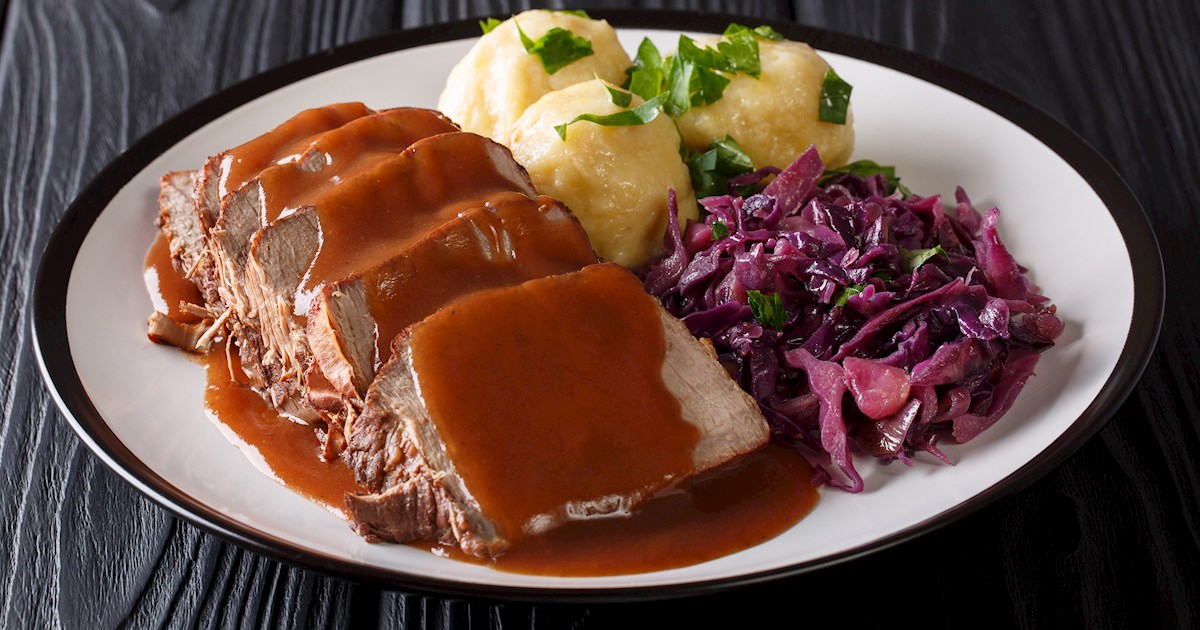
Germany - Sauerbraten

Sauerbraten

One of Germany's most traditional dishes — a pot roast marinated for several days in a mixture of vinegar, water, and spices before slow cooking. The result is tender meat with a distinctive sweet-sour sauce. Regional variations exist across the Rhineland, Bavaria, and Swabia.

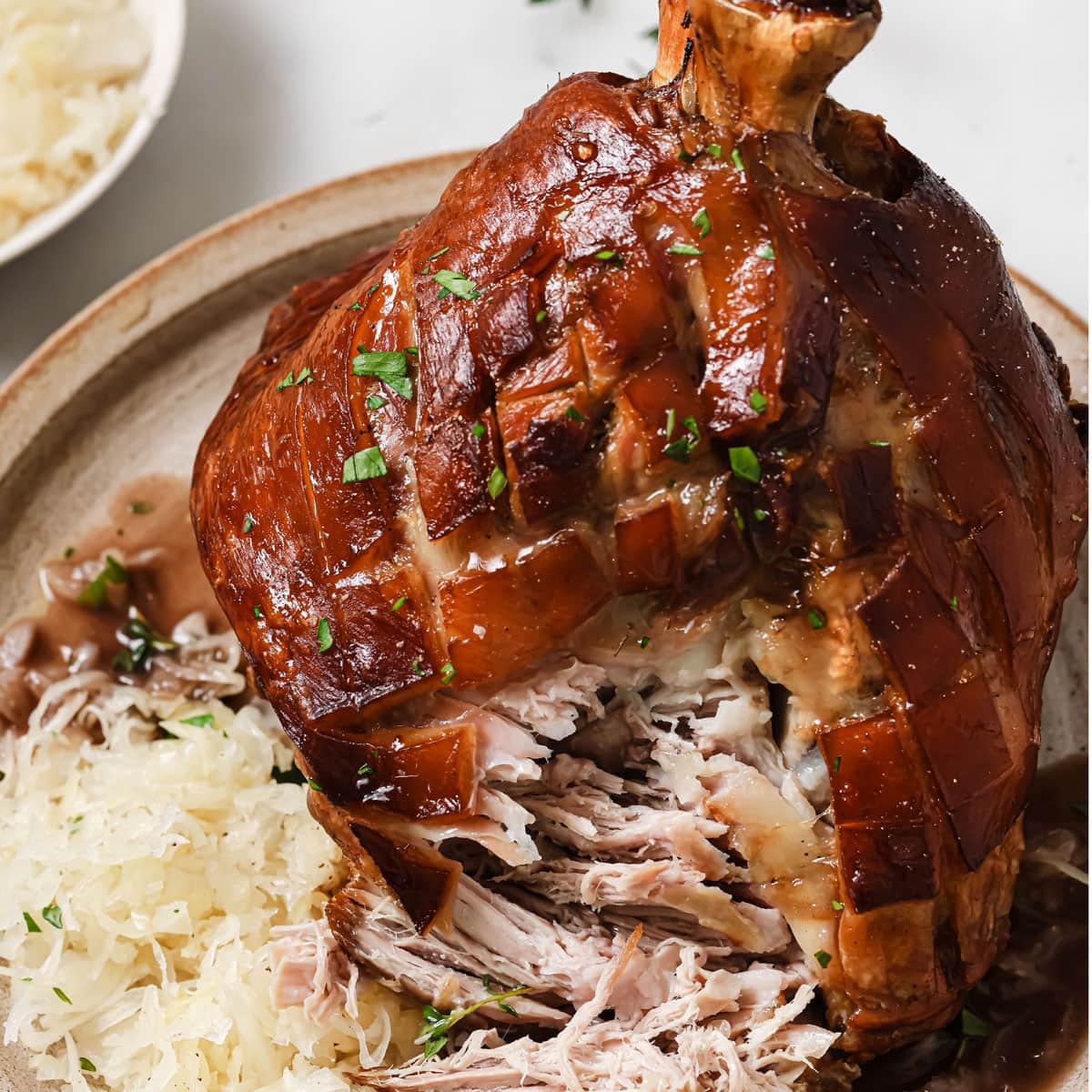
Germany - Schweinshaxe

Schweinshaxe

Slow-roasted pork knuckle with crispy skin — a centrepiece dish of Bavarian cuisine, typically served at beer halls and festivals. Heavy, ceremonial, and deeply regional in character. Best accompanied by sauerkraut and a Maßkrug of dark beer.

Bratwurst

Germany's most iconic grilled sausage — seasoned with herbs and spices, cooked over an open flame, and served with mustard. Found at street stalls, markets, and restaurants across every region, each with its own local variation.

Weißwurst

A pale, mild Bavarian sausage made from veal and pork back bacon, traditionally eaten before noon with sweet mustard, a soft pretzel, and a wheat beer. An essential part of Bavarian breakfast culture.

Currywurst

A Berlin street food institution — sliced pork sausage topped with a spiced ketchup-curry sauce and served with fries. Invented in Berlin in 1949, it remains one of the most consumed fast food dishes in Germany.

Schnitzel

A thin, breaded and pan-fried meat cutlet — simple, satisfying, and found throughout Germany. The Wiener Schnitzel uses veal; the Schweineschnitzel uses pork. Served with potato salad, fries, or Spätzle.

Sauerbraten

One of Germany's most traditional dishes — a pot roast marinated for several days in a mixture of vinegar, water, and spices before slow cooking. The result is tender meat with a distinctive sweet-sour sauce. Regional variations exist across the Rhineland, Bavaria, and Swabia.

Schweinshaxe

Slow-roasted pork knuckle with crispy skin — a centrepiece dish of Bavarian cuisine, typically served at beer halls and festivals. Heavy, ceremonial, and deeply regional in character. Best accompanied by sauerkraut and a Maßkrug of dark beer.

Germany - Bratwurst

Bratwurst

Germany - Weißwurst

Weißwurst

Germany - Currywurst

Currywurst

Germany - Schnitzel

Schnitzel

Germany - Sauerbraten

Sauerbraten

Germany - Schweinshaxe

Schweinshaxe

Explore Germany
titleDecore bar

Germany rewards exploration at every scale — from its grand imperial cities and UNESCO-listed medieval towns to its sweeping Alpine landscapes and engineering museums. Whether you are drawn to history, nature, architecture, or culture, no two regions offer the same experience.

Cities & Highlights

Germany's capital is a city of layers — Prussian grandeur, Cold War scars, and a thriving contemporary culture scene all coexist in one sprawling, endlessly walkable metropolis.

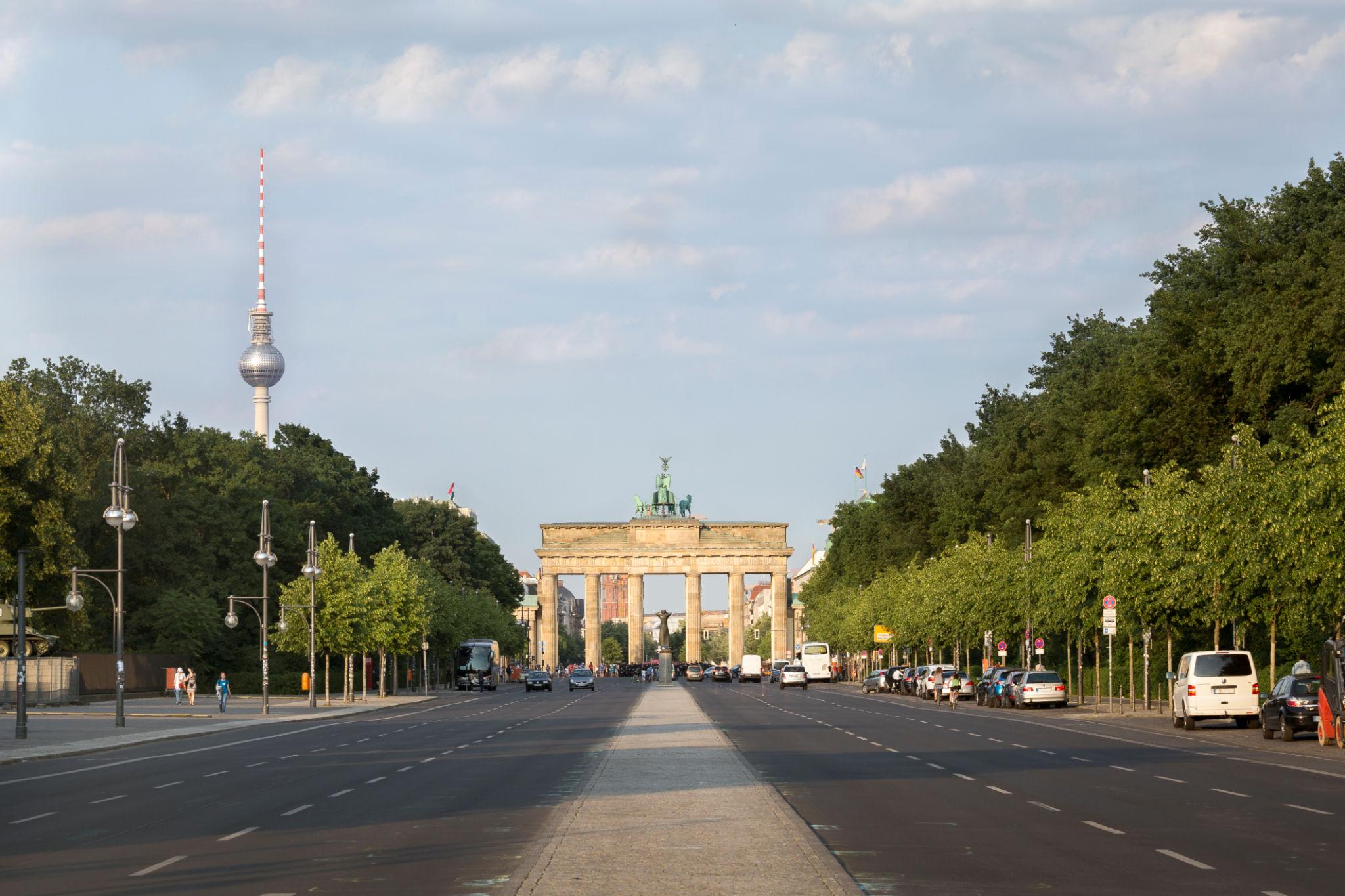
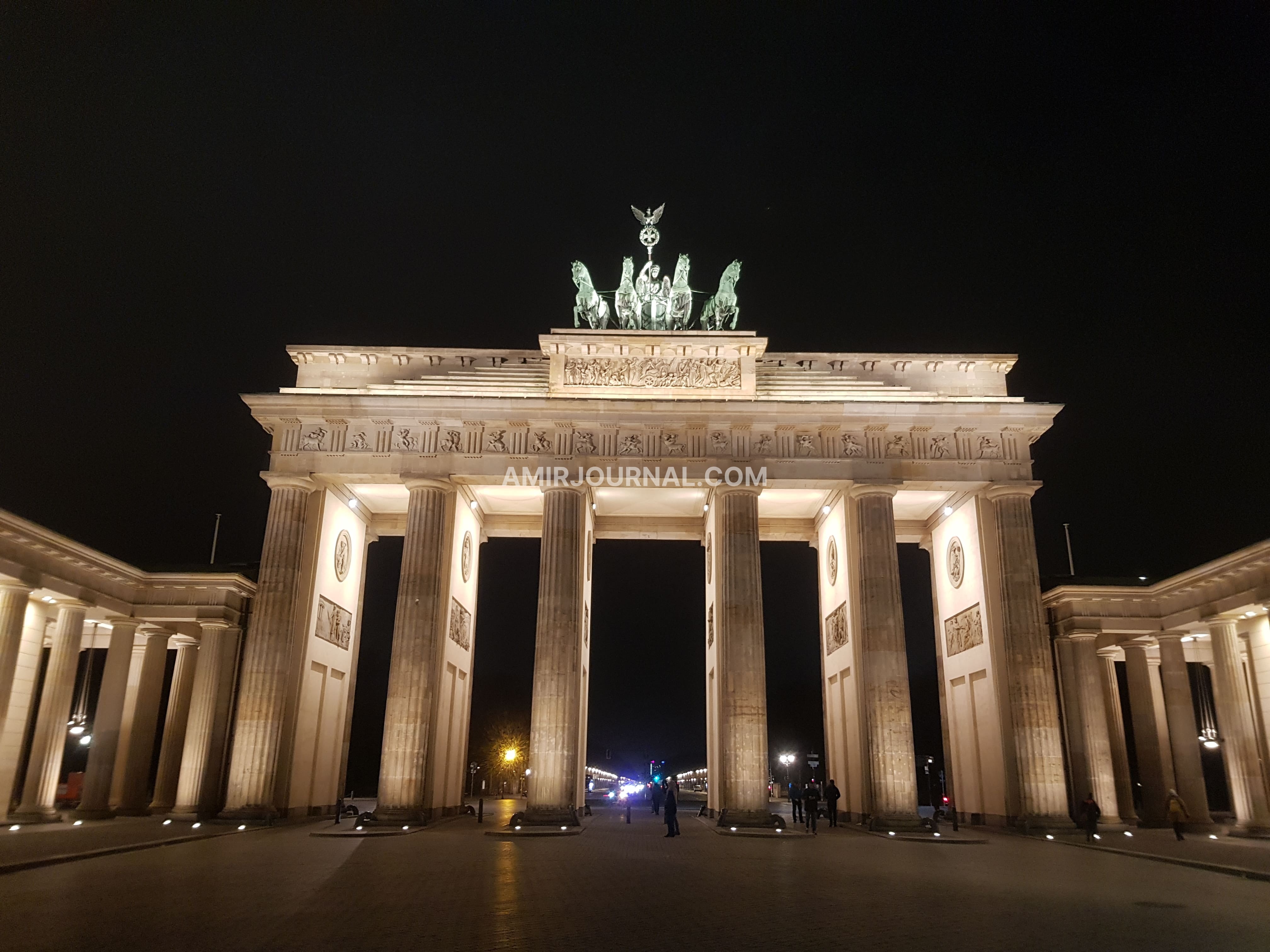
Brandenburg Gate

Brandenburg Gate

Neoclassical triumphal arch and the defining symbol of German reunification.

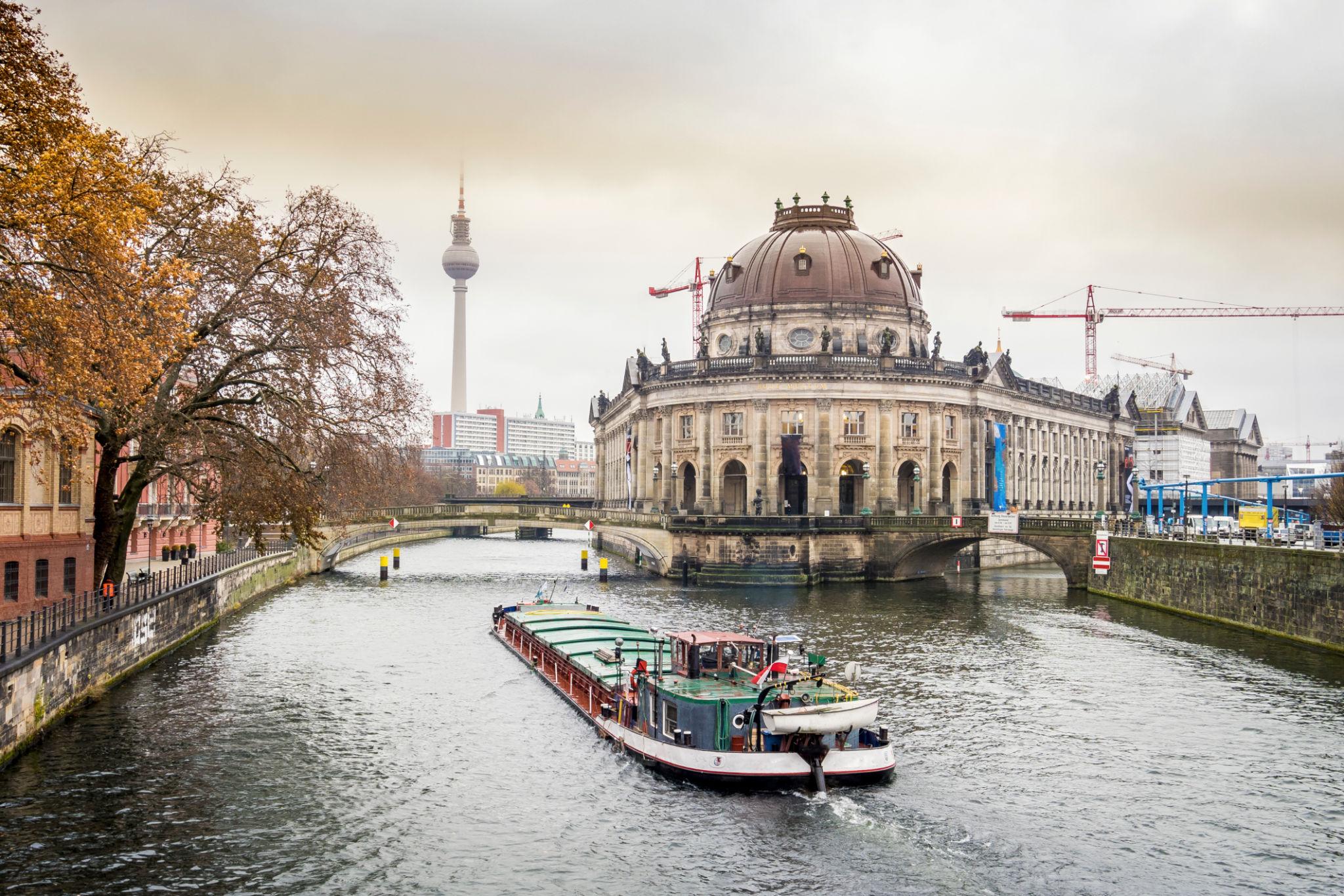
Museum IslandUNESCO

A peninsula in the Spree river housing five world-class museums, including the Pergamon and the Neues Museum.

Berlin Wall Memorial

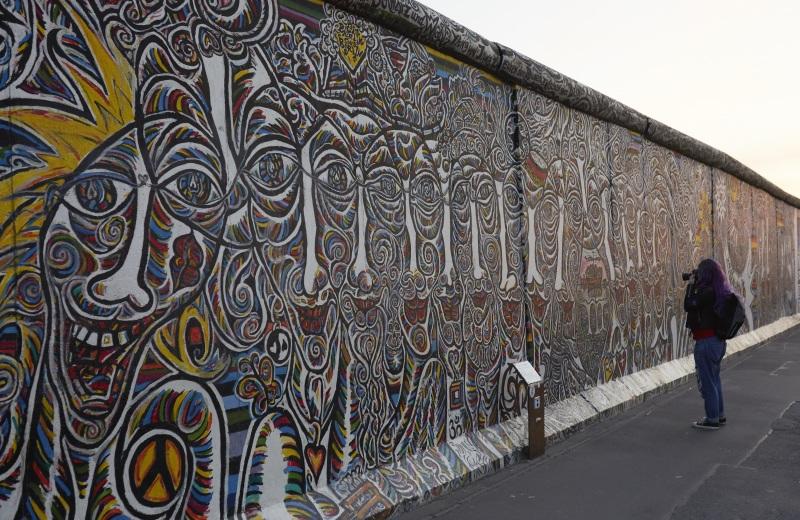
Preserved section of the Wall with documentation centre, offering a sobering account of the city's division.

Reichstag Building

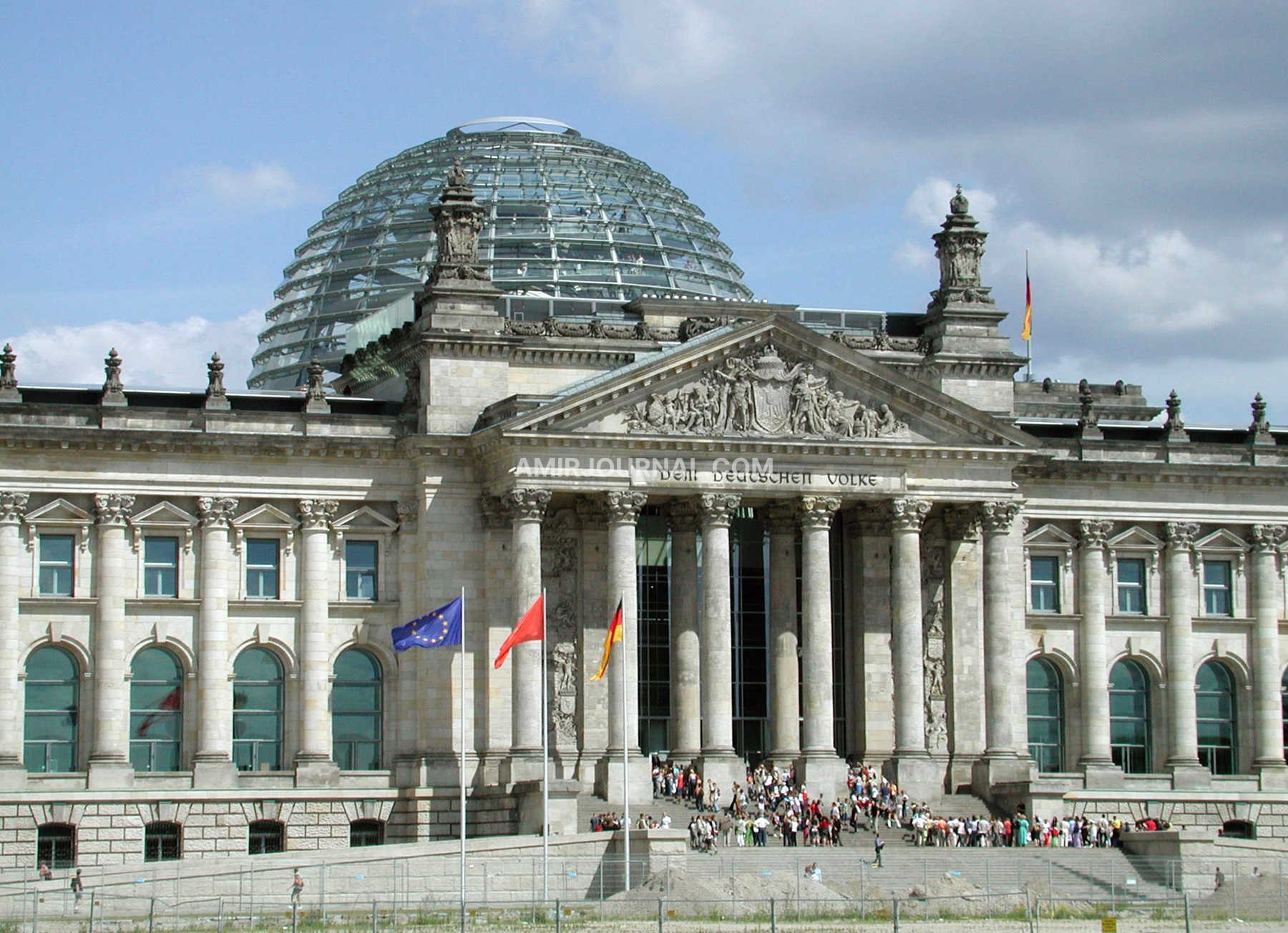
Germany's parliament building, with a landmark glass dome offering panoramic views over the city.

Germany's landscape is scattered with castles, fortified medieval towns, and royal palaces — many protected by UNESCO. These are the sites that defined European history across a thousand years.

Neuschwanstein Castle

Bavaria's fairy-tale 19th-century palace perched above a gorge — the most visited castle in Germany and the inspiration for Disney's Sleeping Beauty Castle.

Sanssouci PalaceUNESCO

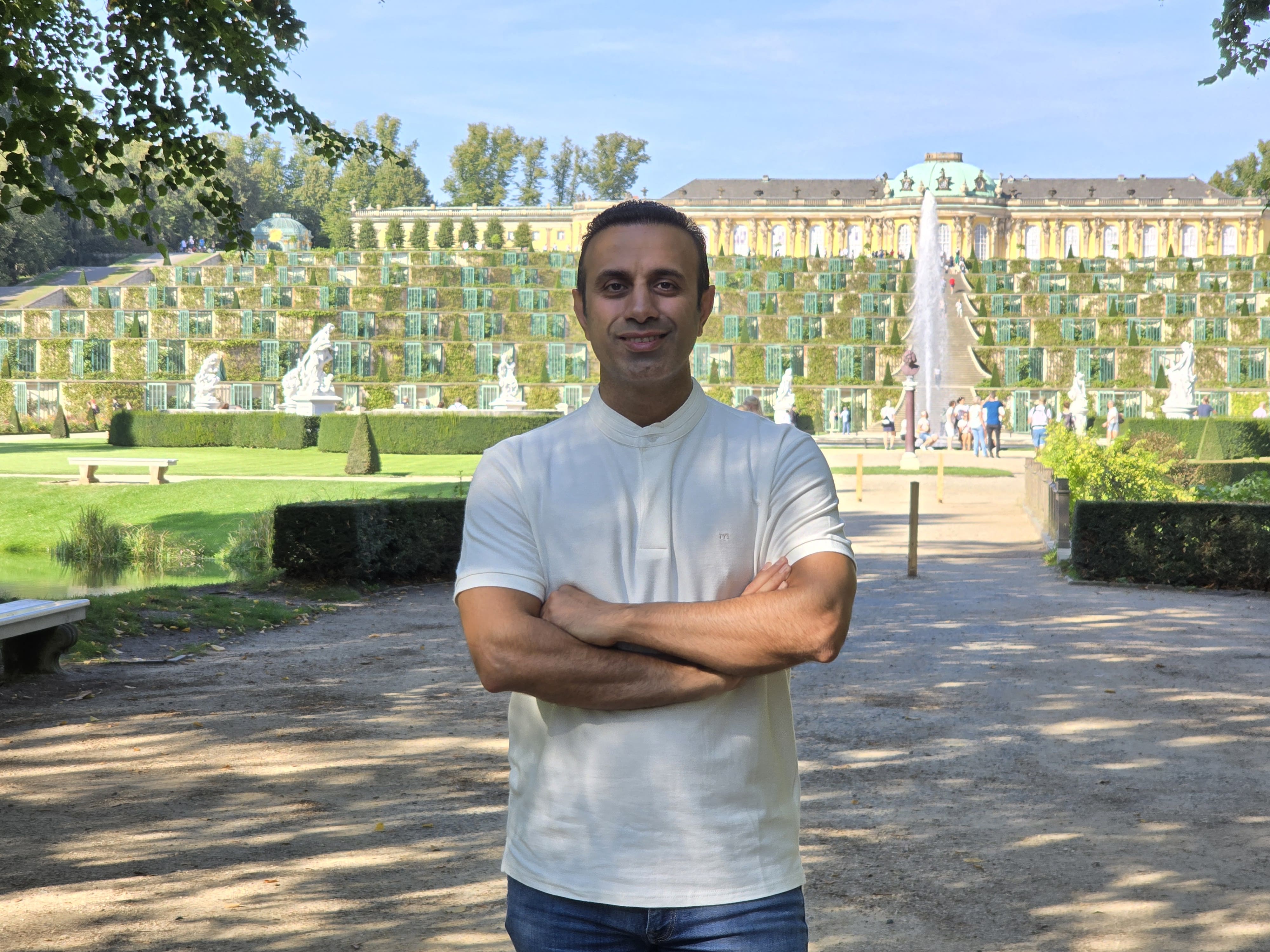
Frederick the Great's intimate rococo summer palace at Potsdam — the Prussian answer to Versailles.

Nuremberg Castle (Kaiserburg)

Imperial fortress at the heart of one of Germany's best-preserved medieval cities — residence of Holy Roman Emperors for centuries.

Würzburg ResidenceUNESCO

One of the greatest baroque palaces in Europe — a UNESCO masterpiece featuring Tiepolo's largest ceiling fresco in the world.

Wismar Old TownUNESCO

A remarkably well-preserved Hanseatic port town on the Baltic coast with exceptional Gothic brick architecture.

QuedlinburgUNESCO

A timber-frame medieval town in the Harz foothills with over 1,300 listed half-timbered buildings and a Romanesque collegiate church.

Beyond landmarks and museums, Germany offers a rich texture of everyday culture — thermal baths, beer gardens, sauna culture, and traditional regional life that rewards slow travel.

Baden-Baden Thermal BathsUNESCO

A UNESCO Great Spa of Europe — bathing in Baden-Baden's thermal springs is a centuries-old ritual of relaxation and renewal.

Therme Erding

Europe's largest thermal spa complex near Munich — a vast world of pools, slides, saunas, and wellness treatments.

German Sauna Culture

Germany has one of the world's most serious sauna traditions — public saunas (Saunalandschaft) are common, clothing-optional, and deeply embedded in daily wellness culture.

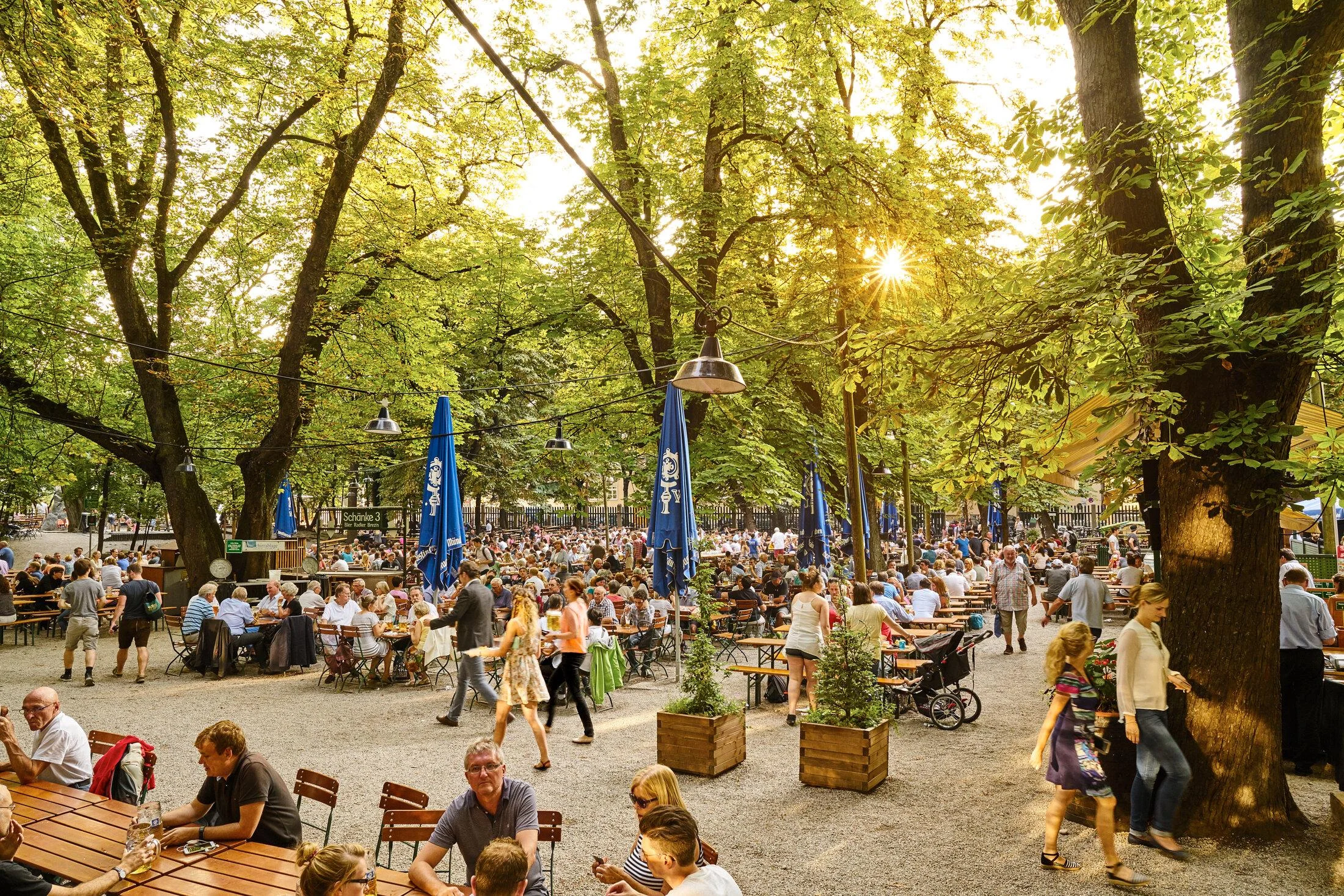
Biergarten Culture

The beer garden is one of Germany's great social institutions — outdoor communal seating under chestnut trees, with Maßkrüge, pretzels, and long summer evenings.

Christmas Markets (Weihnachtsmärkte)

Germany's Christmas markets — particularly in Nuremberg, Cologne, and Rothenburg — are among the most atmospheric in the world, running from late November through December.

Germany's road network is exceptional and its scenic routes are among Europe's finest. These established touring routes connect historic towns, natural landscapes, and regional culture in a logical sequence.

Romantic Road

Würzburg

Füssen

Germany's most famous touring route — 460km through medieval towns, Baroque churches, and Bavarian foothills ending at Neuschwanstein Castle.

Rhine Valley RouteUNESCO

Koblenz

Rüdesheim

The most scenic stretch of the Rhine — a UNESCO cultural landscape of castles, vineyards, and dramatic gorges along one of Europe's great rivers.

Black Forest High Road

Baden

Freudenstadt

A ridgeline road through the northern Black Forest — passing lakes, viewpoints, and traditional farmhouses with sweeping views across the Rhine plain.

German Alpine Road

Lindau

Berchtesgaden

Germany's most spectacular long-distance drive — 450km along the Alpine foothills connecting Lake Constance to Berchtesgaden through Bavaria's most dramatic scenery.

North Sea Coastal Route

Cuxhaven

Emden

A scenic coastal drive through the Wadden Sea UNESCO landscape — passing fishing villages, dykes, and wide-open tidal horizons along Germany's North Sea shore.

Special Experiences
titleDecore bar

Germany rewards those who look beyond the obvious. From world-famous festivals and alpine hiking trails to quiet Sunday mornings in half-timbered villages, the country offers experiences that range from the exhilarating to the deeply contemplative. These are the moments that make a trip to Germany genuinely memorable.

Germany's festival calendar is among the richest in Europe — rooted in centuries of regional tradition. From the world's largest beer festival to intimate Christmas markets in medieval squares, these are experiences that connect you directly to German cultural identity.

Late September to early October

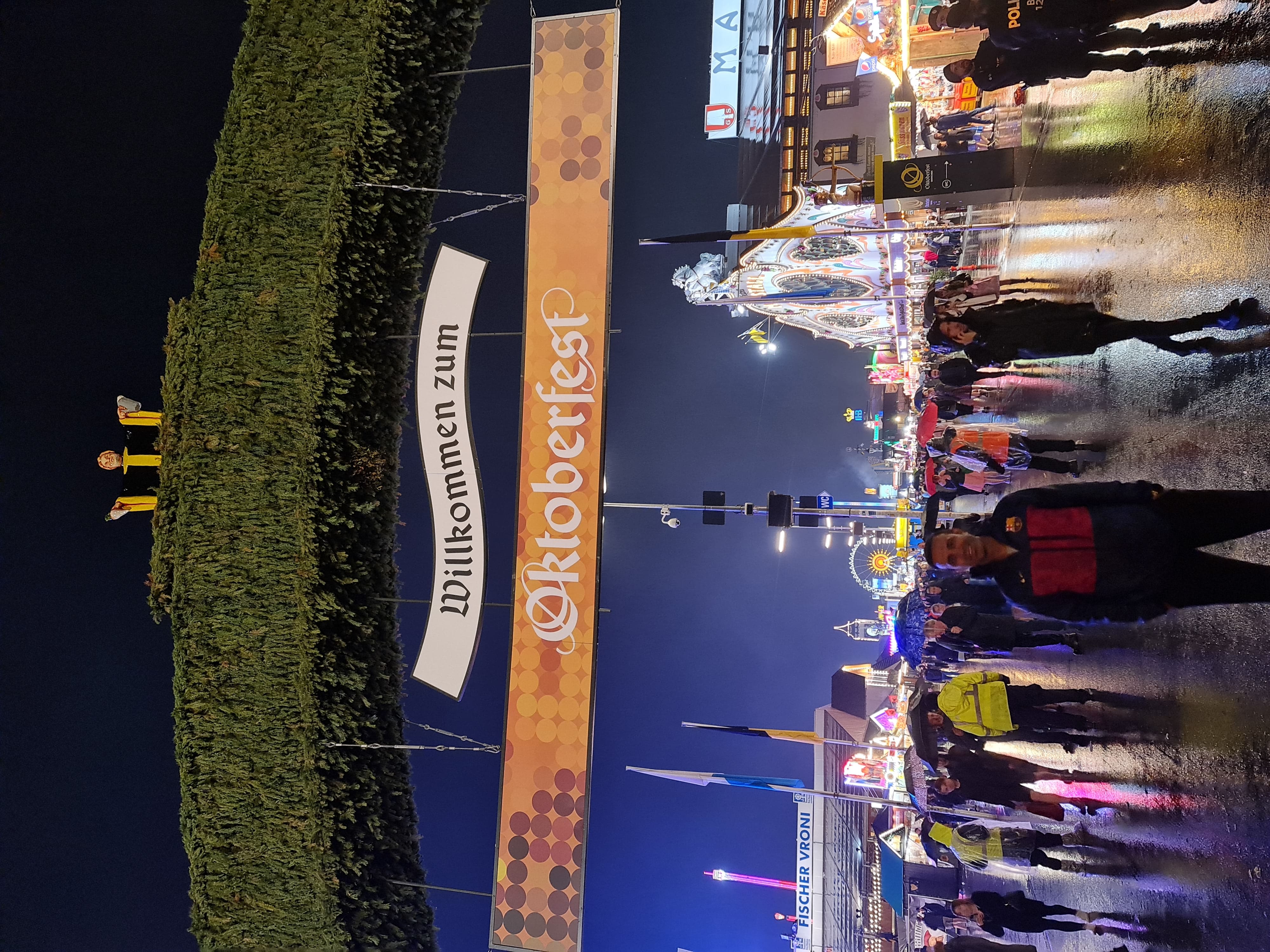
Oktoberfest

Munich

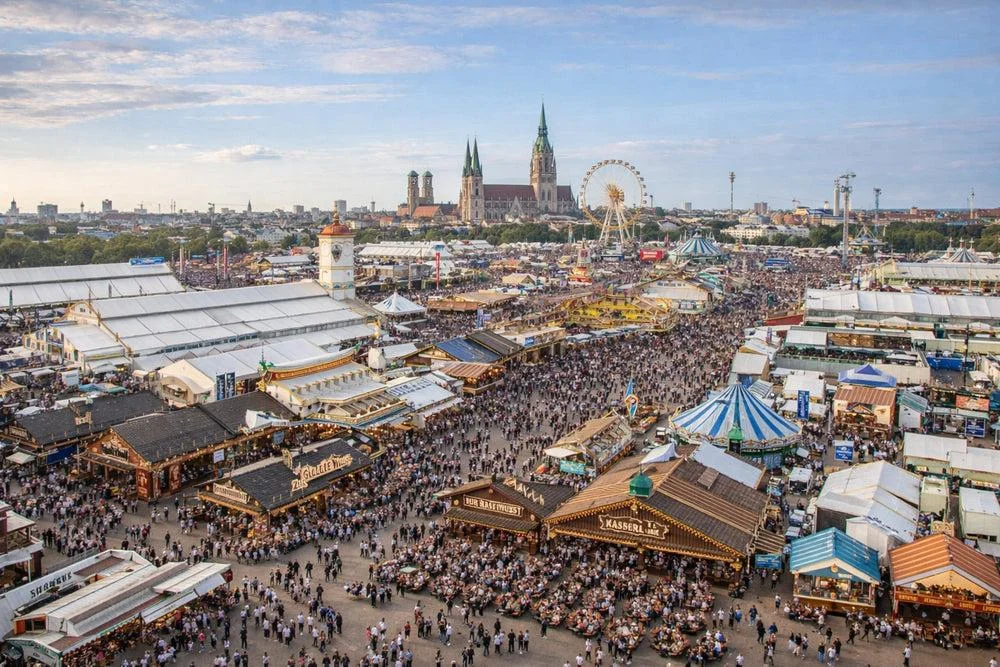
The world's largest beer festival — a 16-to-18-day celebration of Bavarian culture combining traditional costumes (Tracht), regional music, fairground attractions, and vast beer tents. More than a party — it is a living expression of Bavarian identity.

Late November to December 24

Christmas Markets

Across Germany

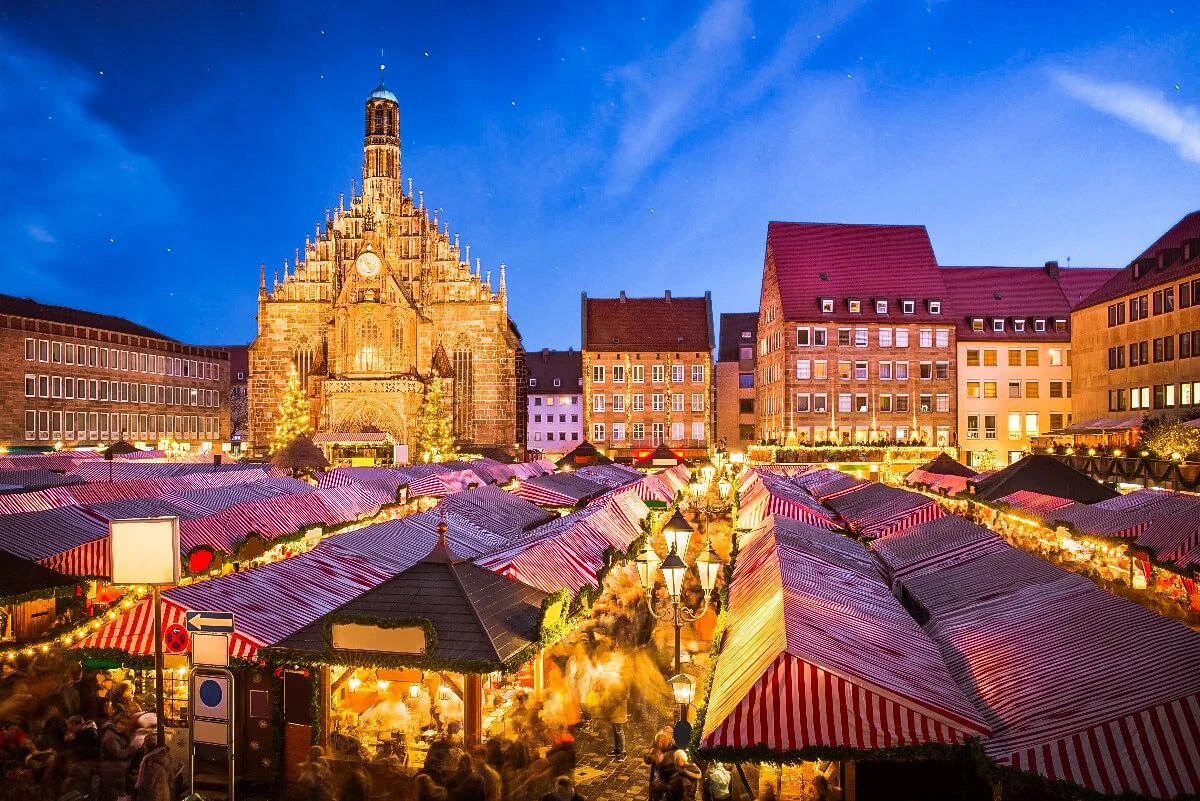
Traditional winter markets transform German town squares from late November through late December. Hot Glühwein, seasonal food, handcrafted wooden decorations, and the smell of roasted almonds — among the most atmospheric experiences in Europe. Nuremberg, Cologne, and Rothenburg are particularly celebrated.

April to September

Beer Garden Culture

Across Germany, especially Bavaria

The Biergarten is one of Germany's great social institutions — communal outdoor seating under chestnut trees, with Maßkrüge of beer, pretzels, and long unhurried evenings. Open from spring through early autumn, beer gardens are central to Bavarian and broader German social life.

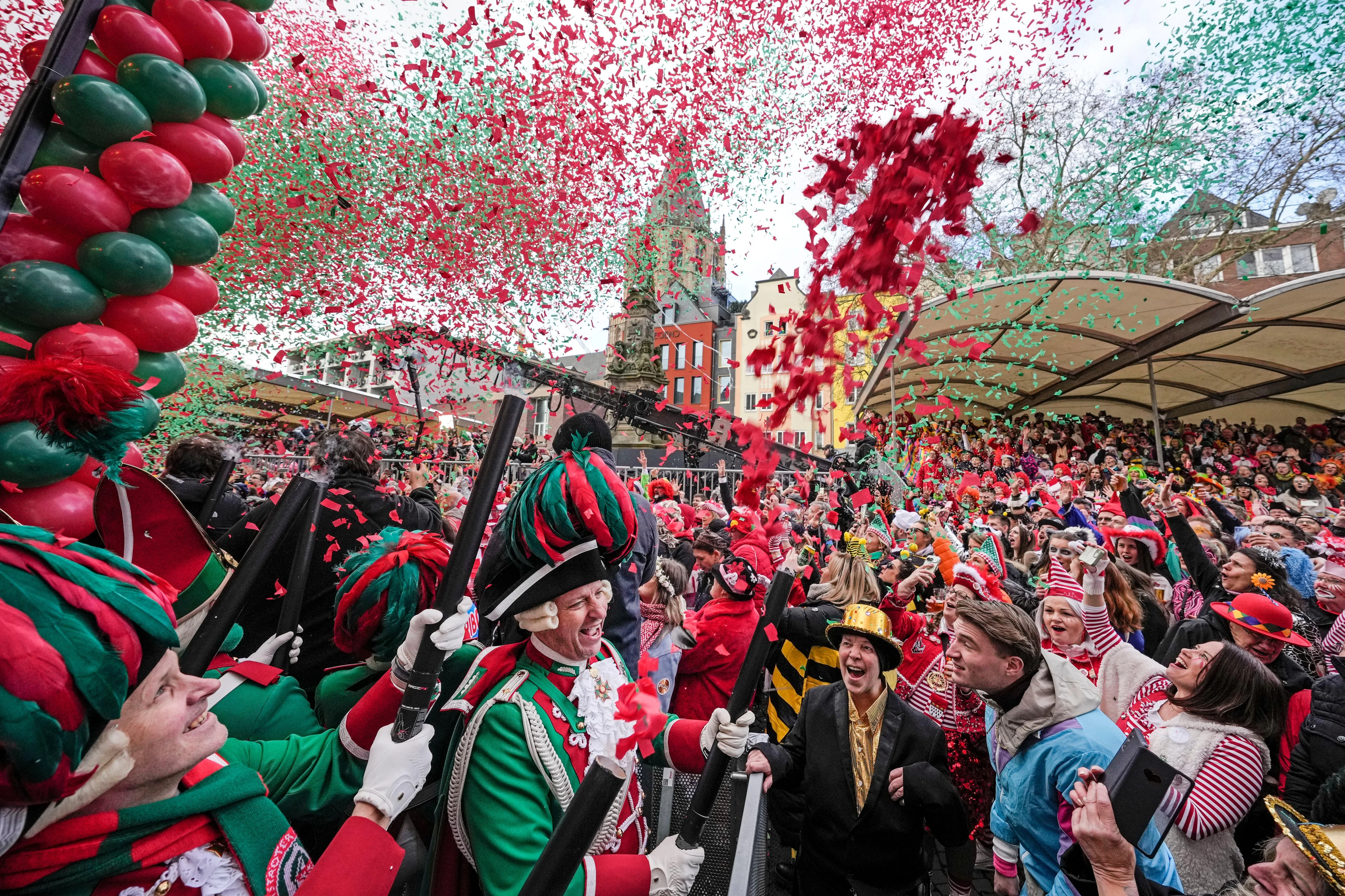
February to early March (season opens November 11 at 17:17)

Karneval

Cologne, Düsseldorf, Mainz

Germany's most joyful and uninhibited celebration — a weeks-long carnival season peaking in February with street parades, elaborate costumes, live music, and a genuine suspension of ordinary rules. The Rhineland cities of Cologne, Düsseldorf, and Mainz host the most celebrated celebrations.

Shopping
titleDecore bar

Shopping in Germany is a blend of quality, authenticity, and practicality. Many souvenirs and brands have deep historical roots, and "Made in Germany" is still considered a true mark of reliability.

Well-Known Brands

Germany has produced some of the world's most recognisable apparel brands, built on a reputation for functional design, durability, and understated style. From global sportswear giants to heritage footwear, German fashion brands are known for quality over trend.

Adidas
Adidas

Global sportswear giant founded in Herzogenaurach, Bavaria in 1949.

Puma
Puma

Sister brand to Adidas, also founded in Herzogenaurach by the other Dassler brother.

Hugo Boss
Hugo Boss

Luxury fashion house headquartered in Metzingen, known for sharp tailoring and premium menswear.

Birkenstock
Birkenstock

Iconic cork-footbed sandal brand with origins dating back to 1774 in Rhineland-Palatinate.

Local Goods & Retail

These souvenirs are generally cultural, durable, and meaningful, rather than purely decorative.

Cuckoo Clock
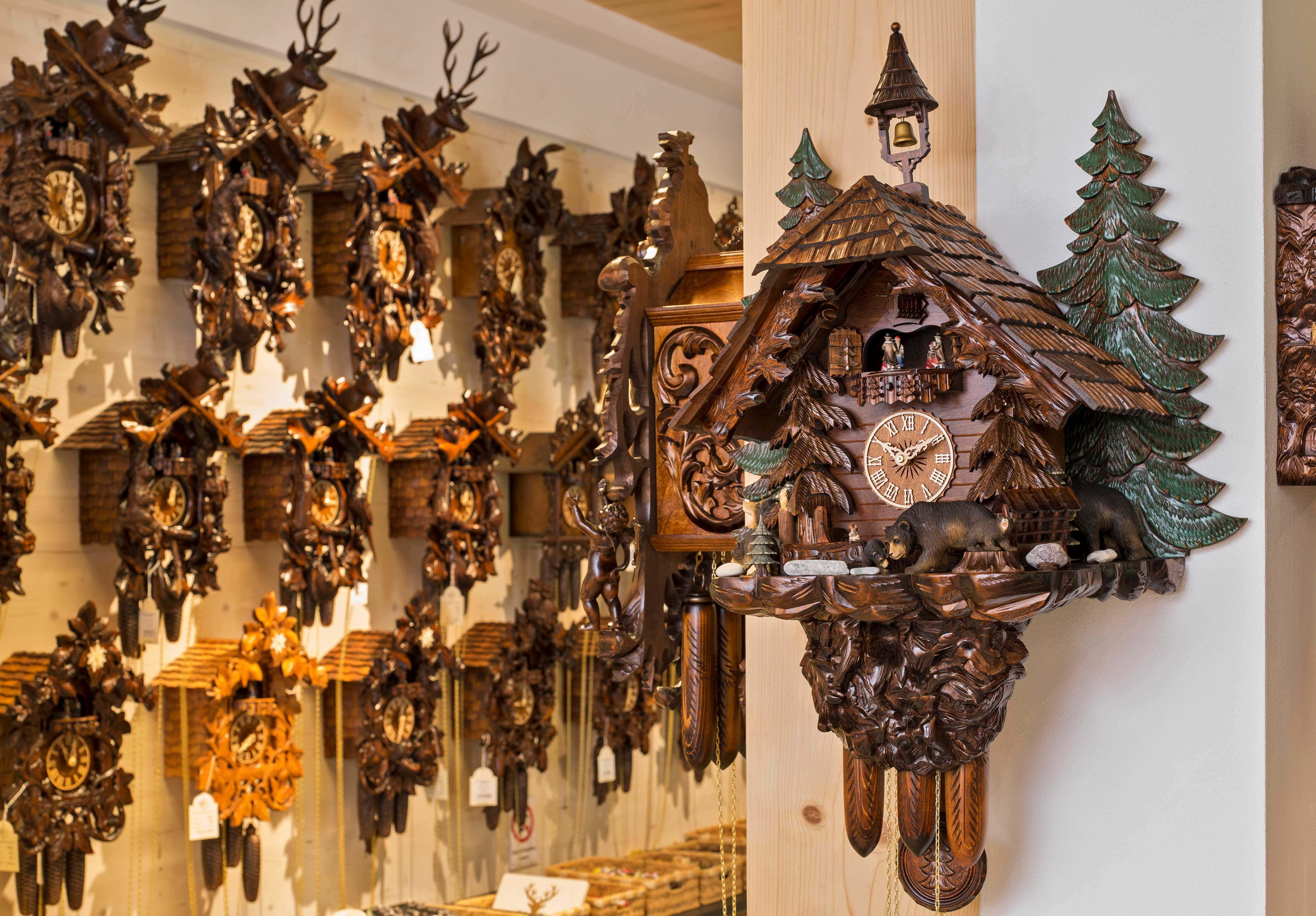
Cuckoo Clock

Black Forest

Traditional handcrafted wooden clock, one of Germany's most iconic exports.

Steiff Teddy Bear
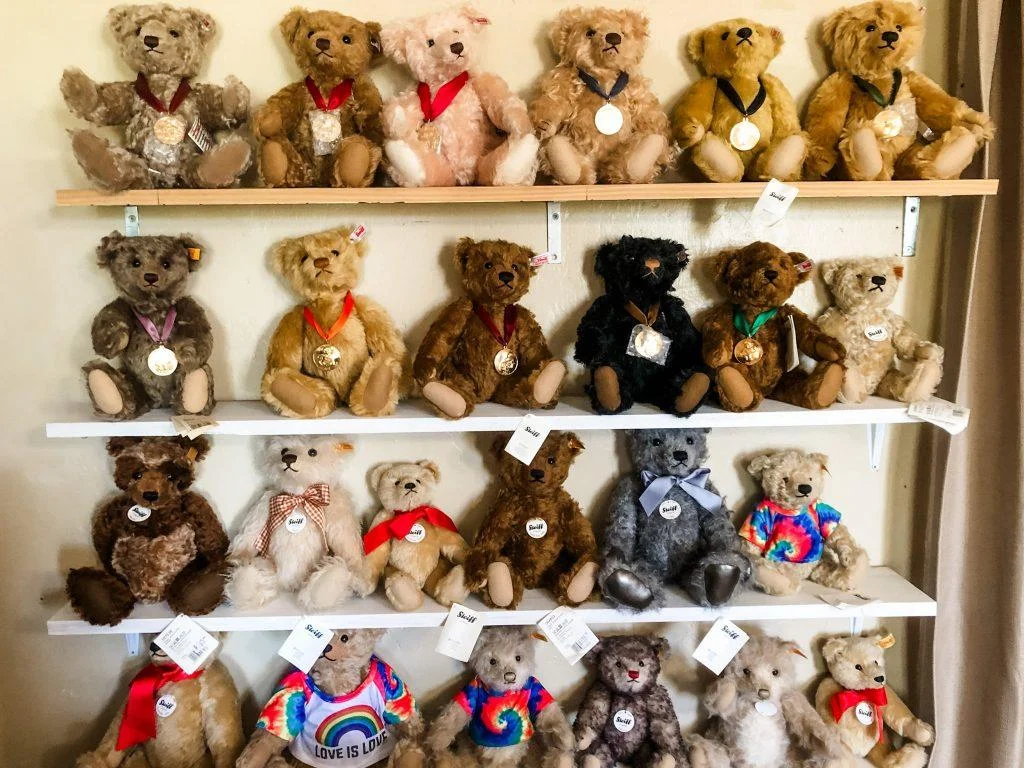
Steiff Teddy Bear

Giengen

World-famous plush toy brand, originating in the small Swabian town of Giengen since 1880.

Haribo Gummy Bears
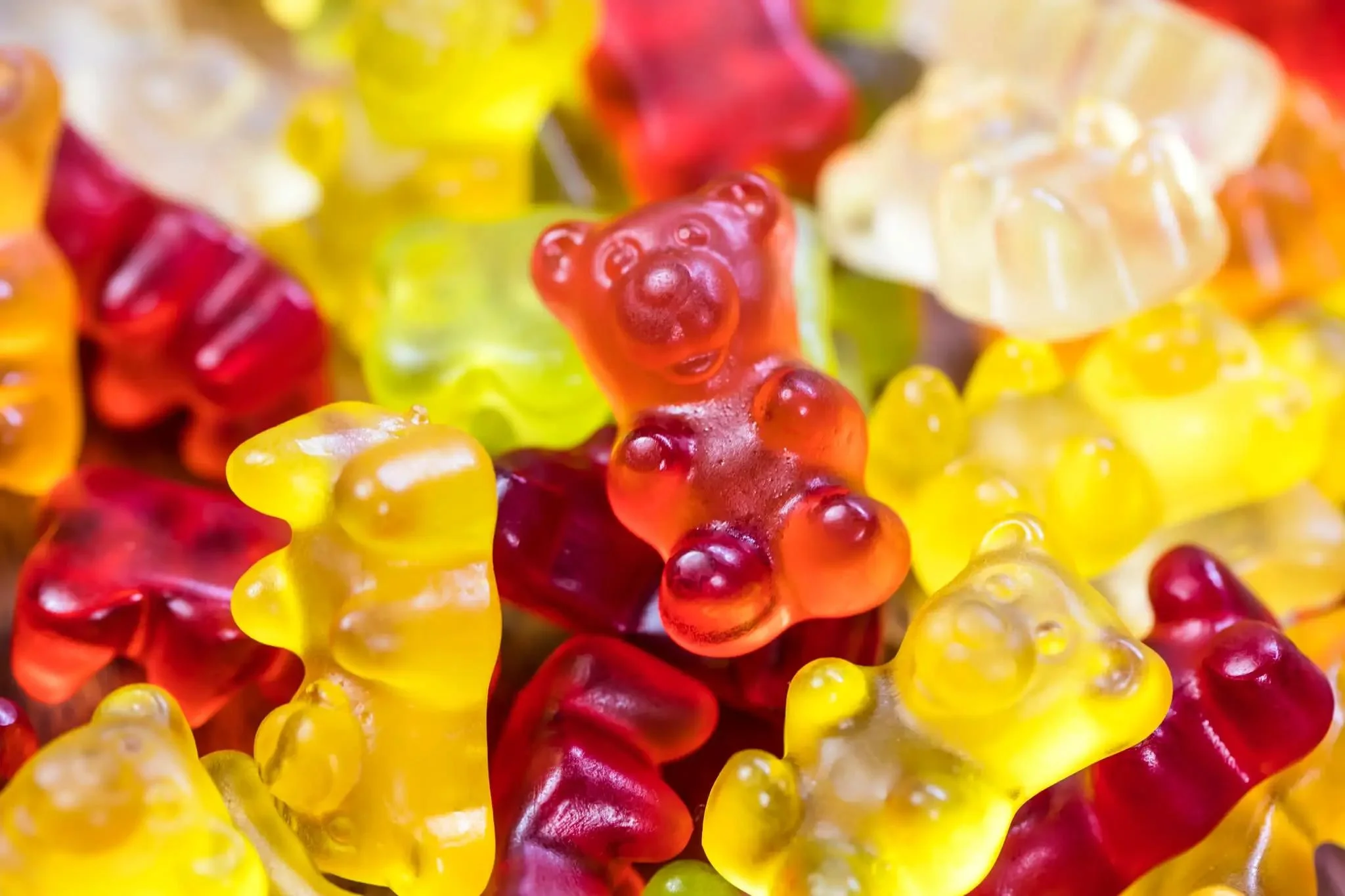
Haribo Gummy Bears

Bonn

The original gummy bear, invented in Bonn in 1922 — widely available and great as a lightweight gift.

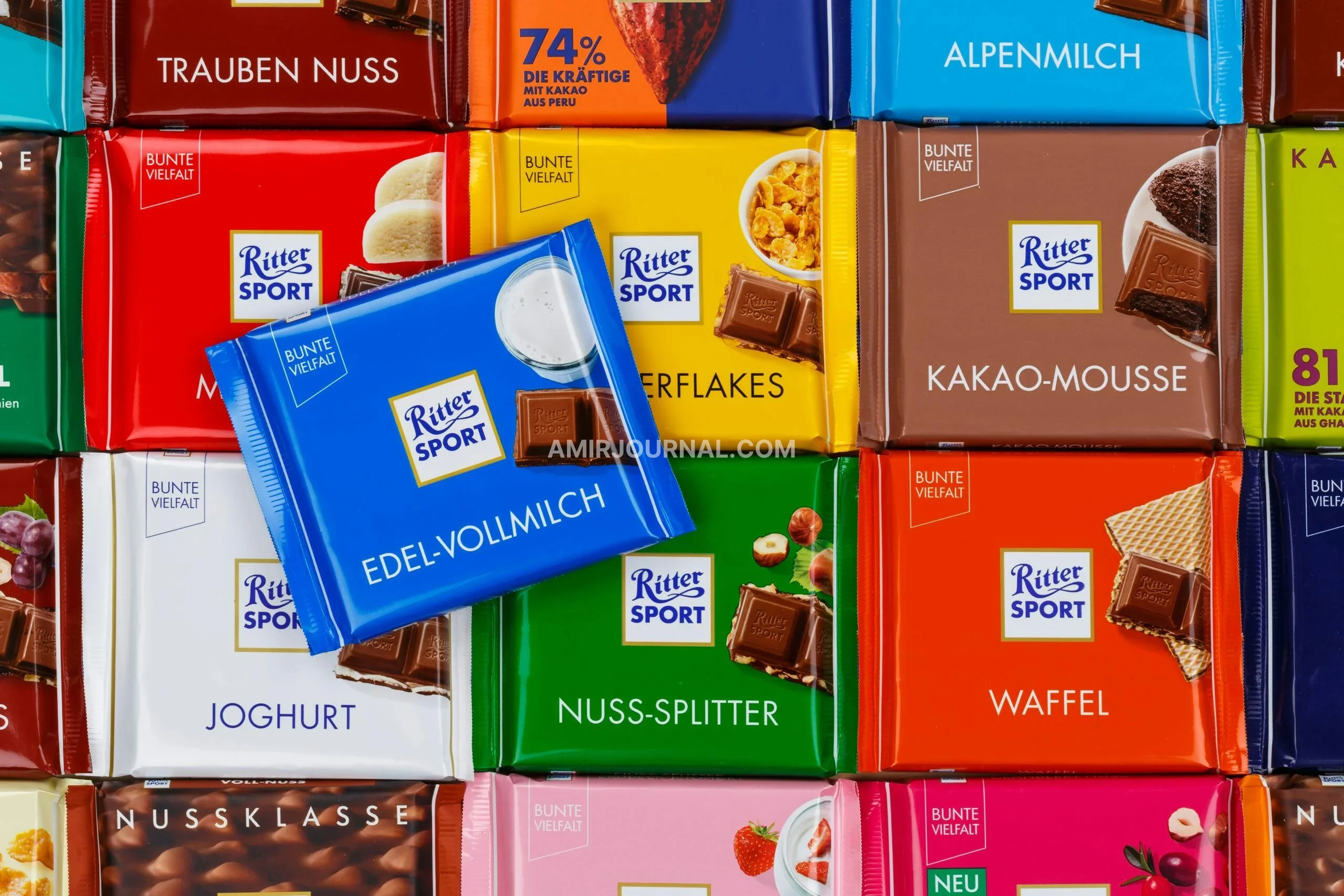
Ritter Sport Chocolate

Waldenbuch

Iconic square chocolate bar, produced in Waldenbuch near Stuttgart since 1932.

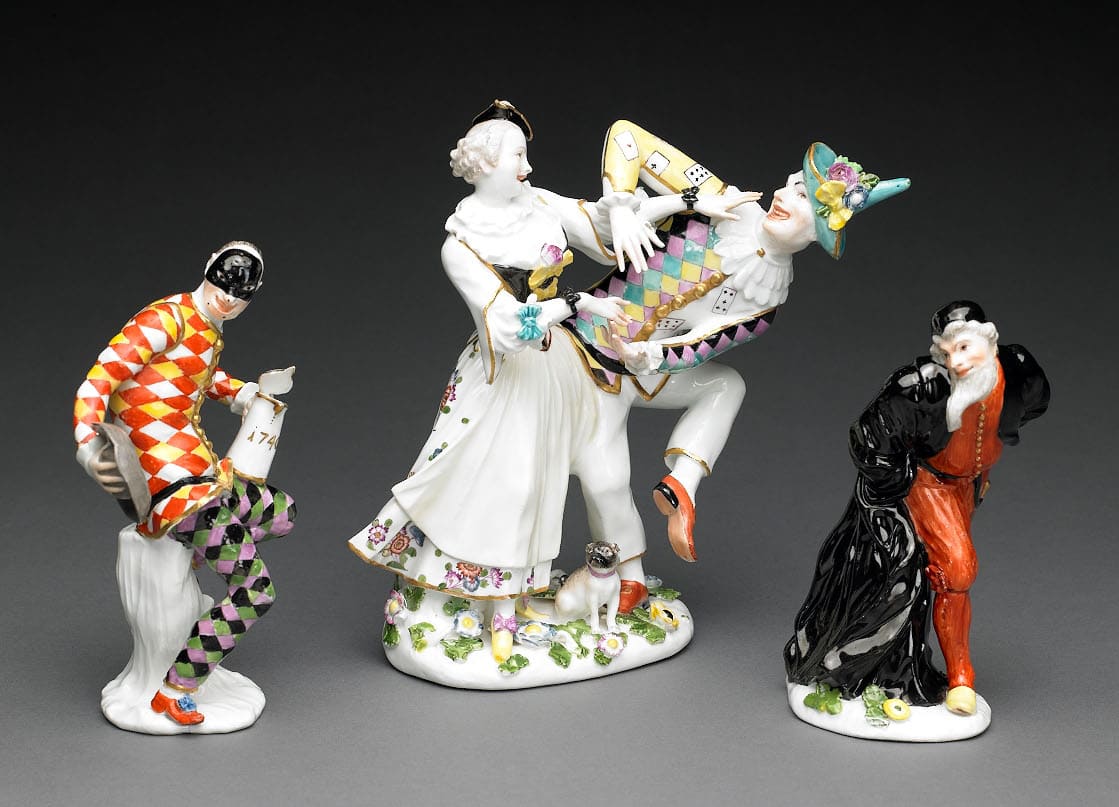
Meissen Porcelain
Meissen Porcelain

Meissen

Europe's oldest porcelain manufactory, producing fine hand-painted pieces since 1710.

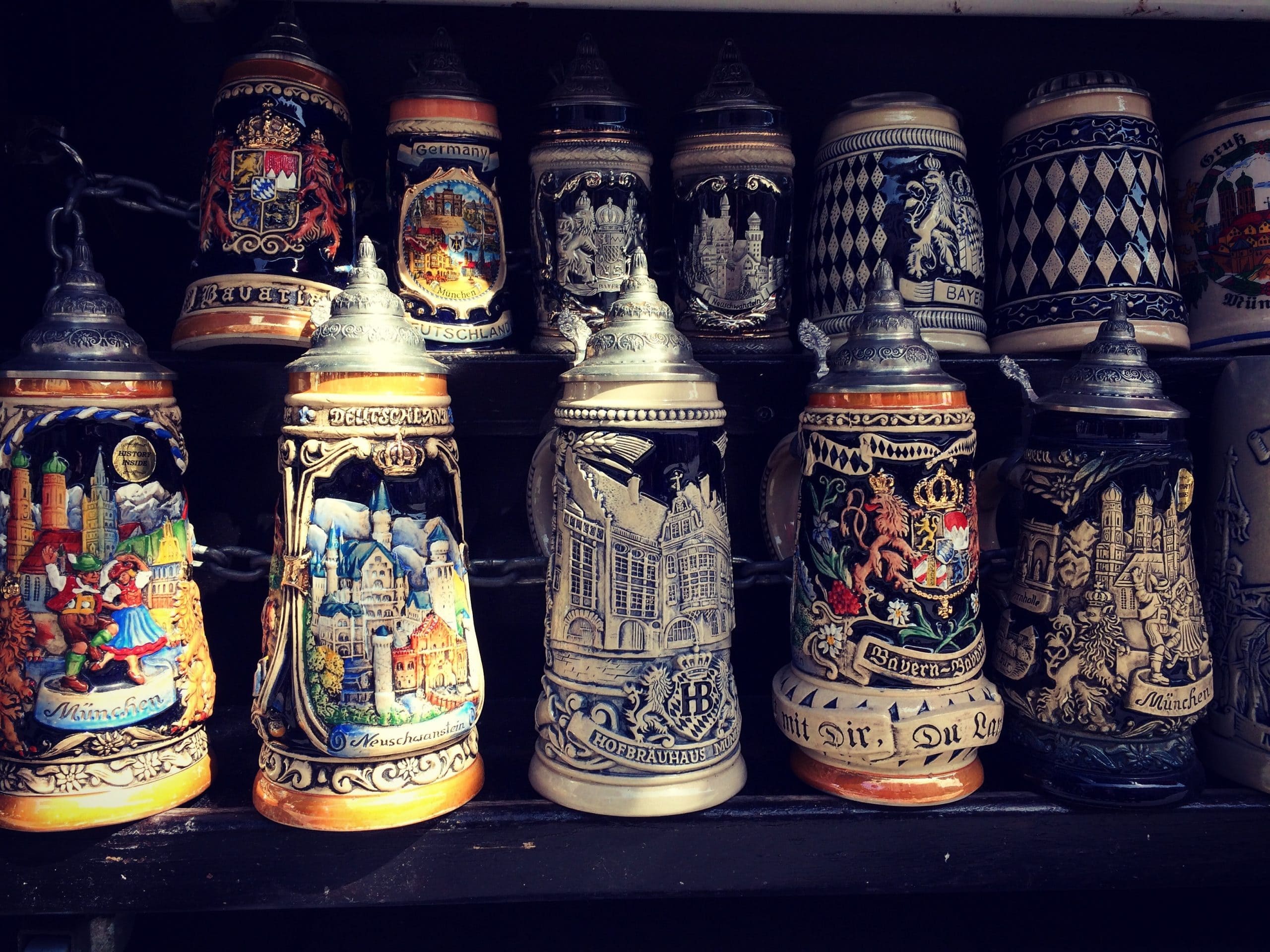
Beer Stein
Beer Stein

Bavaria / Munich

Traditional German beer mug, often decorated with regional motifs — a classic Bavarian keepsake.

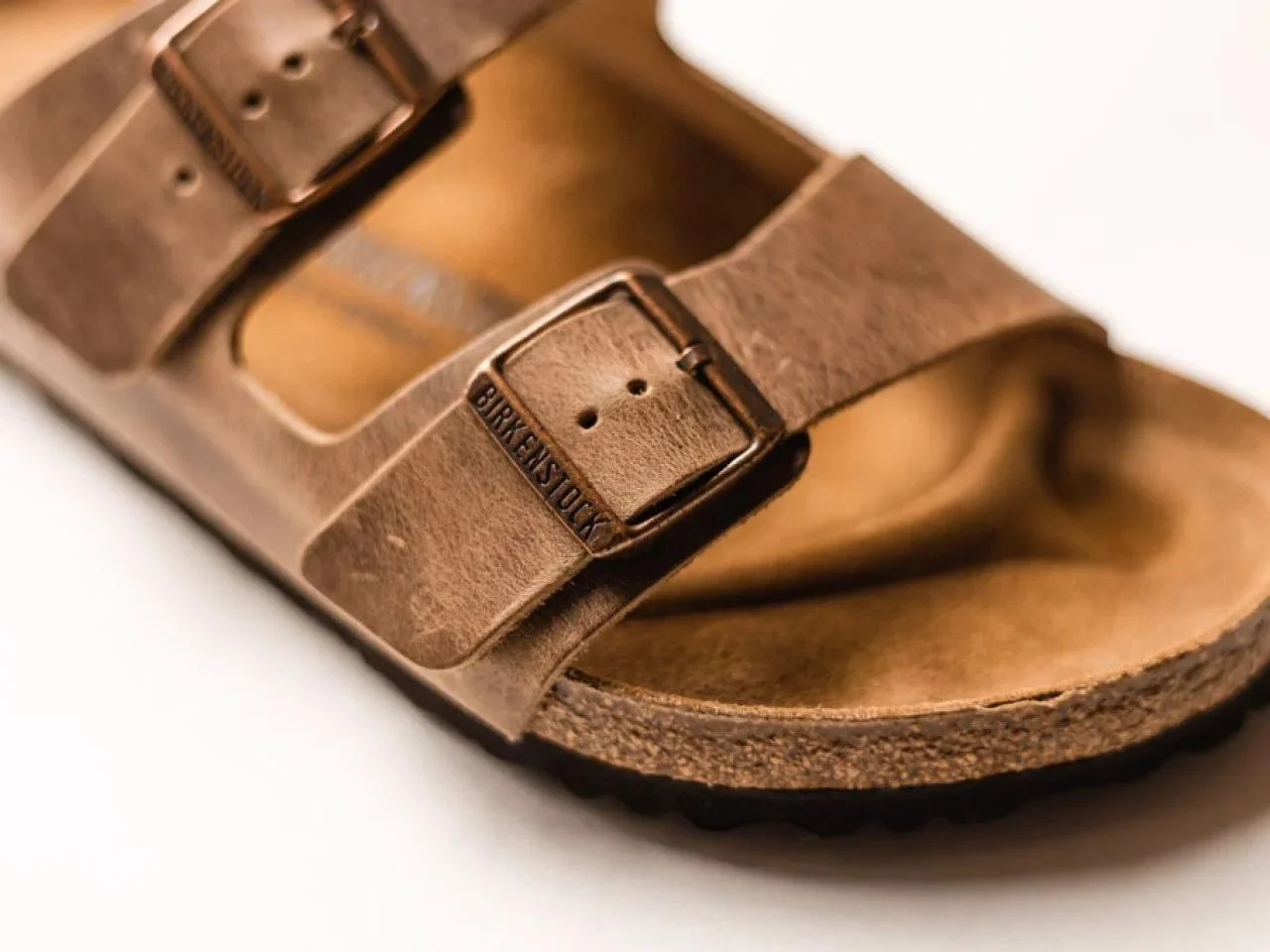
Birkenstock Sandals
Birkenstock Sandals

Rhineland-Palatinate

Functional cork-footbed sandals with roots going back to 1774 — now a global design icon.

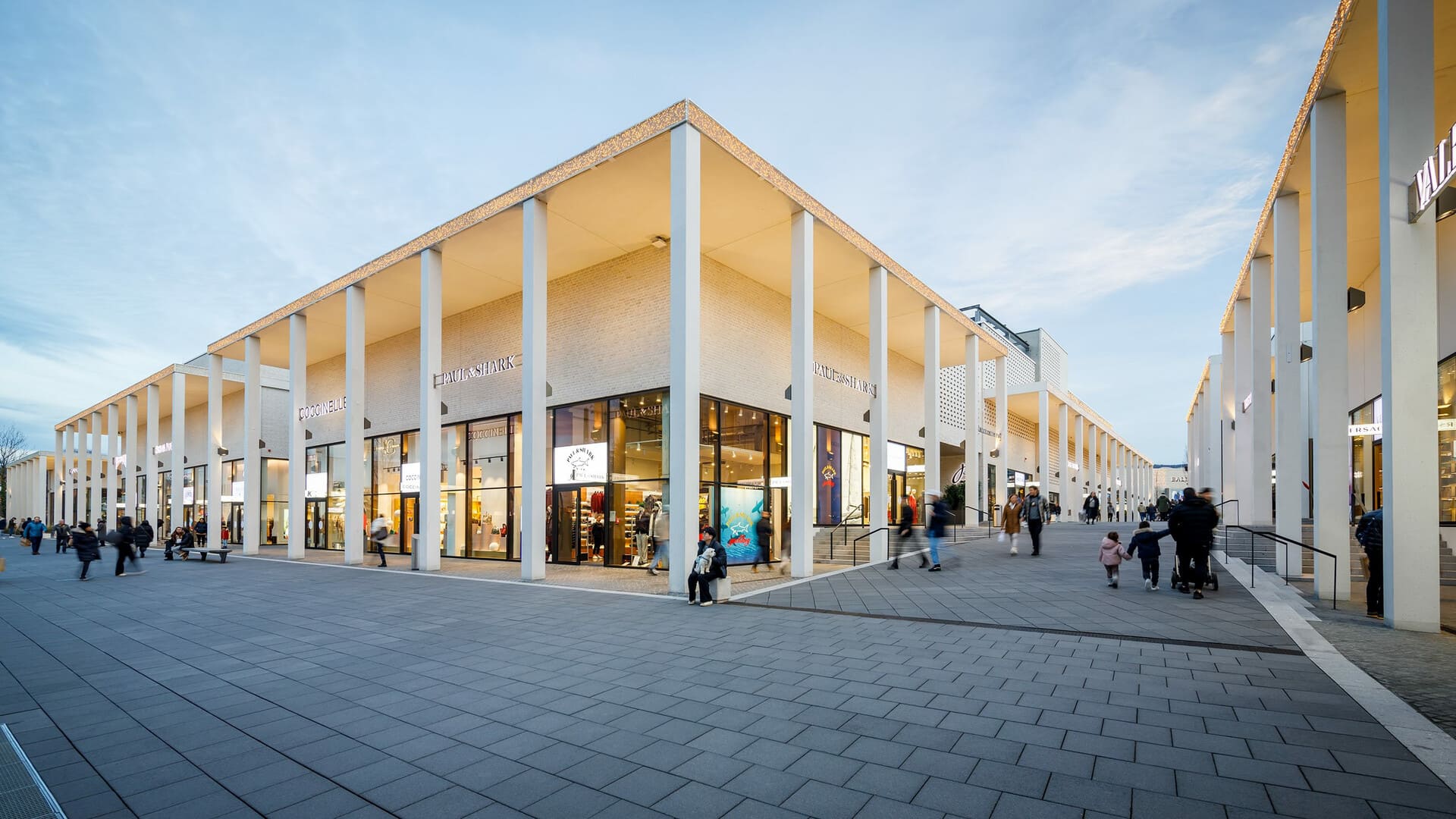
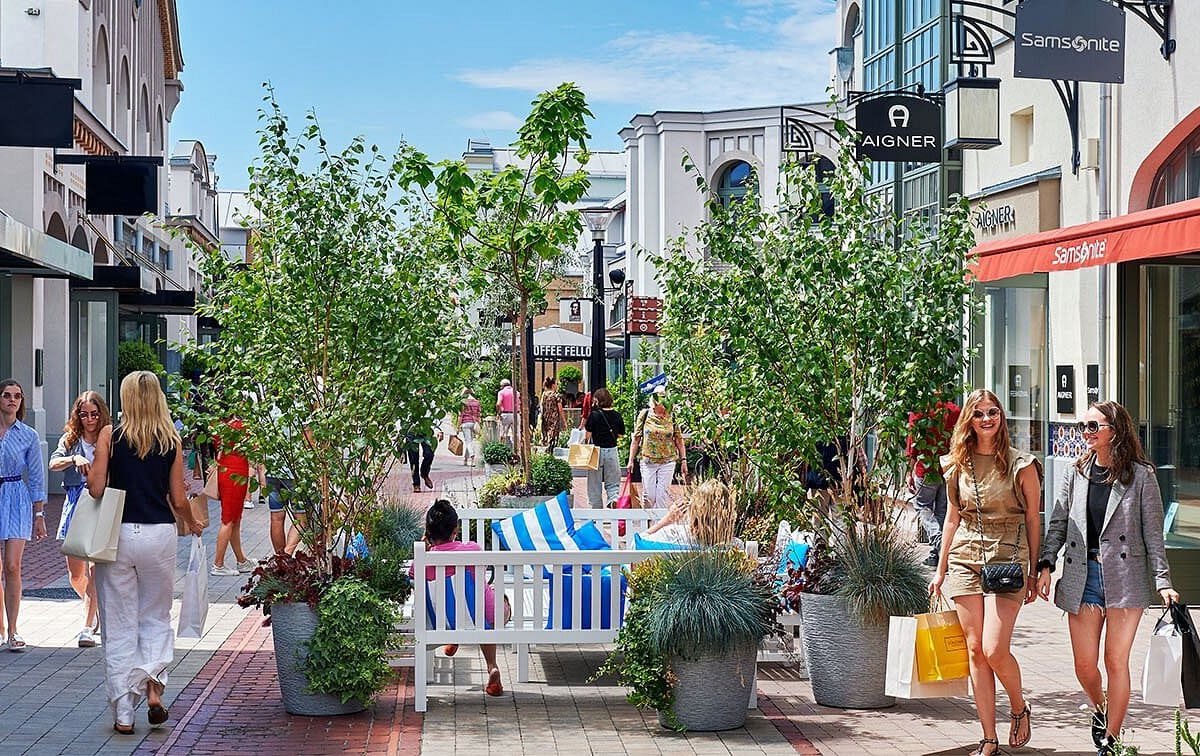
Outlet malls are an excellent option for buying branded goods at better prices — ideal for clothing, footwear, and branded souvenirs.

Outletcity Metzingen

near Stuttgart

Germany's largest designer outlet, home to Hugo Boss, Adidas, Nike, and over 100 other brands.

Wertheim Village
Wertheim Village

near Frankfurt

Open-air luxury outlet village with a curated selection of European fashion and lifestyle brands.

Ingolstadt Village
Ingolstadt Village

near Munich

Elegant outlet village in Bavaria offering premium European brands at discounted prices.

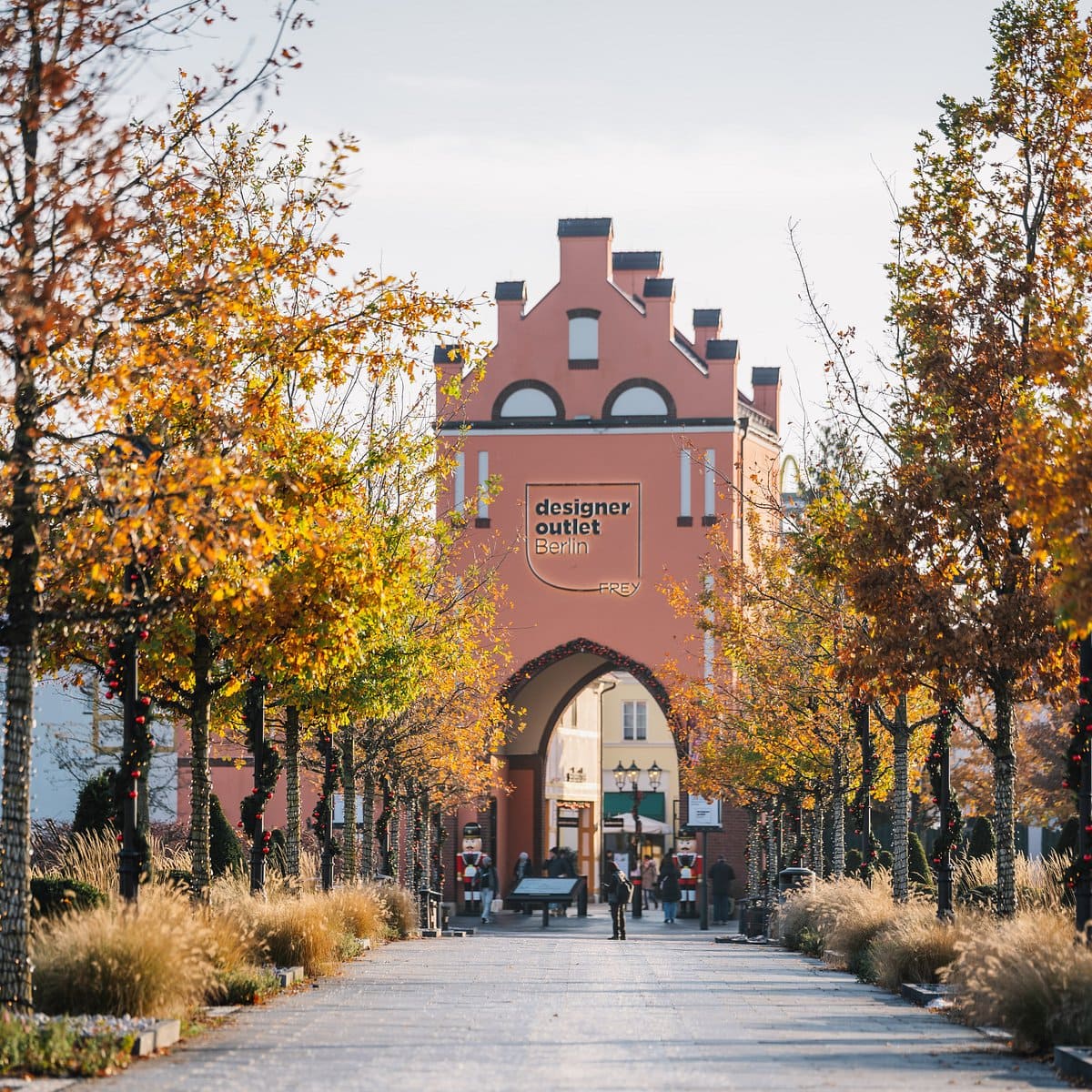
Designer Outlet Berlin

outside Berlin

Large outlet centre on the outskirts of Berlin with a wide range of international fashion brands.

For daily shopping, snacks, and affordable souvenirs — supermarkets are among the best places to buy chocolates, biscuits, coffee, and lightweight gifts.

REWE

Well-balanced supermarket chain offering good quality and a broad selection. Found throughout Germany.

EDEKA

Germany's largest supermarket cooperative, known for high quality and wide variety of local and premium products.

ALDI

Budget-friendly discount chain and a German institution — great for affordable snacks, sweets, and everyday items.

LIDL

Affordable discounter with solid product quality and a rotating selection of special buys.

DM

Popular drugstore chain carrying personal care products, organic goods, and small practical souvenirs.

Rossmann

Widespread drugstore similar to DM — a reliable stop for toiletries, cosmetics, and German health products.

Getting Around & Accommodation
titleDecore bar

Germany offers one of the most efficient...

When to Visit

A seasonal breakdown of Germany to help you choose the best climate and event experiences.

Spring

April to June

One of the best times to visit — cities are alive with blossoming parks, beer gardens reopen, and tourist crowds have not yet peaked. Spring offers a comfortable balance between good weather and manageable visitor numbers.

WEATHER PROFILE

Mild and fresh — 12–22°C. Occasional rain showers, especially in May. Evenings still cool — bring a light jacket.

SEASONAL HIGHLIGHTS

Beer gardens opening across Bavaria. Rhine Valley wildflowers. Easter markets in historic old towns. Start of cycling season along river routes.

Summer

June to August

Peak travel season — long days, warm weather, and the full calendar of festivals and outdoor activities. The busiest and most expensive period, but also the most vibrant.

WEATHER PROFILE

Warm to hot — 20–30°C, occasionally higher. Longest days of the year. Southern Germany can get very warm. North Sea coastal areas remain cooler.

SEASONAL HIGHLIGHTS

Outdoor festivals throughout Germany. Bavarian Alps hiking season. Lake swimming in southern Germany. Christopher Street Day in Berlin and Cologne. Open-air cinemas and concerts.

Autumn

September to October

Arguably the single best travel window — excellent weather, the grape harvest season in the Rhine and Mosel valleys, and the world's most famous festival. Crowds thin after early October, making it ideal for city exploration.

WEATHER PROFILE

Comfortable and stable — 15–22°C in September, cooling to 8–15°C by late October. Clear skies common. Rain increases as November approaches.

SEASONAL HIGHLIGHTS

Oktoberfest in Munich (late September to early October). Wine harvest festivals along the Rhine. Foliage season in forested regions. Romantic Road at its most photogenic.

Winter

November to February

A season of two distinct atmospheres — the magical Christmas market period (late November through December) followed by the quieter, colder months of January and February. Ideal for city-focused cultural travel, museums, and thermal spas.

WEATHER PROFILE

Cold — 0–8°C in most regions, below freezing in higher elevations. Snow in the Alps and occasionally in southern cities. Short daylight hours. Indoor culture thrives.

SEASONAL HIGHLIGHTS

Christmas markets from late November across all major cities — Nuremberg, Cologne, and Rothenburg are the most celebrated. Karneval season begins November 11. Alpine skiing from December in the Bavarian Alps.

Germany's rail network is among the best in the world — fast, punctual, and extensive. Operated by Deutsche Bahn (DB), the ICE high-speed trains connect all major cities at speeds of up to 300 km/h. Regional trains serve smaller towns and rural areas, making it possible to reach almost any destination without a car.

Best for:

Comfortable, stress-free, and cultural travel. The top choice for most visitors.

  • Operated by Deutsche Bahn (DB) — book tickets via the DB Navigator app or website.
  • ICE high-speed trains connect Berlin, Munich, Frankfurt, Hamburg, and Cologne.
  • Regional trains (RE/RB) serve smaller towns — included in many local day passes.
  • No need for a car in most city-to-city travel.
  • Book in advance for best prices — last-minute tickets are significantly more expensive.

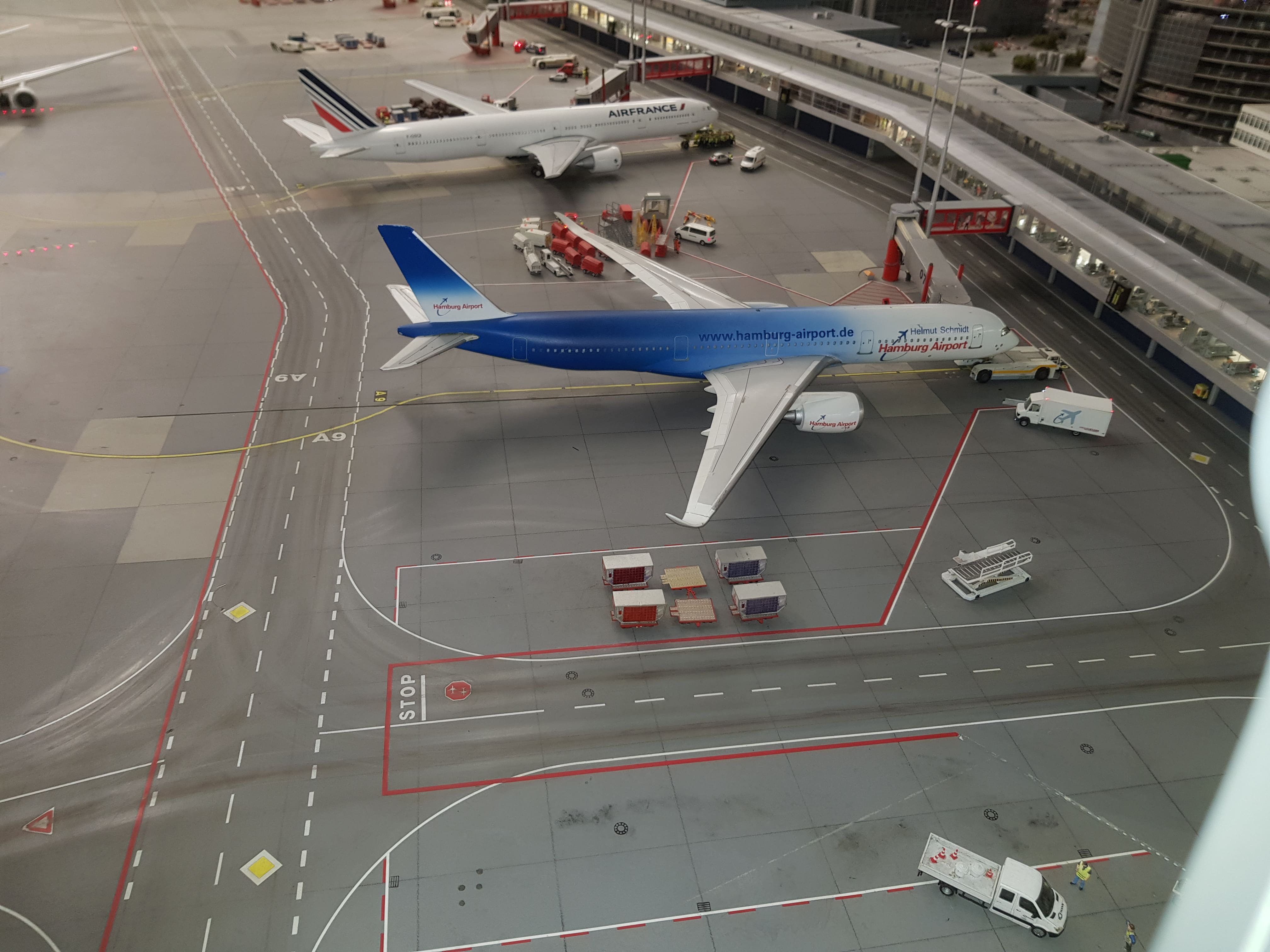
Germany is one of Europe's major aviation hubs. Frankfurt and Munich airports are among the continent's busiest, offering frequent connections to Europe, the Middle East, Asia, and North America. Domestic flights exist but are rarely necessary given the quality of the rail network.

Best for:

International travel and main entry and exit points into Germany.

  • Frankfurt Airport is Germany's largest international hub — direct flights to over 300 destinations worldwide.
  • Domestic flights are available but rarely worth it — rail is faster city-centre to city-centre.
  • All major airports have direct rail connections into their city centres.

MAJOR CARRIERS

Lufthansa

Germany's national flag carrier — extensive global coverage and high service standards. Hub at Frankfurt and Munich.

Eurowings

Lufthansa Group's budget-friendly option — good coverage across European routes at lower prices.

Ryanair / EasyJet

Low-cost carriers serving secondary German airports — useful for budget European connections.

German airports are modern, efficient, and extremely well connected to their city centres by train, metro, and bus. Wayfinding is clear and multilingual. Most airports have luggage storage, direct rail platforms, and reliable ground transport within walking distance of arrivals.

Best for:

First arrivals, international connections, and onward travel into the rail network.

  • All major airports have a direct train connection to the city centre — journey times range from 10 to 45 minutes.
  • Airport trains run frequently — no need to pre-book for standard regional connections.
  • Taxis and rideshares are available at all airports but are significantly more expensive than rail.

MAJOR AIRPORTS

Frankfurt Airport (FRA)

Germany's largest international hub — direct ICE train connections to Frankfurt city centre in 11 minutes and to other major cities.

Munich Airport (MUC)

Highly modern and consistently rated among Europe's best — S-Bahn connects to Munich city centre in 40 minutes.

Berlin Brandenburg Airport (BER)

The capital's main airport — S-Bahn and regional trains connect to central Berlin in 30 minutes.

Düsseldorf Airport (DUS)

Key gateway for western Germany and the Rhine-Ruhr region — direct rail connection to the main station in 13 minutes.

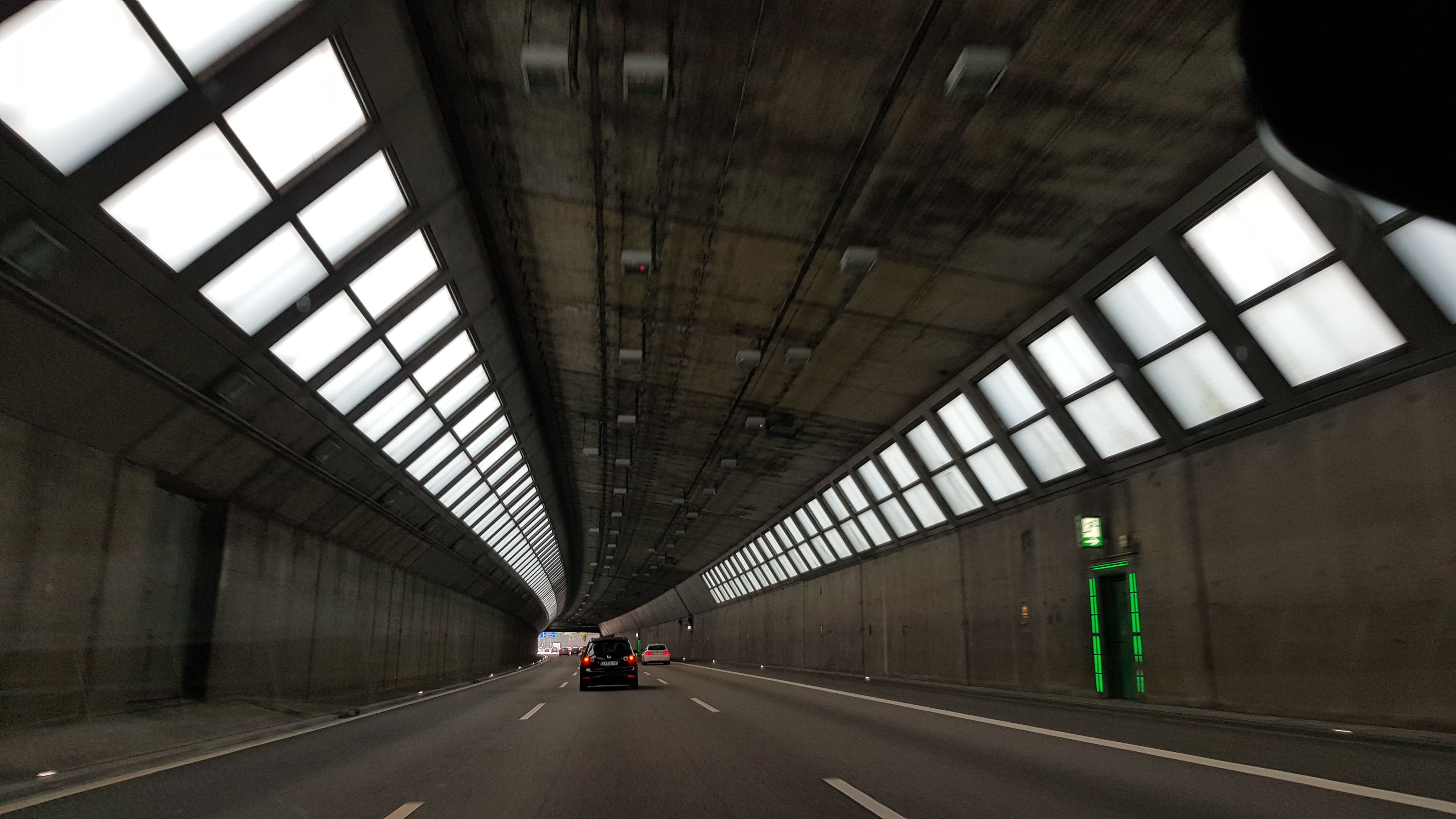
Germany's road infrastructure is world-class. The famous Autobahn network connects all major cities and regions, with some sections having no permanent speed limit. Secondary roads are excellent and well maintained — making Germany one of the most rewarding countries in Europe for a road trip.

Best for:

Nature-focused travel, flexibility, rural exploration, and scenic road trips.

  • The Autobahn is not always unlimited — large sections near cities and roadworks zones have enforced speed limits.
  • Traffic laws are strictly enforced — fines are immediate and high. Overtaking is only permitted from the left.
  • Parking in city centres is limited — use multi-storey car parks (Parkhaus) rather than street parking.
  • An international driving licence may be required for non-EU licence holders — check before you travel.
  • Car hire is widely available at all major airports and city centres — book in advance for best rates.

Ideal Trip Duration

5–7 days

Air Travel — City-Focused

The classic first-time Germany trip. Fly into one major hub and focus on 2–3 cities, using short rail connections between them. Ideal for visitors who want cultural highlights, museums, and historic districts without extensive travel time.

  • Visit 2–3 major cities — e.g. Berlin + Munich, or Frankfurt + Cologne + Hamburg.
  • Focus on culture, museums, historic districts, and city food scenes.
  • Short ICE rail connections between cities (e.g. Frankfurt–Cologne is 1 hour).
  • Ideal for first-time visitors or short business-leisure trips.

7–10 days

Train Travel — Rail Trip

The most comfortable and rewarding way to see Germany in depth. The rail network connects every major destination efficiently — no driving, no parking, no navigation stress. Ideal for relaxed, cultural, and city-based travel with easy flexibility to add or change stops.

  • Visit 3–5 cities — fast, comfortable, and well-organised connections throughout.
  • No driving, no parking, no navigation — arrive directly at city centre stations.
  • Consider a Deutsche Bahn rail pass for multi-city flexibility.
  • Ideal for relaxed, cultural, and city-based travel at a comfortable pace.

10–14 days

Road Trip — By Car

The deepest and most flexible way to experience Germany. A road trip opens up the countryside, small towns, and scenic routes that rail simply cannot reach. Germany's established touring routes — the Romantic Road, the German Alpine Road, the Rhine Valley — are all best experienced by car.

  • Combination of major cities, natural landscapes, and traditional villages.
  • Famous routes: Romantic Road (Würzburg to Füssen), German Alpine Road (Lindau to Berchtesgaden).
  • Flexible stops in small towns and rural areas that rail does not serve.
  • A deeper and more authentic experience of German regional life and landscape.
Practical Travel Tips
titleDecore bar

Germany is built on three core principles — law, order, and trust. Understanding and respecting these will make your trip one of the safest, easiest, and most predictable travel experiences in Europe. This section covers everything you need to know before and during your visit.

Emergency Numbers

Police

110

Ambulance / Fire

112

English support widely available on 112

Emergency operators in Germany generally speak English. 112 is also the pan-European emergency number and works from any mobile phone across the EU.

Electricity & Plugs

Voltage & Frequency

230V • 50Hz

Plug Types

Type C, Type F
Adapter needed for: UK, US, Iran, UAE

Travelers from the UK, US, Iran, and UAE need a plug adapter. Devices rated only for 110V require a voltage converter to avoid damage. Hotels rarely provide adapters. A universal travel adapter is the best option.

Germany is one of the safest countries in Europe for travellers. Clear laws, strong law enforcement, and a high level of social order create a strong sense of security throughout the country.
Overall Safety

Low rates of violent crime make Germany a very safe destination for solo and family travellers alike.

Effective police presence is visible across cities and public spaces.

There is a high respect for the rule of law — rules are followed even when no one is looking.

Cities & Public Areas

Walking in most urban areas is safe, even late at night.

Tourist and city-centre areas are well lit and monitored.

In crowded areas, exercise basic caution against minor pickpocketing.

Public Transportation

Trains, metros, and buses are safe, reliable, and well organised.

Stations are equipped with cameras and security staff.

Night travel on public transport is generally safe.

Road Safety

Traffic laws are strictly enforced — fines are high and immediate.

Roads and Autobahns are high quality and well maintained.

Drivers generally follow traffic rules — aggressive or erratic driving is unusual.

Healthcare

Germany has a highly advanced and accessible healthcare system.

Hospitals and emergency services are modern and professional.

Travel insurance is strongly recommended — medical costs without it are very high.

Travel insurance is essential for any visit to Germany.
General Safety Tips

Keep an eye on personal belongings in crowded places and tourist areas.

Carry both digital and physical copies of important documents.

Follow local laws — especially traffic and transport rules. "No one is watching" is never a valid excuse in Germany.

Pay attention to signs and official instructions — they are there for a reason.

Despite its modern image, Germany remains more cash-reliant than most Western European countries. Being prepared with cash will save you from awkward situations.

Not all places accept cards — small cafés, bakeries, and local restaurants may be cash only.

Always carry some cash with you.

Tipping is customary but modest — typically 5–10% or simply rounding up the bill. Large tips are unnecessary and can feel awkward.

ATMs (Geldautomaten) are widely available in cities and towns. Look for those belonging to major banks to avoid high withdrawal fees.

Credit and debit cards are increasingly accepted in larger shops and restaurants, but never assume — always check before ordering.

Germany has one of the most comprehensive and efficient public transport networks in Europe — but it comes with rules that are taken seriously.
Public Transport Rules

Always buy your ticket before boarding — most systems have no gates, but random inspections are common.

Fine for travelling without a valid ticket is approximately €60 — paid on the spot.

No ticket = €60 fine. No exceptions.

Validate your ticket if required — some systems need you to stamp/validate before boarding even if you have a paper ticket.

Useful apps: DB Navigator for trains and long-distance travel; BVG (Berlin), MVV (Munich), HVV (Hamburg) for local city transport.

Driving & Roads

The Autobahn is not always unlimited speed — large sections have speed limits, especially near cities and in roadworks zones.

Overtaking is only permitted from the left — undertaking on the right is illegal and carries heavy fines.

Maintaining a safe following distance is mandatory and enforced — tailgating is a serious offence.

Aggressive driving leads to heavy fines and can result in licence suspension.

Mobile internet in Germany is reliable in cities but can be patchy in rural areas. Prepaid SIM cards and eSIMs are the most convenient options for travellers.
SIM Cards & Mobile Internet

Prepaid SIM cards are available at airports, phone shops, and some supermarkets. Activation requires a passport and sometimes a video identification process.

See the SIM operator comparison above — Telekom offers the best rural coverage, O2 is the most budget-friendly in cities.

Wi-Fi

Free Wi-Fi exists in many cafés, hotels, and public spaces, but it can be slow and registration is often required.

Do not rely fully on public Wi-Fi — mobile data is more reliable and faster for navigation, maps, and translation.

Mobile Operators
Telekom

Best nationwide coverage — including rural and Alpine areas — but more expensive than alternatives.

Premium
Vodafone

Good balance of coverage and price — reliable in cities and most intercity routes.

Mid-range
O2

Cheapest option with solid coverage in cities. Less reliable in rural areas.

Budget
Many travellers choose eSIMs to avoid the hassle of a physical SIM.

eSIMs from providers like Airalo or Holafly are a popular and convenient option — activate before you travel.

Germany uses the standard European plug system. Most travellers from outside Europe will need an adapter, and those from 110V countries may also need a voltage converter.

Voltage is 230V at 50Hz — travellers from 110V countries (USA, Canada, Japan) must check whether their devices support dual voltage before plugging in.

Plug types are Type C (round two-pin) and Type F (round two-pin with grounding clips) — the same as most of continental Europe.

Travellers from the UK, US, Iran, and UAE need a plug adapter. Hotels rarely provide them.

A universal travel adapter is the safest and most practical solution.

110V devices used without a converter may be permanently damaged — check the small print on your charger or device label.

Everyday life in Germany follows a distinct rhythm — structured, predictable, and punctual. Understanding a few local norms will help you fit in and avoid unnecessary friction.
Order & Punctuality

Punctuality matters deeply — even a few minutes late is noticeable and considered disrespectful in professional or social settings.

Queues, personal space, and rules are respected by almost everyone — cutting in line or ignoring queues will attract instant disapproval.
Rules are followed even when no one is watching — this is a cultural norm, not just a legal one.

Sundays & Shop Hours

Most shops are closed on Sundays — only airports, major train stations, and some petrol stations remain open.

Plan your shopping in advance — Sunday closures are strict.

Shops also close relatively early on weekdays — many close between 6–8 PM. Smaller towns close even earlier.

Do your shopping during the day.
Quiet Hours (Ruhezeit)

Noise is restricted after 10:00 PM — this applies in hotels, apartments, and residential areas. Neighbours do complain and authorities do respond.

Keep noise to a minimum after 10 PM — everywhere.

Sundays are also quiet days throughout the day — avoid loud activity, drilling, or disruptive noise even during daylight hours.

Recycling & Waste

Waste is strictly separated into categories: paper, plastic, glass, organic waste, and residual waste. Bins are colour-coded.

Incorrect disposal earns strong public disapproval — and in some buildings, formal complaints.

Most bottles carry a Pfand (deposit) — return them at supermarket machines to get your money back. Locals almost always do.

Bike Culture

Bike lanes are strictly for cyclists — never stand, walk, or stop in them.

Blocking a bike lane triggers instant public disapproval.
In cities, cyclists move fast and have right of way in their lanes — look carefully before stepping off a kerb.
Bakeries & Food Culture

Bakeries are central to daily life — fresh bread, pretzels, and pastries are available from early morning and are affordable.

Try local breads — Germany has over 300 varieties.

Tap water is safe to drink everywhere in Germany. In restaurants, bottled water is served by default — you can politely ask for tap water: "Leitungswasser, bitte?"

Health

Germany has a highly advanced healthcare system — hospitals and emergency services are modern, professional, and widely available.

Basic medicines (pain relief, cold medicine, antihistamines) are available without a prescription from pharmacies (Apotheke).

Stronger medication requires a doctor's prescription — pharmacies will not dispense controlled medicines without one.

Travel insurance is essential — medical costs without coverage are very high, even for minor treatments.

Do not travel to Germany without travel insurance.

EU citizens with a valid European Health Insurance Card (EHIC) have access to state healthcare on the same terms as German residents.

A collection of smaller but important tips that will help your trip feel smoother, calmer, and more local.
Planning & Preparation

Book trains, popular restaurants, and museum time slots in advance — last-minute plans often fail due to full bookings.

Preparation equals comfort in Germany.

Keep tickets and receipts until the end of each activity — ticket checks can happen at any time, and receipts may be needed for refunds or venue exits.

Carry a reusable bag — locals almost always do, and single-use plastic bags often cost extra or are unavailable.

Communication & Culture

Germans are direct and honest in communication — directness is not rudeness, it is efficiency. Small talk is less common than in other cultures.

Respect earns respect — calm, courteous behaviour is noticed and appreciated. Loud or erratic public behaviour is not.

Avoid jokes about sensitive historical topics, particularly Nazism and WWII — this is taken very seriously and can cause genuine offence.

Do not cross the street on a red pedestrian light — even when there is no traffic. It is a social norm as much as a legal rule, and locals will react visibly.

Public Toilets

Public toilets often cost €0.50–€1.00 and are frequently cash-only.

Carry small coins — public toilets almost always require payment.

Hotel rooms in Germany tend to be practical and efficient rather than spacious or luxurious. Cleanliness and order are guaranteed; grandeur is not.

Expect efficiency — check-in procedures, key systems, and room layouts are functional above all else.

Weather & Packing

Weather in Germany changes quickly — sudden rain is common even in summer. Always carry a light jacket or a compact umbrella.

Comfortable walking shoes are essential — German cities are best explored on foot, and distances between sights can be significant.

Dress practically rather than fashionably — functional, clean clothing is the local norm. Function over fashion.

Personal Space & Behaviour

Keep quiet in public transport — loud phone calls or music without headphones attracts disapproval.

Maintain distance in queues — personal space is taken seriously. Standing too close is considered intrusive.

Calm, quiet presence earns instant respect.