
Discover Miniatur Wunderland in Hamburg, the world's largest model railway exhibition. Experience incredible craftsmanship, advanced technology, and miniature worlds that bring countries, cities, and landscapes to life.
Miniatur Wunderland - Hamburg
A Journey Through a Small World — and a Reflection on Our Own
A train quietly emerges from a tunnel, crosses a bridge, and disappears among snow-covered mountains. Nearby, headlights move through city streets, an aircraft waits beside a glowing runway, and thousands of tiny windows begin to shine as evening settles over the landscape.
For a moment, the room feels suspended between reality and imagination.
In the heart of Hamburg’s historic Speicherstadt, Miniatur Wunderland brings countries, landscapes, and moments of everyday life together in one small universe. It holds the title of the world’s largest model railway, yet its true wonder lives in the stories hidden within its smallest details.
The Story
Miniatur Wunderland opened in August 2001, created by twin brothers Frederik and Gerrit Braun together with Stephan Hertz. Their original idea gradually grew from a model railway into an evolving portrait of the world, shaped by engineering, craftsmanship, humour, and careful observation of human life.
Today, the exhibition covers 1,694 square metres and contains more than 16 kilometres of railway track, 1,231 trains, over 12,000 railway cars, around 292,000 miniature figures, and more than 521,000 LED lights. Fifty-nine computers coordinate the movement of trains, vehicles, lights, and thousands of individual scenes.
These numbers reveal the immense scale of the project, while the experience itself begins in its quieter moments.
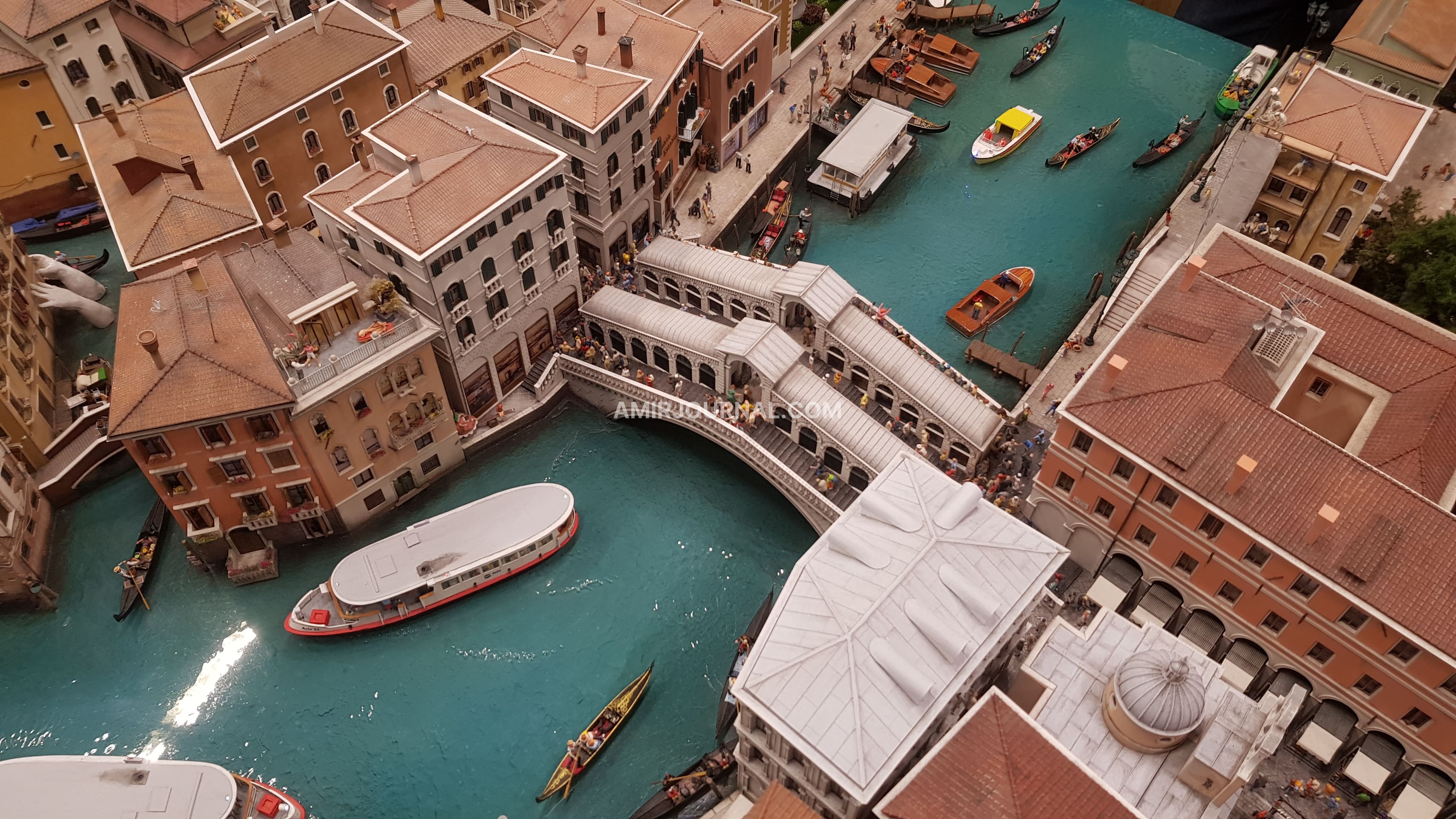
Passengers wait beneath station clocks. Couples sit beside rivers, workers repair roads, firefighters respond to emergencies, and families gather in parks. Celebrations unfold in town squares, while a few streets away, everyday life continues at its familiar rhythm.
Every miniature figure seems to carry a story.
The landscapes extend from Hamburg and central Germany to Austria, Switzerland, Scandinavia, Italy, Monaco, Rio de Janeiro, and Patagonia. Each region carries its own colours, architecture, atmosphere, and cultural identity. Alpine villages rest beneath high mountains, Scandinavian ships cross real water, Rio’s beaches glow with energy, and the blue ice of Patagonia falls into the sea.
The transition from day to night transforms the mood of the entire exhibition. The room gradually darkens, windows begin to glow, streets fill with coloured lights, and railway stations take on the quiet atmosphere of an evening journey. A few minutes later, morning returns and the miniature world awakens again.
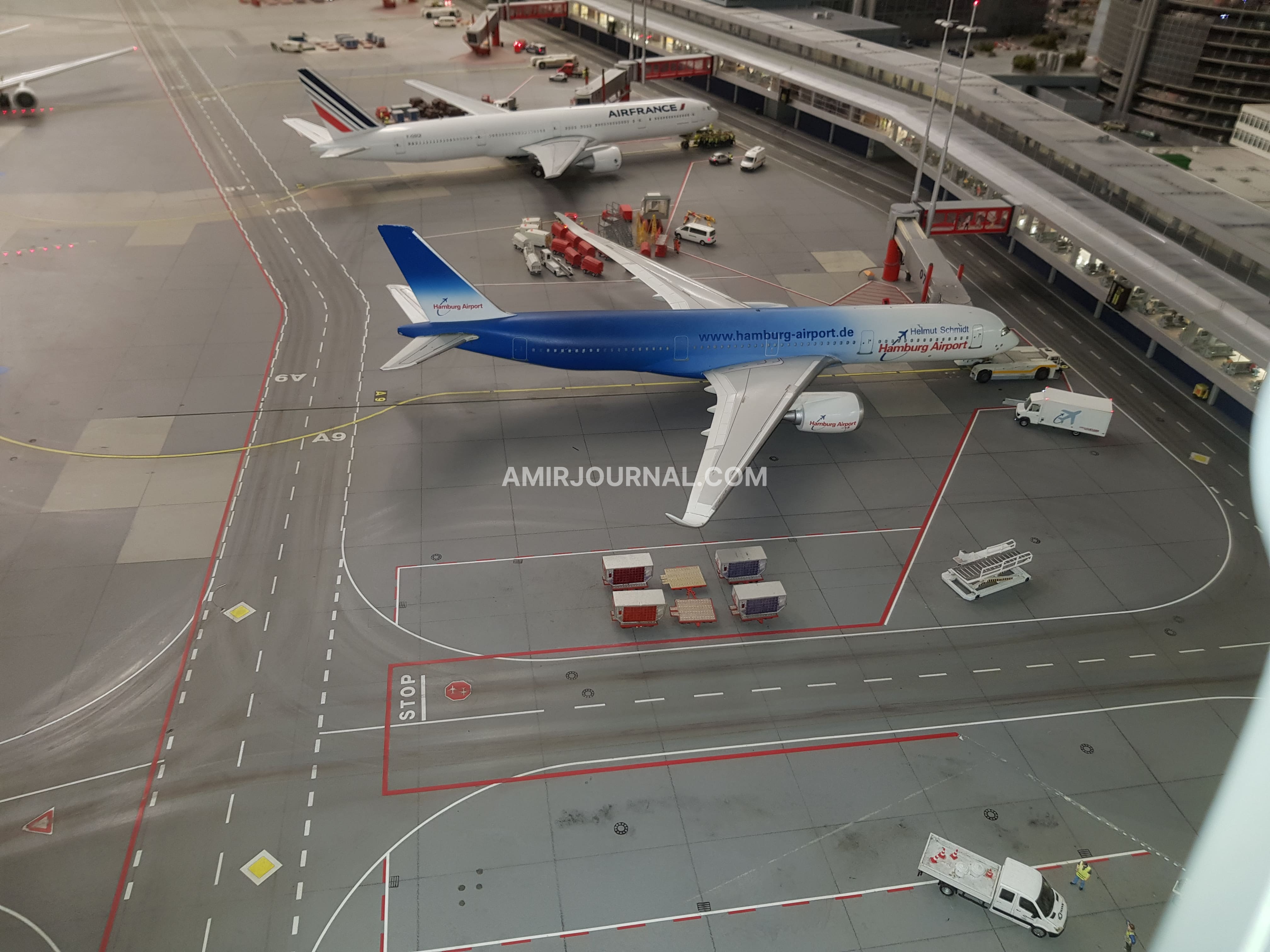
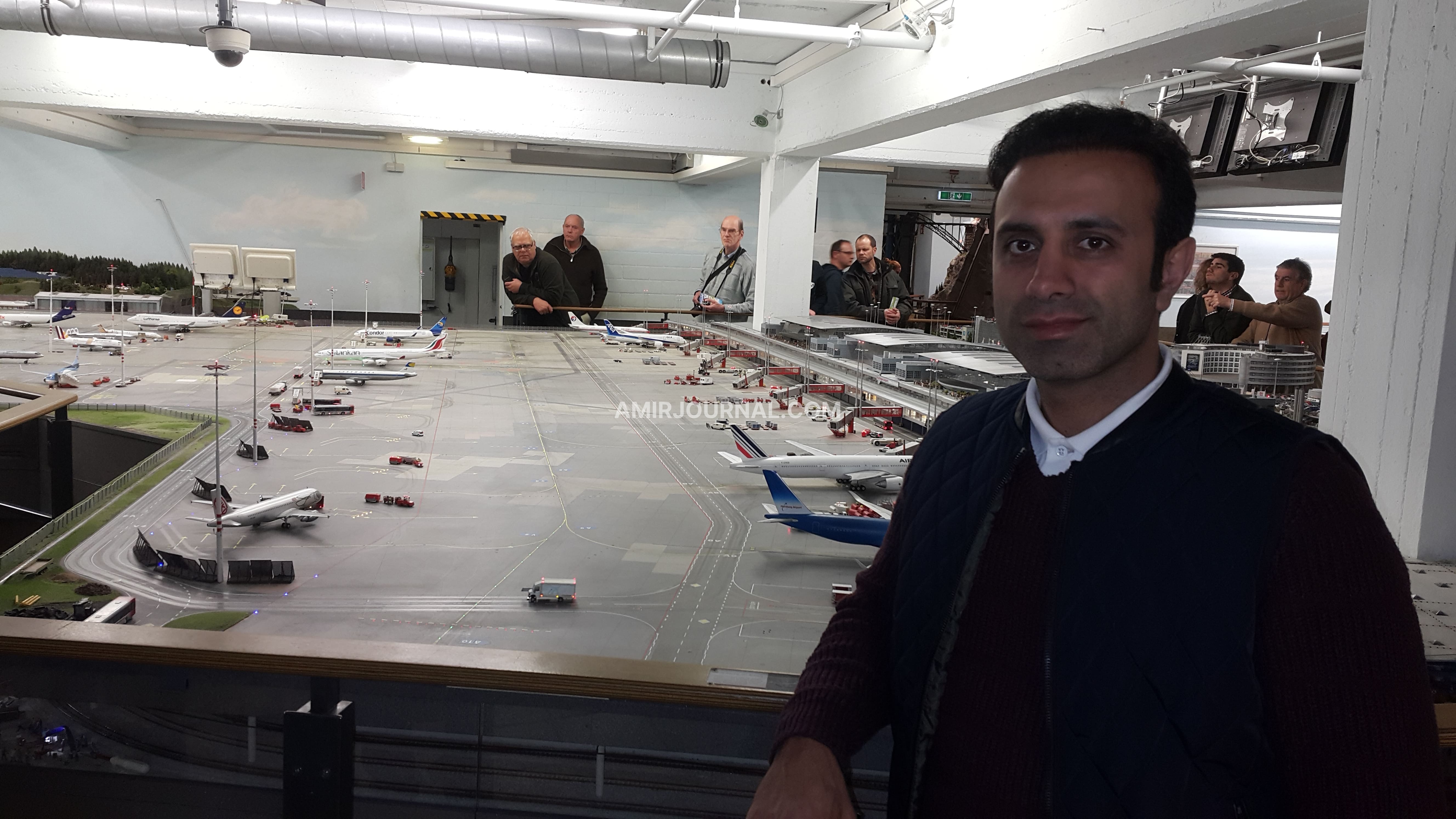
One of its most captivating scenes appears at Knuffingen Airport. Aircraft move independently between terminals and runways, service vehicles gather around them, and runway lights stretch into the distance. Engines begin to sound, an aircraft accelerates, and its wheels rise gently into the air.
The airport covers 150 square metres and took nearly six years, 150,000 working hours, and around four million euros to complete. Its 45 aircraft range from small Cessnas to the Airbus A380, each moving through a carefully coordinated system of arrivals, departures, and ground operations. Knuffingen Airport
Watching from above, visitors become observers of an entire living system. Trains follow their routes, traffic lights guide vehicles, emergency teams respond, and aircraft cross the miniature sky. Engineering keeps everything in motion, while handcrafted details give that movement meaning.
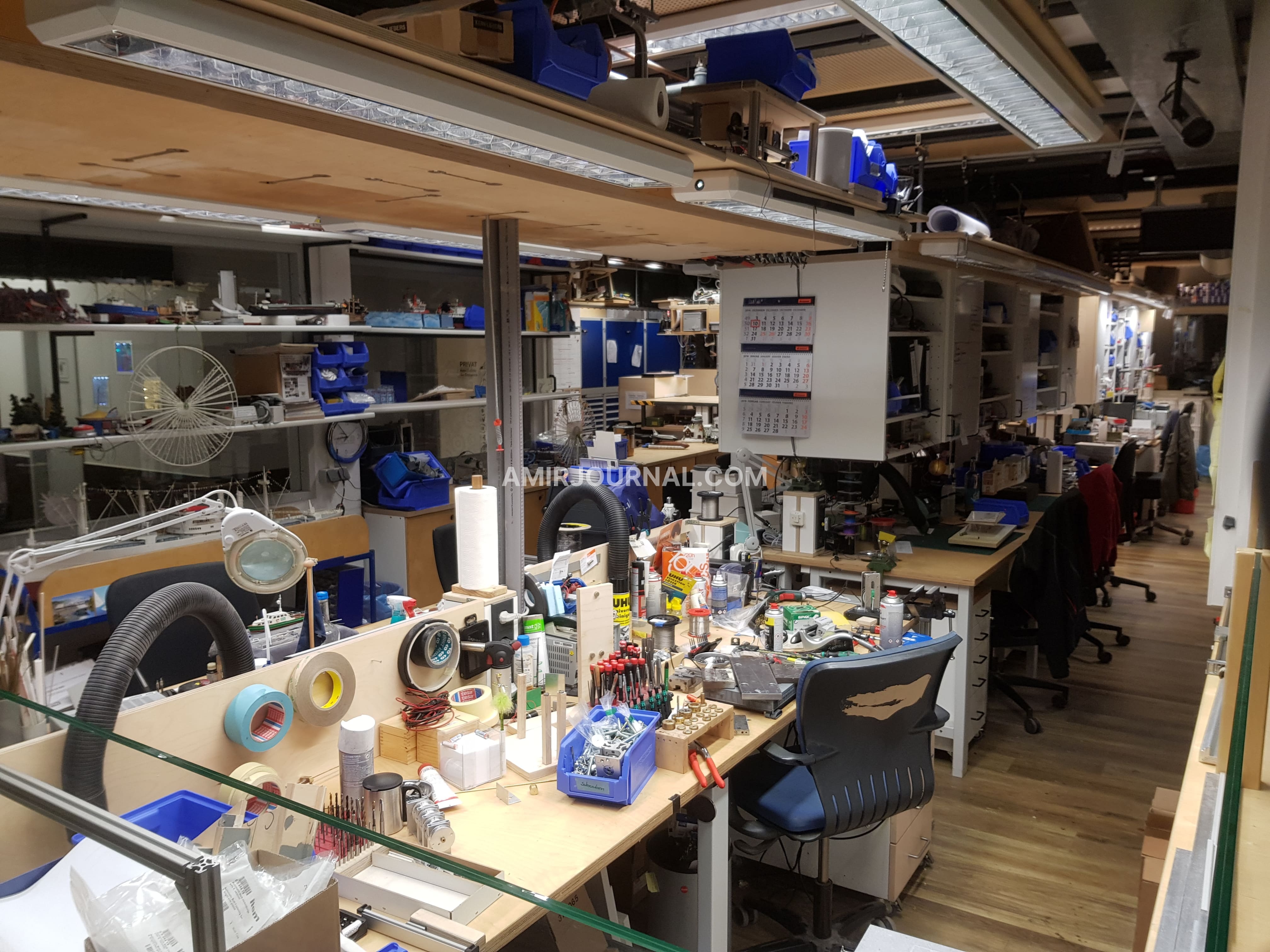
This balance between technology and storytelling forms the heart of Miniatur Wunderland. Beneath the scenery lies an intricate network of computers, wires, sensors, motors, and control systems. Above it, artists shape mountains, paint buildings, position figures, and create scenes that feel familiar across cultures.
Humour also appears throughout this small world. A figure may be hiding behind a tree, an unexpected celebration may unfold on a balcony, or a private moment may appear at the edge of a crowded city. These details reward patience. The longer one looks, the more life begins to emerge.
Walking through the exhibition gradually changes the way the real world feels. From above, crowded streets become patterns of light. Long journeys fit within a few steps. Borders appear closer together, and lands separated by oceans seem to belong to one connected landscape.
A deeper reflection begins to form.
From our position above the miniature cities, we can see each movement as part of a larger system. Every train has a route, every light follows a rhythm, and every small event belongs to a wider design. The figures below experience their immediate surroundings, while the visitor sees the connections between them.
Perhaps our own world may also appear this way from a greater perspective. What feels immense and complex to us could form one small part of a wider order. The laws guiding planets, seasons, life, and time may belong to a harmony extending beyond the limits of human perception.
Miniatur Wunderland creates space for that thought. Its technical achievement inspires admiration, yet its tiny people create the lasting connection. They wait, travel, work, celebrate, and move through their carefully shaped world, much as we move through our own.
As the lights fade once more and the miniature cities enter another night, the room grows quiet and a final thought remains:
Perhaps every world appears small from above, while every life within it carries a universe of its own.