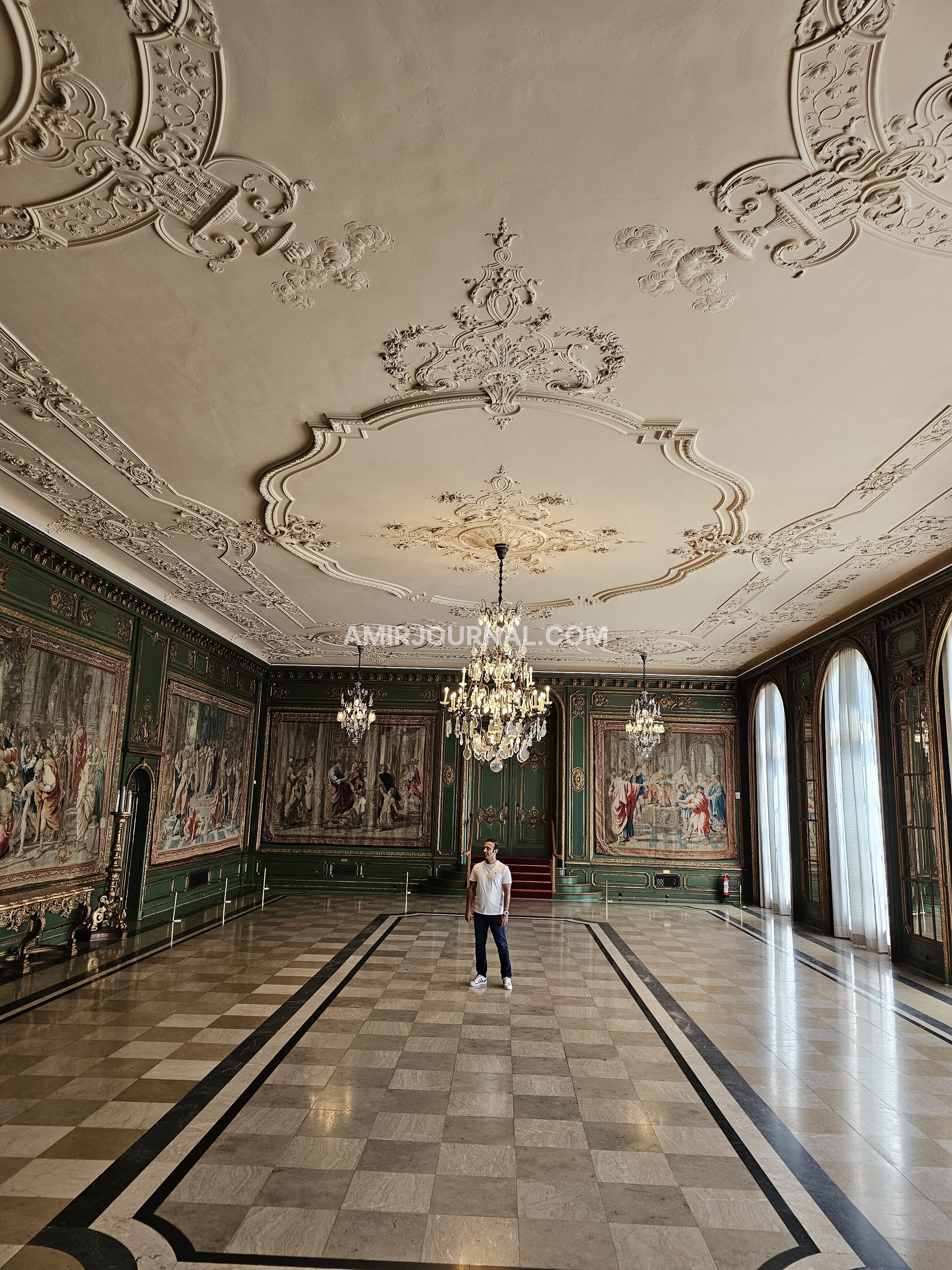
Discover Potsdam, the historic heart of Prussia, where magnificent palaces, elegant gardens, and centuries of royal heritage reveal the values of discipline, education, governance, and cultural achievement.
Potsdam & Prussia
A Journey Through Thought, Power, and Precision
Potsdam’s first impression is one of calm. Tree-lined avenues follow the lakes, bicycles move along stone paths, and palace façades appear between old gardens. Close to the energy of Berlin, Potsdam lives at a quieter, more measured rhythm.
Behind this serenity lies the history of a state shaped by administration, education, military power, and order. In Potsdam, Prussian ideas became visible through architecture, gardens, and urban institutions.
The Story
Potsdam grew from a small settlement beside the Havel River into the preferred residence of the Prussian kings. During the 17th century, Frederick William welcomed French Huguenot refugees through the Edict of Potsdam. Their skills, together with Dutch and Russian influences, gave the city an international character.
Potsdam’s defining identity emerged under Frederick the Great, a king who expanded Prussian power while pursuing philosophy, music, art, and Enlightenment thought. He played the flute, collected books, and corresponded with thinkers such as Voltaire.
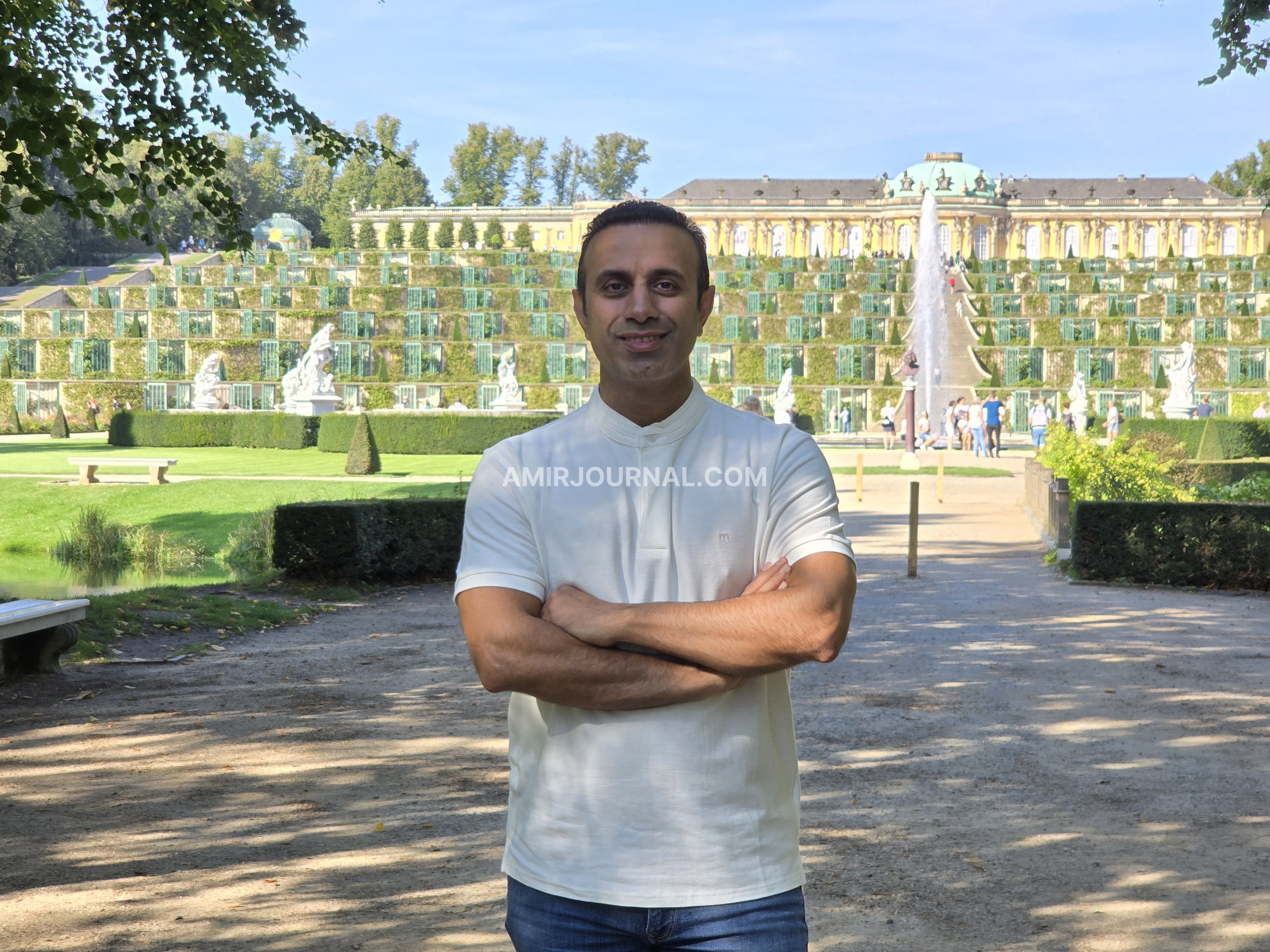
His complex character finds its clearest expression at Sanssouci Palace. The approach rises through symmetrical vineyard terraces towards a pale-yellow palace on the hill. The name Sanssouci means “free from care,” a fitting title for Frederick’s summer retreat.
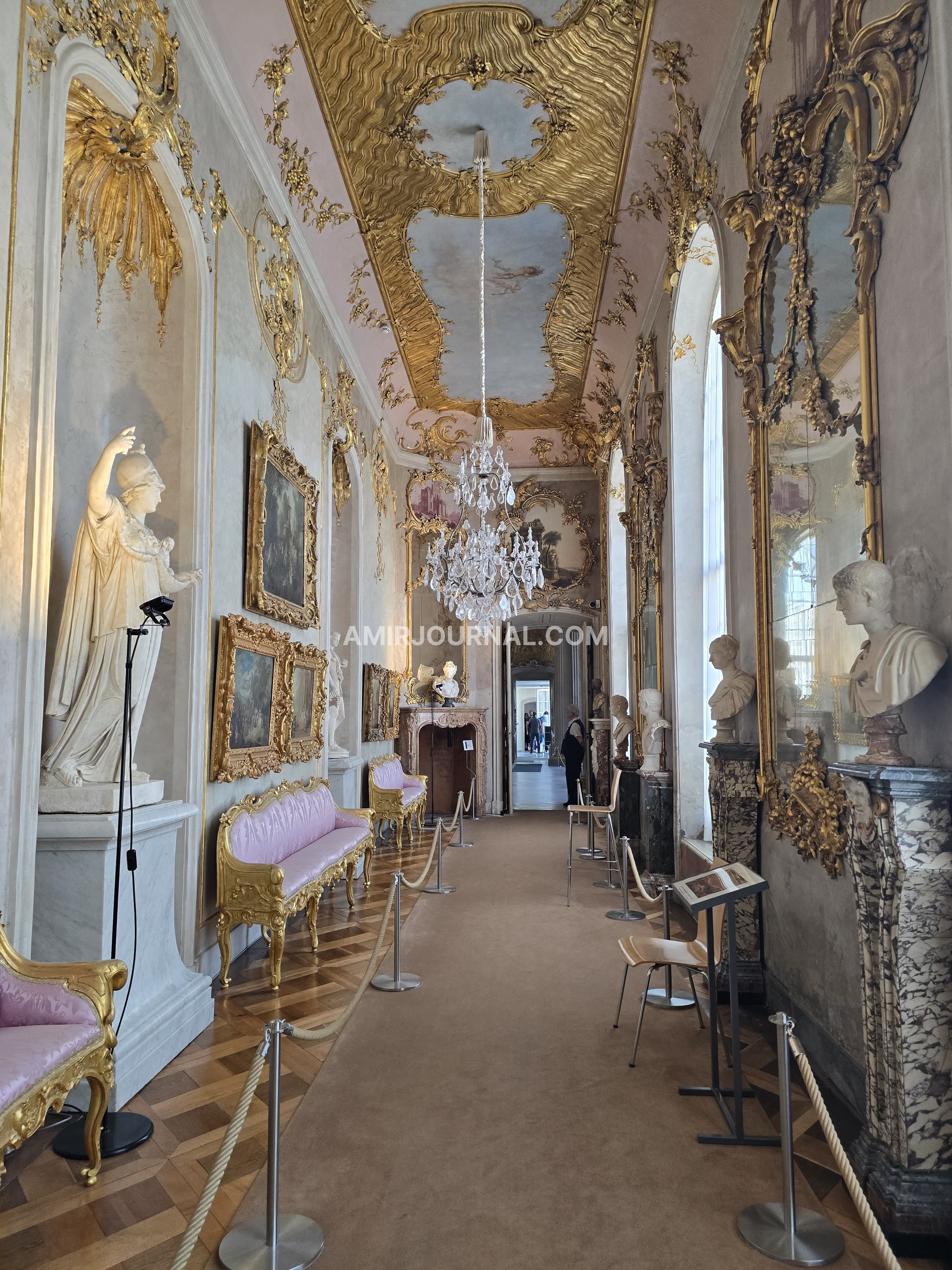
Built between 1745 and 1747, the palace became his favourite place for reading, music, and conversation. Its graceful Rococo rooms, geometric gardens, and carefully framed views reveal a union of beauty, thought, and control.
Frederick’s grave rests on the highest vineyard terrace. Visitors often place potatoes on the simple stone slab, recalling his association with encouraging potato cultivation in Prussia.
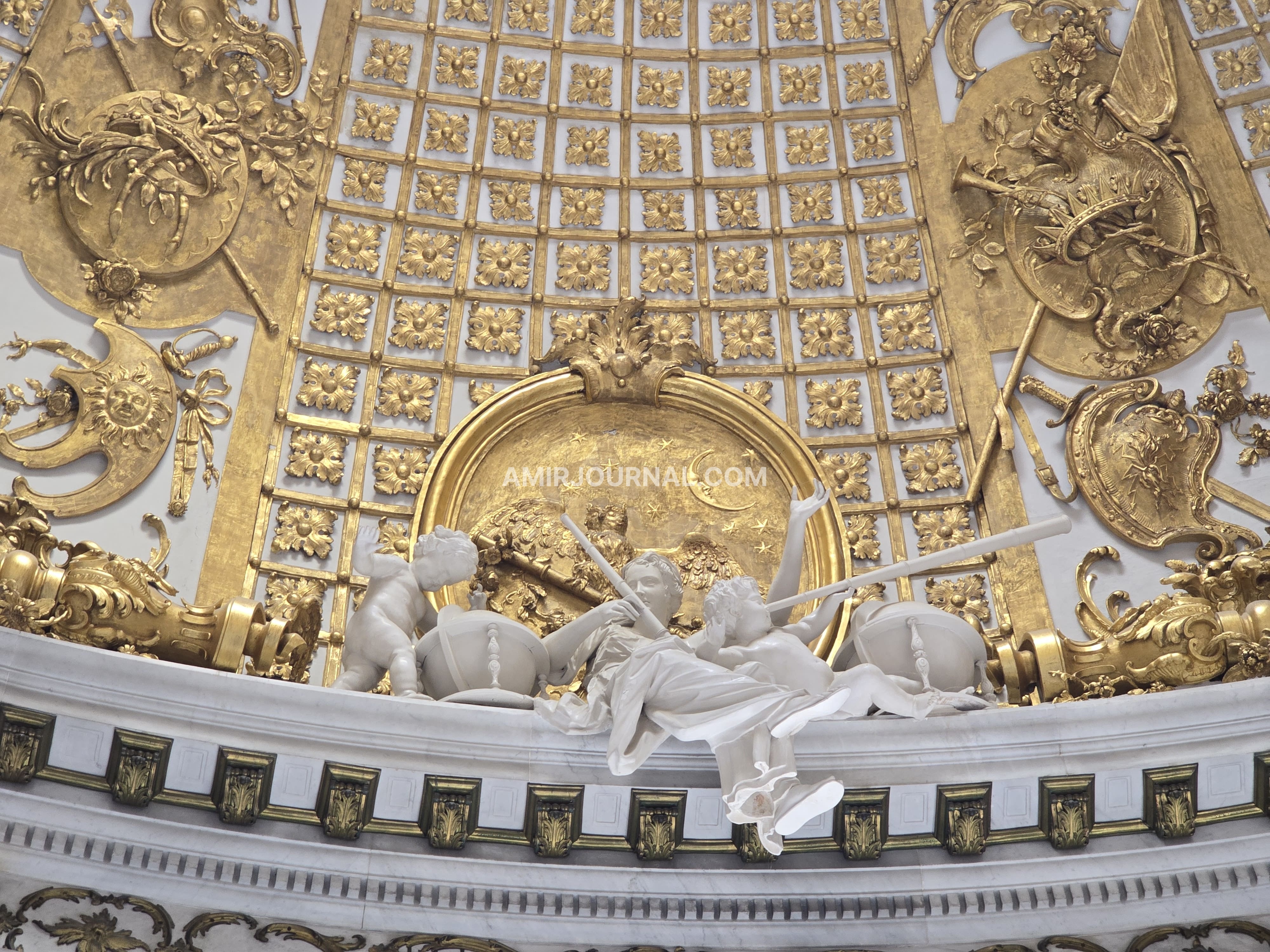
Across the park, the New Palace presents another side of Prussian identity. Its vast façade and monumental dome express the confidence of a rising European power. Sanssouci reflects Frederick’s philosophical retreat, while the New Palace projects royal strength.
Contemporary life continues around this historic landscape. Students cycle through old streets, families walk beside the Havel, and cafés fill the city centre. The red-brick houses of the Dutch Quarter preserve the memory of craftspeople invited to support Potsdam’s development.
The palaces and parks of Potsdam and Berlin joined the UNESCO World Heritage List in 1990, forming one of Europe’s most significant cultural landscapes.
Potsdam’s historical influence continued into the 20th century. Among the trees of the New Garden stands Cecilienhof Palace, built between 1913 and 1917 in the style of an English country house.
In the summer of 1945, Harry Truman, Winston Churchill—later replaced by Clement Attlee—and Joseph Stalin gathered here for the Potsdam Conference. They discussed Germany’s administration, borders, and the political structure of post-war Europe. For several weeks, the rooms of a royal residence became a centre of world diplomacy.
The Prussian legacy brings together administrative reform, education, culture, military strength, and political ambition. Potsdam preserves these layers among its palaces, gardens, and quiet streets, revealing how power can find expression through architecture and urban order.
As evening settles over the Havel, the palace façades soften in the fading light and the gardens return to silence. The city leaves behind a quiet question: what form does power take when shaped by thought, discipline, and culture?
In Potsdam, history speaks softly—through the measured line of a garden, the stillness of a palace, and the long shadow of an idea.