
Explore the Mercedes-Benz Museum in Stuttgart, where more than 130 years of automotive history unfold through iconic vehicles, groundbreaking engineering, and the philosophy behind "The Best or Nothing."
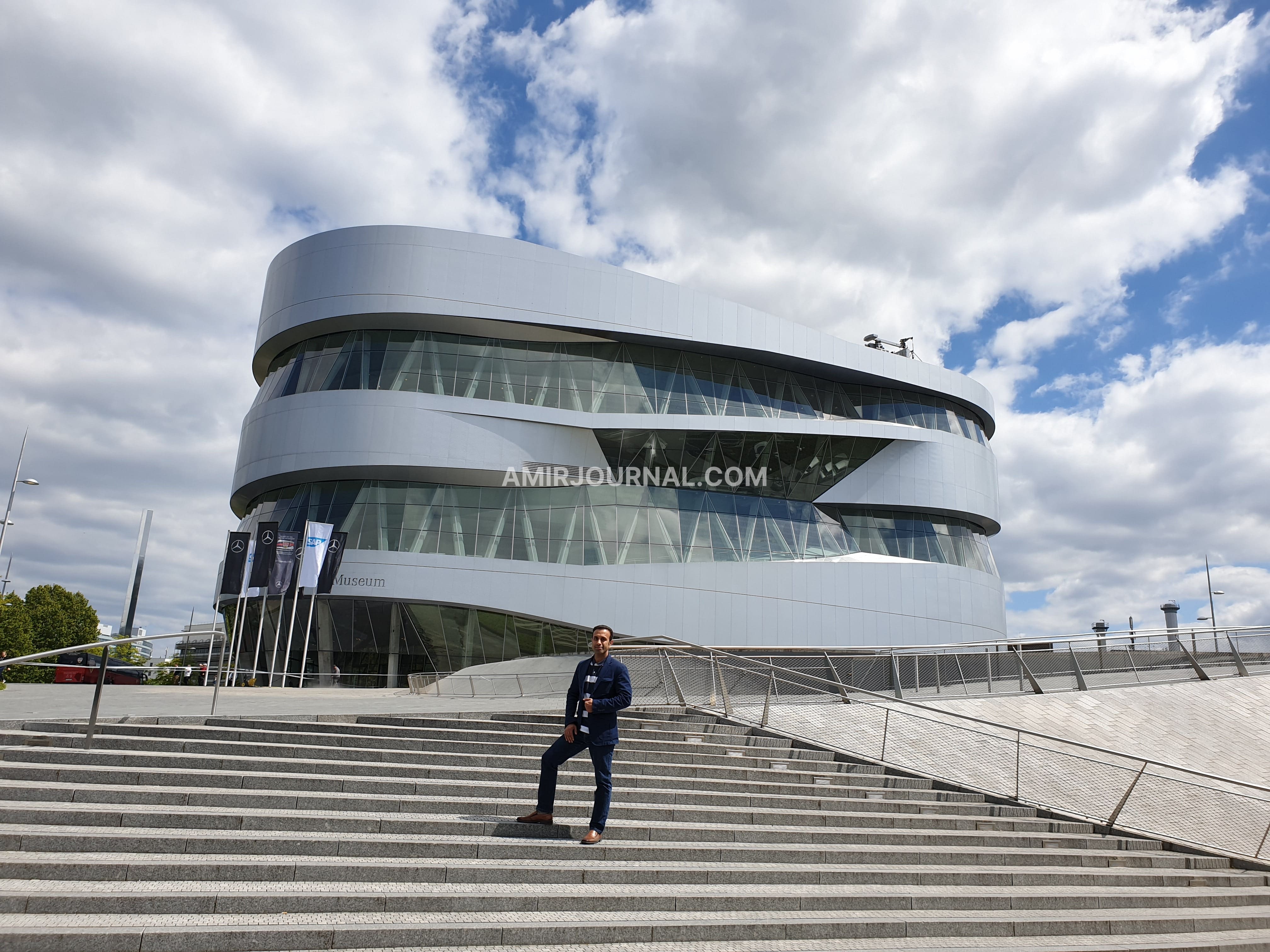
Mercedes Benz
Why “The Best or Nothing” Became a Standard
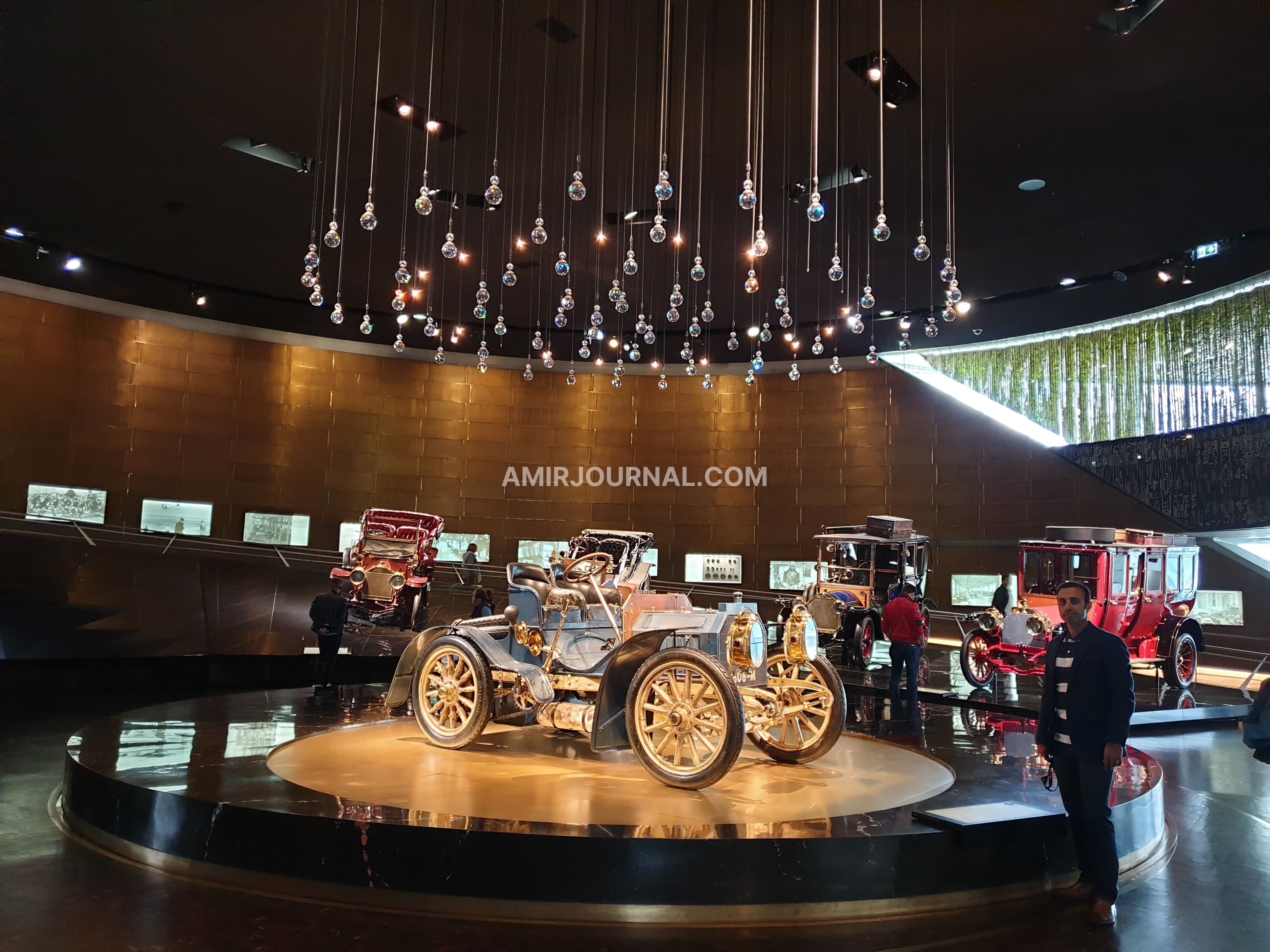
The elevator doors open on the museum’s highest level, and suddenly the world of 1886 appears. Beneath the soft gallery lights stands Karl Benz’s first Motorwagen, with its three slender wheels and delicate frame—a small machine that changed the movement of the world forever.
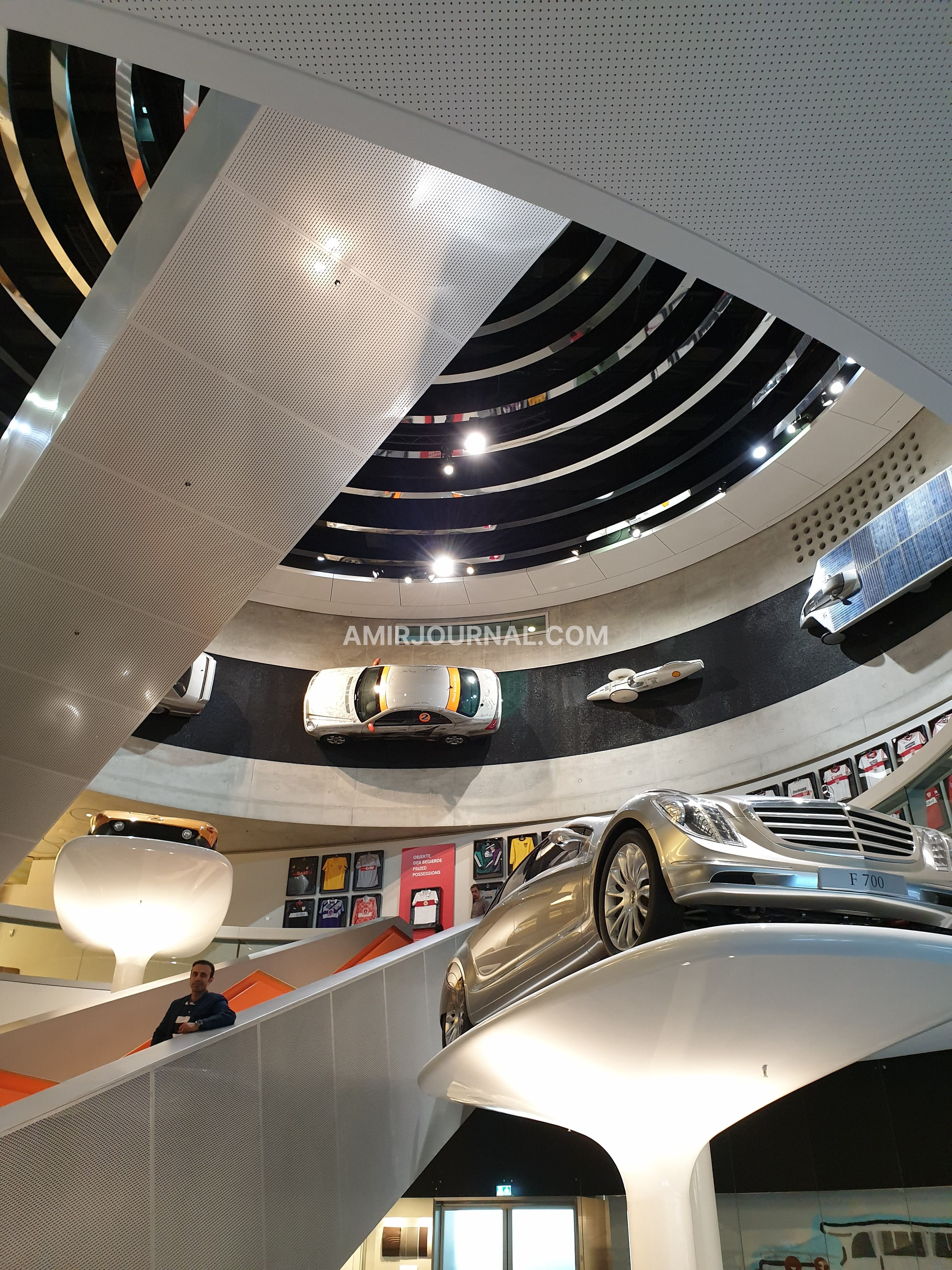
From here, the spiral journey through the Mercedes-Benz Museum in Stuttgart begins. As visitors descend through the building, they move forward across 140 years of history—from the birth of the automobile to the Silver Arrows, state limousines, safety innovations, and the electric future.
At the heart of this journey lies a philosophy connecting generations of Mercedes-Benz vehicles:
“The Best or Nothing.”
The expression originated with Gottlieb Daimler. Karl Benz followed a similar principle: “The best of the good.” Engineering precision, manufacturing quality, durability, safety, and the courage to innovate transformed these ideas into the enduring identity of Mercedes-Benz.
The Story
The story begins with the Benz Patent-Motorwagen, the world’s first practical automobile, patented by Karl Benz in 1886. At the same time, Gottlieb Daimler and Wilhelm Maybach were developing high-speed engines and motorised vehicles. Their work created an industry that would eventually reshape cities, travel, and everyday life.
Bertha Benz brought this invention into the real world through her historic journey from Mannheim to Pforzheim. Karl Benz’s technical genius, Daimler’s ambition, Maybach’s engineering talent, and Bertha’s courage established the foundations of the brand’s success.
The name “Mercedes” also carries a deeply human story. It came from Mercédès Jellinek, the daughter of Emil Jellinek, a businessman and motor-racing enthusiast. Jellinek entered Daimler vehicles in races under the name “Monsieur Mercedes” and encouraged the company to create faster, lighter, and more advanced cars.
Following their racing success, “Mercedes” was registered as a trademark in 1902. Emil Jellinek later changed his family name to Jellinek-Mercedes and remarked:
“This must be the first time that a father has taken the name of his daughter.”
After the merger of the Daimler and Benz companies in 1926, the name Mercedes-Benz was born.
The three-pointed Mercedes star also began with a dream. Gottlieb Daimler once drew a star on an image of his home, expressing his hope that his engines would one day operate across land, water, and air. The three points later came to represent that vision.
Following the merger, Daimler’s star was combined with the Benz laurel wreath. A symbol that began as a personal aspiration gradually became a global emblem of engineering, prestige, and ambition.
As the museum journey continues, its vehicles become witnesses to history. Pre-war models express craftsmanship and industrial confidence. Post-war cars reflect Europe’s reconstruction, expanding cities, and renewed optimism. State limousines recall official ceremonies, diplomatic meetings, and the presence of Mercedes-Benz during significant historical moments.
In the service-vehicle galleries, taxis, ambulances, buses, and trucks reveal another side of the brand. These machines spent years working through crowded streets, long journeys, and demanding conditions, establishing the Mercedes-Benz reputation for durability and dependability.
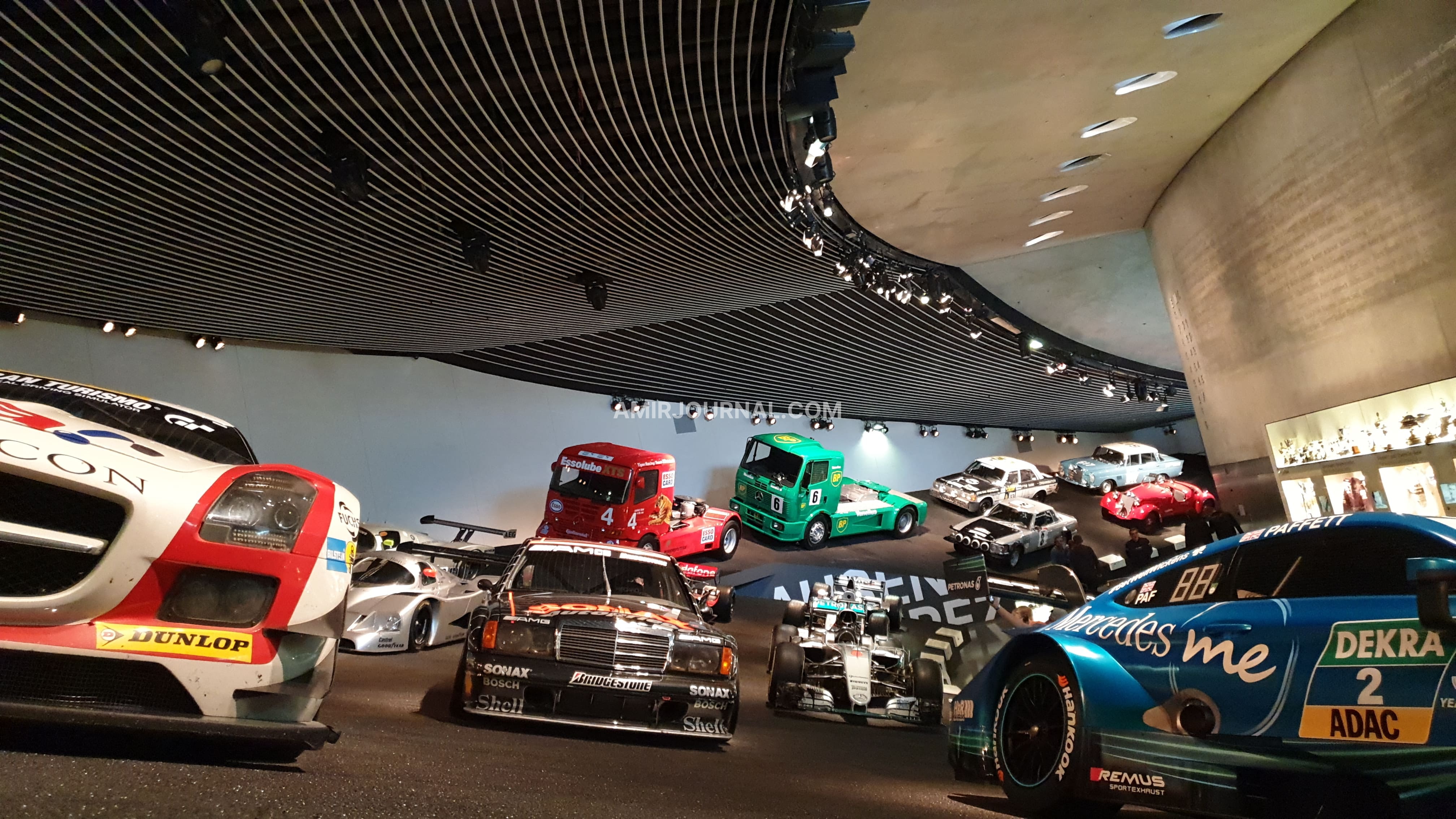
The atmosphere changes inside the motorsport gallery. Aerodynamic bodies and polished silver surfaces bring the legendary Silver Arrows to life. Motorsport became an engineering laboratory for Mercedes-Benz, where engines, brakes, lightweight materials, and aerodynamics were refined before influencing production cars.
Alongside speed and performance, safety became one of the defining foundations of Mercedes-Benz. Hungarian engineer Béla Barényi designed a vehicle structure with a rigid passenger compartment and energy-absorbing sections at the front and rear. Introduced into production in 1959, this innovation established the principle of the modern crumple zone.
It demonstrated how the pursuit of excellence could serve the protection of human life. Later research into crash testing, braking systems, airbags, and driver-assistance technologies influenced safety standards throughout the automotive industry.
Models such as the S-Class express the union of engineering, comfort, and technology. The quiet cabin, refined materials, and advanced systems show how luxury at Mercedes-Benz grows from attention to detail and an understanding of the human experience.
This philosophy continues under the company’s modern leadership. Ola Källenius, Chairman of Mercedes-Benz Group, describes its ambition clearly:
“Our goal is to build the world’s most desirable cars.”
On the museum’s final levels, electric vehicles, sustainable materials, and digital technologies introduce the next chapter. The nature of mobility continues to evolve, while the original ambition remains: to create vehicles that are more precise, safer, and increasingly connected to human life.
Leaving the museum, the three-pointed star carries a deeper meaning. Behind it stand the dreams of inventors, the name of a young girl, the courage of a pioneering woman, victories on the racetrack, and 140 years devoted to progress.
The museum journey ends, while the dream of movement continues to shine along the road.