
Discover how Martin Luther's challenge to the Catholic Church sparked the Protestant Reformation, reshaped Christianity, and transformed European history through the power of faith, conscience, and ideas.
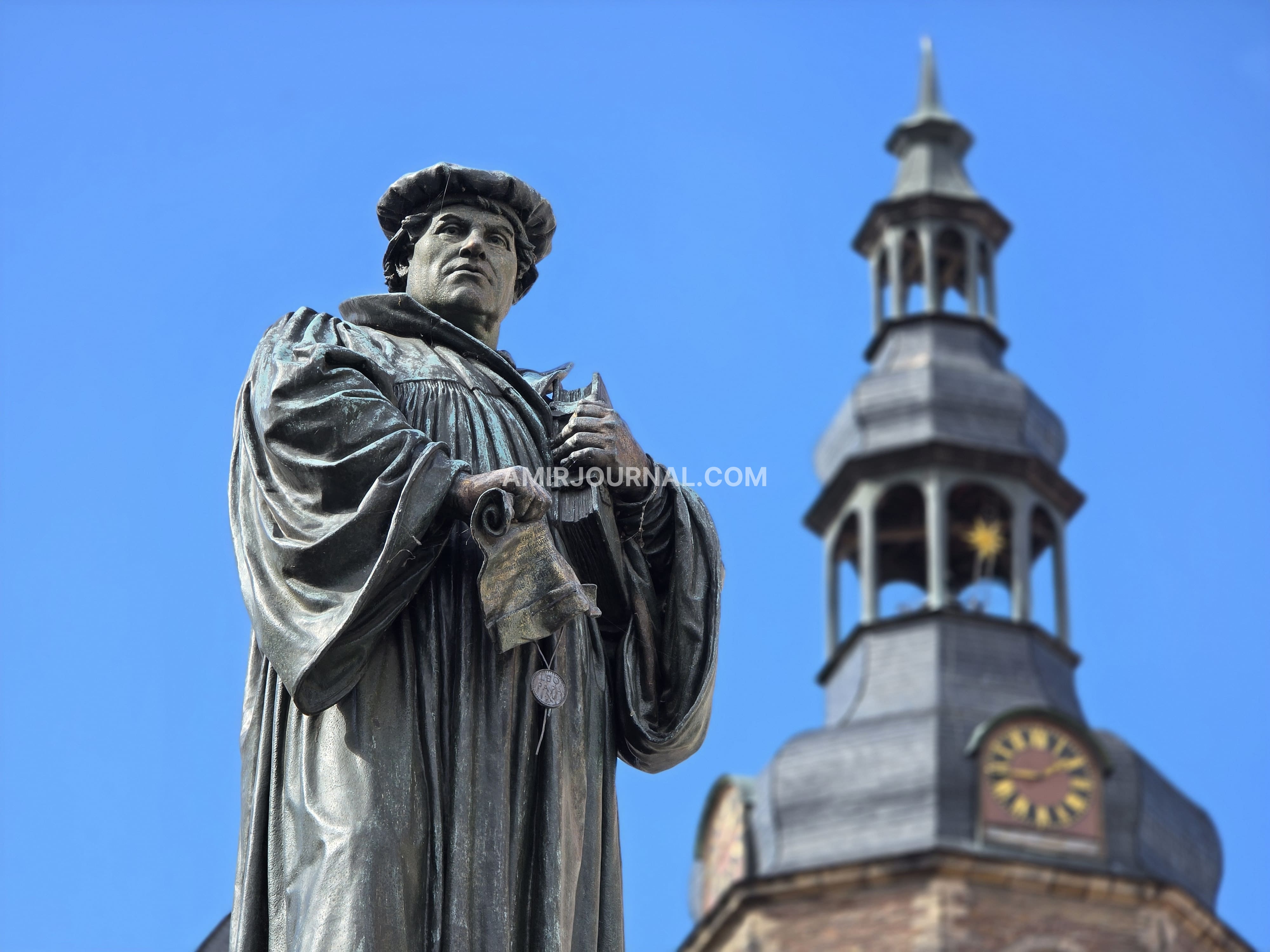
The Martin Luther Statue
Morning rested gently over Eisleben. Pale light moved across the tiled roofs, footsteps echoed through the narrow streets, and the town awakened with a quiet, contemplative rhythm. In this peaceful corner of Germany, one of Europe’s greatest transformations began with words, questions, and the conscience of one person.
Eisleben holds both the beginning and the end of Martin Luther’s life. He was born here in 1483 and died here in 1546. Between those two moments, his ideas reshaped Christianity, strengthened the German language, encouraged literacy, and transformed the relationship between ordinary people and religious authority.
As I walked through the town, history felt close and human. Luther’s revolution emerged from places like this: modest homes, church doors, candlelit rooms, and streets filled with merchants, craftsmen, clergy, and families. Its power came through ink, paper, faith, and the courage to ask questions.
The Story
At the beginning of the sixteenth century, the Church stood at the centre of European life. Its influence reached into worship, education, politics, art, and the everyday concerns of families. During this period, the sale of indulgences became widespread. These documents promised spiritual benefits or a reduction in punishment for sins in exchange for money.
Luther, then a monk and professor of theology in Wittenberg, became deeply troubled by this practice. In 1517, he composed the famous 95 Theses and invited scholars and religious authorities into a debate about repentance, forgiveness, and the limits of Church power.
Several of his best-known theses clearly reveal the intellectual and moral spirit of this movement:
Thesis 1: The entire life of a believer should be shaped by repentance and inner reflection.
Thesis 27: The claim that a soul leaves purgatory as soon as a coin falls into the collection box is a human invention.
Thesis 32: Trusting an indulgence as a guarantee of salvation leads a person away from the truth of faith.
Thesis 43: Giving to the poor or lending to someone in need holds greater value than purchasing an indulgence.
Thesis 86: Luther asks why the wealthy pope does not build St. Peter’s Basilica with his own money instead of using the money of poor believers.
These propositions appeared to address indulgences, yet their deeper message concerned faith, justice, and human dignity. At the heart of Luther’s thinking stood a simple and powerful principle:
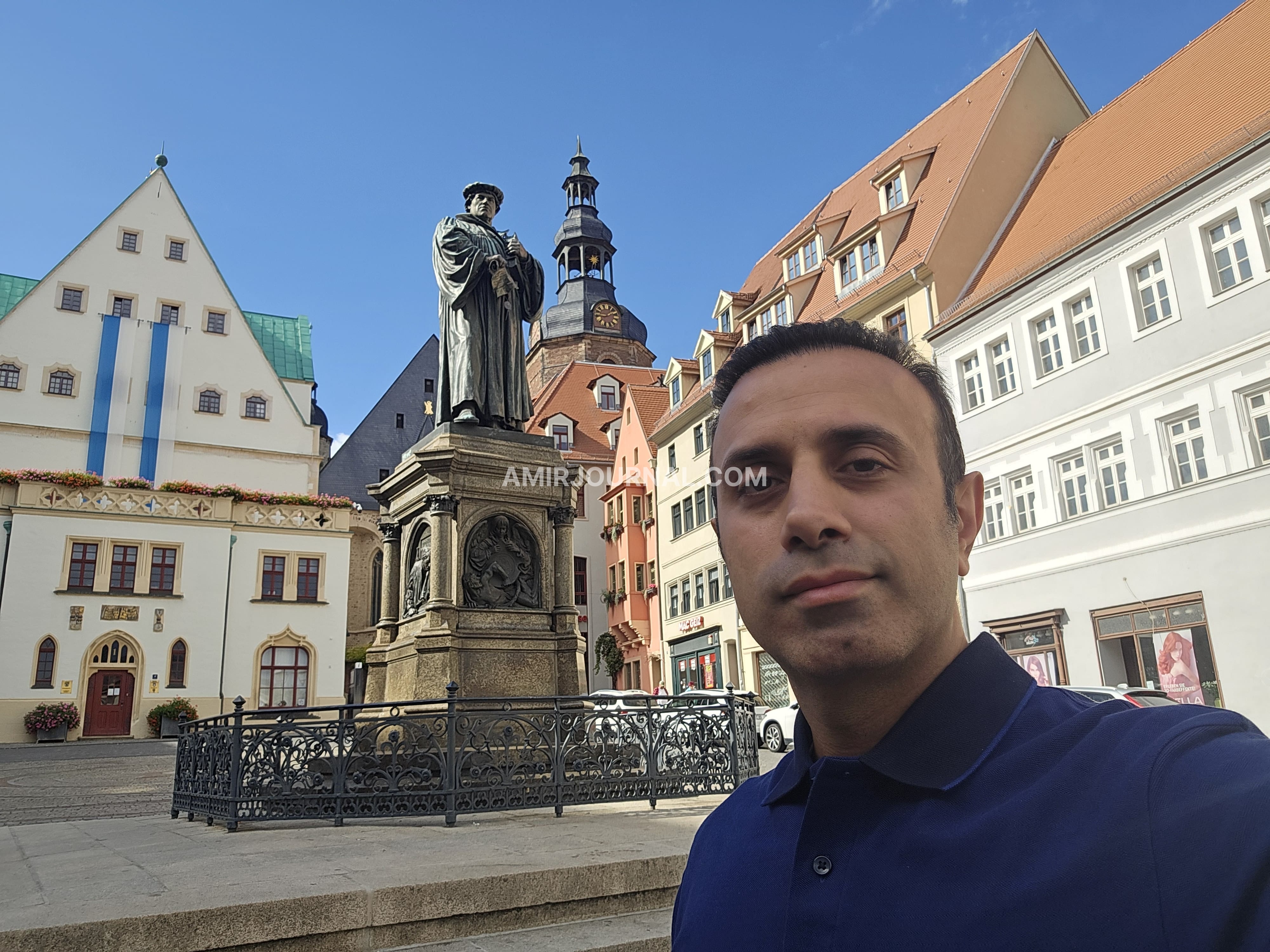
Each individual is responsible for their own faith.
This idea opened a new space in Europe’s intellectual and spiritual life. Ordinary people gained a stronger place within religious experience, while reading, interpretation, questioning, and conscious choice acquired greater importance. Faith became an inward and personal engagement alongside its shared traditions.
The printing press carried Luther’s writings across Europe with remarkable speed. His German translation of the Bible brought scripture into homes and communities in a language people could understand. Families gathered around its pages, teachers used it to encourage reading, and its vocabulary helped shape a more unified form of written German.
The movement that followed transformed religious and political life across Europe. New churches emerged, debates about authority intensified, and education became accessible to a wider part of society. The effects of the Reformation travelled beyond theology and entered language, music, family life, working culture, and social responsibility.
In Eisleben, this vast history appears through an intimate and human landscape. Luther’s birthplace preserves the domestic world into which he was born, while the house associated with his final days brings the story back to the scale of a single life. Between them stand churches, courtyards, statues, and streets that have witnessed centuries of change.
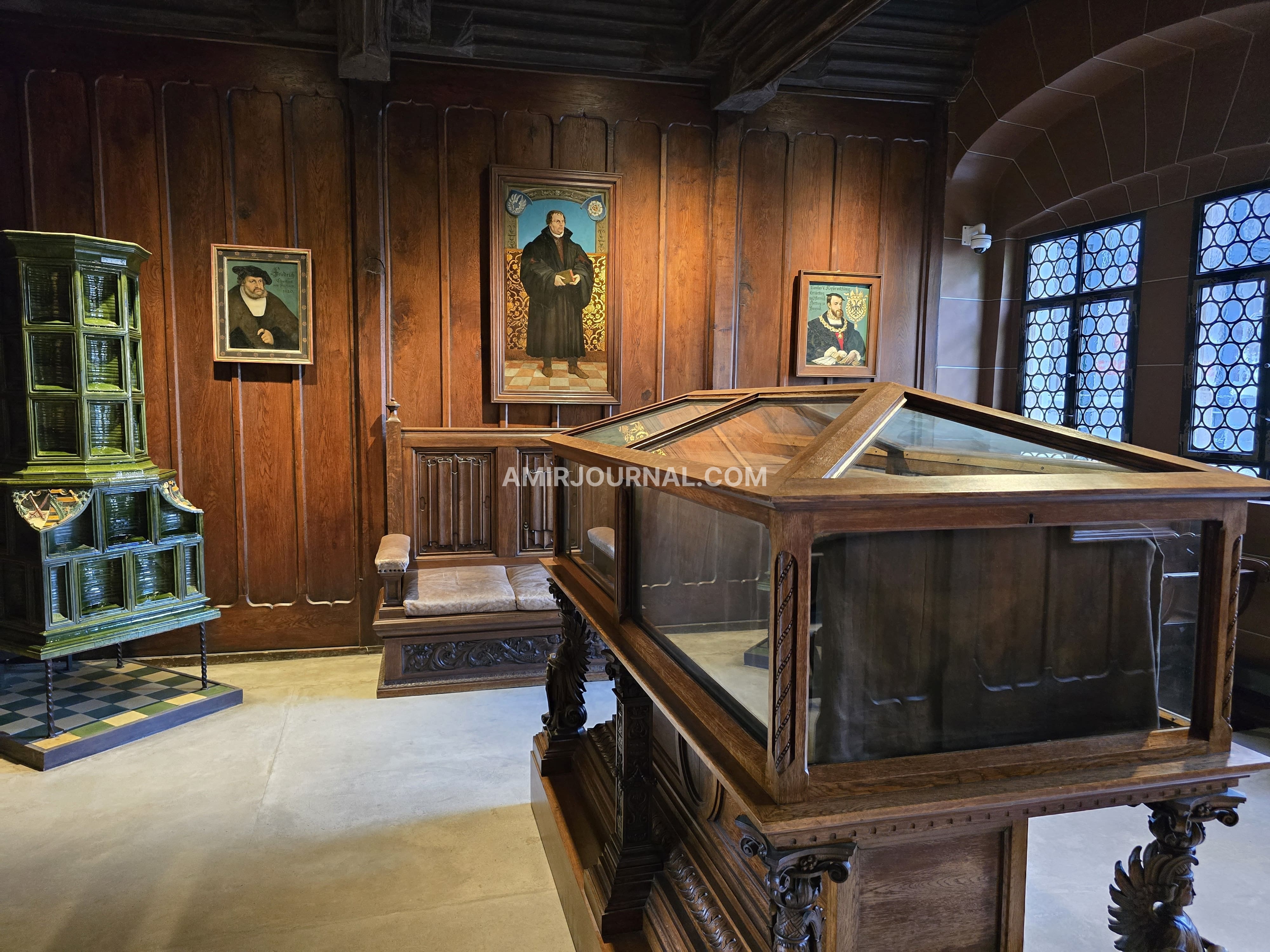
As I walked through the town, I began to hear history differently. Church bells moved through the cool air, elderly residents passed with shopping bags, and conversations drifted from small cafés. Daily life continued around places connected with ideas that once shook Europe.
The simplicity of Eisleben gave the story greater strength. Here, the 95 Theses felt like the result of a long inner struggle: a man studying, praying, following his questions, and gradually finding the language to express his convictions. The famous document moved beyond the appearance of a dry historical text and became a living, human act of conscience.
Luther’s influence also reached education and economic culture. His emphasis on literacy encouraged people to read scripture directly. Protestant communities increasingly valued schooling, personal discipline, diligence, responsibility, and purposeful work. In later periods, these qualities became connected with parts of Germany’s social and economic development.
Centuries later, thinkers such as Max Weber explored the relationship between Protestant ethics and the growth of modern capitalism. Germany’s economic transformation emerged from many forces, including geography, trade, science, industry, institutions, and political change. The Reformation added an important cultural current by strengthening habits of literacy, individual responsibility, and purposeful work—values that continued to influence German society.
In this way, Luther’s religious movement became part of a much wider transformation. Conscience shaped culture, culture influenced institutions, and institutions helped form the society that followed.
By late afternoon, the light over Eisleben had softened. The façades appeared warmer, and the streets seemed to carry their history with quiet confidence. I thought about the distance between one theologian’s questions and the centuries of change that followed them.
The spirit of the 95 Theses remains alive wherever people seek understanding, examine inherited beliefs, and accept responsibility for their convictions. Eisleben gave that idea a landscape, a voice, and a human face.
As evening settled over the town, history seemed to breathe softly between each footstep.