Discover Germany’s Autobahn beyond its famous unrestricted speed zones, exploring its engineering excellence, disciplined driving culture, and balance between freedom and responsibility.
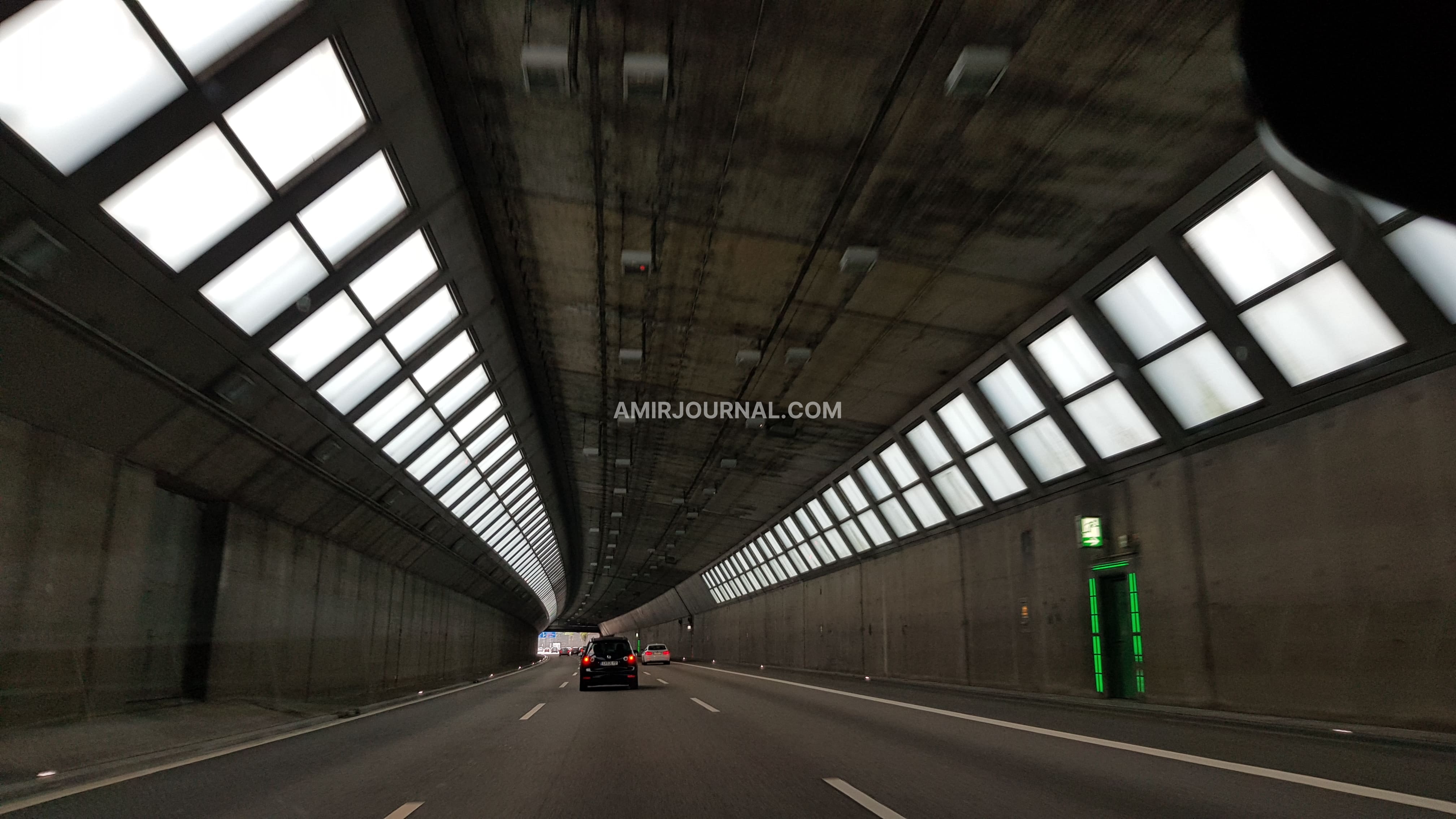
When people hear the word Autobahn, one idea usually comes to mind: unlimited speed. While it’s true that some sections have no mandatory speed limit, this iconic highway system represents far more than fast driving. It stands as a symbol of engineering excellence, disciplined driving culture, and a unique balance between freedom and responsibility.
A Brief History of Innovation and Reconstruction
The concept of high-speed roadways in Germany dates back to the early 20th century, but the first modern motorway opened in 1932 between Cologne and Bonn. This early success laid the groundwork for what would become one of the most advanced highway systems in the world.
Expansion accelerated in the 1930s, though progress was disrupted during World War II. In the decades that followed, particularly from the 1950s onward, the Autobahn became a cornerstone of West Germany’s economic recovery. After reunification in 1990, the network was expanded and modernized, integrating eastern and western regions into a unified system built on updated safety and environmental standards.
Driving Culture: Freedom Within Structure
Driving on the Autobahn is often described as liberating—but it is far from chaotic. The system operates on strict rules and a deeply ingrained culture of responsibility:
Overtaking is allowed only on the left
Drivers must maintain safe following distances
Stopping unnecessarily is prohibited
Traffic signs and regulations are strictly observed
This disciplined approach ensures that even at high speeds, traffic flows smoothly and safely. In Germany, driving is not just a skill—it’s a social contract.
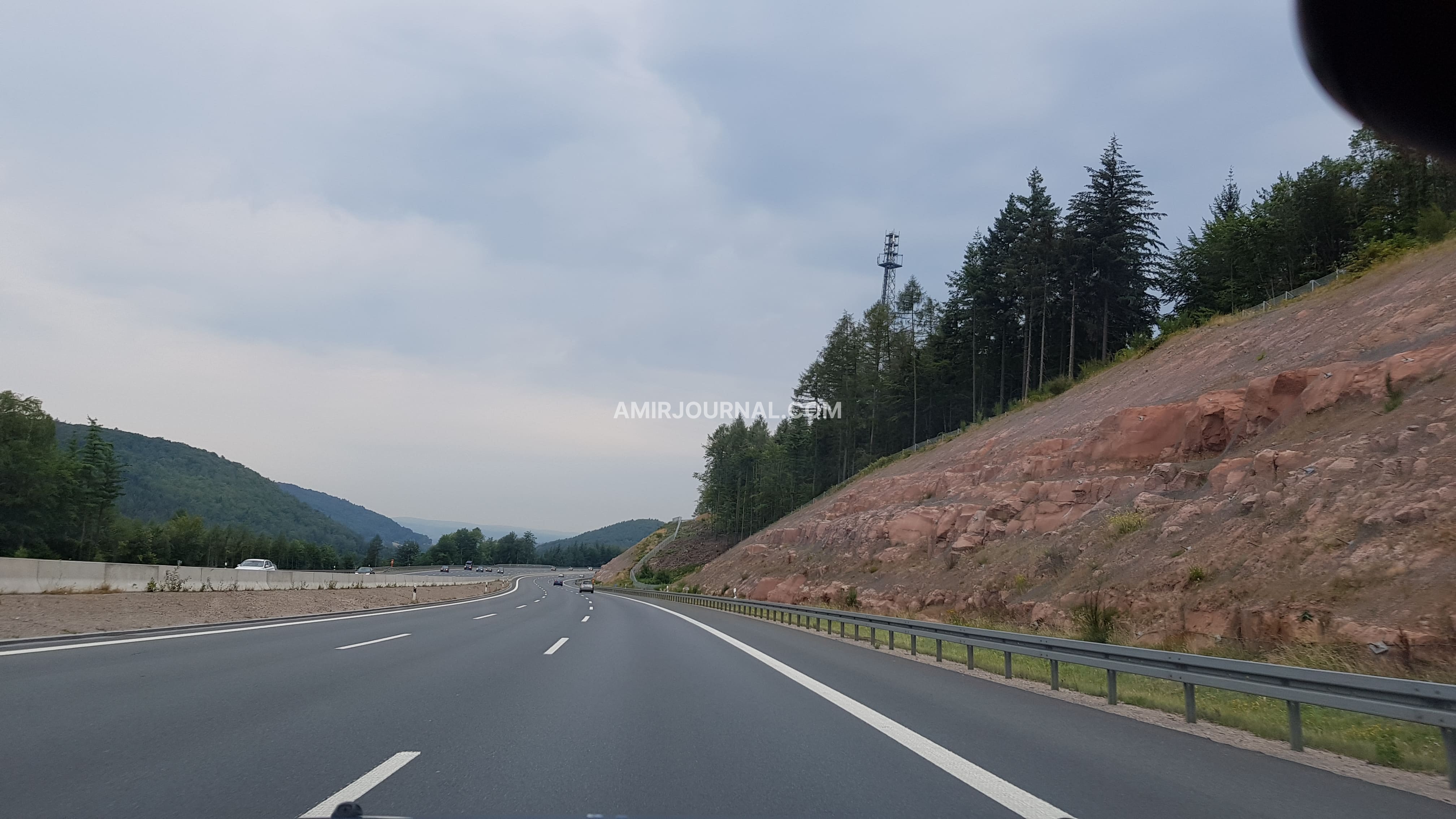
Engineering Excellence at Every Level
The Autobahn’s reputation is built on meticulous design and maintenance. Every stretch of road reflects world-class engineering standards:
Multiple layers of durable asphalt and concrete
Sophisticated drainage systems to prevent water buildup
Clear, highly visible signage for precision navigation
Continuous inspection and maintenance planning
These features allow the network to handle intense traffic volumes and high speeds while maintaining stability and safety.

Built for Performance: Vehicles That Match the Road
The Autobahn’s success is closely tied to the quality of vehicles that use it. German automakers design cars specifically suited for high-speed travel, emphasizing:
Stability at elevated speeds
Responsive and reliable braking systems
Advanced safety technologies
This alignment between infrastructure and vehicle design creates a driving environment unlike any other in the world.
Safety Without Limits
One of the most surprising aspects of the Autobahn is its safety record. Despite sections without speed limits, fatal accident rates are often lower than on many regulated highways globally.
This is not accidental—it reflects a combination of rigorous driver training, strict enforcement of rules, high vehicle standards, and superior road conditions.
Supporting the Human Element
Recognizing that drivers are the most critical factor in road safety, the Autobahn includes numerous rest areas (Raststätten) designed for comfort and recovery. These stops offer:
Fuel stations
Restaurants and cafés
Clean, standardized restrooms
Relaxation spaces
The philosophy is simple: a well-rested driver is a safer driver.