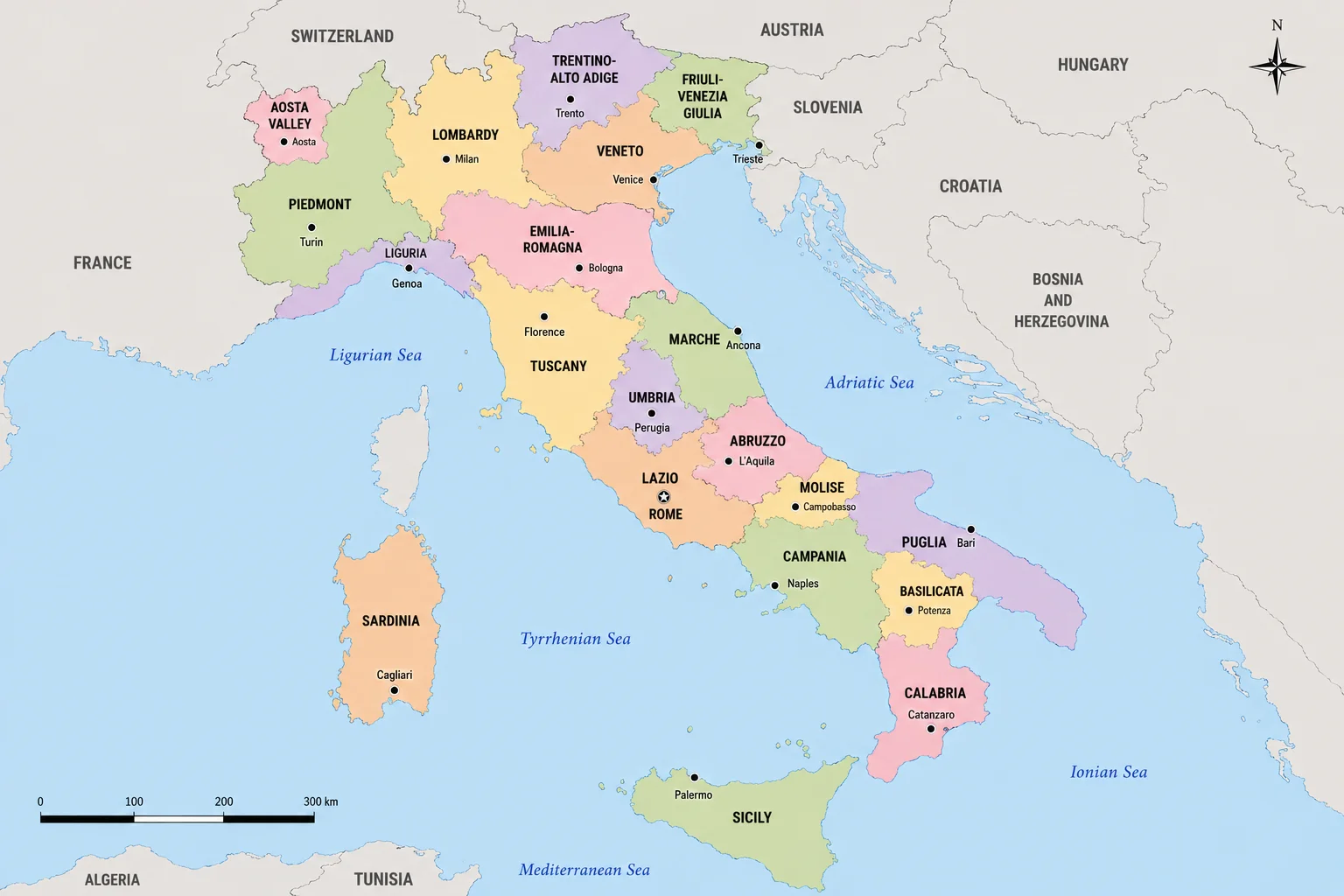


Italy hero

Italy

Where History Meets Beauty – The Cultural and Mediterranean Heart of Europe

Italy flag
Summary
titleDecore bar

Italy is one of the most influential countries in Europe — a nation where history, culture, creativity, and family traditions form the core pillars of its identity. As the birthplace of the Roman Empire and the Renaissance, Italy has profoundly shaped Western civilization through its art, architecture, literature, and cuisine. Today, Italy combines a rich historical heritage with a modern democratic society, remaining a global symbol of beauty, culture, and the Mediterranean way of life.

Italy at a Glance
titleDecore bar

Official Name

Italian Republic

Capital

Rome

Population

59000000

Area

301339 km²

Government

Parliamentary Republic

Divisions

20 Regions

Currency

Euro (€)

Languages

Italian

Italy is a parliamentary republic located in Southern Europe, home to approximately 59 million people. Covering 301,340 km², it occupies a strategic position in the Mediterranean Sea and shares borders with France, Switzerland, Austria, and Slovenia. Italy is internationally renowned for its history, art, cuisine, and cultural influence. Daily life combines strong family values, regional traditions, and a relaxed social atmosphere. The country's 20 regions maintain distinct identities, from the Alpine culture of the north to the Mediterranean lifestyle of the south.

taly operates as a parliamentary republic. The President serves as head of state, while the Prime Minister serves as head of government. The Parliament is bicameral, consisting of the Chamber of Deputies and the Senate of the Republic. Italy is administratively divided into 20 regions, five of which enjoy special autonomous status.

Italy's national motto is often associated with the principles of unity and republican values established after World War II. The national emblem of Italy features a five-pointed star, cogwheel, olive branch, and oak branch, symbolizing labor, peace, strength, and national unity. Italy has no officially designated national flower, although the lily is often associated with Italian cultural heritage. Italy is world-famous for its culinary traditions, though no single dish officially represents the nation due to its strong regional diversity.

Italy has approximately 59 million inhabitants, with around 71% living in urban areas and 29% in rural settings. Life expectancy is among the highest in the world, averaging about 85 years for women and 81 years for men. The literacy rate exceeds 99%. The religious composition is predominantly Christian, mainly Roman Catholic, while secularism and religious diversity have grown in recent decades. Immigration has contributed to increasing ethnic and cultural diversity.

Daily life in Italy revolves around family, community, and social interaction. Italians place great importance on food, hospitality, and local traditions. Many businesses close during afternoon breaks in smaller towns, while evenings are often dedicated to family gatherings and outdoor social life. Regional identities remain strong, with notable cultural differences between northern and southern Italy.

Best Time to Visit

April June

Climate

Italy has a predominantly Mediterranean climate with hot summers, mild winters, and regional climatic variations.

Avg. Temperature: Temperature: 13–15°C (55–59°F) annual average

Location: Southern Europe; extending into the Mediterranean Sea

Borders: France, Switzerland, Austria, Slovenia, and two enclaves—San Marino and Vatican City

Italy's geographical diversity is one of its greatest strengths:

• North: Alps, lakes, and industrial regions

• Central regions: Rolling hills, vineyards, and historic cities

• South: Mediterranean coastlines, islands, and volcanic landscapes

Italy identity
Story Of Italy - History & Identity
titleDecore bar
751 BC
The Legendary Foundation of Rome
27 BC
Roman Empire Established
476 AD
Fall of the Western Roman Empire
1095–1300
Rise of the City-States
1341
Early Renaissance
1494
Italian Wars Begin
1861
Italian Unification
1870
Rome Becomes Capital
1922
Fascist Rule Begins
1940
World War II
1946
Italian Republic Founded
1957
European Integration
2002
Euro Adopted
2024
Italian Republic Today

Historical Sites & Reflections
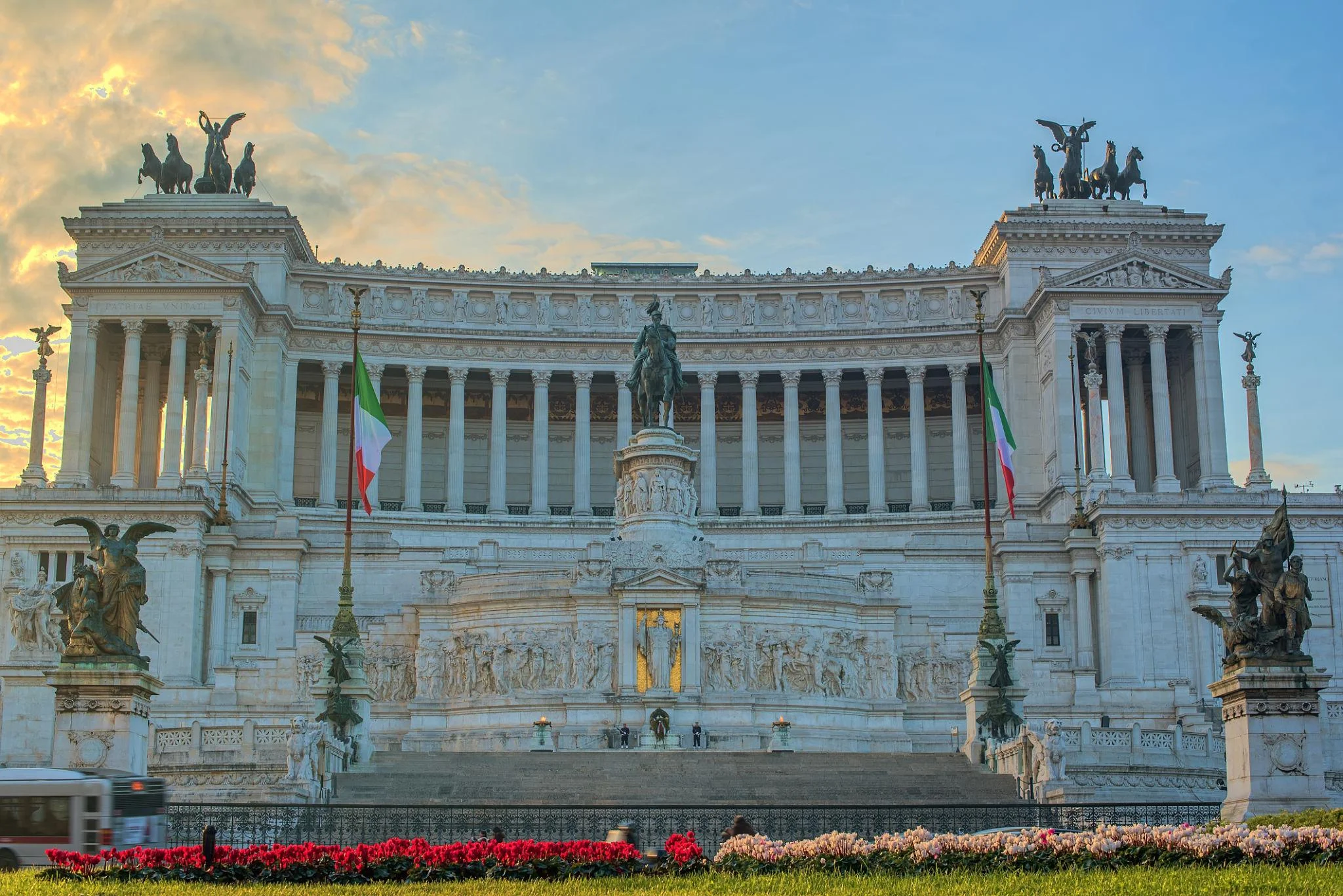
Italy story

For much of its history, Italy was not a unified country but a collection of city-states, kingdoms, and republics with strong regional identities. Ancient Rome became one of the greatest civilizations in history, shaping law, language, engineering, and governance across Europe and beyond. Following the fall of the Roman Empire, the Italian Peninsula remained politically fragmented for centuries. In 1861, modern Italy was officially unified during the Risorgimento movement under leaders such as Giuseppe Garibaldi and Count Camillo di Cavour. Rome became the capital in 1871, completing the unification process.
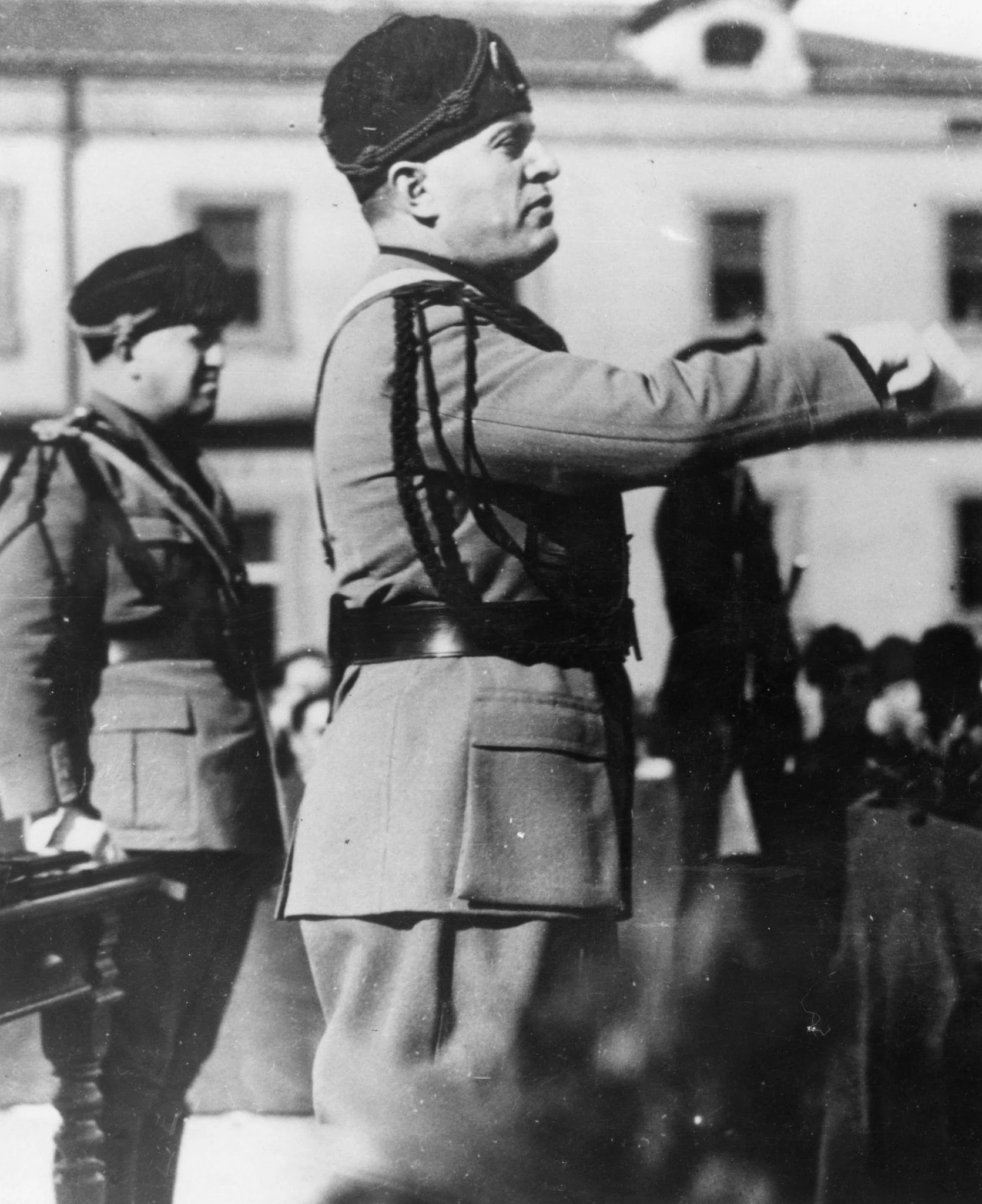
Italy story

The 20th century brought profound challenges and transformation. Italy participated in both World Wars and experienced the rise and fall of Fascism under Benito Mussolini. After World War II, Italians voted to abolish the monarchy, and in 1946 Italy became a republic. The post-war decades saw rapid economic growth known as the "Italian Economic Miracle," transforming Italy into one of the world's leading industrial economies while preserving its rich cultural heritage.
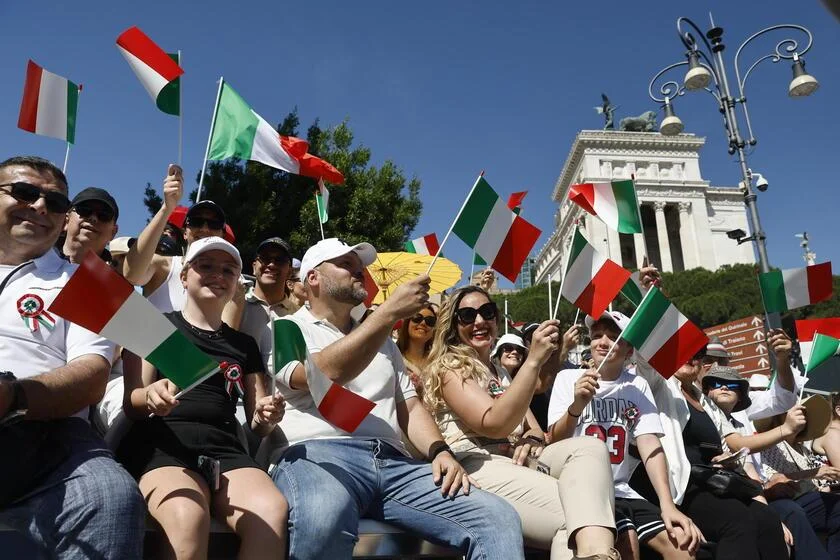
Italy story

Modern Italian identity is shaped by a deep connection to history, family, regional traditions, and culture. While regional identities remain strong—from Sicily to Lombardy—Italians share pride in their artistic legacy, cuisine, and historical achievements. Italy today combines democratic institutions with a vibrant cultural life and remains one of the world's most influential countries in art, design, fashion, and food.
Italy story

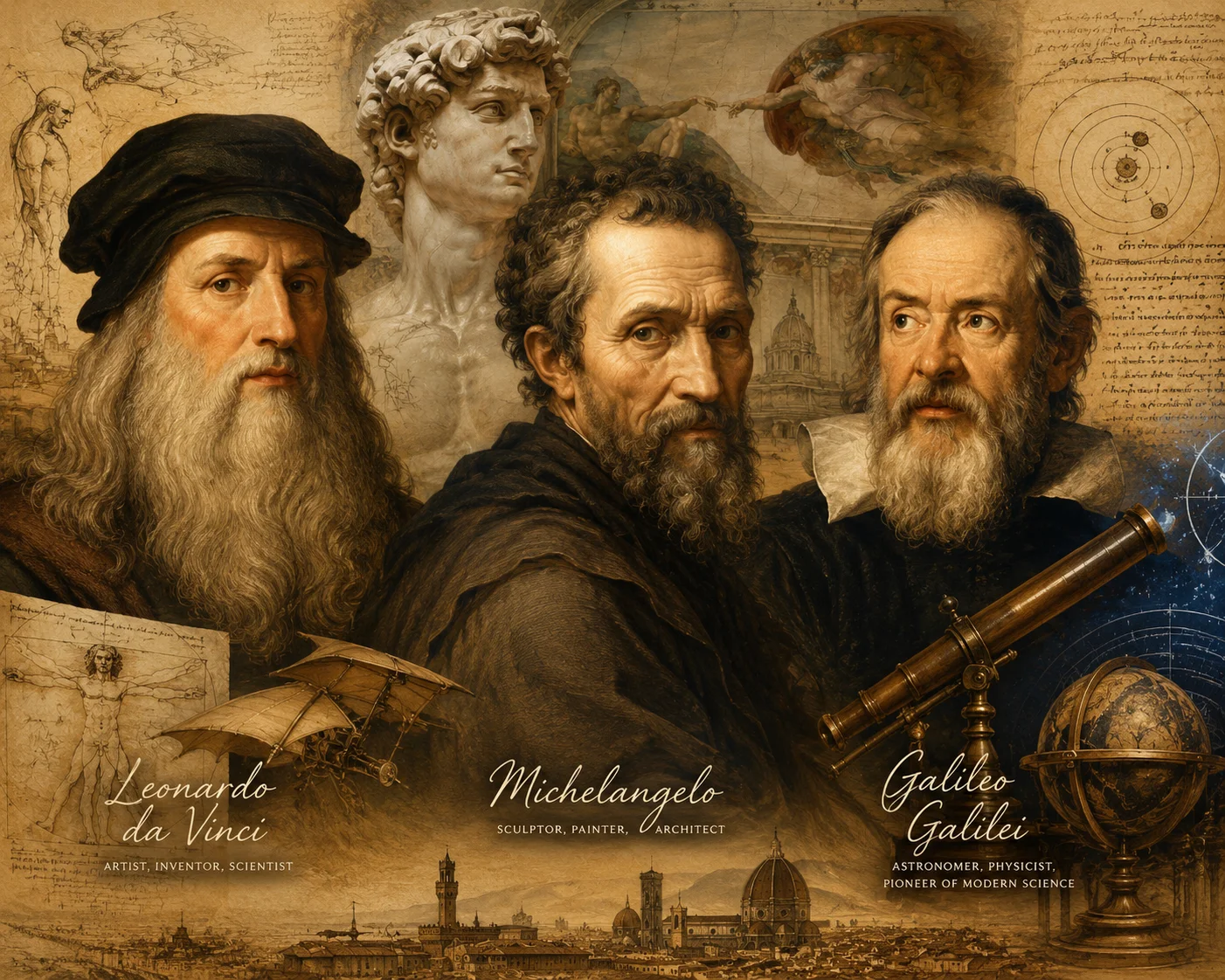
• Art and Renaissance

• Leonardo da Vinci (1452–1519) — Painter, inventor, and one of history's greatest geniuses
• Michelangelo (1475–1564) — Sculptor, painter, and architect of the Renaissance
• Raphael (1483–1520) — Master painter of harmony and beauty

• Literature and Philosophy

• Dante Alighieri (1265–1321) — Author of The Divine Comedy and father of the Italian language
• Niccolò Machiavelli (1469–1527) — Political thinker and author of The Prince
• Umberto Eco (1932–2016) — Novelist, philosopher, and scholar

• Science and Knowledge

• Galileo Galilei (1564–1642) — Pioneer of modern science and astronomy
• Enrico Fermi (1901–1954) — Physicist and pioneer of nuclear science
• Guglielmo Marconi (1874–1937) — Inventor and pioneer of wireless communication

• Politics and History

• Giuseppe Garibaldi (1807–1882) — Hero of Italian unification
• Camillo di Cavour (1810–1861) — Architect of modern Italy
• Sergio Mattarella (born 1941) — President of the Italian Republic since 2015

Italian is Known For

A quick look at the core characteristics, structures, and cultural definitions that shape the Italy reputation worldwide.

History & Heritage:

Italy preserves the legacy of Ancient Rome and the Renaissance, two foundations of Western civilization.

Art & Architecture:

Its cities are home to world-famous monuments, churches, museums, and archaeological treasures.

Cuisine:

Italian food is celebrated globally for its regional diversity, fresh ingredients, and culinary traditions.

Fashion & Design:

Italy is a global leader in luxury fashion, craftsmanship, and industrial design.

Family & Lifestyle:

Family, community, and social connection remain central to Italian life.

Regional Diversity:

Twenty regions maintain distinct traditions, dialects, cuisines, and identities.

Wine & Coffee Culture:

Italy is renowned for its vineyards, espresso culture, and long-standing culinary rituals.
The Italian Spirit
titleDecore bar

Understanding society, traditions, and daily life in Italy

Italian society is built around family, community, and personal relationships. Italians are generally warm, expressive, and sociable, placing great value on hospitality and human connection. Family plays a central role in daily life, and social interactions are often informal and lively. Regional identities remain strong, with northern Italy generally being more industrial and business-oriented, while southern Italy is often more traditional and family-centered.

Italy is globally recognized for its influence on fashion and design. Everyday clothing is often stylish yet practical, reflecting Italy's strong sense of aesthetics. Traditional dress varies by region and is mainly worn during festivals and historical celebrations rather than in daily life. Italian fashion houses have made the country one of the world's leading centers of luxury and design.

Italian is the official language and is spoken throughout the country. Major regional languages and dialects include Sicilian, Neapolitan, Venetian, Sardinian, and Lombard, reflecting Italy's long history of regional independence. English is widely spoken in tourist areas and major cities, though learning a few Italian phrases is appreciated by locals.

Music is central to Italy's cultural identity. Italy is the birthplace of opera and home to composers such as Verdi, Vivaldi, and Puccini. Traditional folk music varies by region, while modern Italian pop remains influential across Europe. Music festivals and public performances are an important part of cultural life.

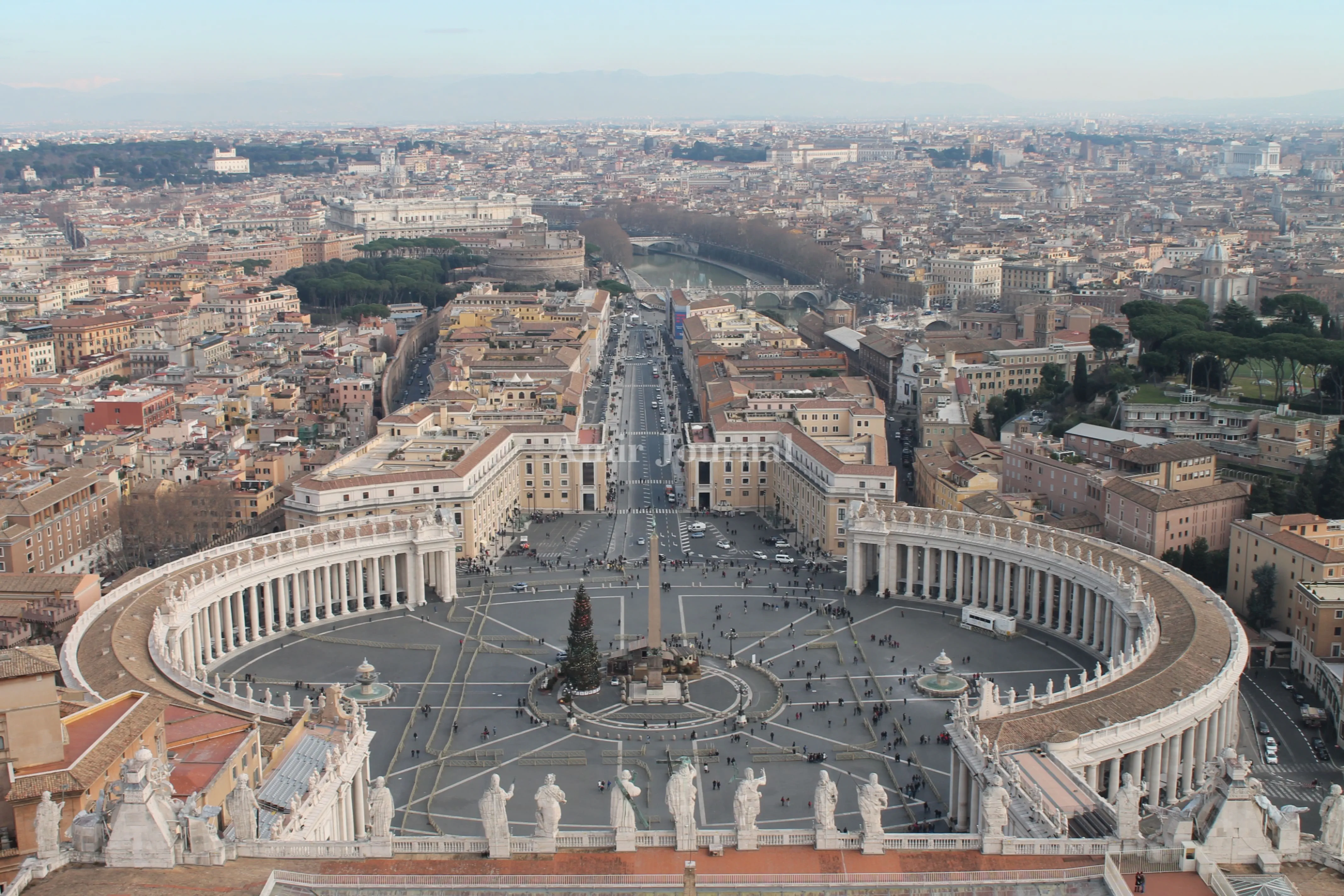
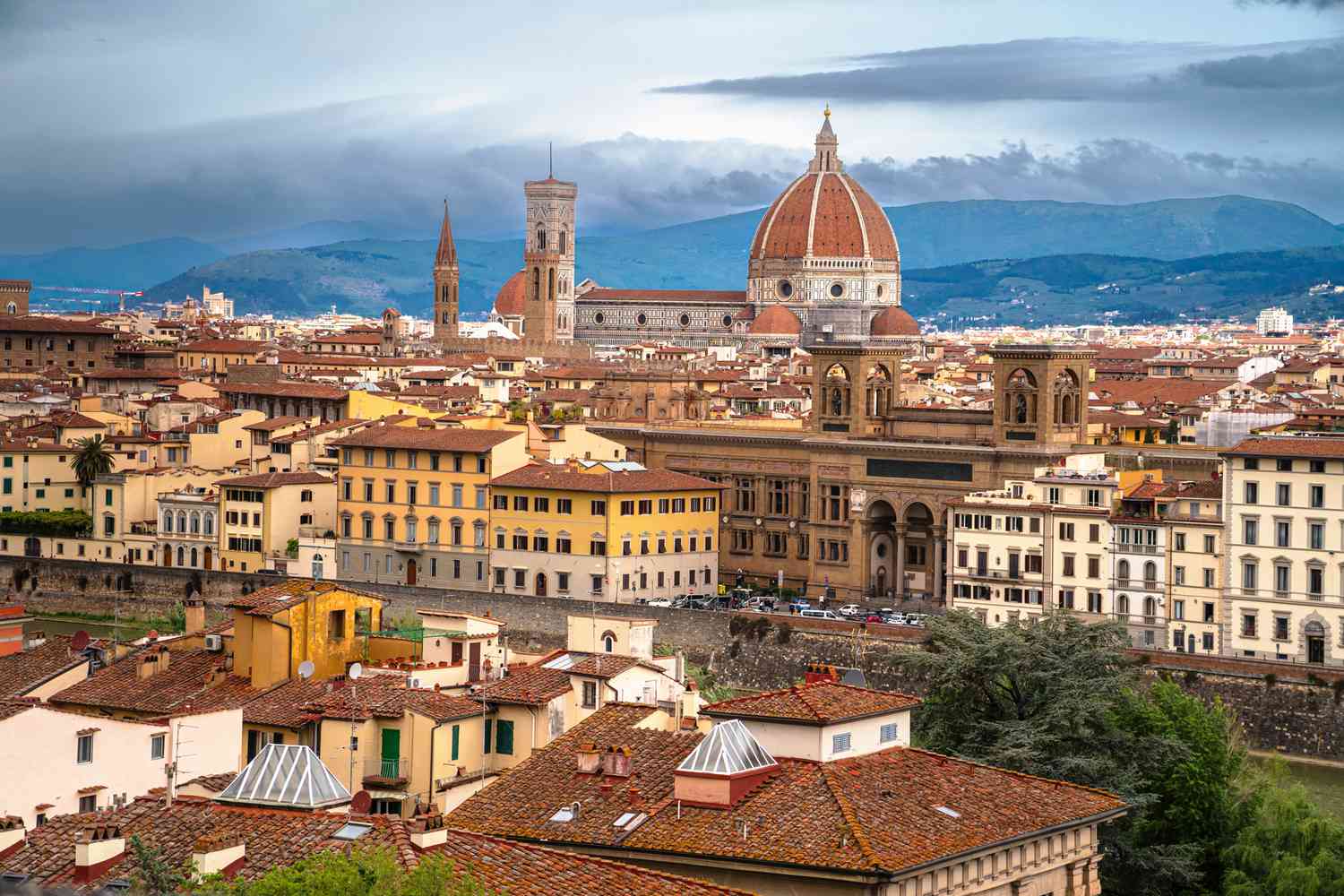
Italy has profoundly shaped world art and architecture. The Renaissance began in Italy, producing masters such as Leonardo da Vinci, Michelangelo, and Raphael. The country is home to Roman ruins, medieval towns, Renaissance palaces, and Baroque churches. Cities such as Rome, Florence, and Venice contain some of the world's most important artistic treasures.

Italy has historically been one of the centers of Christianity and is home to Vatican City, the spiritual center of the Roman Catholic Church. Although Catholic traditions remain influential, modern Italy has become increasingly secular. Religious festivals and church architecture continue to play an important role in Italian culture and identity.

Italy is becoming increasingly diverse through immigration and globalization.

Religious Composition

Most Italians identify as Christian, predominantly Roman Catholic. Muslim, Orthodox Christian, and other religious communities have grown in recent decades, while a growing number of people identify with no religion.

Ethnic Backgrounds

The majority of residents are ethnically Italian, with immigrant communities from Eastern Europe, North Africa, Asia, and other parts of Europe contributing to the country's diversity. Major cities such as Rome, Milan, and Turin are among Italy's most multicultural urban centers.

Italy Food Culture
titleDecore bar
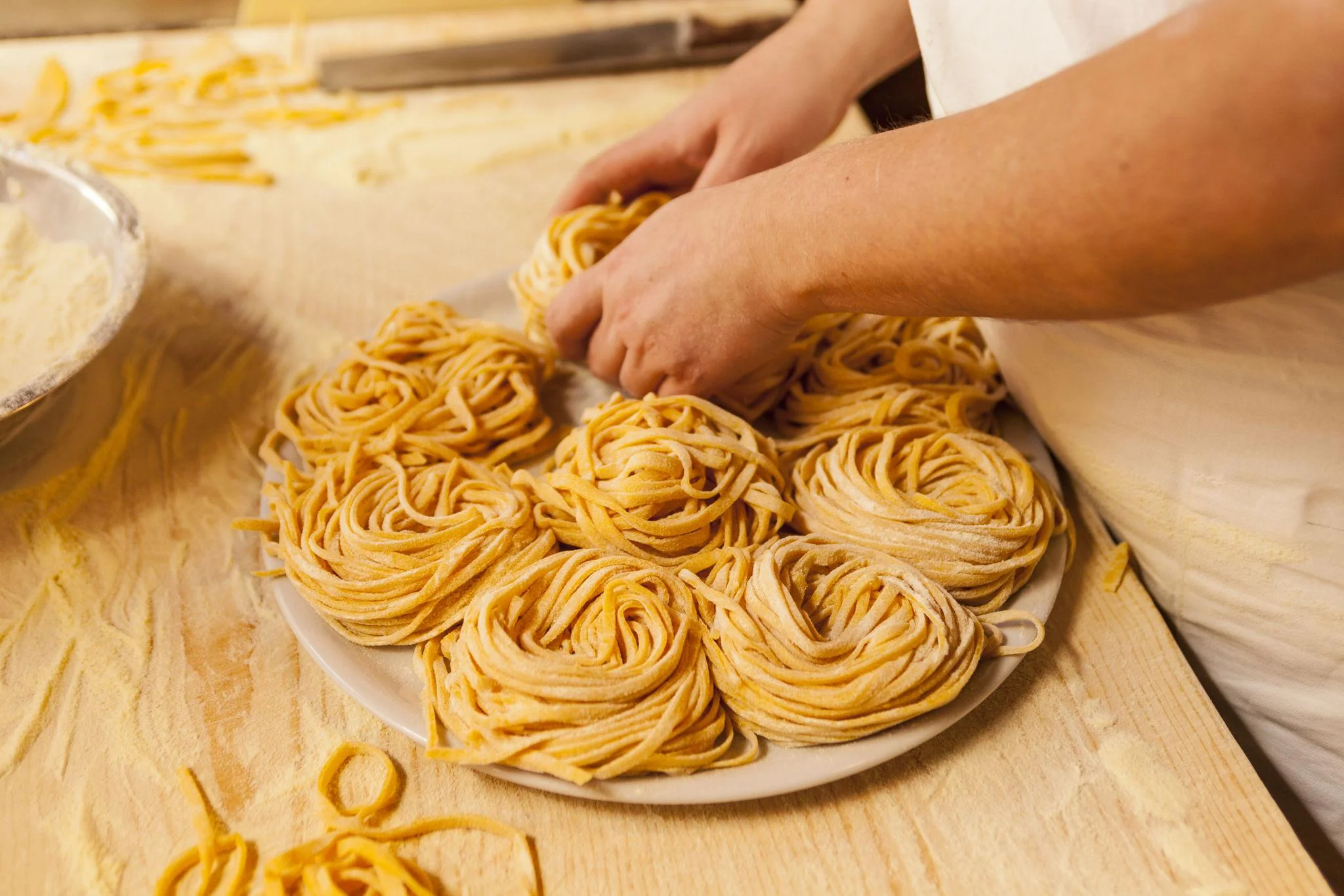
Italy - Pasta Culture

Pasta Culture

Italy is home to hundreds of pasta varieties, each linked to specific regions and traditions. • Spaghetti Carbonara: A Roman classic made with eggs, cheese, and guanciale • Lasagna: Layered pasta baked with meat, sauce, and cheese • Risotto: Creamy rice dish, especially popular in northern Italy

Italy - Main Dishes

Main Dishes

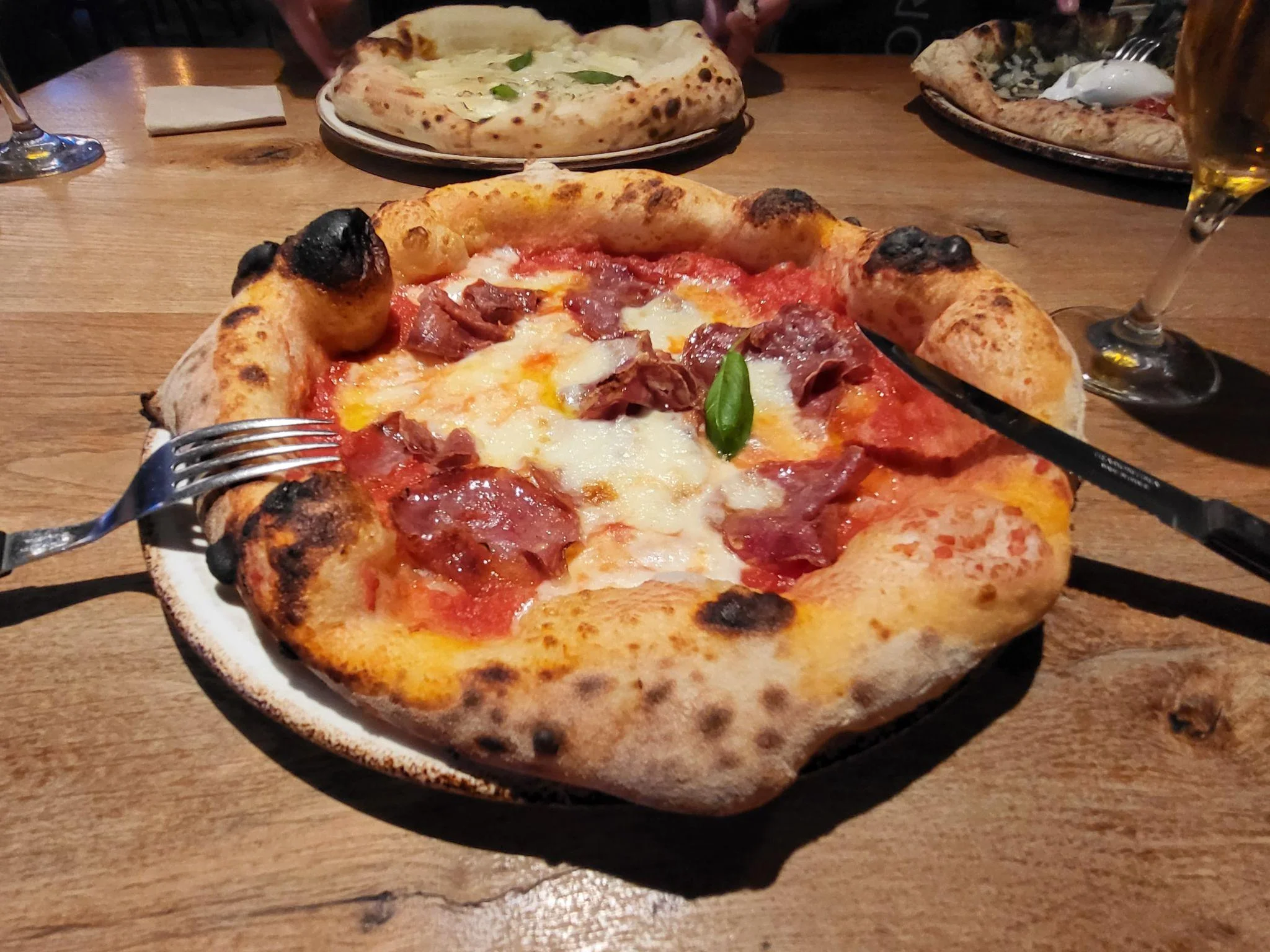
• Pizza Napoletana: Traditional Neapolitan pizza with a thin crust • Ossobuco: Braised veal shank from Milan • Arancini: Fried rice balls from Sicily • Parmigiana di Melanzane: Baked eggplant with tomato sauce and cheese

Pasta Culture

Italy is home to hundreds of pasta varieties, each linked to specific regions and traditions. • Spaghetti Carbonara: A Roman classic made with eggs, cheese, and guanciale • Lasagna: Layered pasta baked with meat, sauce, and cheese • Risotto: Creamy rice dish, especially popular in northern Italy

Main Dishes

• Pizza Napoletana: Traditional Neapolitan pizza with a thin crust • Ossobuco: Braised veal shank from Milan • Arancini: Fried rice balls from Sicily • Parmigiana di Melanzane: Baked eggplant with tomato sauce and cheese

Italy - Pasta Culture

Pasta Culture

Italy - Main Dishes

Main Dishes

Explore Italy
titleDecore bar

Italy is a country where history, art, and everyday life blend seamlessly. From ancient Roman ruins and Renaissance cities to stunning coastlines and alpine landscapes, it offers endless experiences to discover. Its landscapes range from the Alps in the north to the Mediterranean islands in the south, each preserving its own traditions and identity. Exploring Italy means experiencing world-class culture, regional diversity, and the timeless beauty of the Mediterranean.

Cities & Highlights

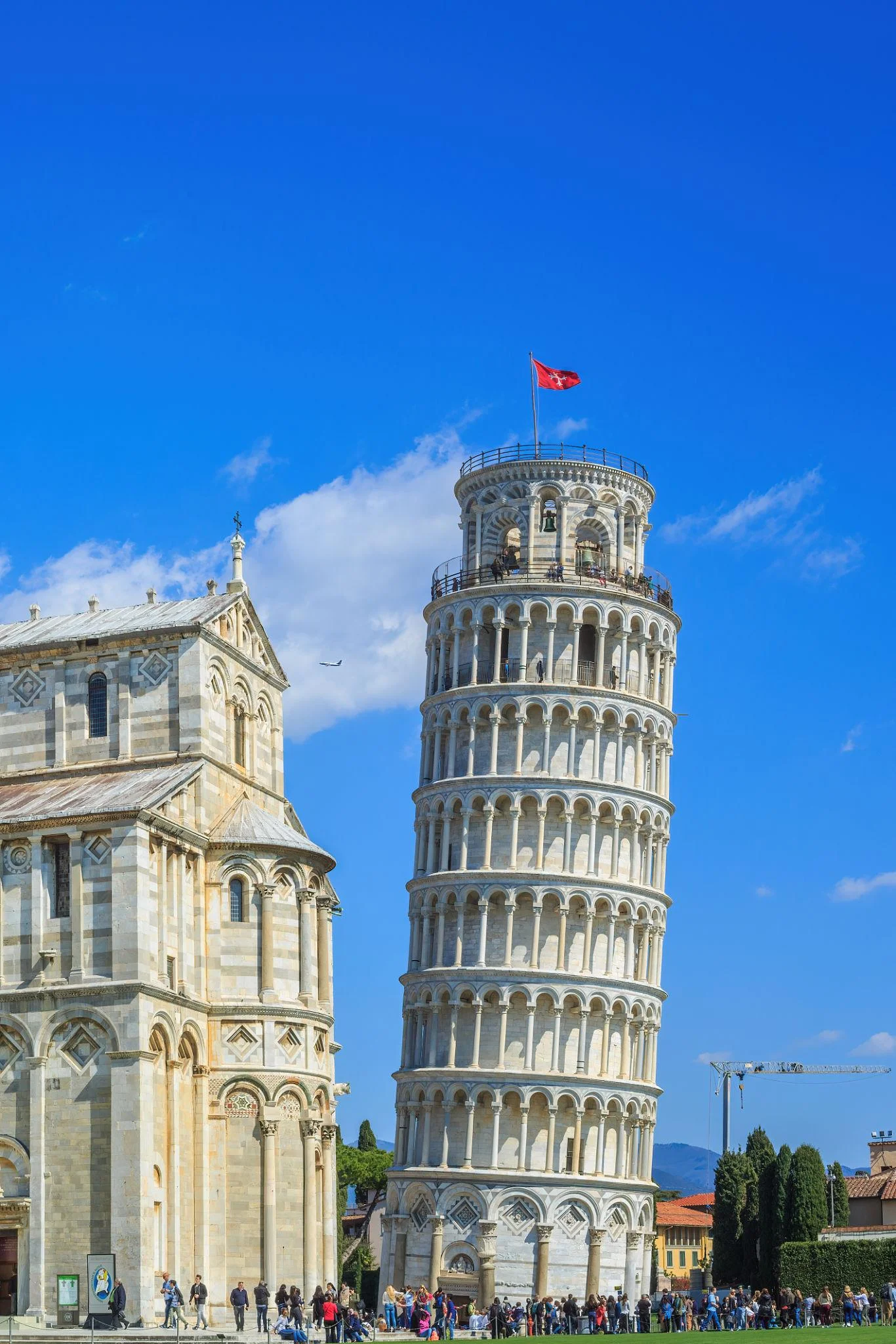
Best known for its iconic leaning tower, Pisa was once a powerful maritime republic and remains one of Italy’s most famous historic cities.

Leaning Tower of Pisa

Leaning Tower of PisaUNESCO

World-famous bell tower celebrated for its distinctive tilt.

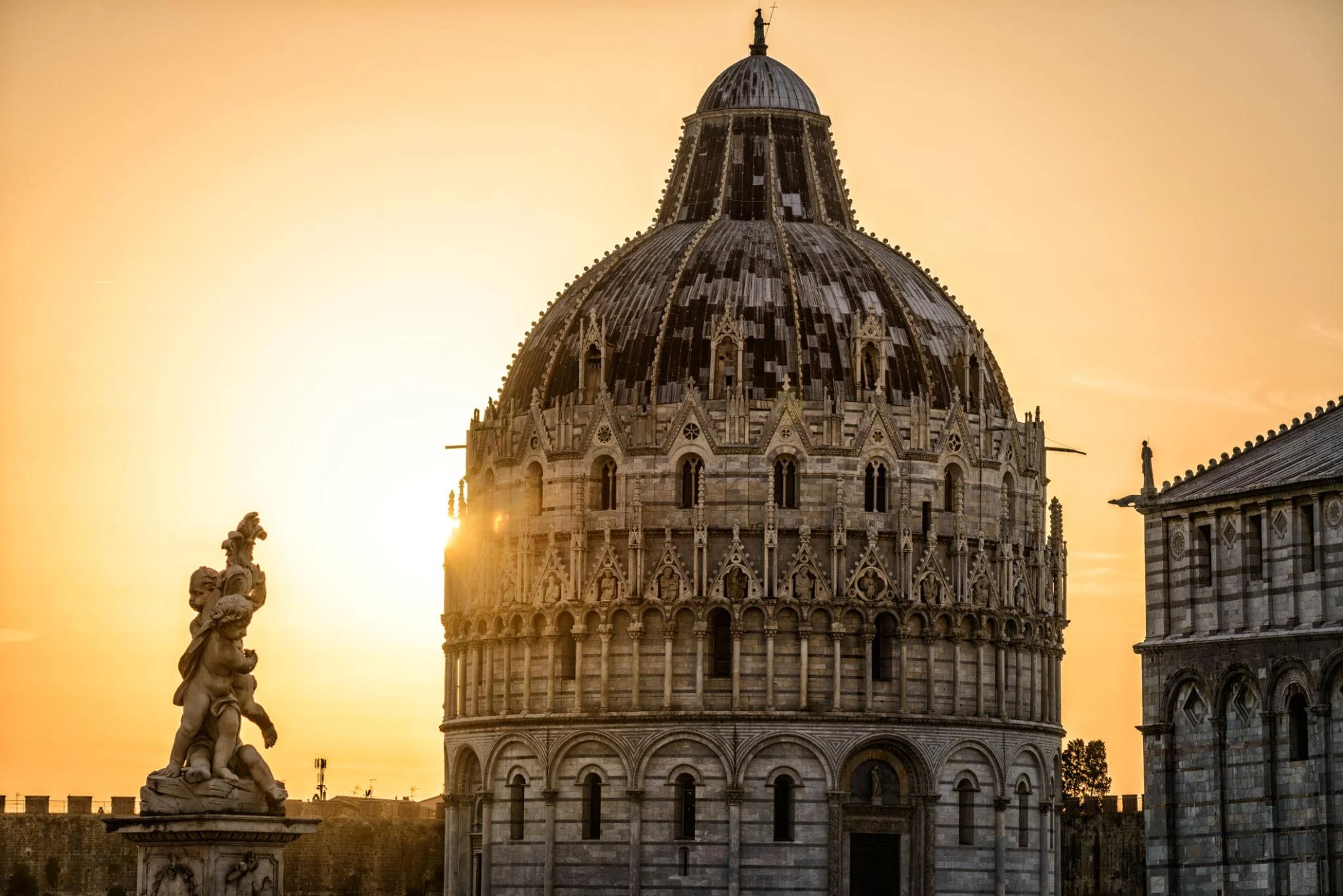
Piazza dei Miracoli

Piazza dei MiracoliUNESCO

Magnificent complex featuring the cathedral, baptistery, and tower.

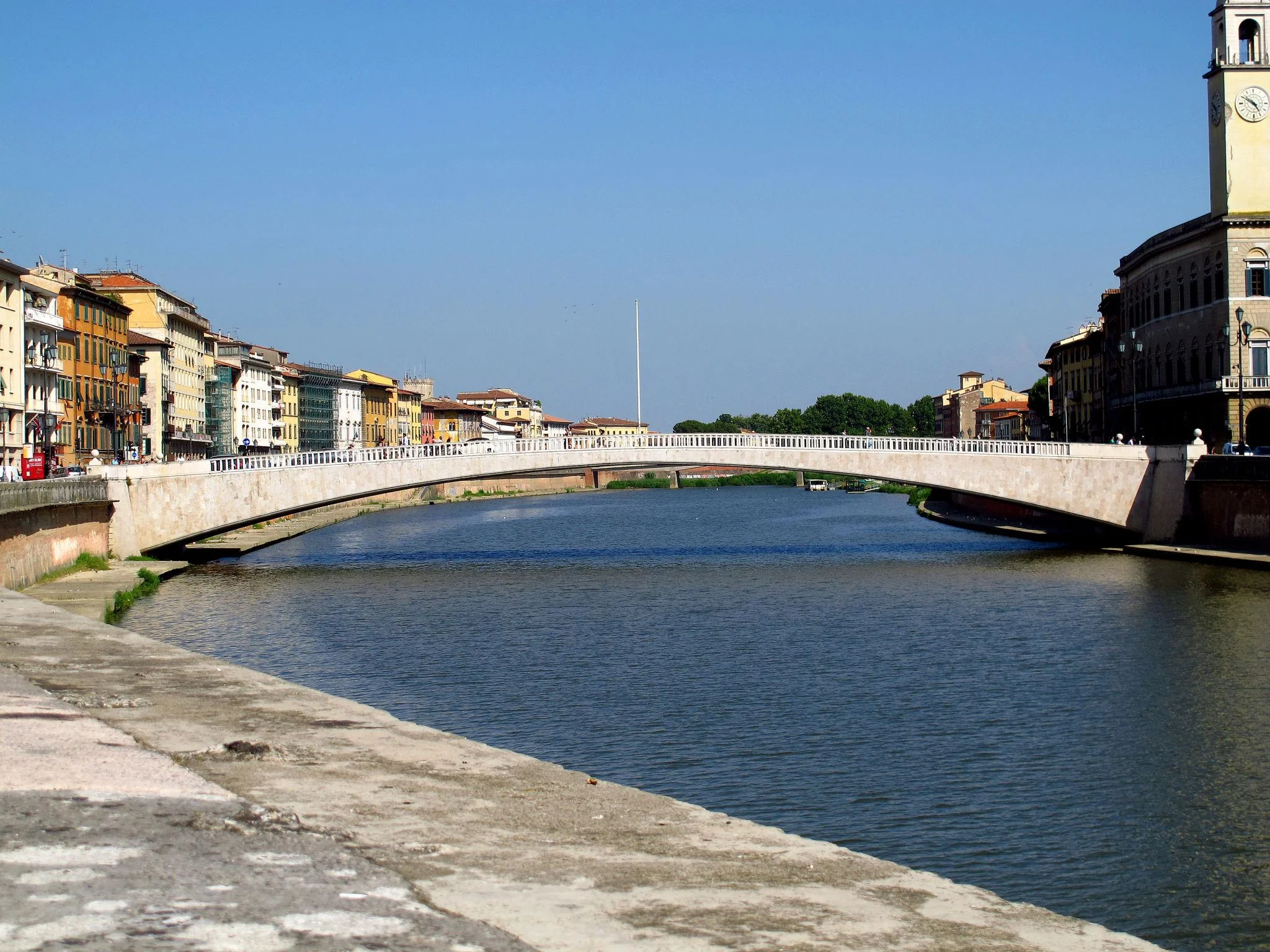
Arno River Promenade

Arno River Promenade

Scenic riverside area lined with historic buildings.

Special Experiences
titleDecore bar

Italy rewards those who slow down and embrace its rhythm. From Renaissance masterpieces and ancient Roman ruins to vineyard-covered hills and sun-drenched Mediterranean coastlines, the country offers experiences that range from the exhilarating to the deeply contemplative. Whether sharing a long family meal in a quiet village, watching the sunset over Venice’s canals, or strolling through a lively piazza during the evening *passeggiata*, Italy invites travelers not merely to visit, but to savor life itself. These are the moments that make a journey through Italy truly unforgettable.

Italy’s cultural life is deeply shaped by centuries of Roman heritage, Christianity, regional identities, and local traditions. Festivals are not merely entertainment—they are expressions of community pride, history, and everyday life. Throughout the year, Italians celebrate with music, food, processions, and public gatherings that connect the past with the present.

Febrauray

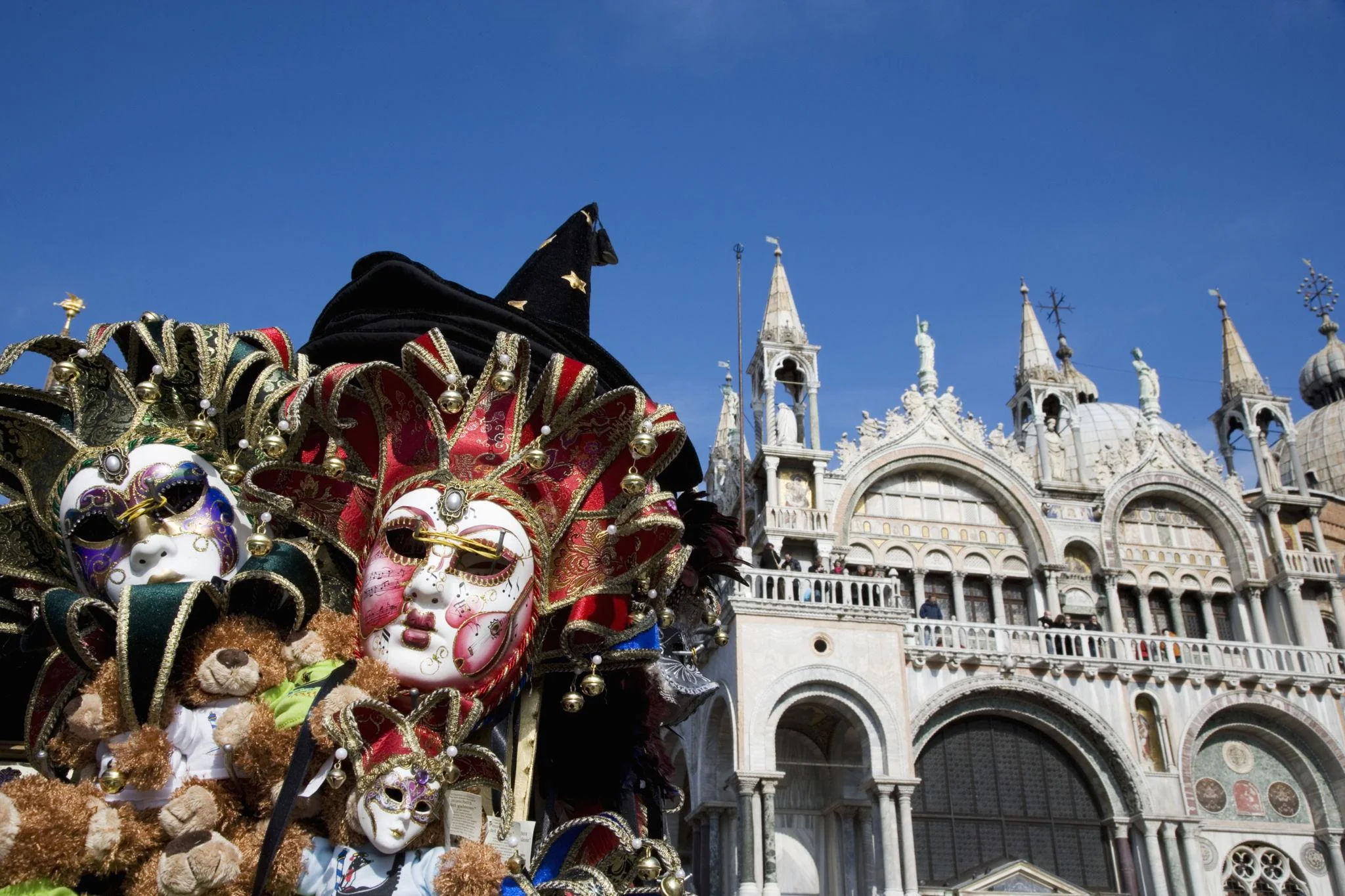
Venice Carnival

Venice

One of the world's most famous festivals, the Venice Carnival dates back to the Middle Ages. Visitors wear elaborate masks and costumes while the city becomes an open-air stage of parades, performances, and masquerade balls.

Venice Carnival

July 2 & August 16

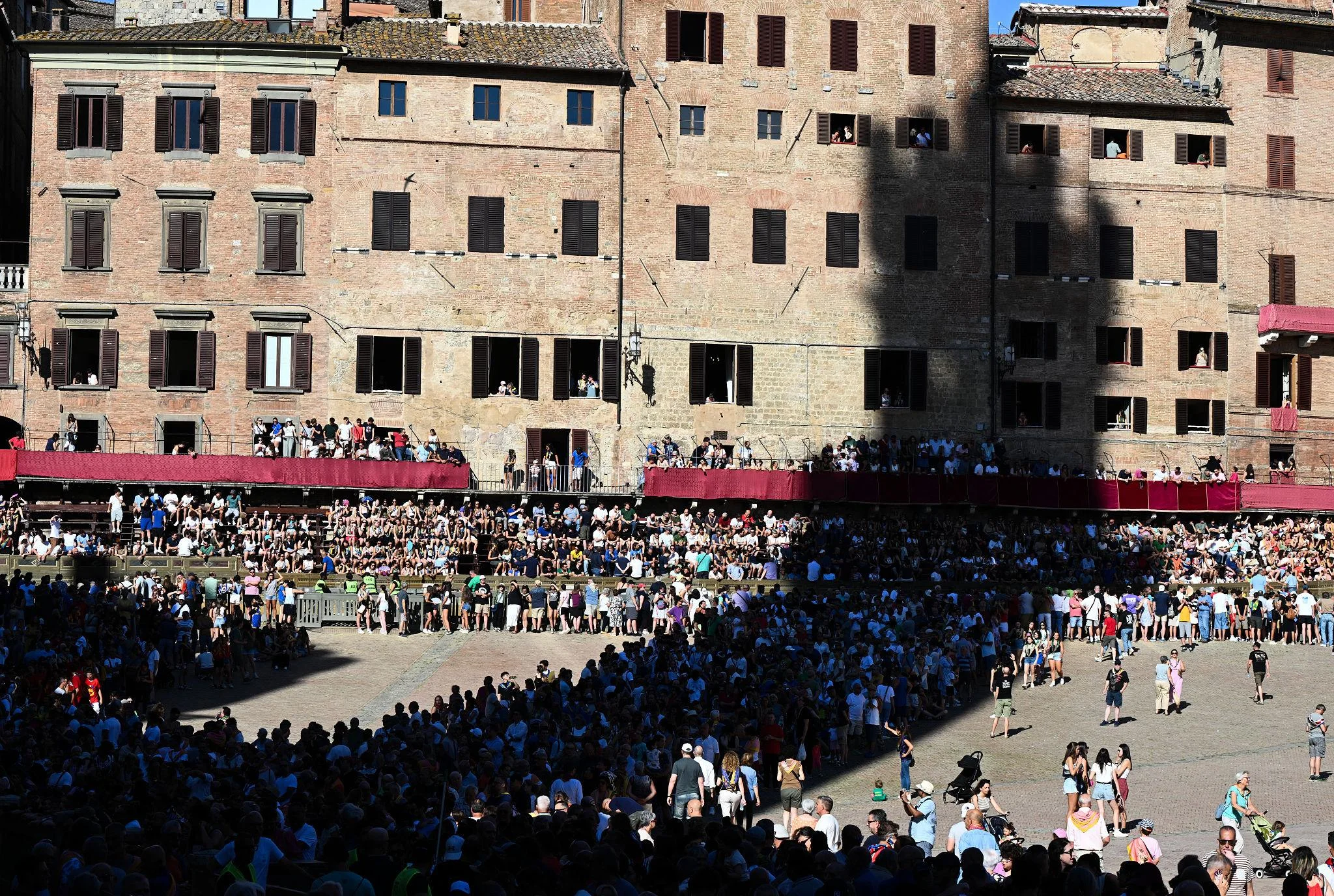
Palio di Siena

Siena

A centuries-old horse race held in Piazza del Campo. More than a sporting event, the Palio is a passionate competition between Siena’s historic districts (contrade), each with its own traditions, symbols, and identity.

Palio di Siena

March or April

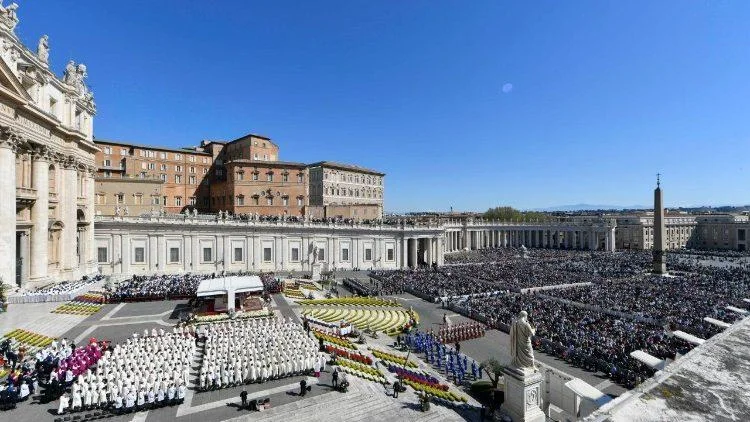
Easter Celebrations

Rome & Across Italy

Easter is one of Italy’s most important religious holidays. Rome hosts major ceremonies led by the Pope, while towns throughout the country organize processions, music, and community celebrations.

Easter Celebrations

Late November to December

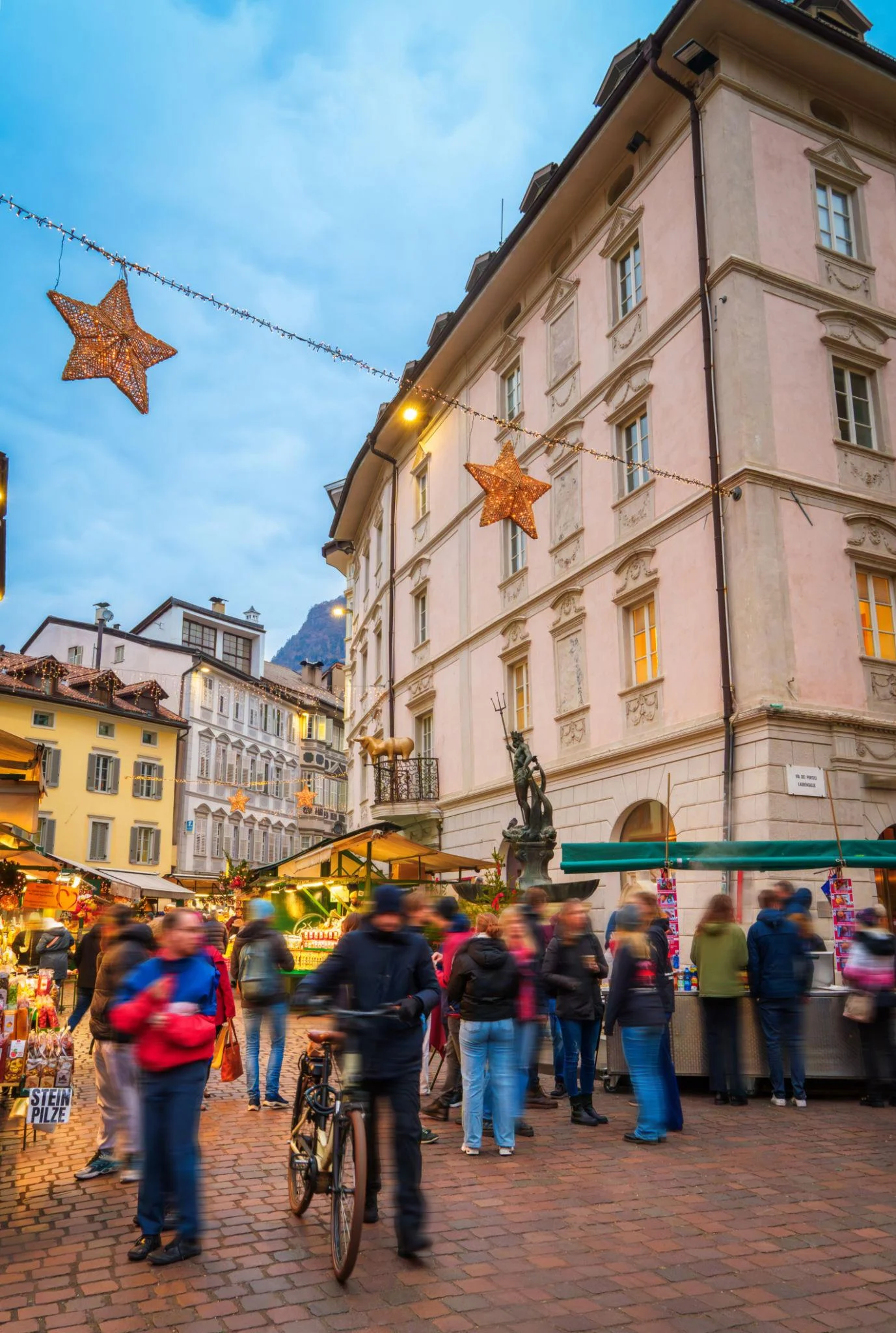
Christmas Markets

Northern Italy

Inspired by Alpine traditions, these markets feature local crafts, seasonal foods, and festive decorations. Cities such as Bolzano and Trento are especially renowned for their Christmas atmosphere.

Christmas Markets
Shopping
titleDecore bar

Shopping in Italy is a blend of craftsmanship, elegance, and tradition. From luxury fashion houses to artisanal products and regional specialties, Italian goods are celebrated worldwide for their quality, style, and heritage. “Made in Italy” remains one of the most respected labels in global design and manufacturing

Well-Known Brands

Italy is one of the world's fashion capitals, with brands that have shaped global trends for decades. Italian luxury labels are known for exceptional craftsmanship, premium materials, and sophisticated design.

Gucci
Gucci

Founded in Florence in 1921, Gucci is one of the world's leading luxury fashion houses, recognised for its leather goods, handbags, footwear, and iconic designs.

Prada
Prada

Established in Milan in 1913, Prada is renowned for minimalist elegance, innovation, and luxury fashion that blends tradition with modernity.

Armani
Armani

Founded by Giorgio Armani in 1975, the brand revolutionised modern tailoring and remains synonymous with refined Italian style.

Versace
Versace

Known for bold designs and distinctive motifs, Versace has become one of Italy's most recognisable luxury brands since its founding in 1978

Dolce & Gabbana
Dolce & Gabbana

Inspired by Sicilian heritage and Mediterranean culture, Dolce & Gabbana is famous for vibrant designs and Italian craftsmanship.

Valentino
Valentino

Founded in Rome in 1960, Valentino is celebrated for haute couture, elegant evening wear, and timeless luxury.

Local Goods & Retail

Italian souvenirs are often practical, artisanal, and deeply connected to regional traditions. Rather than being purely decorative, many reflect Italy’s rich heritage of craftsmanship, food culture, and local identity, allowing visitors to take home an authentic piece of Italian life.

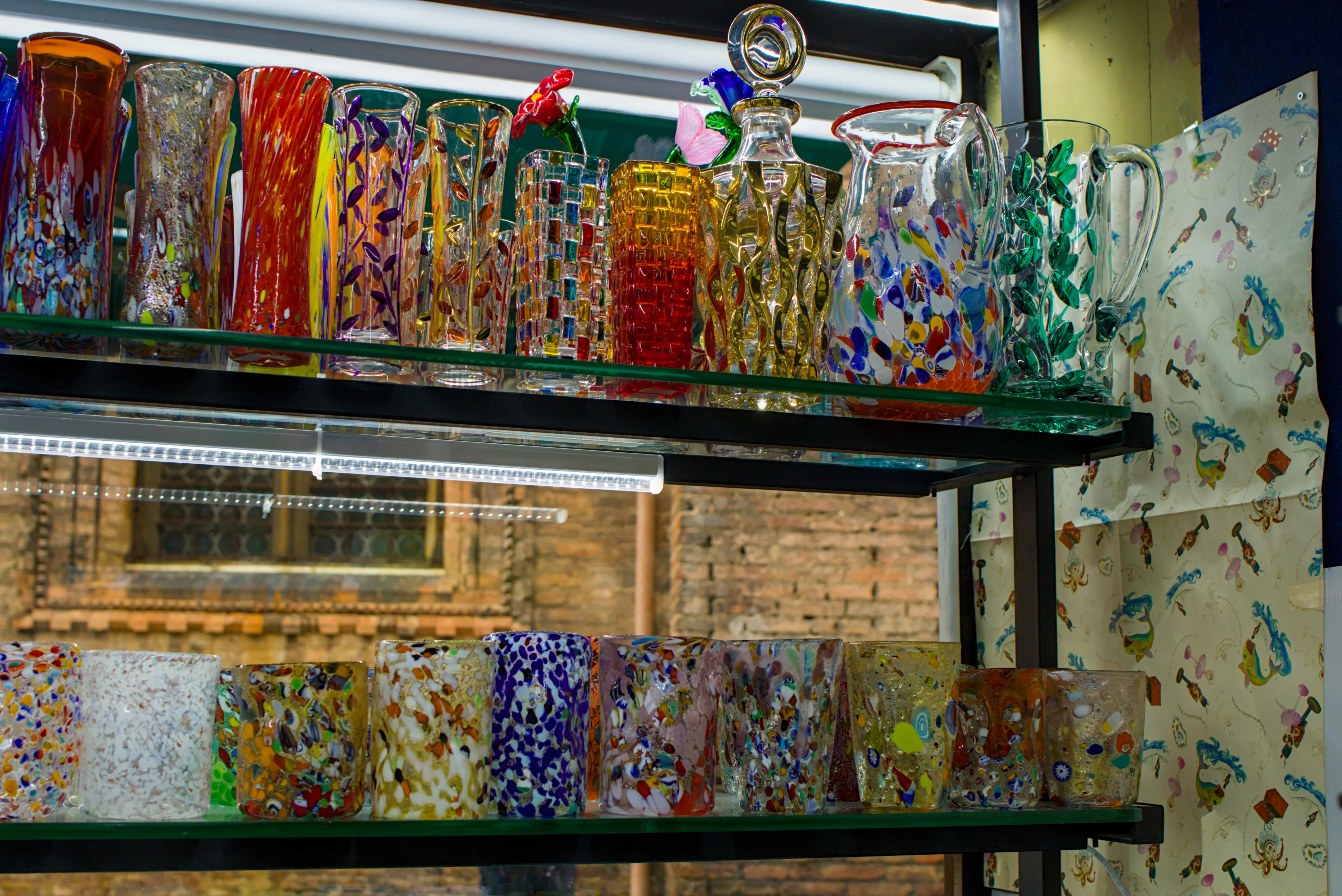
Venetian Glass
Venetian Glass

Venice

Handcrafted glassware has been produced in Venice for centuries using traditional techniques. Popular items include vases, jewelry, ornaments, and decorative pieces featuring vibrant colors and intricate designs.

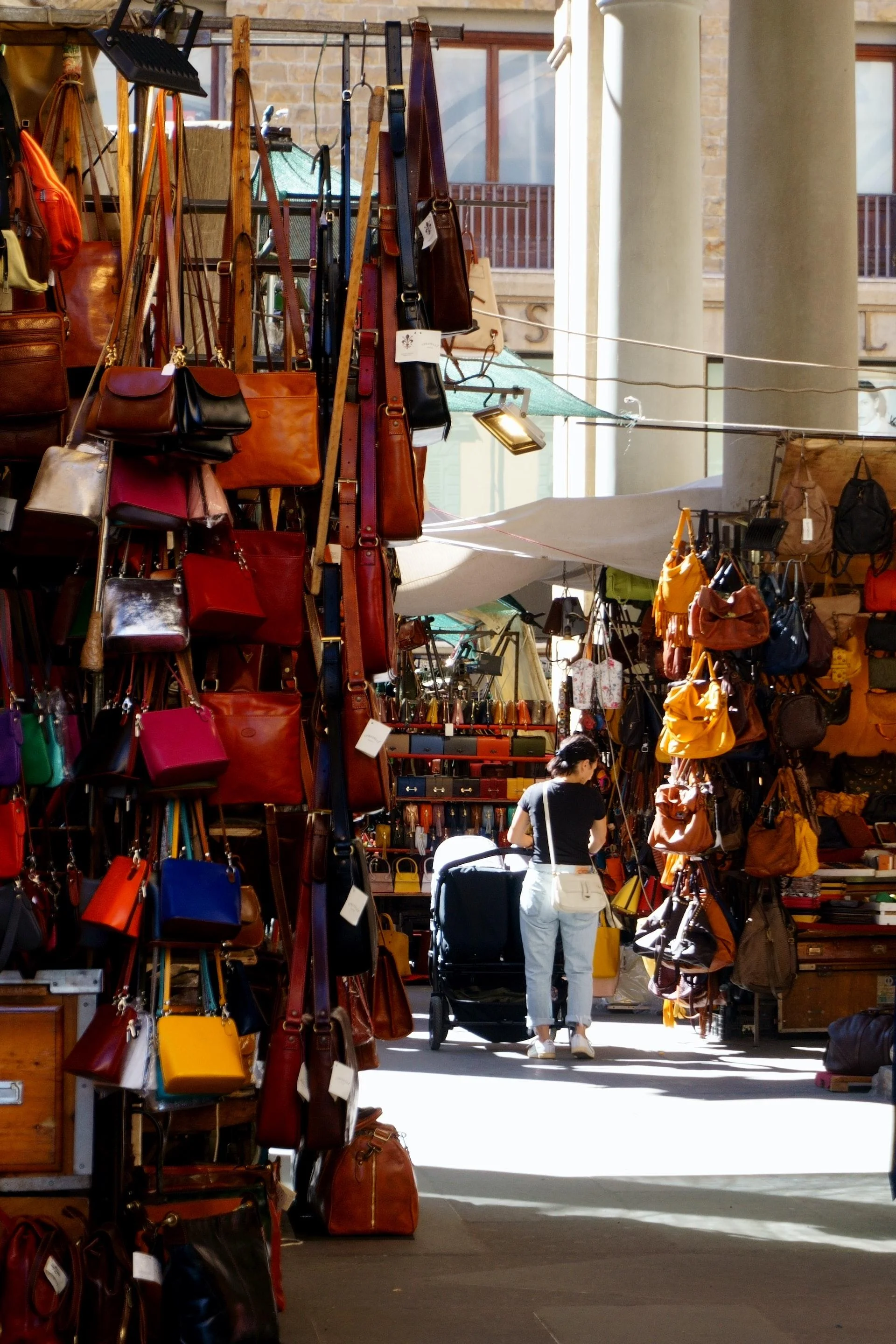
Leather Goods
Leather Goods

Florence

Florence is renowned for high-quality Italian leather craftsmanship. Visitors can find handbags, wallets, belts, jackets, and notebooks made by local artisans.

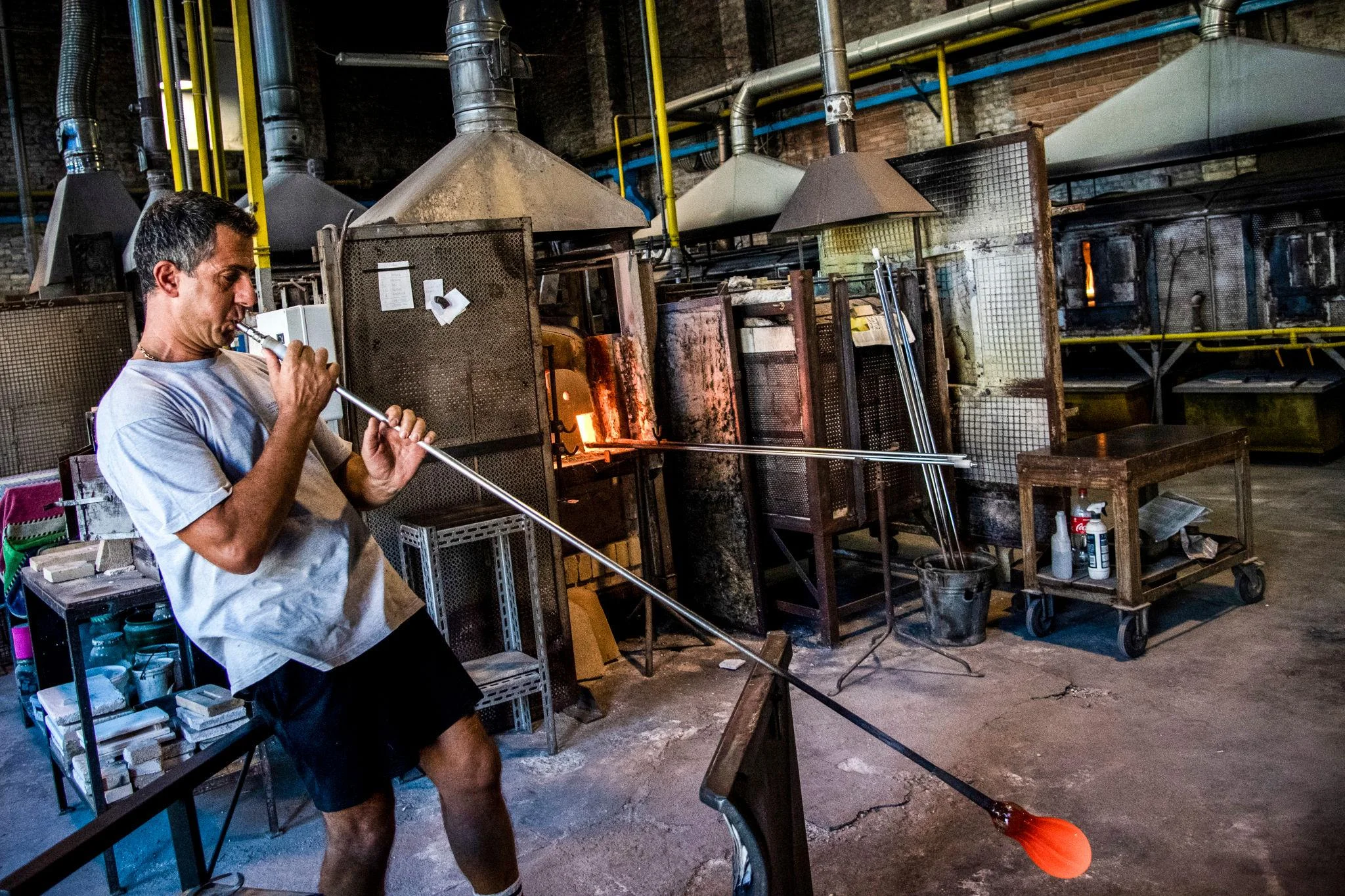
Murano Glass
Murano Glass

Murano (Venice)

The island of Murano is world-famous for glassmaking dating back to the 13th century. Authentic Murano glass often carries certificates of origin to distinguish it from imitations.

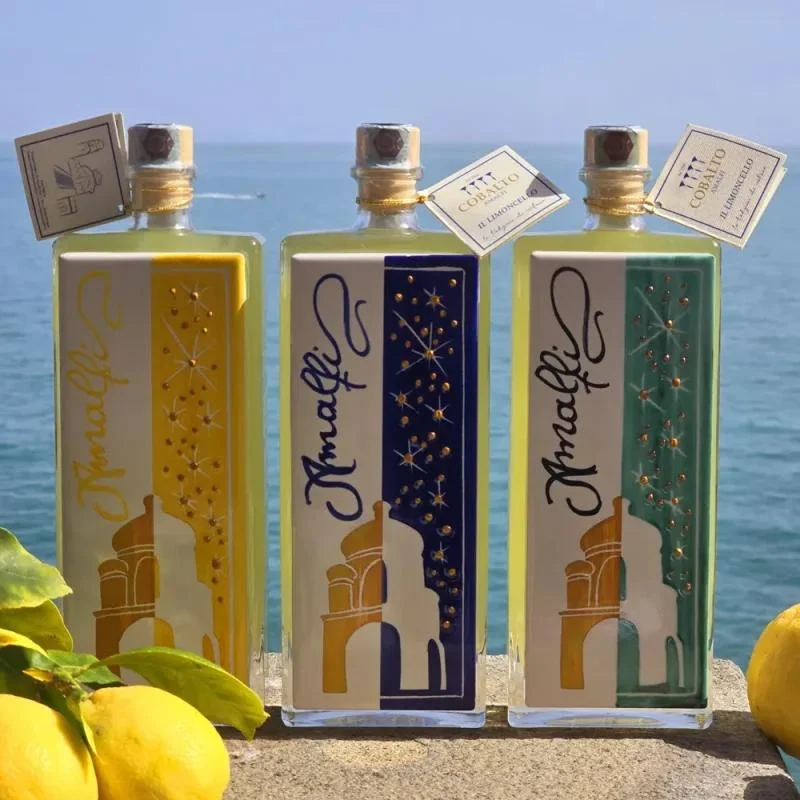
Limoncello
Limoncello

Amalfi Coast & Sorrento

This traditional lemon liqueur is made from locally grown lemons known for their intense aroma and flavor. Bottles of limoncello are among southern Italy’s most popular gifts.

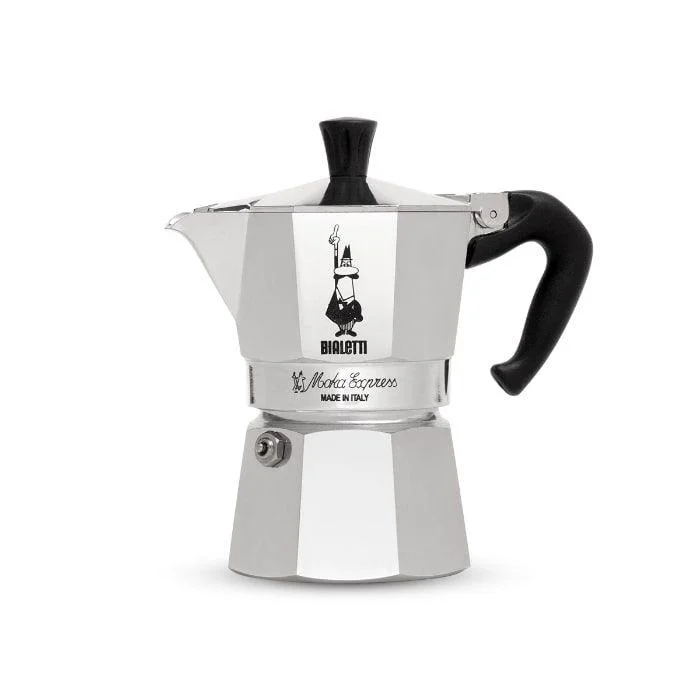
Bialetti Moka Pot
Bialetti Moka Pot

Nationwide

The iconic stovetop coffee maker is a symbol of Italian coffee culture and remains a practical souvenir used in homes worldwide.

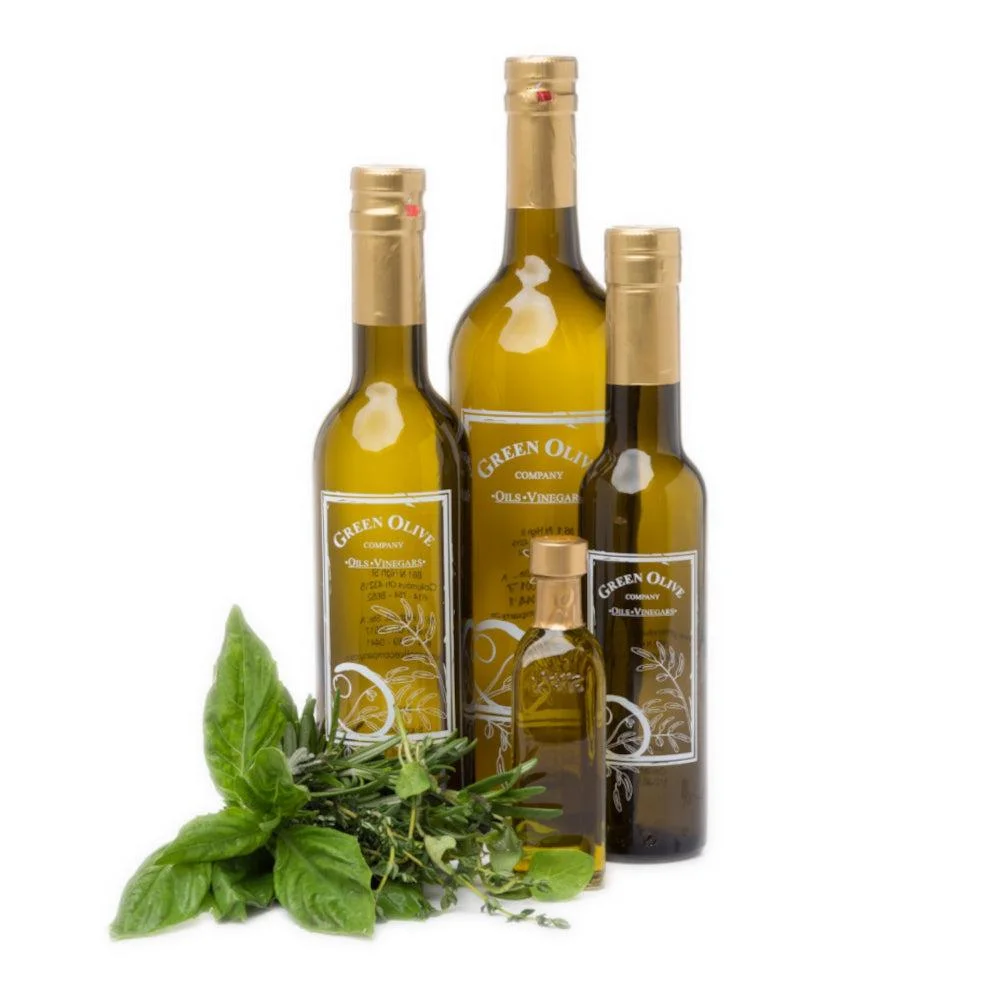
Olive Oil
Olive Oil

Tuscany & Puglia

Italy produces some of the world’s finest extra virgin olive oils. Regional varieties differ in flavor, ranging from delicate and fruity to rich and peppery.

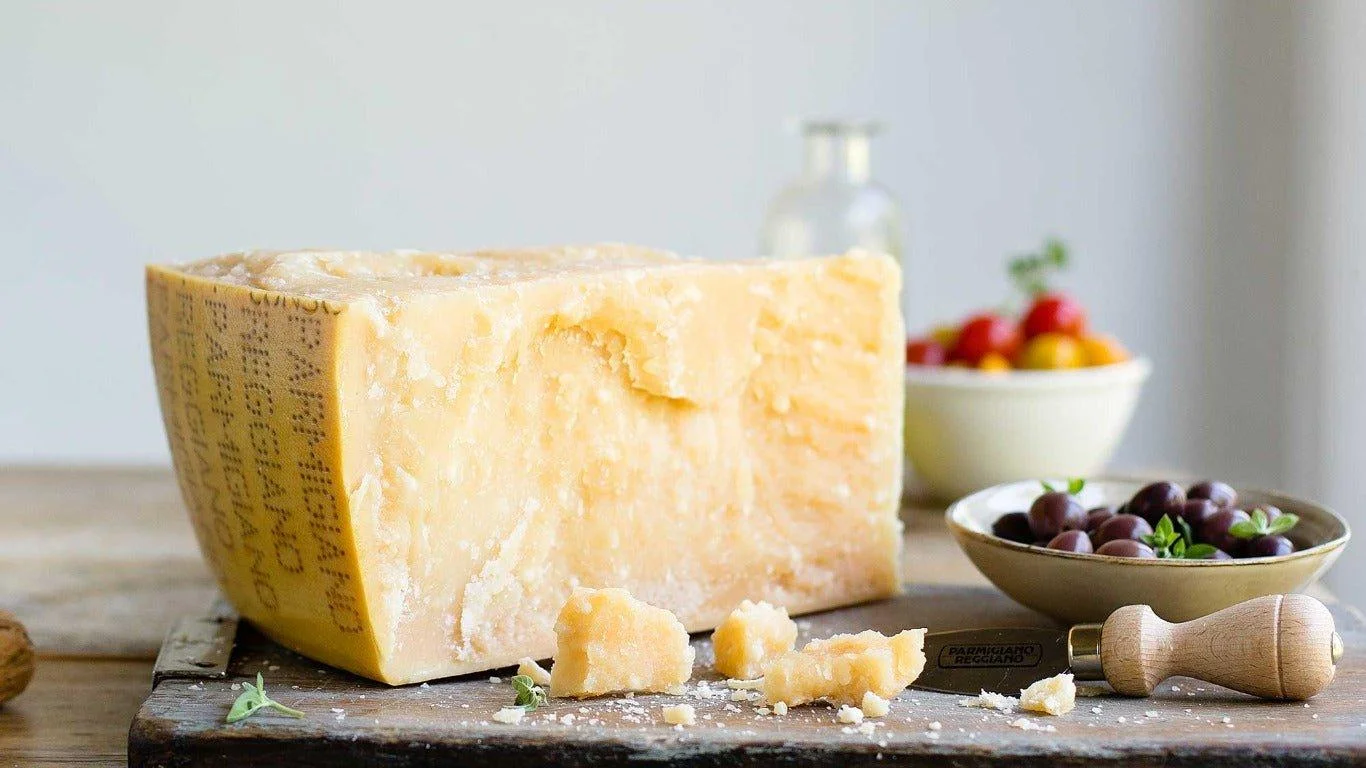
Parmigiano Reggiano
Parmigiano Reggiano

Emilia-Romagna

Often called the “King of Cheeses,” authentic Parmigiano Reggiano is aged for months or years and protected by strict production standards.

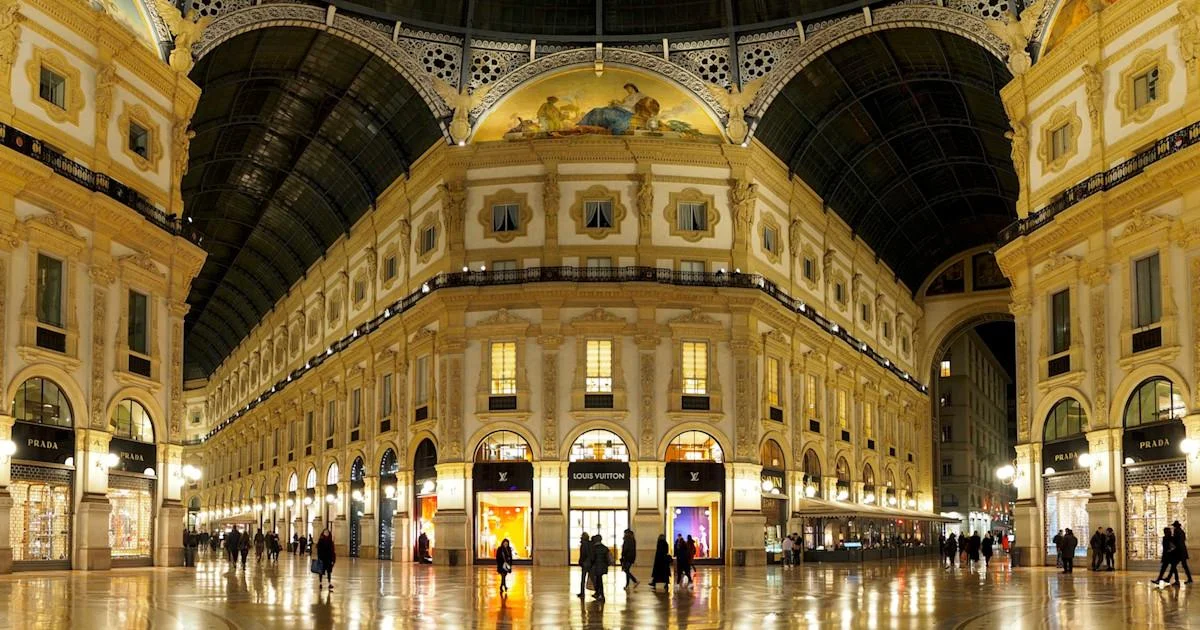
Fashion Accessories
Fashion Accessories

Milan

Italy’s fashion capital offers scarves, ties, sunglasses, gloves, and designer accessories ranging from luxury brands to independent boutiques.

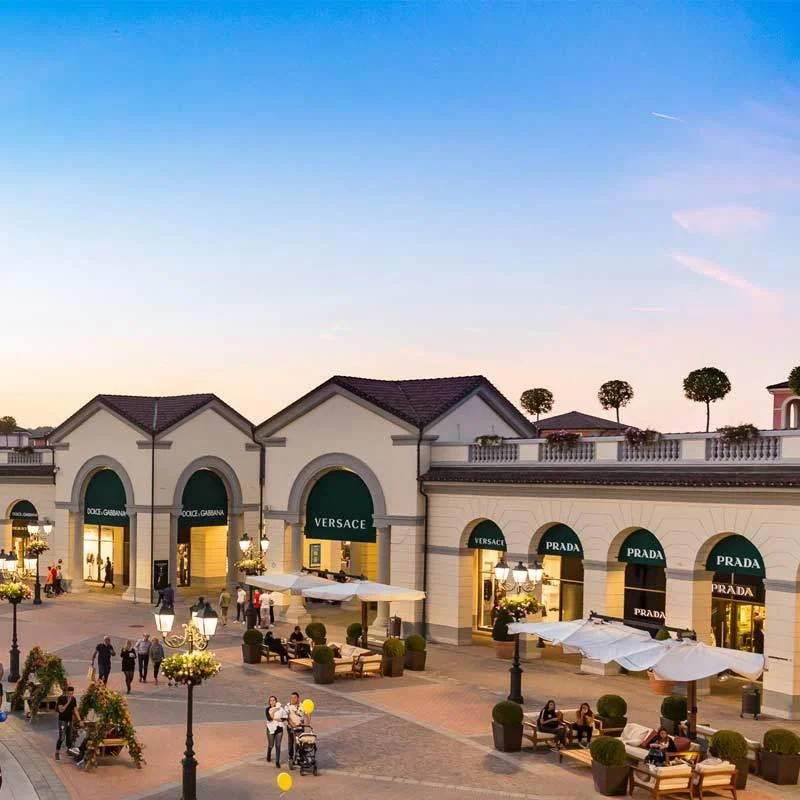
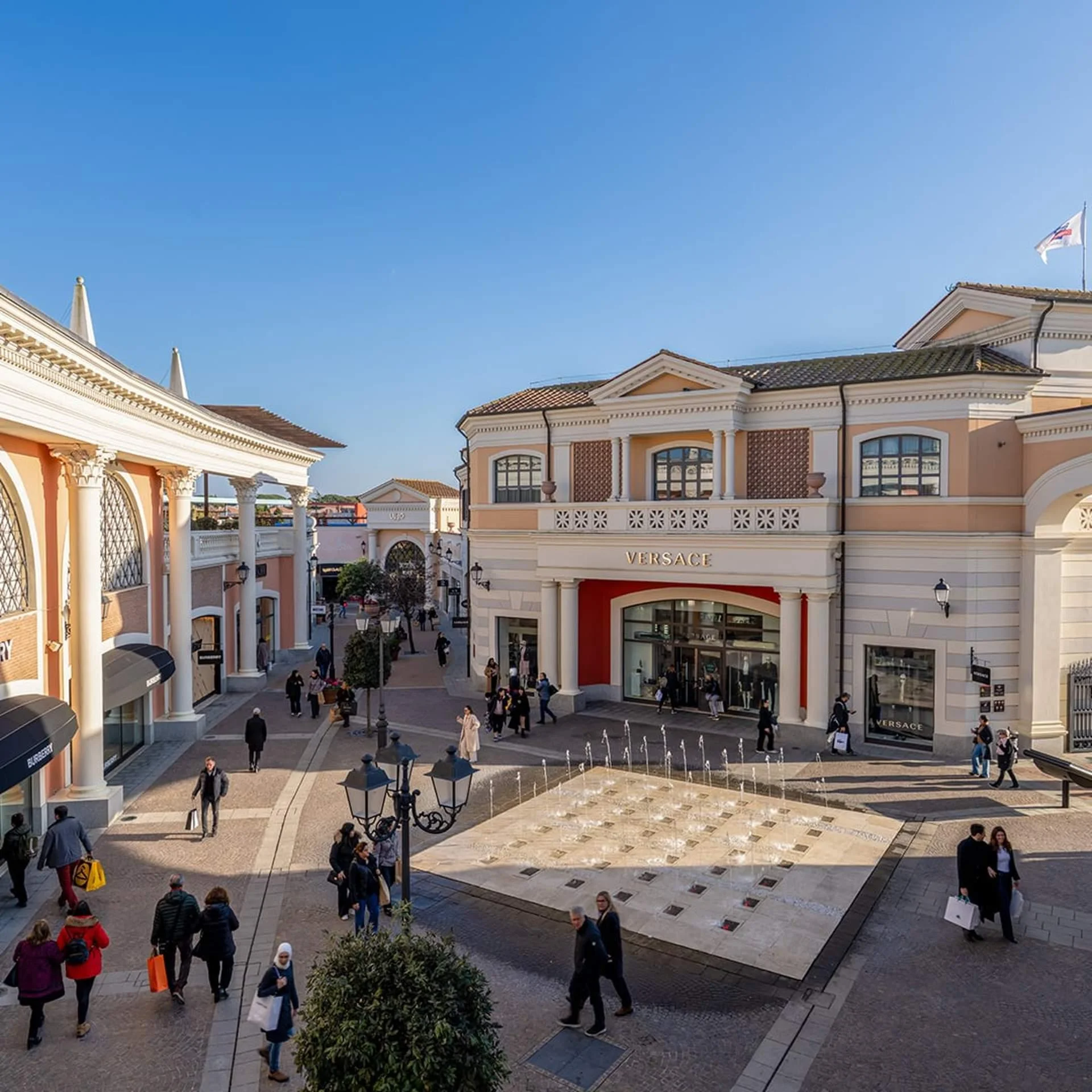
Outlet malls are excellent places to purchase luxury and designer goods at discounted prices, often offering savings of 30–70% off retail prices.

Serravalle Designer Outlet

near Milan

One of Europe’s largest outlet villages, featuring numerous Italian and international luxury brands.

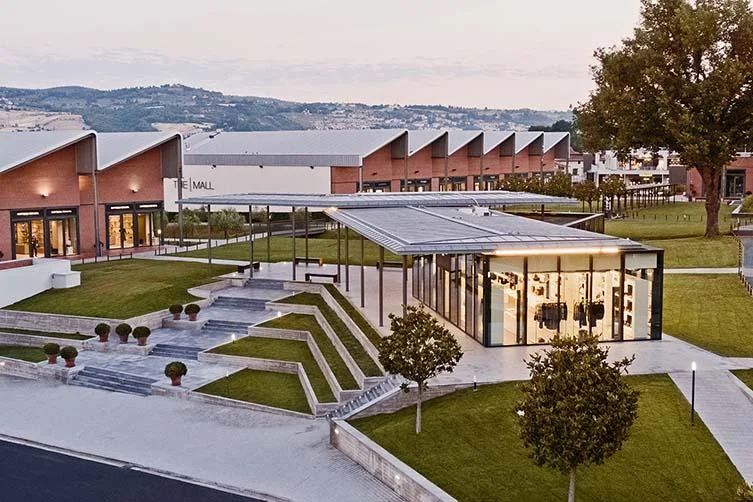
The Mall Firenze
The Mall Firenze

near Florence

Renowned for premium luxury shopping and famous Italian fashion houses.

Castel Romano Designer Outlet

near Rome

An open-air shopping village offering fashion, sportswear, and lifestyle brands.

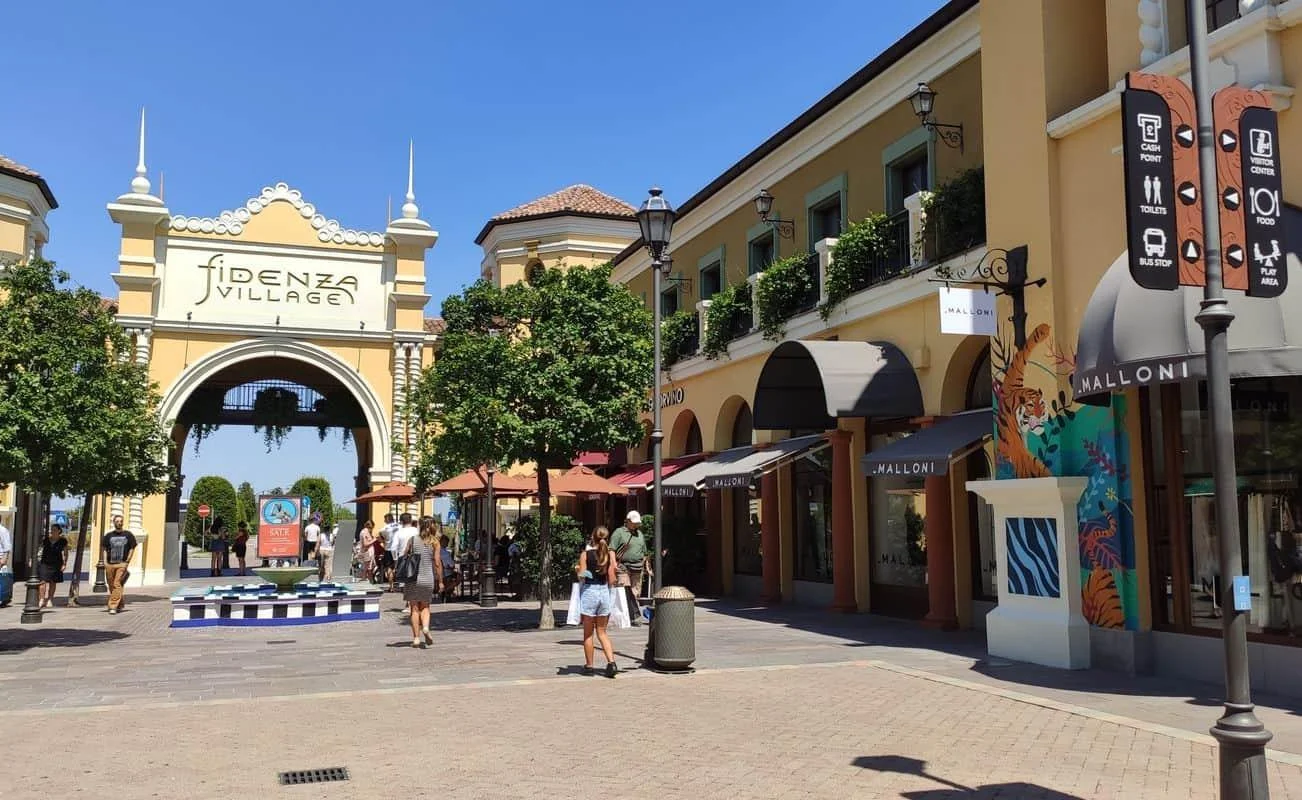
Fidenza Village
Fidenza Village

near Parma

A stylish outlet destination combining luxury shopping with the culinary heritage of Emilia-Romagna.

Getting Around & Accommodation
titleDecore bar

A seasonal breakdown of Italy to help you choose the best climate and cultural experiences.

When to Visit

A seasonal breakdown of Italy to help you choose the best climate and event experiences.

Spring

April to June

One of the best times to visit Italy. The weather is mild, flowers bloom across the countryside, and major attractions are less crowded than in summer. Cities become lively while coastal regions begin reopening for the season.

WEATHER PROFILE

Mild and comfortable — 15–25°C. Occasional spring showers, especially in northern Italy. Evenings can still be cool.

SEASONAL HIGHLIGHTS

• Wildflowers in Tuscany and Umbria.

• Easter celebrations and religious processions.

• Pleasant city sightseeing in Rome, Florence, and Venice.

• Vineyards and countryside landscapes at their greenest.

Summer

June to August

Peak tourist season across Italy. Beaches, islands, festivals, and outdoor dining create a vibrant atmosphere. Expect large crowds in major cities and coastal destinations.

WEATHER PROFILE

Warm to very hot — 25–35°C, often hotter in central and southern Italy. Coastal areas benefit from sea breezes.

SEASONAL HIGHLIGHTS

• Beach season along the Amalfi Coast, Sardinia, and Sicily.

• Open-air concerts and festivals.

• Alpine hiking in the Dolomites.

• Long evenings perfect for dining outdoors.

Autumn

September to October

Arguably the best overall season for travel. Temperatures remain pleasant while summer crowds decline. Harvest season brings wine festivals and beautiful countryside scenery.

WEATHER PROFILE

Pleasant and mild — 15–28°C. Cooler evenings in northern regions and the mountains.

SEASONAL HIGHLIGHTS

• Grape harvest season in Tuscany and Piedmont.

• Truffle festivals in northern Italy.

• Fewer crowds in major cities.

• Excellent conditions for road trips and photography.

Winter

November to February

Winter reveals a different side of Italy: Christmas markets in the north, quieter historic cities, and ski resorts in the Alps and Dolomites.

WEATHER PROFILE

Cool to cold — 0–12°C in northern Italy, milder in the south. Snow is common in mountain regions.

SEASONAL HIGHLIGHTS

• Christmas markets in northern Italy.

• Carnival season begins in February, especially in Venice.

• Skiing in the Dolomites and Alps.

• Fewer tourists at major cultural sites.

Italy's rail network is one of Europe's most extensive and visitor-friendly systems. High-speed trains connect major cities efficiently, while regional railways reach smaller towns and coastal destinations. Operated mainly by Trenitalia and Italo, travelling by train is often faster and easier than driving.

Best for:

Comfortable, scenic, and efficient travel. The top choice for most visitors.

  • • High-speed trains (Frecciarossa, Frecciargento, and Italo) connect Rome, Milan, Florence, Venice, Naples, and Turin at speeds up to 300 km/h.
  • • Regional trains serve smaller towns and countryside destinations throughout Italy.
  • • City-centre stations make rail travel extremely convenient.
  • • Advance booking offers substantial savings — last-minute tickets can be expensive.
  • • Validate regional paper tickets before boarding when required.

Italy is well connected internationally, with major airports serving Europe, the Middle East, North America, and Asia. Domestic flights exist but are usually unnecessary between northern and central Italian cities due to high-speed rail.

Best for:

International travel and major gateways into Italy.

  • • Rome and Milan serve as Italy's primary international aviation hubs.
  • • Domestic flights are most useful for Sicily and Sardinia.
  • • Major airports have train, metro, or bus connections to city centres.

MAJOR CARRIERS

ITA Airways

Italy's national carrier, offering extensive domestic and international routes. Main hubs in Rome and Milan.

Ryanair / EasyJet / Wizz Air

Low-cost airlines with extensive European networks and competitive fares.

Italian airports are modern and generally well connected to city centres through rail, metro, shuttle buses, and taxis. Major airports offer luggage storage, multilingual signage, and direct public transport links.

Best for:

First arrivals, international connections, and onward travel.

  • • Airport trains and buses operate frequently.
  • • Taxis are available but can be significantly more expensive than public transport.
  • • Validate train and bus tickets where required.

MAJOR AIRPORTS

Rome Fiumicino Airport (FCO)

Italy's largest international gateway. The Leonardo Express train reaches Rome Termini Station in approximately 32 minutes.

Milan Malpensa Airport (MXP)

Northern Italy's major international hub with direct train connections to central Milan.

Venice Marco Polo Airport (VCE)

Gateway to Venice and northeastern Italy. Water buses and airport buses connect to the city.

Naples International Airport (NAP)

The main airport for southern Italy and the Amalfi Coast region.

Italy's motorway network (Autostrade) connects all major regions efficiently. Driving is ideal for exploring Tuscany, Sicily, Puglia, the Dolomites, and smaller villages that are difficult to reach by rail.

Best for:

Nature-focused travel, flexibility, and scenic road trips.

  • • Most motorways are toll roads — keep cash or card ready.
  • • Historic city centres often have ZTL (Limited Traffic Zones); unauthorized entry results in automatic fines.
  • • Parking in city centres can be limited and expensive.
  • • An international driving permit may be required for non-EU licence holders.
  • • Car hire is widely available at airports and major cities.

Ideal Trip Duration

5–7 days

Air Travel — City-Focused

The classic first-time Italy trip. Focus on two or three iconic cities using high-speed rail connections.

  • • Visit 2–3 major cities — e.g. Rome + Florence, or Milan + Venice.
  • • Focus on history, art, architecture, and cuisine.
  • • Fast rail links reduce travel time significantly.
  • • Ideal for first-time visitors and shorter holidays.

7–10 days

Train Travel — Rail Trip

The most comfortable and efficient way to experience Italy's major destinations.

  • • Visit 3–5 cities using high-speed trains.
  • • No driving or parking stress.
  • • City-centre stations provide easy access to attractions.
  • • Ideal for cultural travel and relaxed sightseeing.
  • Suggested route: Milan → Venice → Florence → Rome → Naples

10–14 days

Road Trip — By Car

The most flexible way to explore Italy's countryside, coastlines, and villages.

  • • Combine cities, vineyards, beaches, and mountain landscapes.
  • • Famous routes include Tuscany, the Amalfi Coast, Sicily, and the Dolomites.
  • • Stop in small villages inaccessible by rail.
  • • A deeper and more authentic experience of regional Italy.
  • Popular road trip routes: • Tuscany: Florence → Siena → San Gimignano → Val d'Orcia • Amalfi Coast: Naples → Sorrento → Positano → Amalfi
  • Italy rewards slow travel — whether by train through historic cities or by car across vineyards, mountains, and Mediterranean coastlines.
Practical Travel Tips
titleDecore bar

Italy is one of the world's most visited countries — welcoming, beautiful, and remarkably diverse. Understanding local customs, transport systems, and practical details will make your trip smoother and more enjoyable.

Emergency Numbers

Police

112

Ambulance / Fire

112

Italy uses 112 as its unified emergency number for police, ambulance, and fire services. Operators in tourist areas often speak English. The emergency number works from any mobile phone, even without a local SIM card.

Electricity & Plugs

Voltage & Frequency

230V • 50Hz

Plug Types

Type C, F, and L
Adapter needed for: UK, US, Iran, UAE

• Travelers from the UK, US, Iran, and UAE need adapters. • Check if devices support 100–240V.

Italy is generally a safe country with well-developed tourist infrastructure.

• Use licensed taxis when possible.

• Keep valuables secure on public transport.

• Pickpocketing is the most common issue in tourist areas.

Cards are widely accepted, but cash remains useful in smaller towns.

• ATMs are widely available.

• Contactless payments are common.

• Carry some cash for markets and cafés.

Tipping

• Tipping is appreciated but not required.

• Many restaurants charge a coperto (cover charge).

• Leaving 5–10% for excellent service is sufficient.

Italy has an extensive rail and road network connecting all regions.
Public Transport

• Validate paper tickets before boarding.

• Keep tickets until the journey ends.

• Useful apps: Trenitalia and Italo.

Driving

• Most motorways charge tolls.

• Historic centers often have ZTL zones.

• Unauthorized entry into ZTL areas results in fines.

Internet access is widely available in cities and tourist areas.

• Free Wi-Fi is common in hotels and cafés.

• Mobile data is often more reliable for navigation.

• Coverage may be weaker in mountain regions.

Italy has a modern and high-quality healthcare system.

• Pharmacies (Farmacia) are common and well stocked.

• Emergency care is widely available.

• Travel insurance is strongly recommended.

Italian life is relaxed, social, and centered around food and relationships.

• Meals are social occasions and are rarely rushed.

• Personal relationships are highly valued.

• Life moves at a slower pace in smaller towns.

Coffee Culture

• Espresso is often drunk standing at the bar.

• Cappuccino is traditionally a morning drink.

• Table service usually costs more.

Etiquette

• Say "Buongiorno" or "Buonasera" when greeting people.

• Dress modestly in churches.

• Italians often communicate with expressive gestures.

Italian daily schedules are generally later than in Northern Europe.

• Some shops close from 1–4 PM.

• Museums often close on Mondays.

• Dinner usually starts after 7:30 PM.

Food is an essential part of Italian culture and regional identity.

• Try local specialties.

• Tap water is generally safe to drink.

• Bottled water is commonly served in restaurants.

Italian hotels often combine history, charm, and local character.

• Rooms may be smaller than expected.

• Elevators may be small or absent.

• Tourist taxes are often paid separately.

Italy's climate ranges from Alpine winters to Mediterranean summers.

• Summers can be very hot.

• Comfortable walking shoes are essential.

• Carry sunscreen, a hat, and a reusable water bottle.

Public facilities vary and may require payment.

• Toilets may charge €0.50–€1.00.

• Carry small coins or a contactless card.

• Café toilets are often for customers only.

A few simple local customs can make your trip to Italy more enjoyable. These practical do's and don'ts will help you respect Italian culture, avoid common travel mistakes, and experience the country with confidence.
✅ Do's

• Greet people with a friendly "Buongiorno" (Good morning) or "Buonasera" (Good evening).

• Validate your train or regional transport ticket before boarding where required.

• Carry a contactless bank card, but keep some cash for small cafés, local shops, and rural villages.

• Dress modestly when visiting churches, cathedrals, and religious sites—shoulders and knees should be covered.

• Reserve tickets early for popular attractions such as the Colosseum, Vatican Museums, and Uffizi Gallery.

• Enjoy meals at a relaxed pace—Italian dining is meant to be savoured.

• Carry a reusable water bottle, as many cities have free public drinking fountains.

❌ Don'ts

• Don't order a cappuccino after lunch if you want to follow local customs—espresso is the usual afternoon coffee.

• Don't touch historic monuments or climb on fountains; fines may apply.

• Don't leave valuables unattended, especially in busy tourist areas and on public transport.

• Don't assume every restaurant opens all day—many close between lunch and dinner.

• Don't drive into restricted ZTL (Limited Traffic Zone) areas without permission.

• Don't expect every small business to accept cards, particularly in smaller towns.

• Don't speak loudly inside churches, museums, or historic landmarks.

Extra Useful Tips

• Tap water is safe to drink, and many cities have free public fountains.

• Public transport is excellent in major cities, while renting a car is ideal for exploring Tuscany, the Dolomites, Sicily, and rural regions.

• Restaurants may charge a coperto (cover charge), which is normal and listed on the menu.

• Comfortable walking shoes are essential, as many historic centres have cobbled streets.

• Book accommodation and major attractions well in advance during summer and public holidays.