
Beyond Italy’s famous landmarks lies a different kind of cultural treasure: the historic cemeteries of Verona and Milan. More than places of mourning, these remarkable sites serve as open-air museums filled with stunning sculptures, elaborate monuments, and centuries of human stories. Walking among their quiet pathways offers a unique opportunity to reflect on life, memory, and the enduring legacy we leave behind. For travelers seeking deeper connections with history and culture, these cemeteries reveal a powerful and often overlooked side of Italy.
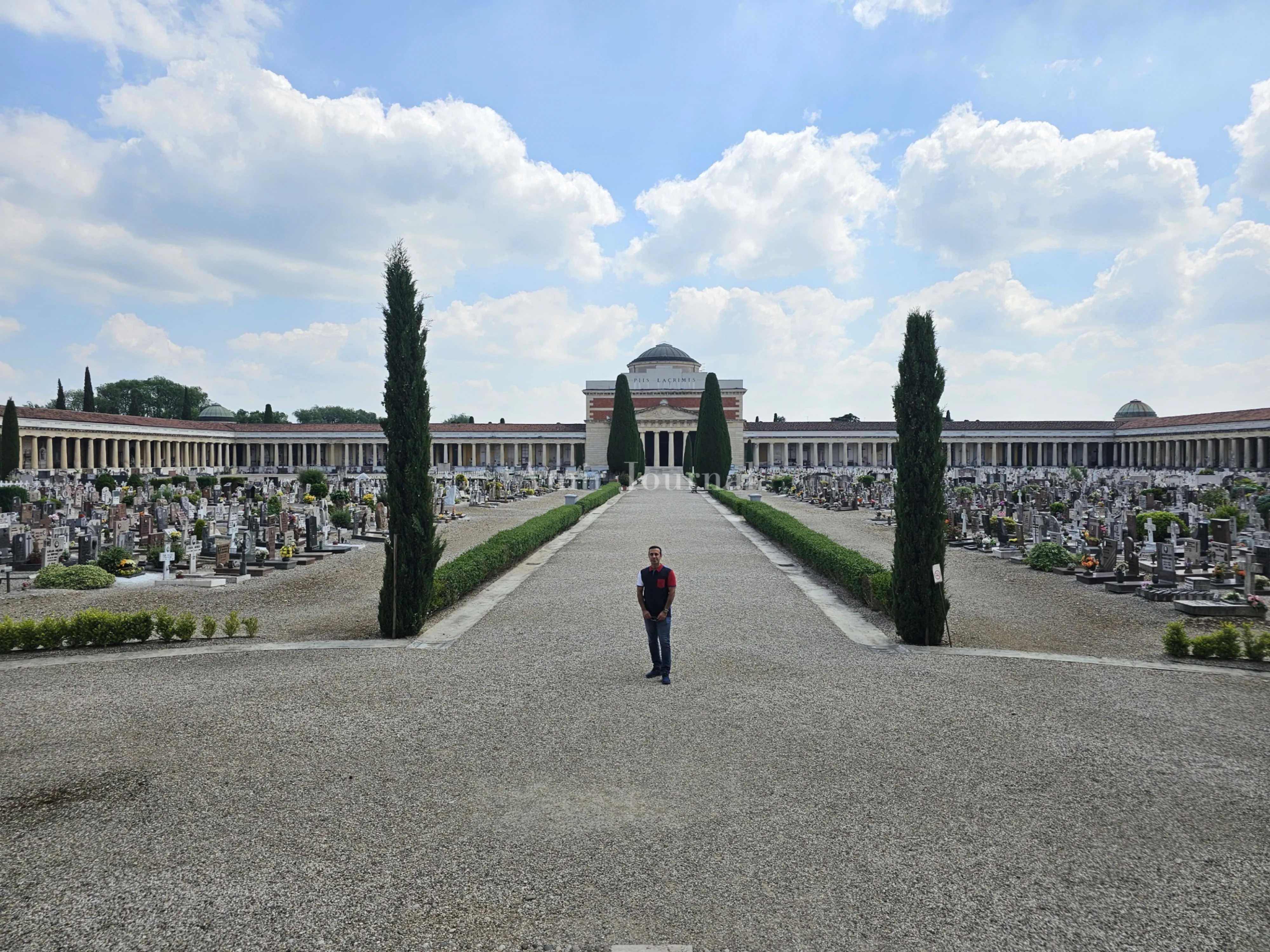
Monumental Cemetery of Verona
Travel often leads us towards celebrated cathedrals, historic squares, and grand palaces. Yet some of a city’s most meaningful stories wait in quieter places, where art preserves memory and generations remain connected through stone, flowers, and carefully chosen words.
The historic cemeteries of Milan and Verona belong to this world. Their pathways reveal far more than burial traditions. They express how Italian families remember the people they loved and how cities preserve their cultural identity through sculpture, architecture, and private emotion.
Walking among these memorials feels like entering an open-air museum shaped by human lives. Marble figures lean towards portraits, angels watch over family tombs, and inscriptions carry names across the passing years. Each monument reflects a desire shared across generations: to give memory a lasting form.
The Story
Milan’s Cimitero Monumentale was designed by architect Carlo Maciachini and inaugurated in 1867. Created during a period of rapid urban and cultural growth, it became a place where architecture, sculpture, and remembrance could come together. Today, the City of Milan recognises it as one of the city’s valued cultural attractions because of its exceptional artistic and architectural heritage.
Its grand entrance immediately establishes the character of the place. Beyond it, avenues open towards family chapels, marble statues, obelisks, and elaborate monuments created in many artistic styles. Classical forms stand beside Gothic, Art Nouveau, and modern designs, turning the cemetery into a record of Milan’s changing taste across generations.
Many memorials belong to families connected with the city’s development through industry, art, publishing, music, and public life. Their tombs reflect personal grief as well as Milan’s prosperity, craftsmanship, and social ambitions. Sculptors and architects transformed private stories into public works of art, allowing individual memories to become part of the wider history of the city.
In Verona, remembrance takes on a more restrained and poetic character. The city’s Monumental Cemetery was begun in 1828 from a Neoclassical design by architect and engineer Giuseppe Barbieri. He arranged the complex as a large square enclosure surrounded by covered walkways and Doric columns, creating a sense of order, balance, and quiet dignity.
Its architecture reflects the civic ideals of the nineteenth century. Monumental structures known as pantheons mark significant points within the cemetery, including spaces dedicated to distinguished citizens and benefactors of Verona. Personal remembrance gradually becomes part of a larger story about community, gratitude, and the people who helped shape the city.
This historical background becomes more meaningful as we begin to walk.
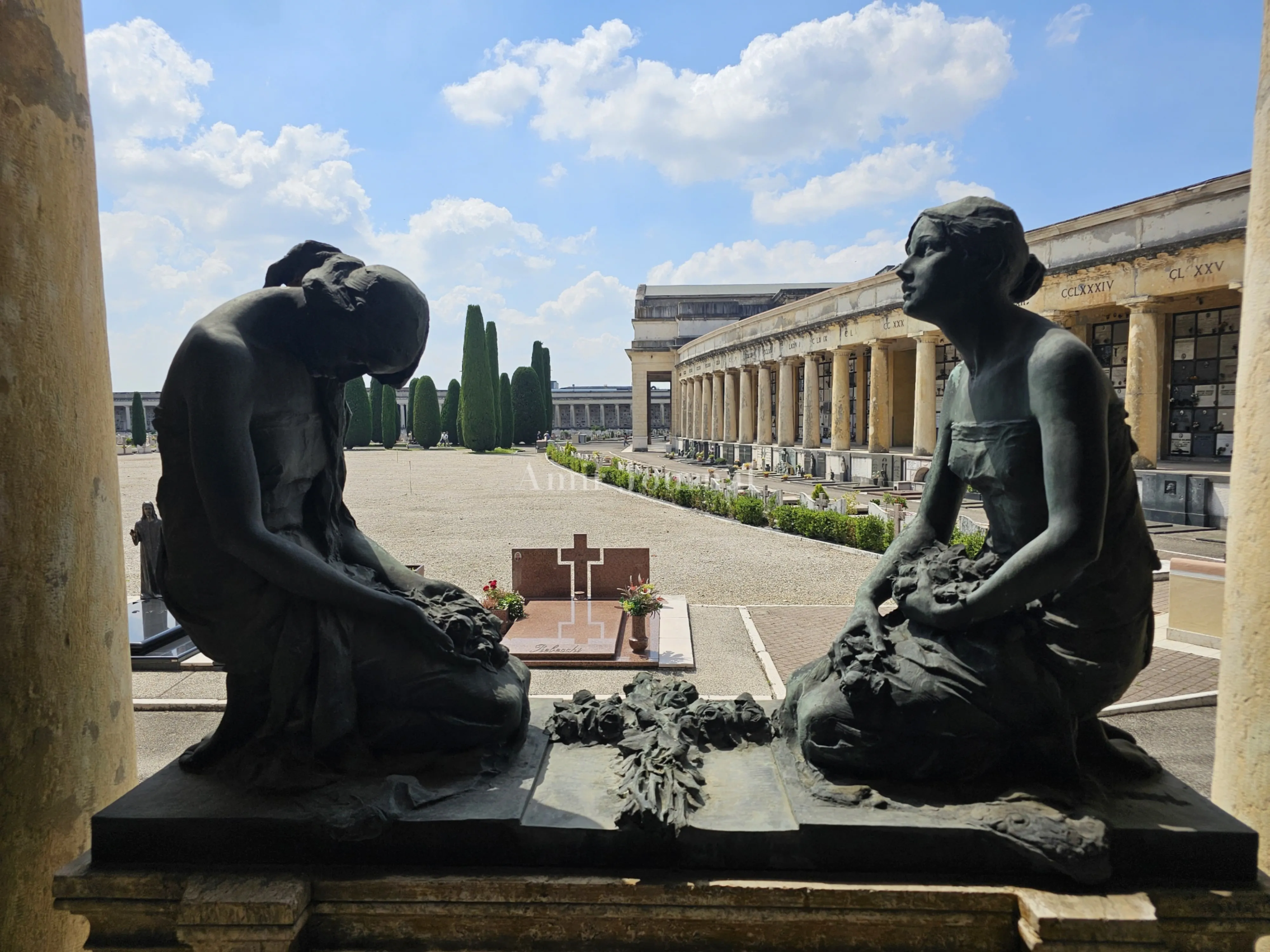
In Milan, the first impression comes through scale and artistic richness. Monumental tombs rise along the pathways like small temples, each carrying its own language of grief and devotion. Marble hands reach towards one another, carved faces hold expressions of tenderness, and stone fabric seems to fall naturally around sculpted figures.
Light moves slowly across the monuments, revealing details that emerge with every step. A family name appears above an entrance. Fresh flowers rest beside an old portrait. A small lamp glows near a sculpture created more than a century ago. These quiet gestures bring warmth to the grandeur surrounding them.
The pathways also reveal the story of Milan itself. Wealthy industrial families, artists, writers, musicians, architects, and ordinary residents share the same landscape of memory. Their monuments differ in scale, yet each carries evidence of a life once connected to the streets, homes, and communities of the city.
The atmosphere in Verona feels gentler. Cypress trees rise above the paths, while long colonnades create alternating areas of light and shade. Stone memorials sit within a carefully ordered architectural setting, and the sounds of footsteps soften beneath the covered walkways.
Verona is celebrated around the world through the story of Romeo and Juliet, yet its cemetery presents a deeper and more authentic expression of love. Here, affection appears through flowers replaced by family members, photographs carefully protected from the weather, and inscriptions chosen to carry a voice into the future.
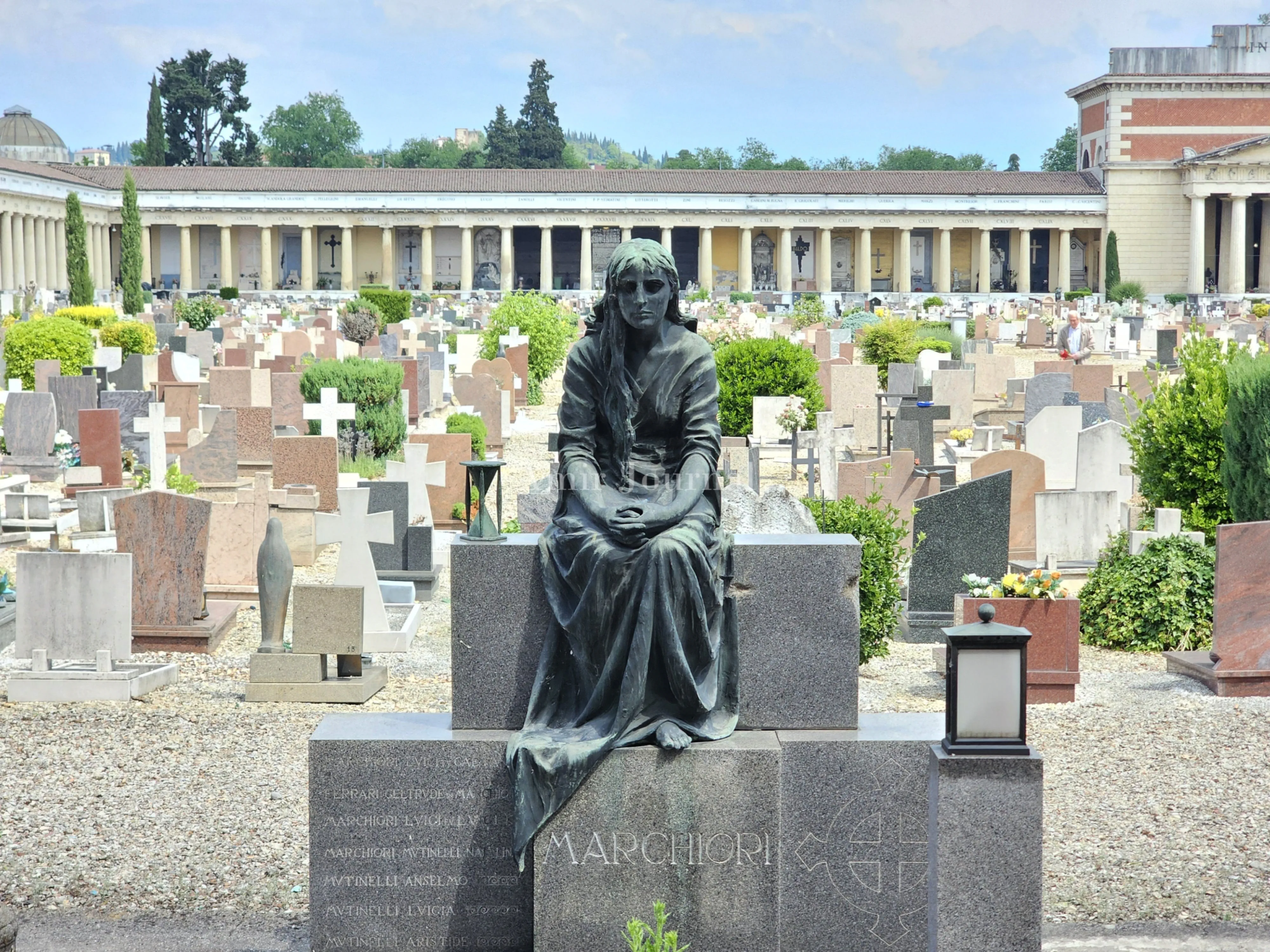
Life continues around these places in subtle ways. Families arrive to tend graves and pause beside familiar names. Gardeners care for trees and pathways, while craftspeople restore stone, metalwork, and lettering. Visitors move respectfully through the grounds, discovering how personal memory becomes part of a city’s living culture.
These cemeteries also reveal changing ideas about identity and remembrance. Some monuments celebrate achievement and public reputation; others focus on family bonds, spiritual hope, or the pain of separation. Together, they form a deeply human archive written through architecture and emotion.
Standing before these sculptures, I found that the smallest details often carried the greatest power: two carved hands meeting, a child’s portrait, a weathered inscription, or a single flower placed beneath a name. Such details speak quietly and remain in the mind long after the larger monuments fade from memory.
As the pathways continue, the cemeteries begin to feel less like destinations and more like pauses within the journey. They invite us to move slowly, observe carefully, and reflect on the traces each life leaves behind.
Milan expresses remembrance through grandeur and artistic ambition. Verona carries it through balance, poetry, and intimate gestures. Together, they show how memory can become part of a city’s architecture and how love can find expression in stone.
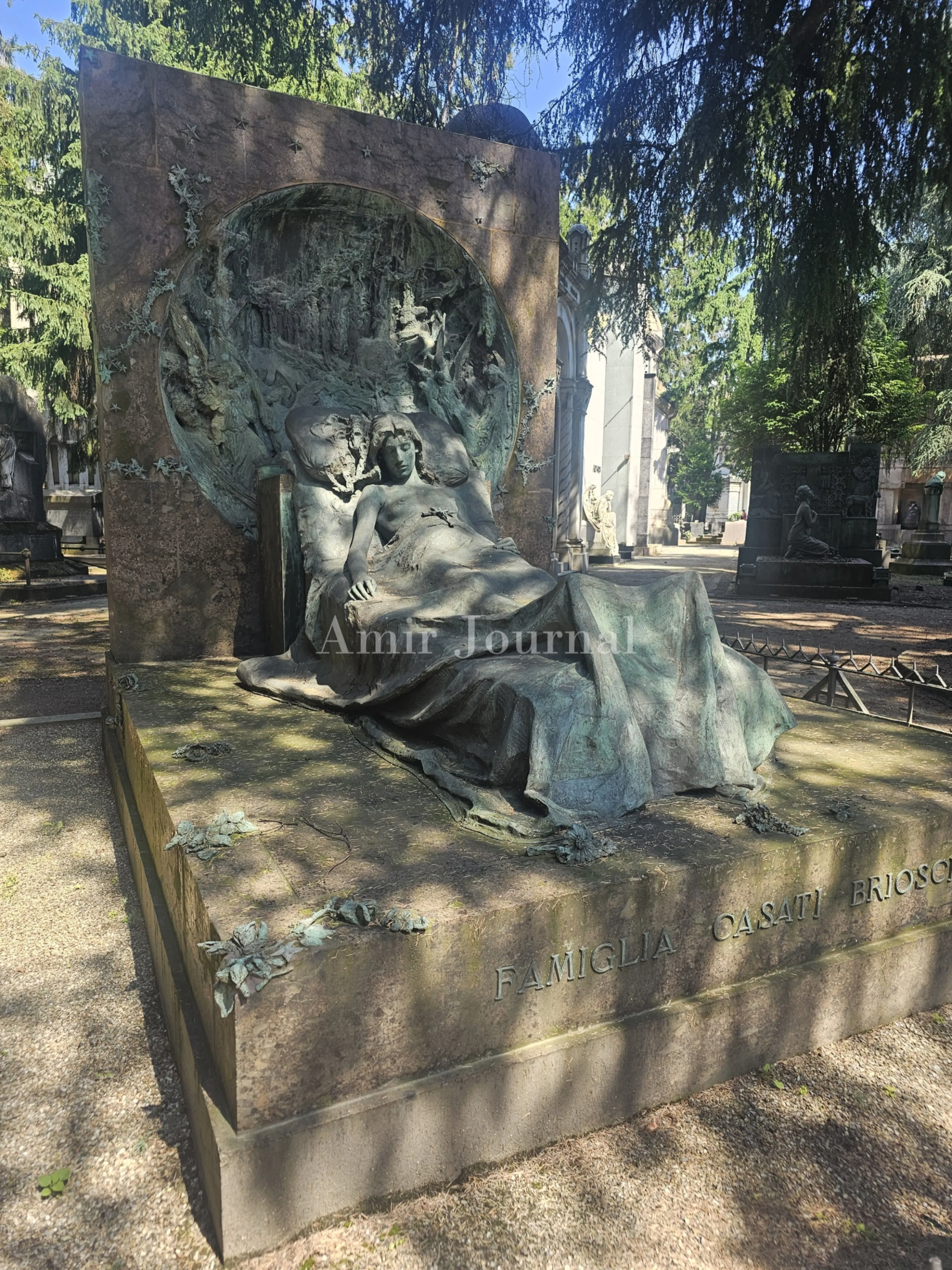
Travel teaches us about the achievements of civilizations, while places like these bring us closer to the people who lived within them. Every city is shaped by famous figures and ordinary lives, by public triumphs and private hopes, and by generations whose presence continues through the stories preserved after them.
Among the statues, cypress trees, and quiet pathways, one question begins to accompany us: when our own journey reaches its final chapter, which traces will continue to tell our story?
As the light moves across the marble, memory remains—quietly carrying each life beyond its final page.