
Plan your visit to the Vatican with practical tips on the best visiting times, ticket reservations, dress code, and how to explore St. Peter's Basilica, the Vatican Museums, and the Sistine Chapel efficiently.
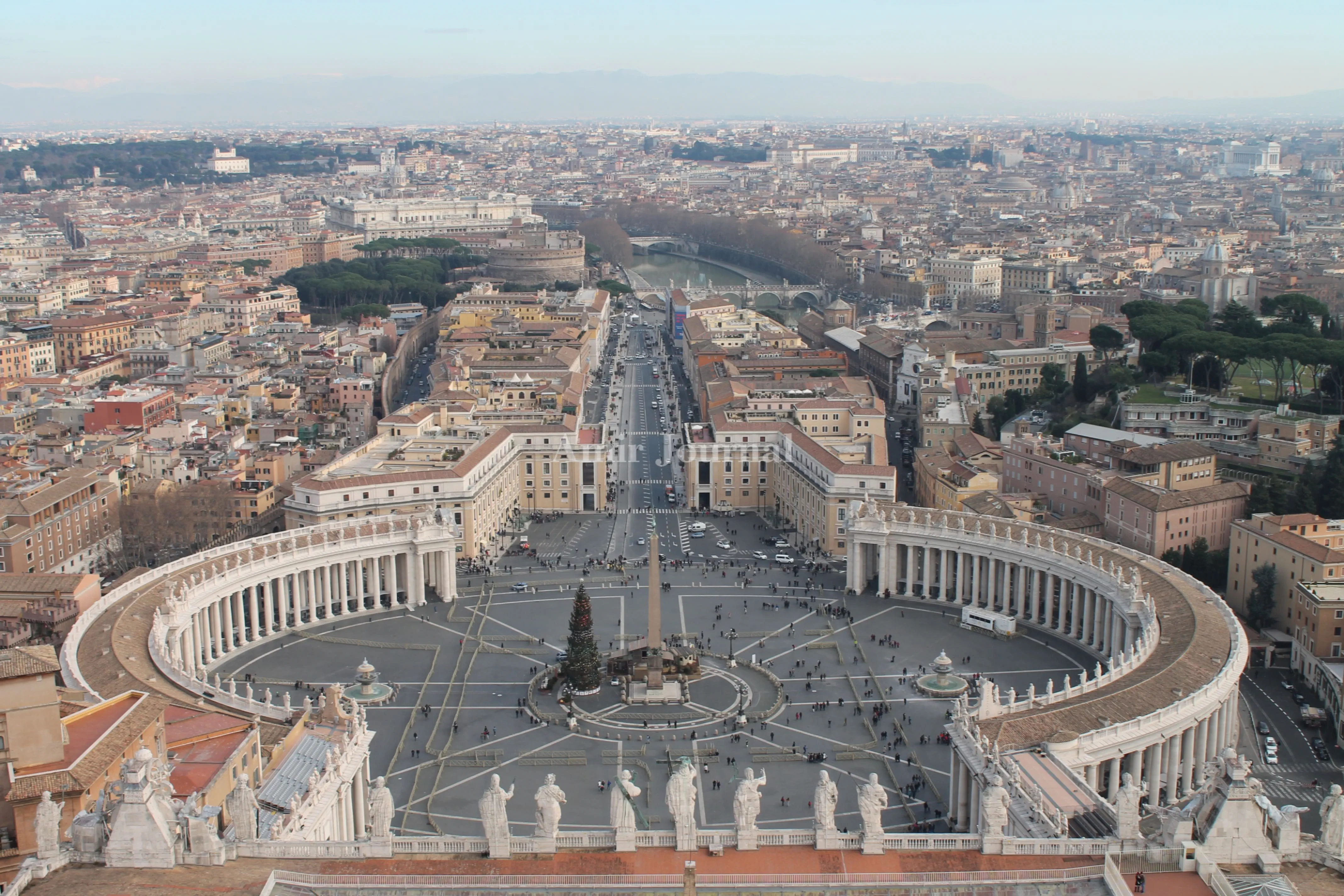
Vatican City
In 2015, I entered St. Peter’s Square for the first time and found the world gathered beneath one sky. Voices in many languages moved through the square, flags rose gently above the crowd, and thousands of people waited beneath the sweeping colonnades.
Each person seemed to carry a different story, yet the gathering expressed a shared search for hope, peace, and meaning. In that moment, Vatican City felt larger than its physical boundaries—a meeting place where history, spirituality, art, and humanity came together.
The Story
At the heart of Rome, Vatican City covers around 44 hectares and holds the title of the world’s smallest independent state. Its modern sovereignty began in 1929 with the Lateran Treaty, while its spiritual and historical roots extend across many centuries.
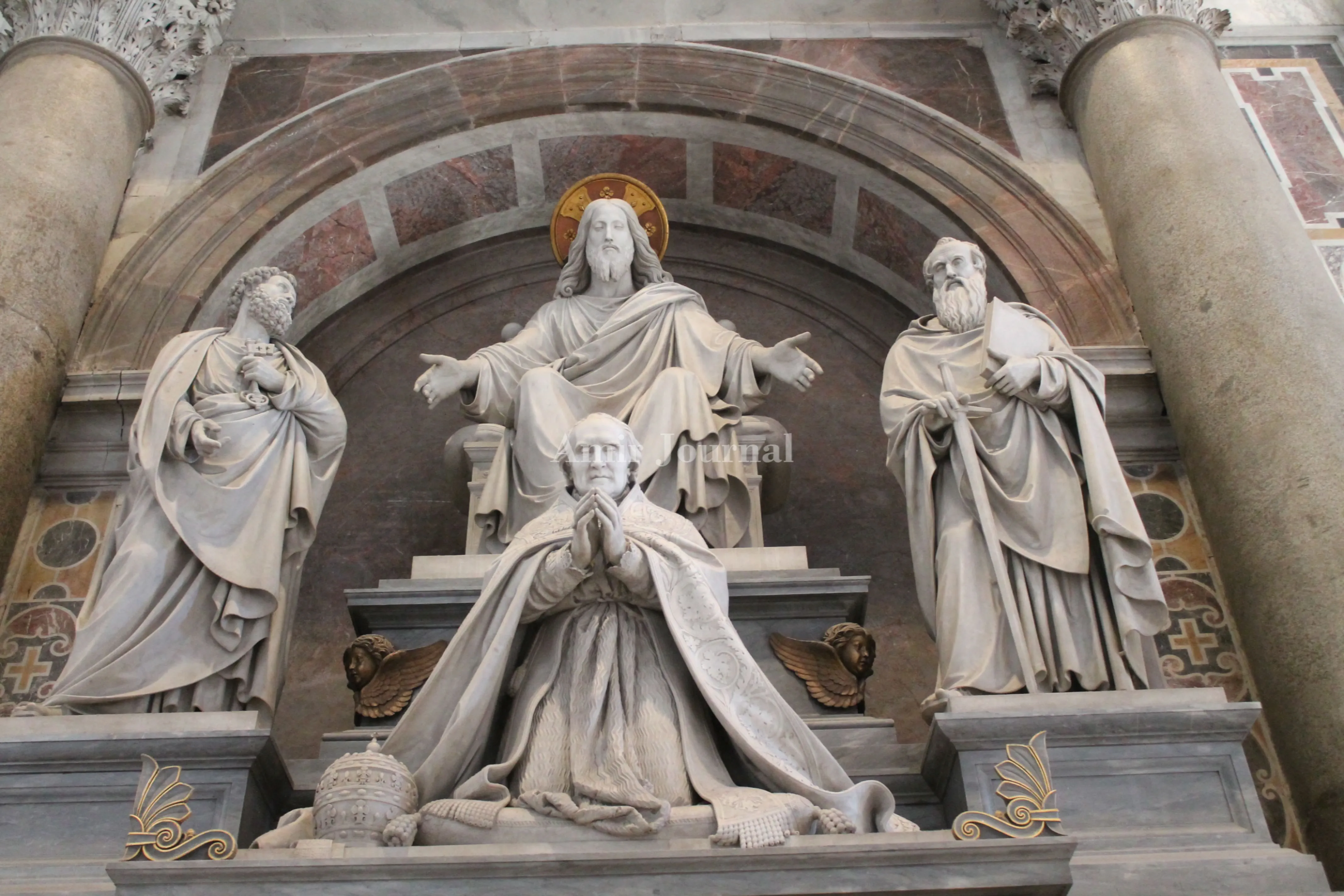
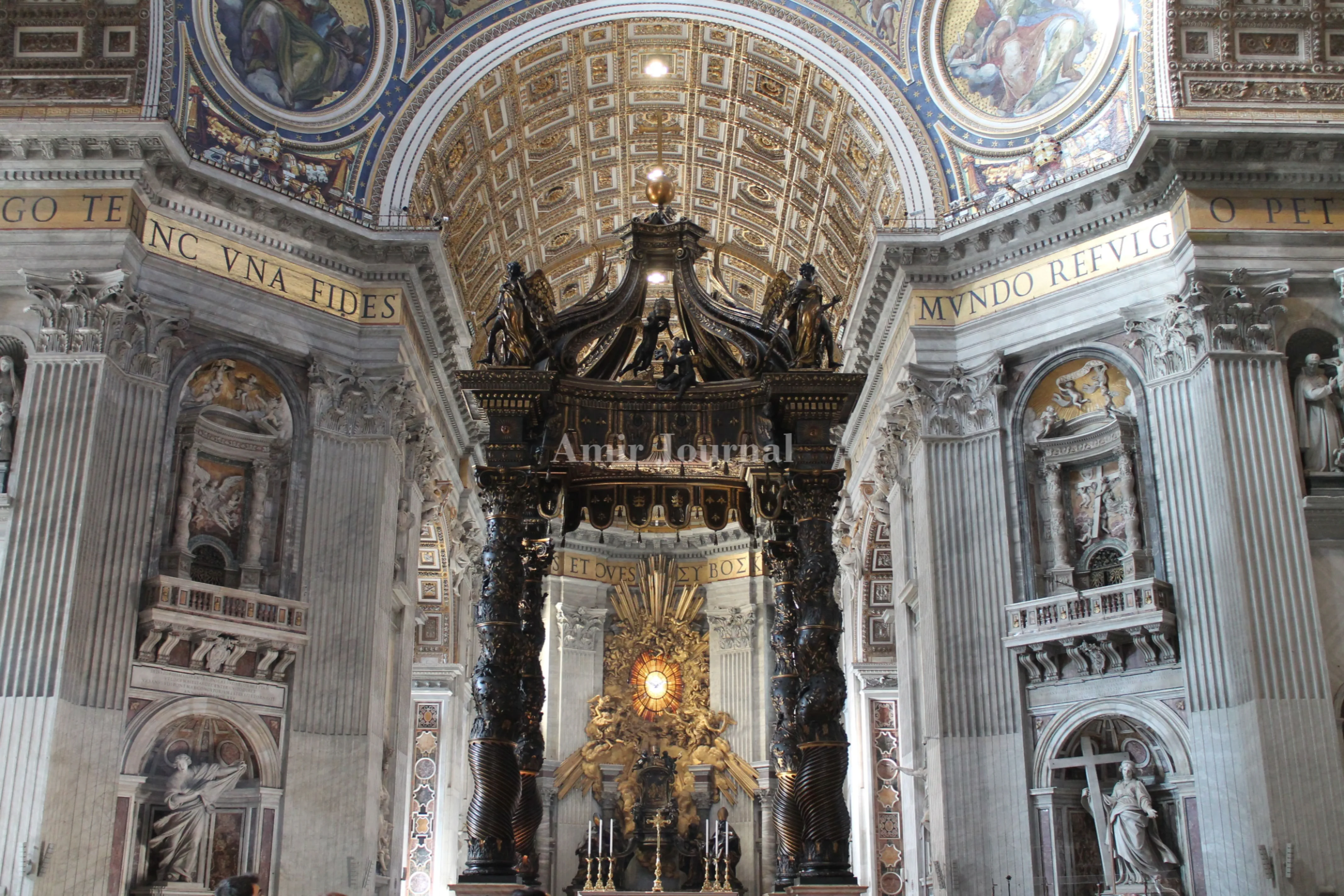
At its centre stands St. Peter’s Basilica, built above the site traditionally associated with the burial of Saint Peter, one of the apostles of Jesus and the first bishop of Rome. Over time, this sacred place became one of Christianity’s most important centres and a destination for pilgrims from across the world.
Its architecture carries the vision of some of history’s greatest creative minds. Bramante, Michelangelo, Maderno, and Bernini each helped shape the basilica and its surroundings. Michelangelo designed the great dome that rises above Rome, while Bernini created the sweeping colonnades of St. Peter’s Square. Their curved form resembles open arms, giving the vast square a remarkable feeling of welcome.
The Vatican’s cultural identity also lives within the Vatican Museums. Across centuries, popes gathered sculptures, paintings, manuscripts, and archaeological treasures that now form one of the world’s most significant art collections. Their galleries connect ancient Egypt, Greece, and Rome with the creative achievements of the Renaissance.
At the heart of this artistic journey lies the Sistine Chapel. Between 1508 and 1512, Michelangelo transformed its ceiling into a monumental vision of creation, humanity, and the divine. Years later, he returned to paint The Last Judgment across the altar wall, adding another powerful chapter to the chapel’s story.
The Vatican also carries a living culture. Clergy, scholars, museum specialists, restorers, gardeners, craftspeople, security officers, and members of the Swiss Guard contribute to its daily rhythm. Pilgrims arrive with prayers, families cross the square together, and visitors from many cultures pause beneath the same dome. The world’s smallest state becomes a gathering place for the wider human family.
During the Pope’s public address, the many voices around me gradually gave way to a shared silence. Cameras lowered, flags moved softly above the crowd, and thousands listened together.
That silence became one of the most memorable moments of my first journey to Italy. People from different nations stood side by side, connected by words about compassion, dignity, and peace. The experience revealed how language can create a bridge between cultures and how a public square can become a space for collective reflection.
From the shared stillness of St. Peter’s Square, the journey continued into galleries where humanity had expressed its search for meaning through stone, colour, and light.
Inside the Vatican Museums, each corridor opened another chapter of history. Ancient sculptures carried the ideals of civilizations from thousands of years ago. Painted rooms reflected the imagination of Renaissance masters, while maps, tapestries, and manuscripts revealed centuries of exploration, knowledge, and artistic ambition.
The footsteps of visitors echoed gently through the galleries as faces turned towards decorated ceilings and marble figures. Moving through these spaces felt like travelling across time, following the changing ways in which humanity has understood beauty, power, faith, and its place in the world.
Then came the Sistine Chapel.
As I entered and looked upward, images I had known through books and photographs suddenly became real. Michelangelo’s figures moved across the ceiling with strength and emotion, creating a vast world above the visitors gathered below.
The atmosphere encouraged stillness. People from many backgrounds stood beneath the same painted sky, their eyes lifted towards scenes created more than five centuries earlier. Time seemed to slow as the scale of Michelangelo’s achievement gradually became clear.
I found myself thinking about the patience, discipline, and imagination required to create art capable of crossing generations. The ceiling represented more than artistic brilliance; it revealed the extraordinary human ability to transform an idea into beauty and allow that beauty to speak across centuries.
Outside the museums, daily life continued around the Vatican walls. Church bells marked the passing hours, groups gathered for photographs, and nearby cafés welcomed travellers and pilgrims. Religious shops displayed rosaries, books, and icons, while residents of Rome moved through the surrounding streets as part of their familiar routines.
These simple moments gave warmth to the grandeur of the Vatican. A family waited together in the square, an elderly pilgrim held a prayer book close, and strangers helped one another move through the crowd. History and faith gained a human face through the people who had travelled there carrying their own hopes and stories.
Vatican City became one of the defining memories of my first journey to Italy. St. Peter’s Square revealed the quiet strength of unity, while the Vatican Museums and Sistine Chapel showed how art can preserve the dreams, questions, and beliefs of humanity.
Travel sometimes brings us to places that deepen with time. Their meaning continues to unfold through memory, allowing us to see both the world and ourselves with fresh eyes.
Years later, Vatican City still returns to me as a square filled with hope and a ceiling filled with light.