
Discover Lake Como, Italy's third-largest and one of Europe's deepest lakes. Explore Bellagio, Varenna, Menaggio, historic villas, breathtaking Alpine scenery, and one of Italy's most elegant destinations.
Como - Pearl of Northern Italy
Some places stay with us through a single image. Como remains through a collection of quiet moments: morning light on the cathedral façade, footsteps across a cobbled lane, the sound of cups in a small café, and the lake opening suddenly at the end of a street.
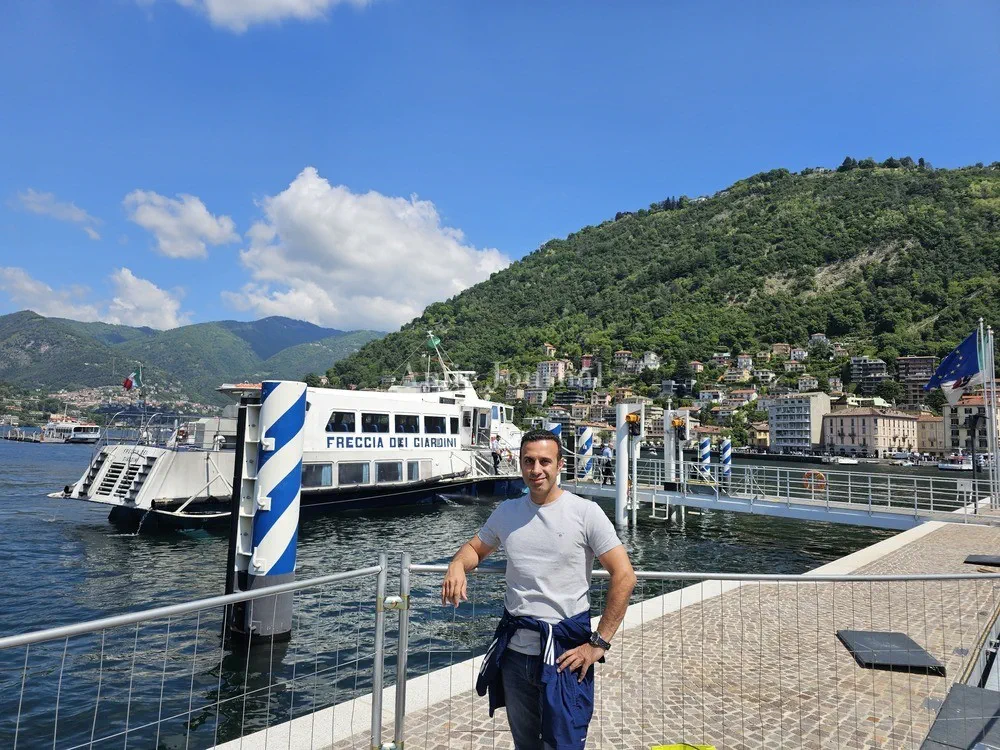
Set at the southern edge of Lake Como beneath the Alps, the city forms a natural meeting point between water, mountains, and urban life. Ferries arrive and depart along the waterfront, elegant buildings face the lake, and the historic centre carries the rhythm of a city shaped by Roman heritage, medieval streets, silk craftsmanship, and generations of travellers.
Como gives the lake a human centre. Its piazzas, shops, cafés, churches, and waterfront allow the beauty of the landscape to become part of everyday life.
The Story
Como’s story began long before the villas and gardens that later made the lake famous. Its strategic position near the Alpine routes connected northern Italy with the wider European world, allowing trade, ideas, and cultures to move through the city.
Roman influence still survives beneath the modern streets, while the medieval city remains visible through its narrow lanes, old walls, towers, and historic buildings. These layers give Como a character that feels both intimate and deeply connected to the wider history of northern Italy.
At the heart of the old city stands the Cathedral of Como, whose construction began in 1396. Its façade represents one of northern Italy’s important examples of late Gothic architecture, while later Renaissance and Baroque elements reflect the centuries required to complete it.
Beside the cathedral stands the Broletto, the former seat of Como’s civic government from the thirteenth century. Its striped stone façade and adjoining bell tower recall the period when public announcements and assemblies shaped the life of the city. Today, the building hosts cultural events and exhibitions, continuing its connection with Como’s public life.
Como also developed one of its strongest identities through silk. Textile production grew from medieval wool craftsmanship into a sophisticated silk industry that eventually made the city internationally recognised. Generations of workers and designers mastered every stage of production, from twisting and weaving to dyeing, printing, and finishing.
Another name deeply connected with the city is Alessandro Volta, the Como-born physicist whose work on electricity led to the invention of the electric battery. His legacy gives Como an intellectual dimension alongside its artistic and textile heritage. The unit of electrical potential, the volt, still carries his name around the world.
These histories remain present as we begin to walk through the city.
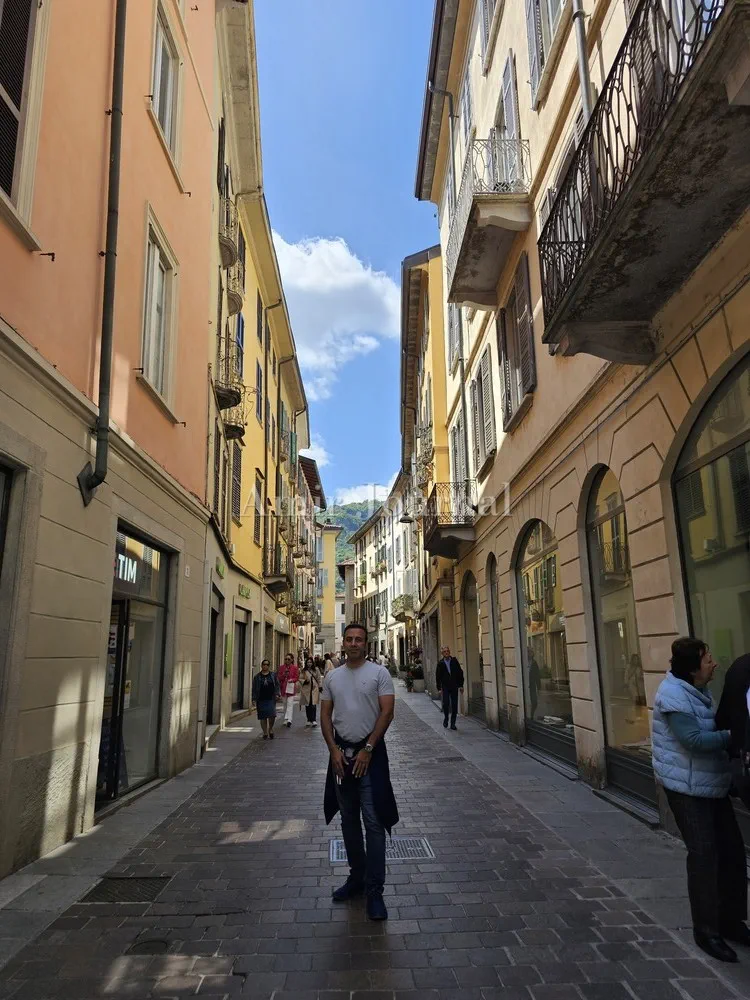
Morning in Como starts gently. Light reaches the upper walls of the buildings before entering the narrow streets below. Café owners arrange chairs around the piazzas, shopkeepers lift their shutters, and the scent of fresh coffee and pastries moves through the historic centre.
Walking towards Piazza Duomo, the cathedral gradually appears between the surrounding buildings. Its marble façade changes with the light, revealing statues, arches, and carved details. Residents cross the square on their way to work, visitors pause beneath the cathedral, and conversations continue around the café tables.
The experience feels natural and lived-in. History surrounds the square, while the rhythm belongs entirely to the present.
From Piazza Duomo, the streets lead towards Piazza San Fedele, one of the most atmospheric corners of the old city. Its medieval buildings lean gently around the square, where the Basilica of San Fedele carries a history reaching back to the twelfth century. Small shops and restaurants bring everyday warmth to the surrounding architecture.
Further along, old stone streets pass boutiques, bakeries, silk shops, and family-run businesses. Some windows display scarves and fabrics in rich colours, carrying Como’s textile heritage into contemporary fashion. Behind every finished piece lies the knowledge of designers, printers, dyers, and craftspeople whose skills have developed across generations.
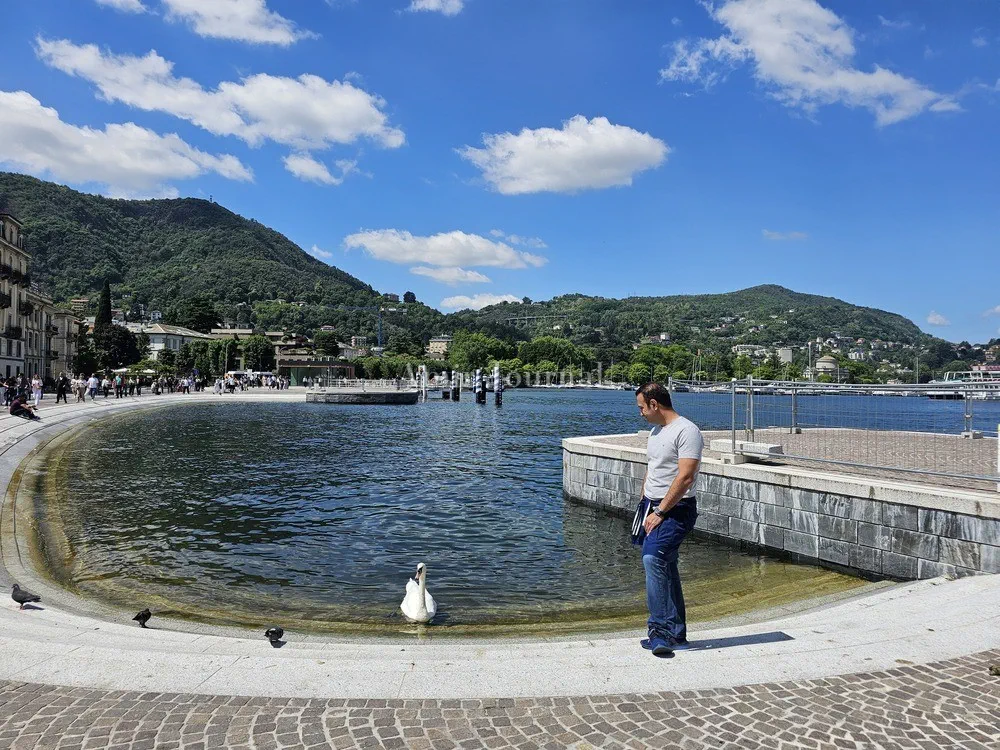
The streets eventually open onto Piazza Cavour, where the city meets the lake. Ferries move towards the piers, people gather along the waterfront, and the mountains rise beyond the water. The transition from the enclosed historic centre to the wide lake view creates one of Como’s most memorable moments.
Along the promenade, daily life unfolds beside the scenery. Residents walk beneath the trees, families pause near the water, and friends meet on benches facing the lake. Ferry workers prepare for another crossing as passengers arrive carrying bags, cameras, and the expectations of a new journey.
The lake remains central to Como’s identity, serving as a route between communities and a source of trade, work, inspiration, and leisure. Ferries connect the city with Bellagio, Varenna, Menaggio, and smaller settlements along the shore. These villages add beauty and variety to the wider region, while Como remains its historic and cultural gateway.
A short boat journey reveals the city from another perspective. The cathedral dome, waterfront buildings, and green hills gather into a single view as the ferry moves away from the pier. The sound of the engine blends with the movement of the water, and Como gradually becomes part of the Alpine landscape surrounding it.
Back on land, the city continues towards Villa Olmo, an elegant Neoclassical residence facing the lake. The lakeside path leading there passes gardens, historic buildings, and broad views across the water. Locals use the promenade for walking, running, and meeting friends, giving this graceful setting a relaxed, everyday character.
As afternoon approaches, the piazzas become livelier. Restaurant tables fill, the sound of conversation rises, and local life moves naturally around the visitors. Como’s cuisine reflects both the lake and the mountains, bringing together freshwater fish, polenta, cheeses, and the traditions of Lombardy.
The city’s greatest charm comes from this balance. A cathedral stands beside a café terrace. Medieval walls lead towards modern boutiques. Silk designs connect old factories with contemporary fashion. The lake provides grandeur, while the people of Como give the city warmth and rhythm.
As evening arrives, sunlight moves across the façades and settles on the water. Ferries complete their final crossings, shop windows begin to glow, and the mountains become darker against the sky. From the waterfront, the city and lake seem to hold the evening together.
Como stays with us through these small details: the cathedral emerging between old streets, silk moving softly behind a shop window, espresso shared in a familiar piazza, and the lake waiting at the end of the road.
Long after the lights appear along the waterfront, Como continues to rest quietly within the heart.