
Discover Italy's famous thermal spas and natural hot springs, from Terme di Saturnia and Bagno Vignoni to Ischia and Abano Terme, where wellness traditions have flourished since Roman times.
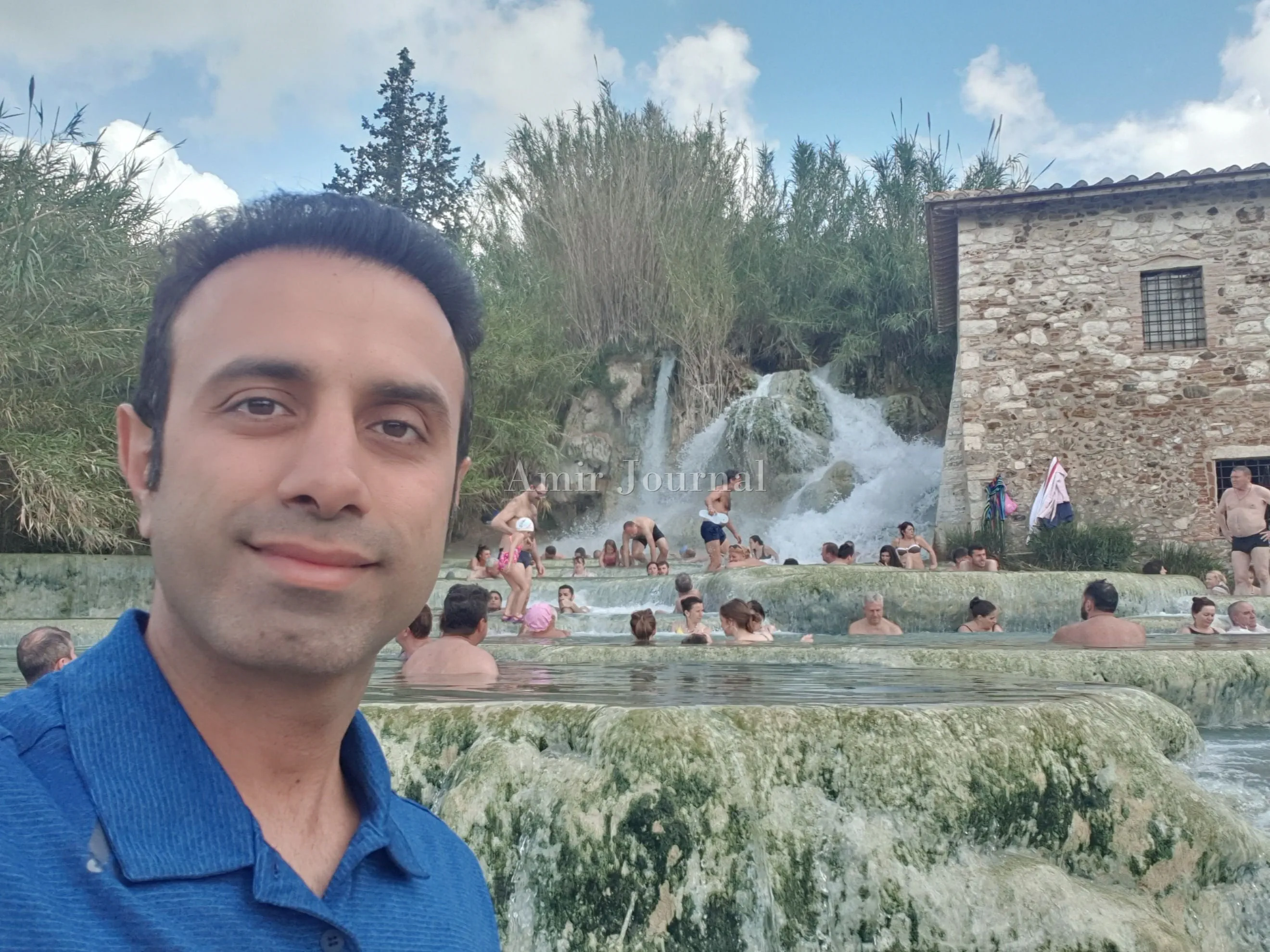
Terme di Saturnia
Italy is often remembered through ancient cities, Renaissance masterpieces, and food shared around welcoming tables. Yet beneath its mountains, valleys, and volcanic landscapes flows another part of the country’s identity: thermal water rising naturally from the earth.
For thousands of years, people have gathered beside these warm mineral springs to rest, recover their energy, and spend time together. Their warmth connects Roman bathing traditions with Tuscan villages, Alpine communities, volcanic islands, and the modern Italian appreciation for balance and well-being.
A journey through Italy’s thermal waters offers something increasingly precious: an invitation to pause and experience the landscape at a gentler pace.
The Story
Thermal bathing became an important part of Italian culture during the Roman era. The Romans built public bath complexes known as thermae, where warm pools, cool rooms, steam, exercise, and conversation formed part of the same experience.
These baths belonged to the daily rhythm of Roman life. Residents gathered to relax, meet friends, discuss business, exchange news, and care for the body. Water created a shared social space where well-being and community naturally came together.
Roman engineering gave these spaces their sophistication. Aqueducts carried water across great distances, while systems beneath the floors heated rooms and pools. Marble surfaces, columns, gardens, and mosaics transformed bathing into an experience shaped by architecture and beauty.
The tradition continued through later centuries. Natural springs offered rest to local communities, pilgrims, and travellers moving between towns. Gradually, villages and spa destinations developed around the waters, each shaped by its landscape, minerals, and regional culture.
During the eighteenth and nineteenth centuries, many thermal towns became elegant centres of European social life. Bathing establishments appeared beside gardens, promenades, hotels, cafés, theatres, and music halls. Visitors came for the waters and stayed for the atmosphere of leisure, conversation, and cultural exchange.
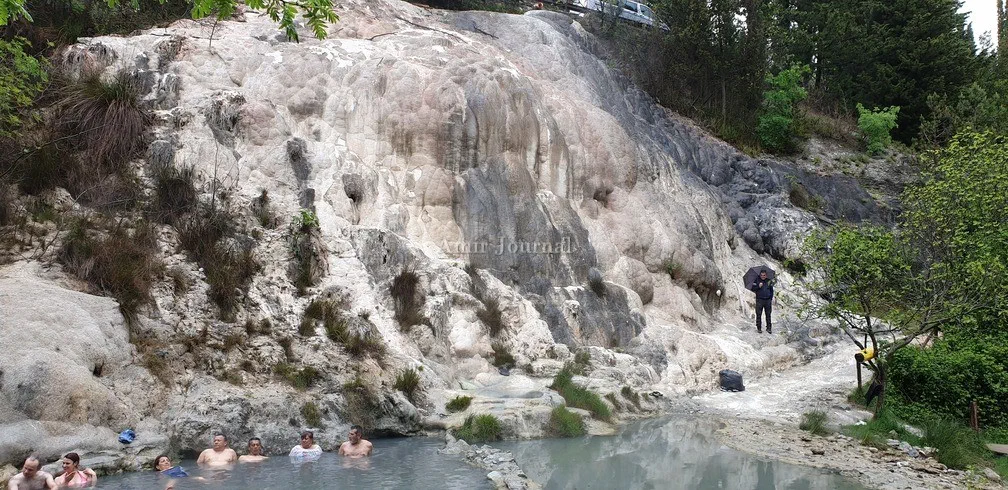
In Tuscany, Montecatini Terme became one of the finest expressions of this tradition. Its thermal buildings and landscaped public spaces grew around natural mineral springs. Today, the town forms part of UNESCO’s Great Spa Towns of Europe, recognising a heritage in which water shaped architecture, society, and urban life.
Yet the emotional heart of Italy’s thermal culture often reveals itself in smaller places.
In the Tuscan countryside, roads pass through vineyards, olive groves, and hills before reaching Bagno Vignoni. At the centre of this medieval village lies a remarkable sight: a large stone basin filled with warm spring water where a traditional piazza would usually stand.
Buildings gather around the water as reflections move across its surface. Steam rises gently on cooler mornings, and the sound of flowing channels accompanies a slow walk through the village. The spring, containing minerals such as magnesium and calcium sulphates, has shaped local life for centuries.
Standing beside the basin, it becomes easy to imagine generations of residents, pilgrims, and travellers arriving here with tired bodies and hopeful minds. The architecture, water, and surrounding Val d’Orcia seem to belong to the same story.
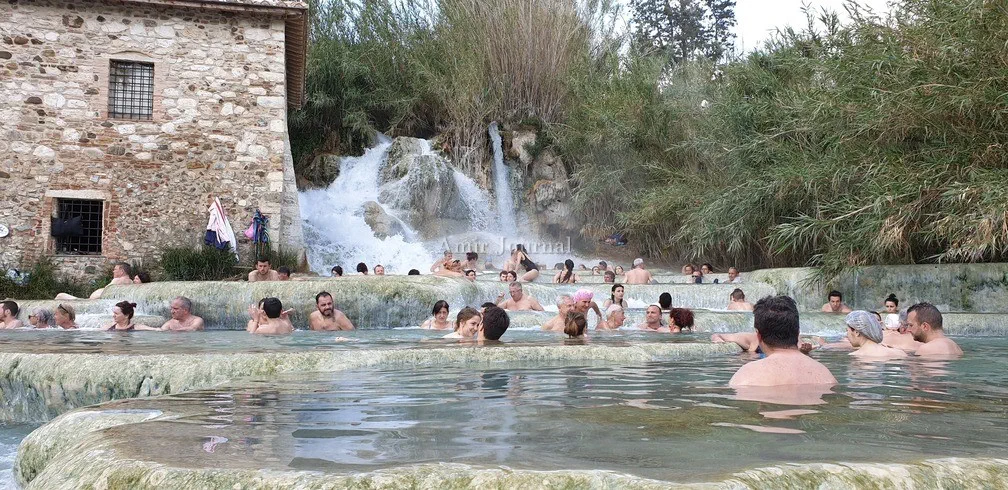
Farther south, the landscape opens towards Saturnia, where warm sulphurous water flows through natural limestone terraces. At the Cascate del Mulino, the water descends from one pale pool to another, creating a place shaped by movement and sound.
Entering the warm water brings an immediate change of rhythm. Shoulders relax, voices soften, and attention turns towards the sensation of the spring and the countryside beyond it. Fields extend towards the horizon while steam moves through the cool air.
People gather here in a simple and deeply human way. Couples sit beside the flowing water, friends share quiet conversation, and families experience a tradition rooted in the landscape. A visit may continue over local food in a nearby village, extending the feeling of warmth from the spring to the table.
As the journey moves north, thermal culture takes on the character of the Alps. In Bormio, warm springs rise among the mountains of Lombardy. Stone buildings, snowy peaks, and drifting steam create a striking scene, especially during winter.
Bathing here feels closely connected to the elements. Cool mountain air touches the face while warm water surrounds the body. The contrast heightens every sensation and turns the landscape into part of the experience.
Near Lake Garda, Sirmione brings together thermal water, historic streets, and the changing colours of the lake. In Veneto, Abano Terme continues a long spa tradition shaped by the Euganean Hills. Each place expresses the same heritage through a different landscape.
In southern Italy, the island of Ischia reveals the volcanic side of thermal culture. Warm mineral waters emerge among Mediterranean gardens, rocky shores, and sea views. Pools surrounded by palms and flowering plants create an experience in which the island’s geology becomes part of daily pleasure.
Across these regions, thermal waters vary in temperature and mineral composition. Their cultural role remains remarkably consistent. They create space for rest, social connection, and a closer relationship with nature.
For Italians, a thermal visit often becomes part of a wider way of living. A morning in warm water may lead to coffee in a nearby piazza, a relaxed lunch, and an afternoon walk through the surrounding landscape. Friends meet beside the pools, couples return for quiet weekends, and families carry familiar rituals from one generation to another.
This rhythm gives Italy’s thermal destinations their distinctive character. Water, architecture, food, landscape, and conversation become parts of a single experience. Well-being feels connected to the Italian appreciation for time, balance, beauty, and simple pleasures.
Modern spa centres carry the tradition forward through thermal bathing, massage, and carefully designed spaces for relaxation. Natural springs offer a more elemental encounter with water and earth. Both experiences continue an ancient practice while adapting it to contemporary life.
As evening settles over a Tuscan valley, an Alpine town, or a volcanic island, steam rises from the pools and disappears into the cooling air. The surrounding voices grow quieter, the body feels lighter, and the movement of water becomes the final sound of the day.
In these moments, Italy’s thermal tradition reveals its deepest meaning. Renewal begins through warmth, stillness, and the freedom to let time move slowly.
As steam rises into the evening light, the world grows softer and time begins to flow at the pace of water.