

United Kingdom hero

United Kingdom

Where History Meets Innovation – The Global Heritage of Britain

United Kingdom flag
Summary
titleDecore bar

The United Kingdom is one of the world's most historically influential nations—a country where monarchy, democracy, innovation, and cultural diversity shape national identity. As the birthplace of the Industrial Revolution and parliamentary democracy, the UK has profoundly influenced global politics, science, literature, and language. Today, the United Kingdom combines centuries of history with a modern multicultural society, remaining a global center of finance, education, culture, and creativity.

United Kingdom at a Glance
titleDecore bar

Official Name

United Kingdom of Great Britain and Northern Ireland

Capital

London

Area

243610 km²

Government

Constitutional Monarchy and Parliamentary Democracy

Currency

Pound Sterling (£)

Languages

English; Welsh, Scottish Gaelic, and Irish are also recognized in certain regions

The United Kingdom is one of the world's most influential nations, shaped by centuries of history, exploration, culture, and innovation. From the Industrial Revolution and the British Empire to modern finance, technology, and creative industries, the UK has played a major role in global affairs. Today, the United Kingdom combines historic cities, diverse communities, world-class education, and a rich cultural heritage with a modern, dynamic economy.

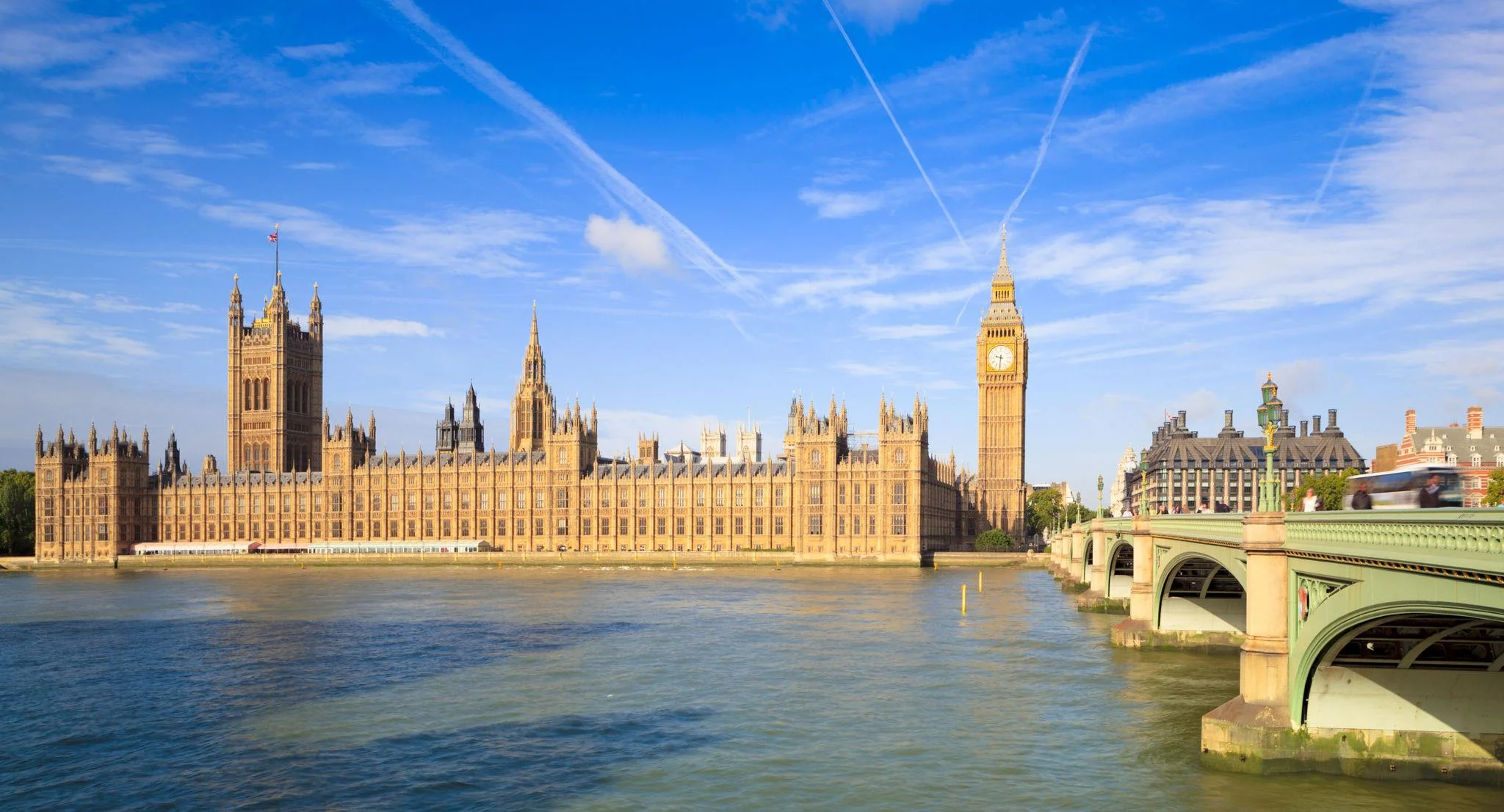
The United Kingdom is a constitutional monarchy. The monarch serves as head of state, while the Prime Minister leads the government. The UK Parliament, located at Westminster in London, consists of the House of Commons and the House of Lords.

The United Kingdom has one of the world's oldest parliamentary traditions and remains a major political, financial, and diplomatic center.

British identity is connected to history, tradition, innovation, and cultural diversity. National symbols include the Union Jack flag, the Royal Family, historic castles, the red telephone box, and iconic institutions such as the Houses of Parliament.

The United Kingdom has approximately 68 million inhabitants, with the majority living in urban areas. London is one of the world's most diverse cities, representing hundreds of cultures and languages.

The UK has a highly educated population, with strong healthcare, research, and social institutions.

Daily life in the UK combines historic traditions with modern lifestyles. British culture values politeness, personal privacy, community life, and social traditions such as afternoon tea, local markets, sports, and festivals.

The UK is also famous for its global influence in music, fashion, literature, and entertainment.

Best Time to Visit

May September

Climate

The UK has a mild and changeable climate, with cool winters, pleasant summers, frequent rain, and rapidly shifting weathe

Avg. Temperature: Around 9–11°C annual average

Location: Northwestern Europe

Borders: Ireland and surrounding waters of the Atlantic Ocean, North Sea, and English Channel

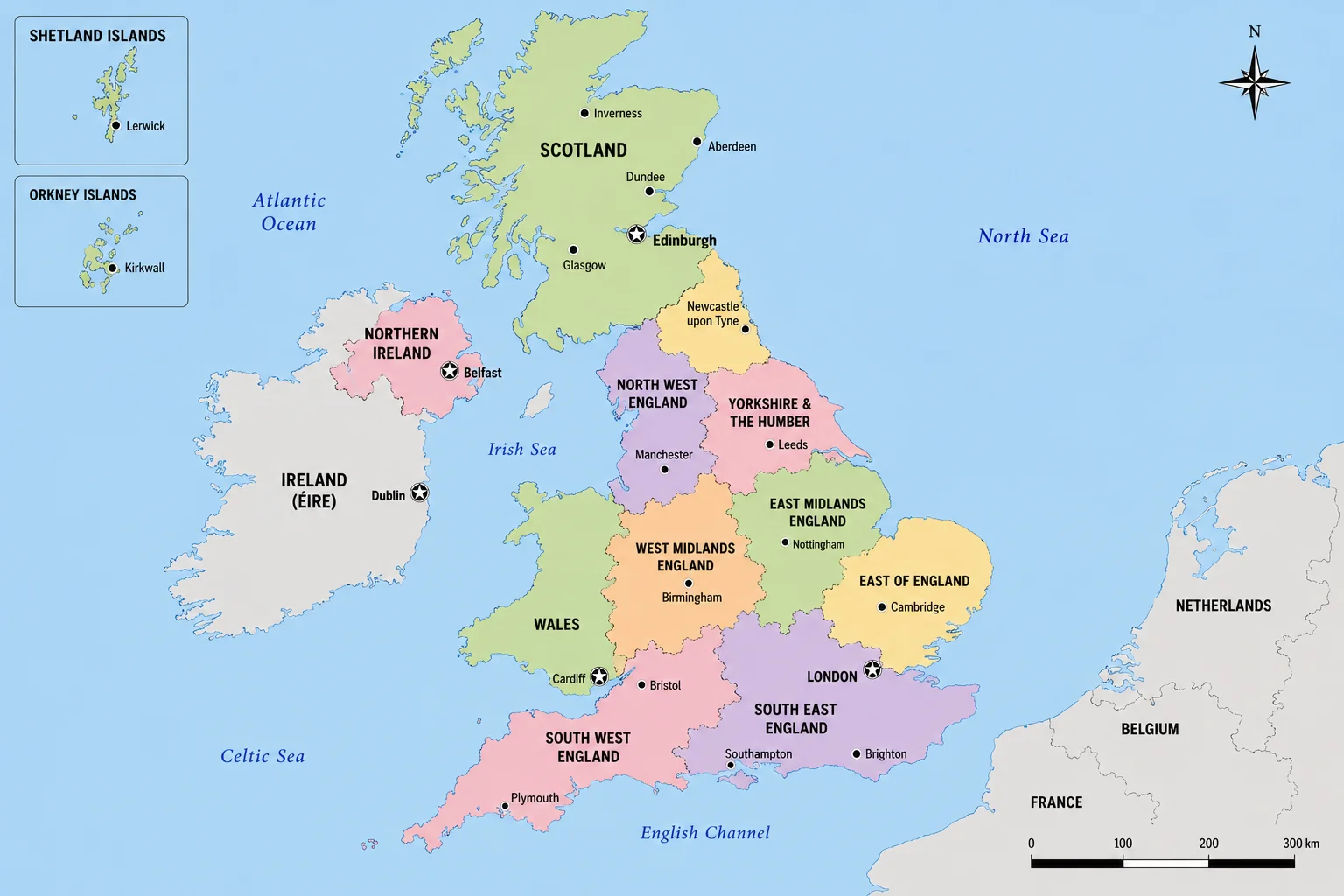
The UK's geography is remarkably diverse:

England: Rolling countryside, historic cities, and economic centers

Scotland: Mountains, lochs, islands, and dramatic landscapes

Wales: National parks, mountains, and Celtic heritage

Northern Ireland: Coastal scenery, green landscapes, and historic sites

Each region has its own traditions, culture, and identity while contributing to the wider British heritage.

United Kingdom identity
Story Of United Kingdom - History & Identity
titleDecore bar
Before 1066
Ancient Kingdoms & Early Heritage
1066
Norman Conquest of England
1215
Magna Carta Signed
1603
Union of the Crowns
1707
Kingdom of Great Britain Established
1801
United Kingdom Created
18th–19th Century
Industrial Revolution & Global Expansion
1837–1901
Victorian Era
1914–1918
First World War
1939–1945
Second World War
1945–1970s
Post-War Transformation & Commonwealth Era
1973
United Kingdom Joins the European Community
1970s–1990s
Modernization & Global Influence
1997
Devolution Begins
2000s
Technology, Finance & Cultural Growth
2012
London Olympic Games
2016
Brexit Referendum
2020
United Kingdom Leaves the European Union
2022
New Monarchy Era
2026
United Kingdom Today

Historical Sites & Reflections
United Kingdom story

The United Kingdom has a long and complex history shaped by the development of four nations: England, Scotland, Wales, and Northern Ireland. Over centuries, these regions formed distinct identities while sharing political and cultural connections. England’s expansion, the Acts of Union in the 18th century, and the growth of the British Empire transformed the UK into one of the world’s most influential powers. During the 18th and 19th centuries, Britain became a global leader in industry, trade, science, and naval exploration, connecting continents through commerce and cultural exchange.
United Kingdom story

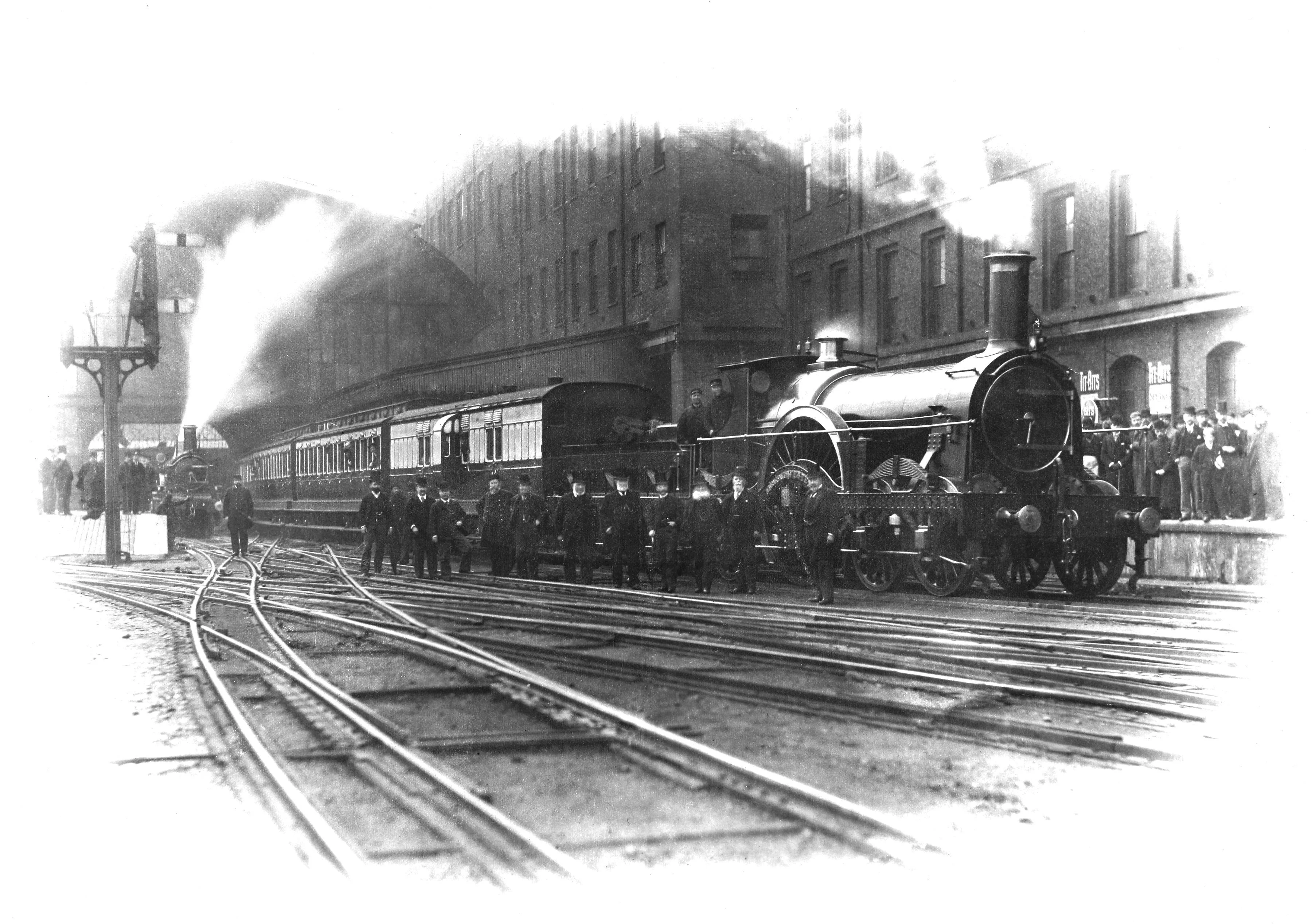
The United Kingdom played a central role in the Industrial Revolution, becoming the birthplace of modern manufacturing, engineering, and railway development. Cities such as Manchester, Birmingham, and Glasgow grew into major industrial centers. British innovations in science, technology, and industry helped shape the modern world, while London became a leading global center for finance, culture, and diplomacy.
United Kingdom story

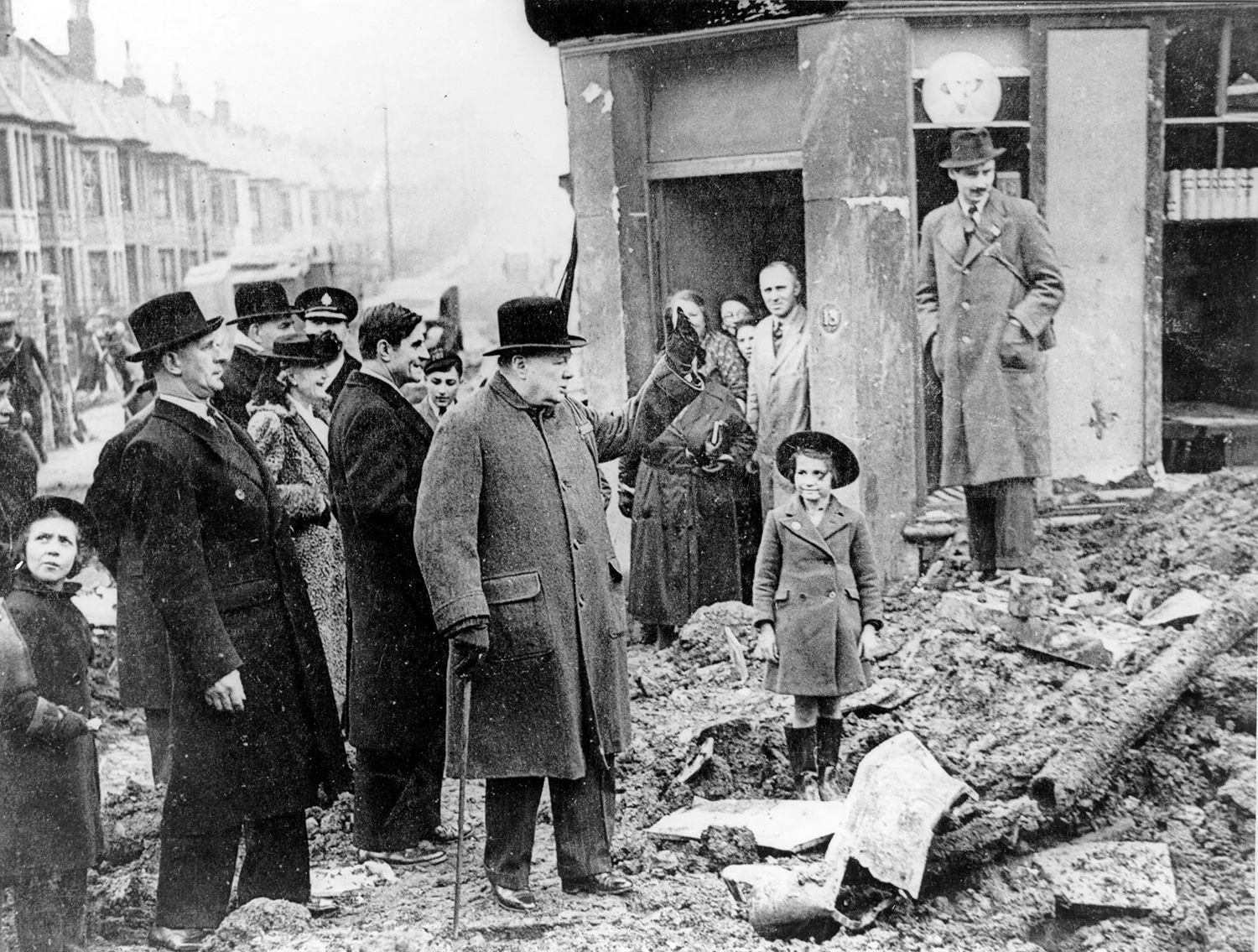
The 20th century brought major changes, including the two World Wars, the decline of the British Empire, and the creation of the modern Commonwealth. After World War II, the UK experienced significant social and economic transformation. The country became a parliamentary democracy and played an important role in European and global affairs. The UK joined the European Economic Community in 1973 and later left the European Union in 2020, beginning a new chapter in its international relations.
United Kingdom story

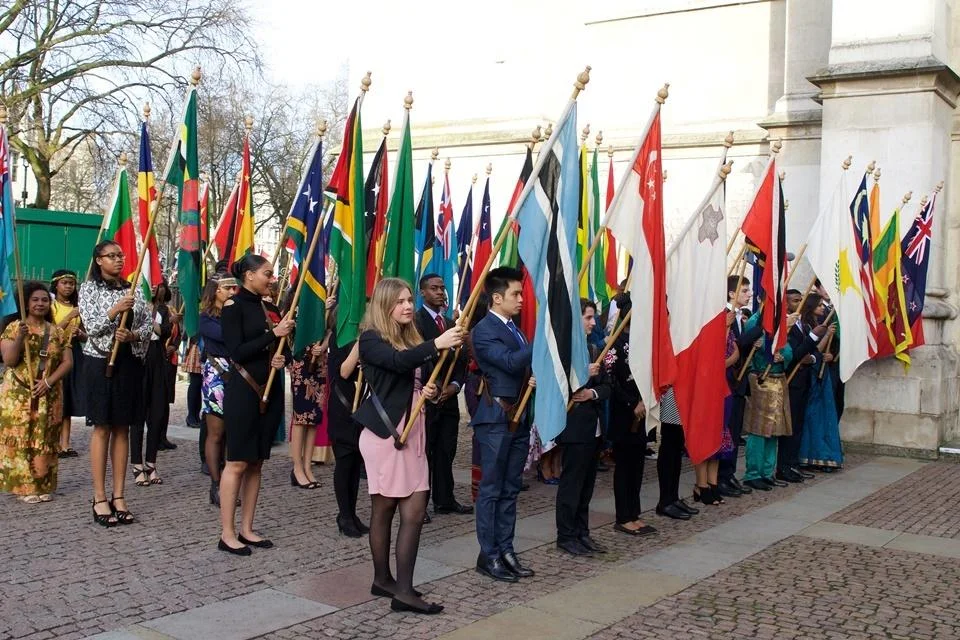
Modern British identity is shaped by history, innovation, cultural diversity, and regional traditions. England, Scotland, Wales, and Northern Ireland each maintain unique languages, customs, and symbols while contributing to a shared British heritage. Today, the UK is recognized for its universities, creative industries, financial services, technology, historic landmarks, and global cultural influence
United Kingdom story

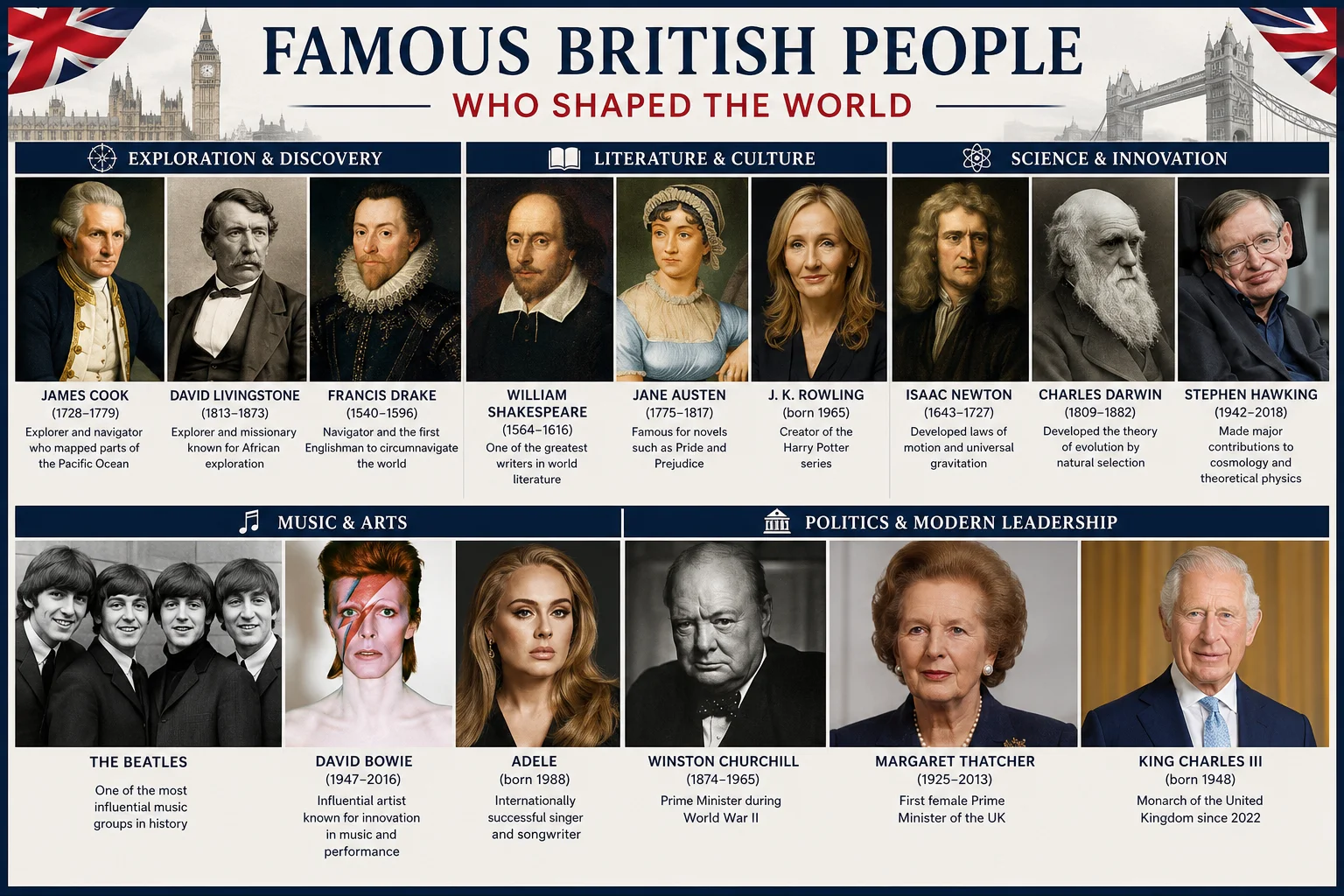
Exploration & Discovery

·        James Cook (1728–1779) — Explorer and navigator who mapped parts of the Pacific Ocean

·        David Livingstone (1813–1873) — Explorer and missionary known for African exploration

·        Francis Drake (1540–1596) — Navigator and the first Englishman to circumnavigate the world

Literature & Culture

·        William Shakespeare (1564–1616) — One of the greatest writers in world literature

·        Jane Austen (1775–1817) — Famous for novels such as Pride and Prejudice

·        J. K. Rowling (born 1965) — Creator of the Harry Potter series

Science & Innovation

·        Isaac Newton (1643–1727) — Developed laws of motion and universal gravitation

·        Charles Darwin (1809–1882) — Developed the theory of evolution by natural selection

·        Stephen Hawking (1942–2018) — Made major contributions to cosmology and theoretical physics

Music & Arts

·        The Beatles — One of the most influential music groups in history

·        David Bowie (1947–2016) — Influential artist known for innovation in music and performance

·        Adele (born 1988) — Internationally successful singer and songwriter

Politics & Modern Leadership

·        Winston Churchill (1874–1965) — Prime Minister during World War II

·        Margaret Thatcher (1925–2013) — First female Prime Minister of the UK

·        King Charles III (born 1948) — Monarch of the United Kingdom since 2022

British is Known For

A quick look at the core characteristics, structures, and cultural definitions that shape the United Kingdom reputation worldwide.

History & Royal Heritage

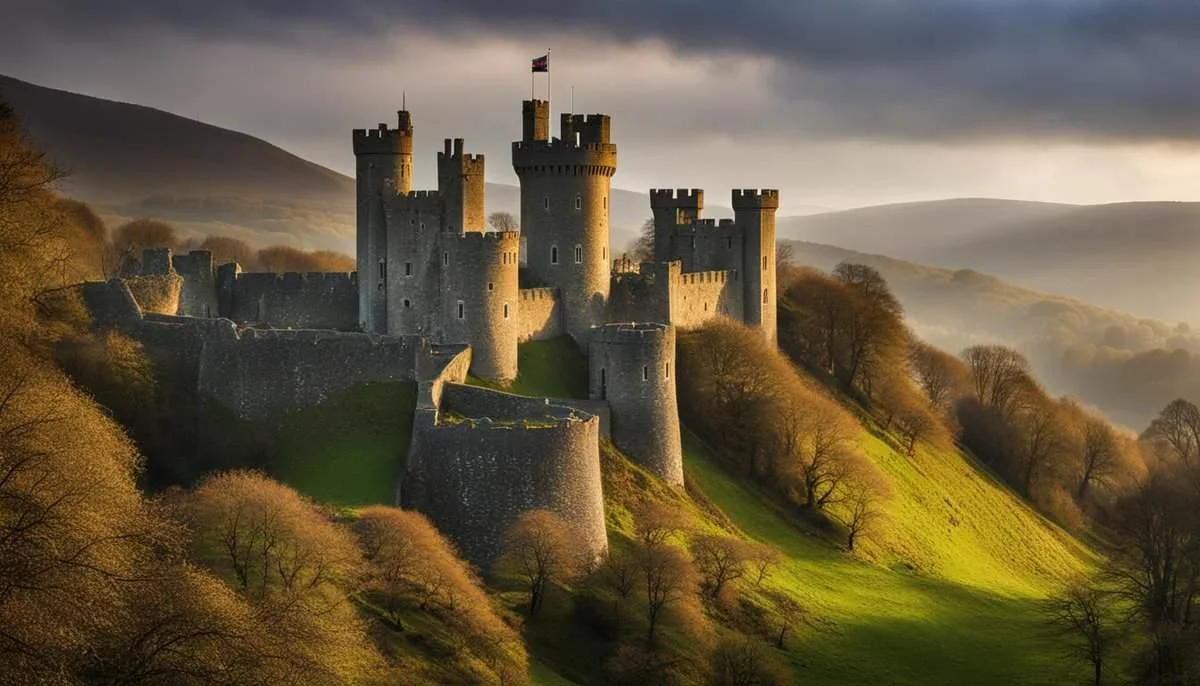
The United Kingdom is famous for its long history, constitutional monarchy, and royal traditions. Historic landmarks such as castles, palaces, and ancient monuments reflect centuries of British heritage. Institutions like the monarchy, Parliament, and the legal system have influenced many countries around the world.

Industrial Revolution

Britain was the birthplace of the Industrial Revolution in the 18th century. Innovations in steam power, manufacturing, engineering, and railway development transformed production and transportation worldwide. Cities such as Manchester, Birmingham, and Glasgow became major industrial centers.

Science & Innovation

The UK has made outstanding contributions to science and technology. British scientists have shaped fields including physics, medicine, biology, computing, and space research. Discoveries by figures such as Newton, Darwin, and modern researchers continue to influence global knowledge.

Literature & Language

The English language and British literature have had a major global impact. Writers such as Shakespeare, Jane Austen, Charles Dickens, and modern authors have created works studied and admired worldwide. The UK remains a center for publishing, storytelling, and creative writing.

Music & Creative Industries

The UK has one of the world’s most influential creative sectors. British artists, bands, filmmakers, designers, and fashion houses have shaped global culture. From The Beatles and Adele to British cinema and television production, UK creativity reaches audiences worldwide.

Architecture & Heritage

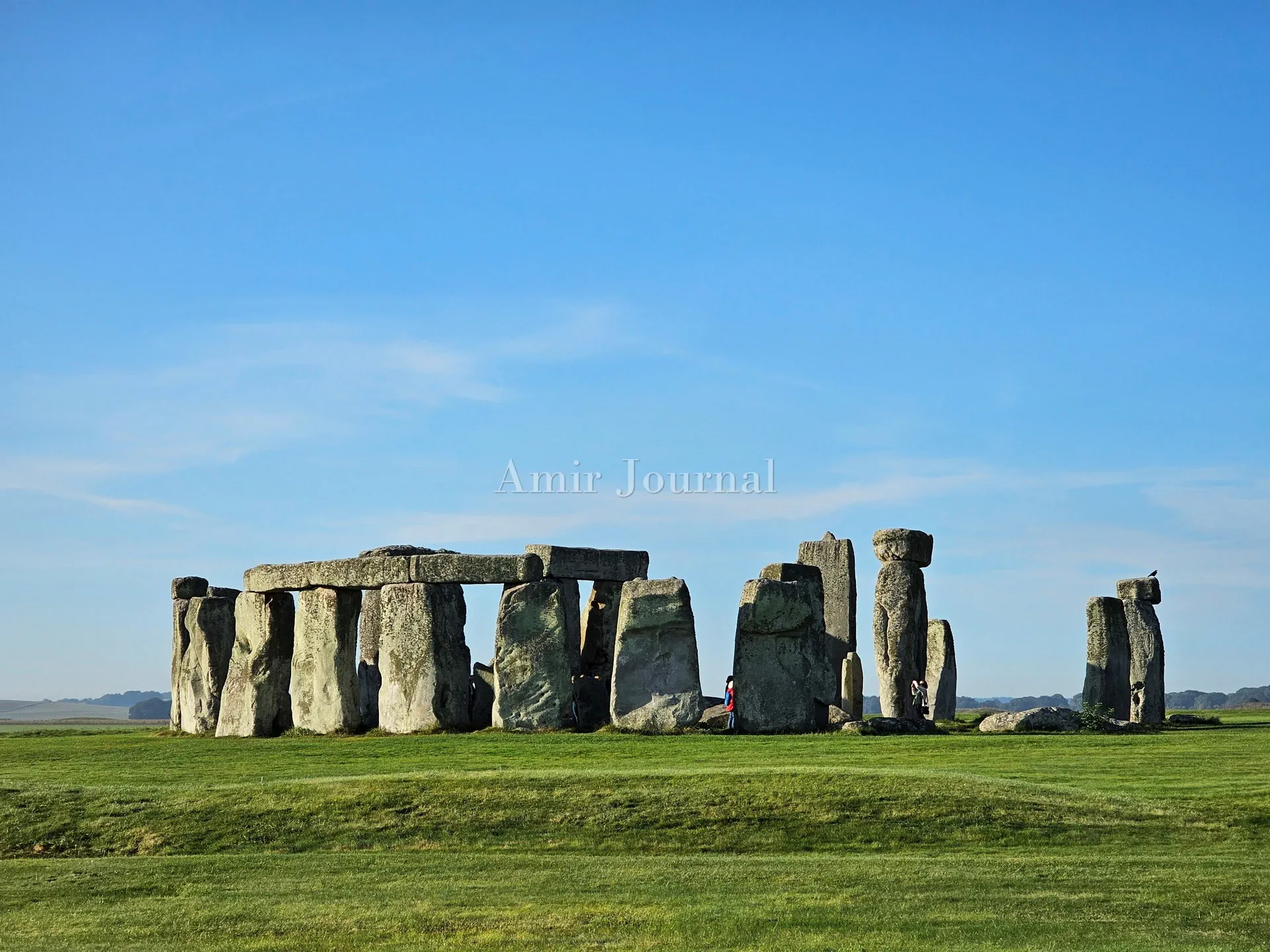
The UK is known for its diverse architecture, including medieval castles, Gothic cathedrals, royal palaces, Victorian buildings, and modern landmarks. Historic sites such as the Tower of London, Westminster Abbey, and ancient universities attract millions of visitors each year.

Food & Gastronomy

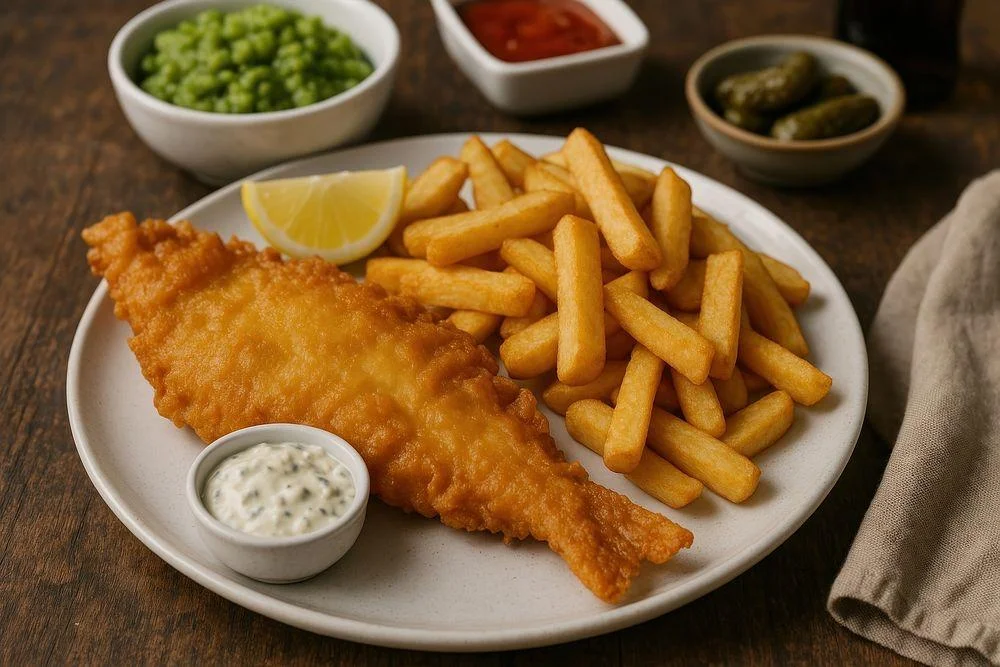
British cuisine reflects both traditional recipes and multicultural influences. Famous dishes include fish and chips, Sunday roast, full English breakfast, shepherd’s pie, Cornish pasty, and afternoon tea. Regional foods from England, Scotland, Wales, and Northern Ireland add to the country’s culinary identity.

Education & Research

The UK is home to some of the world’s oldest and most respected universities, including University of Oxford and University of Cambridge. British institutions are internationally recognized for research in science, medicine, technology, and humanities.

Sport & Global Influence

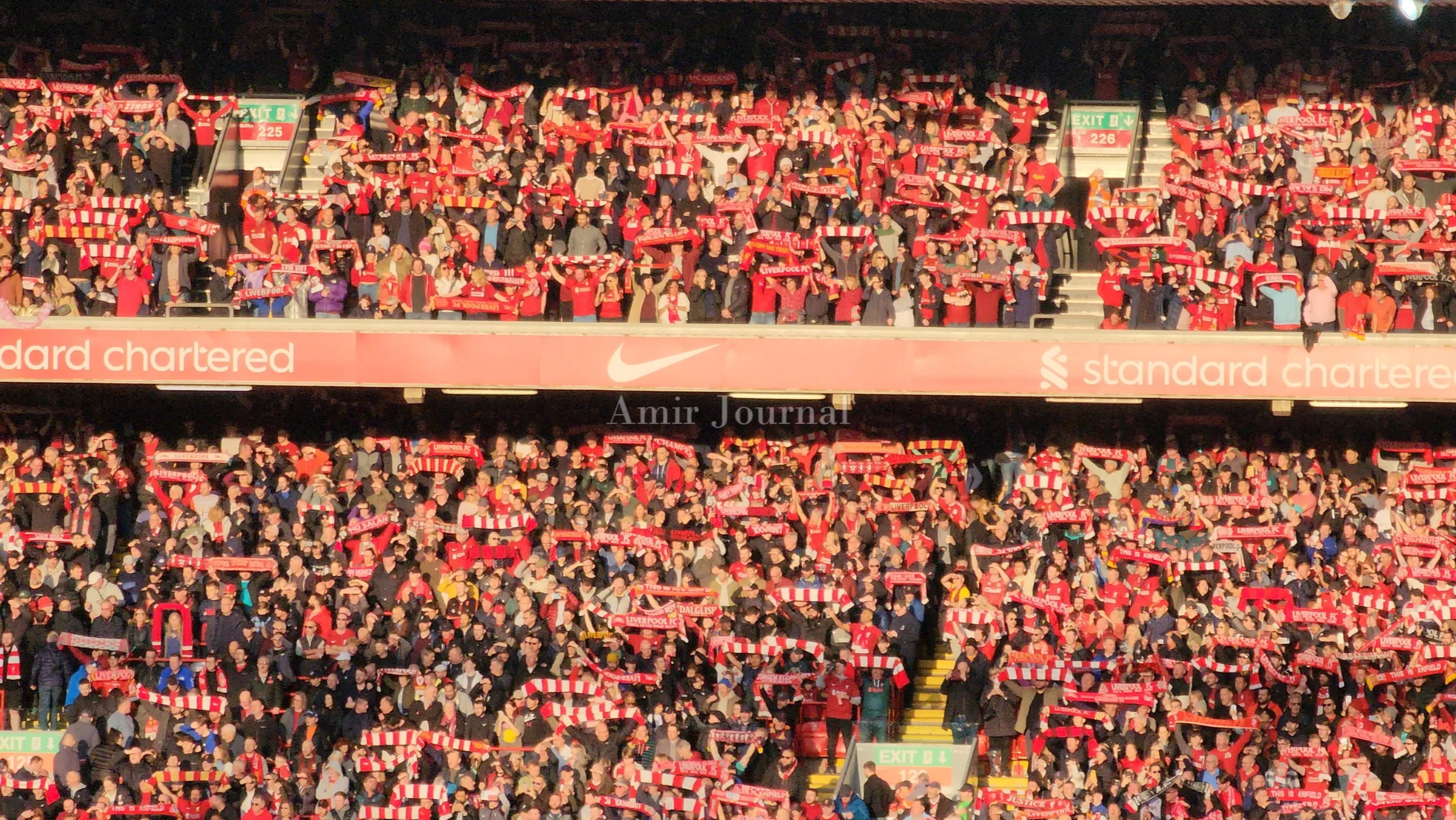
The UK has played a major role in the development of modern sports. Football, rugby, tennis, cricket, and golf all have strong historical connections to Britain. Events such as Wimbledon and the Premier League attract global audiences.

Regional Diversity

The United Kingdom is made up of four nations, each with its own identity: • England — Historic cities, literature, royal heritage, and global business centers • Scotland — Highlands, castles, Celtic traditions, and distinctive culture • Wales — Welsh language, music, mountains, and national parks • Northern Ireland — Coastal landscapes, cultural traditions, and historic sites

Technology & Sustainability

The UK continues to be a leader in innovation, with strengths in artificial intelligence, fintech, biotechnology, renewable energy, and scientific research. It is investing in clean energy, offshore wind power, and sustainable technologies for the future.

Global Influence & Diplomacy

Through its history, language, culture, economy, and international partnerships, the UK remains an influential country in global finance, education, diplomacy, media, and international cooperation.

The British Spirit
titleDecore bar

Understanding society, traditions, and daily life in United Kingdom

British society places strong importance on politeness, personal privacy, respect, and social responsibility. People are generally known for their courtesy, patience, and appreciation of good manners. Everyday expressions such as “please,” “thank you,” and “sorry” are common parts of communication. Family, friendships, local communities, and social traditions remain important, while major cities such as London, Manchester, and Edinburgh offer diverse and international lifestyles. Smaller towns and rural areas often preserve traditional customs and a slower pace of life.

The UK has a practical yet influential fashion culture. Everyday clothing is generally casual and adaptable to the country’s changing weather. British fashion is known worldwide through designers, luxury brands, and creative styles. Traditional clothing varies by region, including the Scottish kilt, Welsh cultural dress, and ceremonial clothing connected to royal and historic events. Fashion events such as London Fashion Week highlight the UK’s global influence in design.

English is the main language spoken across the United Kingdom and one of the world’s most widely used languages. However, the UK has a rich variety of regional languages and dialects:

·        Welsh — Official language of Wales alongside English

·        Scottish Gaelic — Traditional language of parts of Scotland

·        Irish Gaelic — Cultural language of Northern Ireland

Regional accents and dialects vary greatly, reflecting the unique identities of England, Scotland, Wales, and Northern Ireland.

Music is a major part of British cultural identity. The UK has produced some of the world’s most influential musicians and bands, including The Beatles, Queen, Adele, David Bowie, and many others. British music has shaped global rock, pop, electronic, and classical scenes. Festivals, concerts, and live performances are an important part of cultural life.

The UK has a rich artistic heritage influenced by Roman, medieval, Renaissance, Victorian, and modern movements. The country is famous for:

·        Historic castles and royal palaces

·        Gothic cathedrals and medieval towns

·        Victorian architecture

·        Museums, galleries, and modern design

Cities such as London, Edinburgh, Bath, Oxford, and Cambridge showcase centuries of architectural and cultural development.

Christianity, particularly the Church of England, has historically played an important role in British society and national traditions. Today, the UK is a highly diverse and increasingly secular country. Religious celebrations, historic churches, and cultural traditions continue to influence national life, while people of many faiths and beliefs contribute to modern British society.

Religious Composition

The United Kingdom is a multicultural society with a wide range of beliefs:

·        Christianity (including Anglican, Catholic, and other denominations)

·        Islam

·        Hinduism

·        Sikhism

·        Judaism

·        Buddhism

·        Other religions and non-religious communities

Ethnic Backgrounds

The UK has a diverse population shaped by centuries of migration, trade, and global connections. The majority population has British heritage, while communities with roots in South Asia, Africa, the Caribbean, Europe, and other regions have contributed significantly to modern British culture.

Major cities such as London, Birmingham, Manchester, and Glasgow are among the most multicultural urban areas in Europe, reflecting the UK’s history as a global nation and its continuing international connections.

United Kingdom Food Culture
titleDecore bar
United Kingdom - Fish and Chips

Fish and Chips

Britain’s most iconic dish, featuring battered fish served with fried potatoes

United Kingdom - Smoked Salmon

Smoked Salmon

Especially associated with Scotland, known for high-quality salmon

United Kingdom - Cullen Skink

Cullen Skink

A traditional Scottish soup made with smoked haddock, potatoes, and onions

United Kingdom - Potted Shrimp

Potted Shrimp

A historic seafood dish from coastal regions of England

Fish and Chips

Britain’s most iconic dish, featuring battered fish served with fried potatoes

Smoked Salmon

Especially associated with Scotland, known for high-quality salmon

Cullen Skink

A traditional Scottish soup made with smoked haddock, potatoes, and onions

Potted Shrimp

A historic seafood dish from coastal regions of England

United Kingdom - Fish and Chips

Fish and Chips

United Kingdom - Smoked Salmon

Smoked Salmon

United Kingdom - Cullen Skink

Cullen Skink

United Kingdom - Potted Shrimp

Potted Shrimp

Explore United Kingdom
titleDecore bar

The United Kingdom offers a remarkable combination of history, royal heritage, world-famous cities, dramatic landscapes, and cultural diversity. From medieval castles and ancient monuments to modern cities and national parks, every region provides unique experiences.

Cities & Highlights

The capital of the United Kingdom and one of the world's most influential cities, known for royal landmarks, museums, history, and global culture.

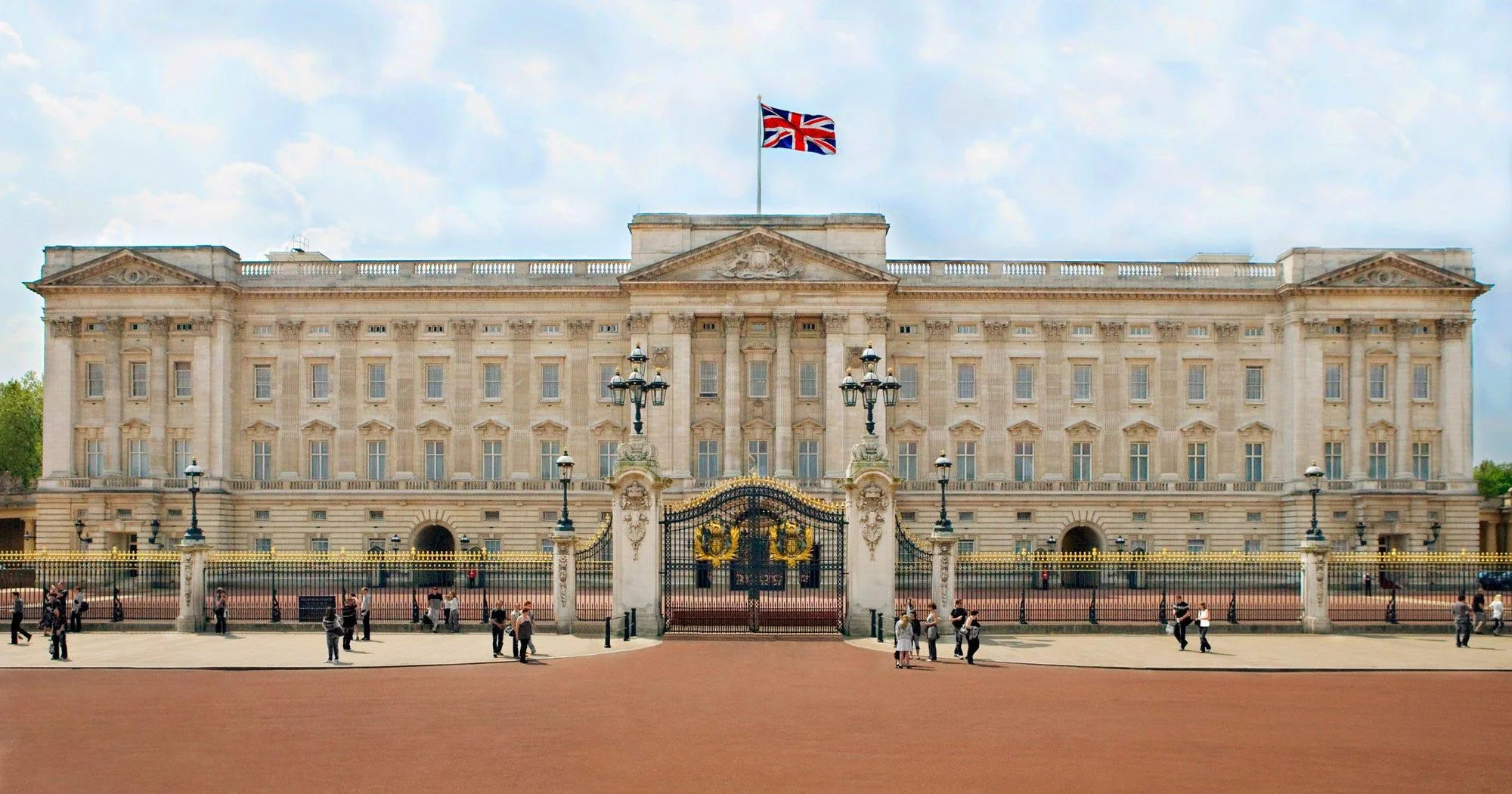
Buckingham Palace

Buckingham Palace

Official residence of the British monarch and a symbol of the Royal Family.

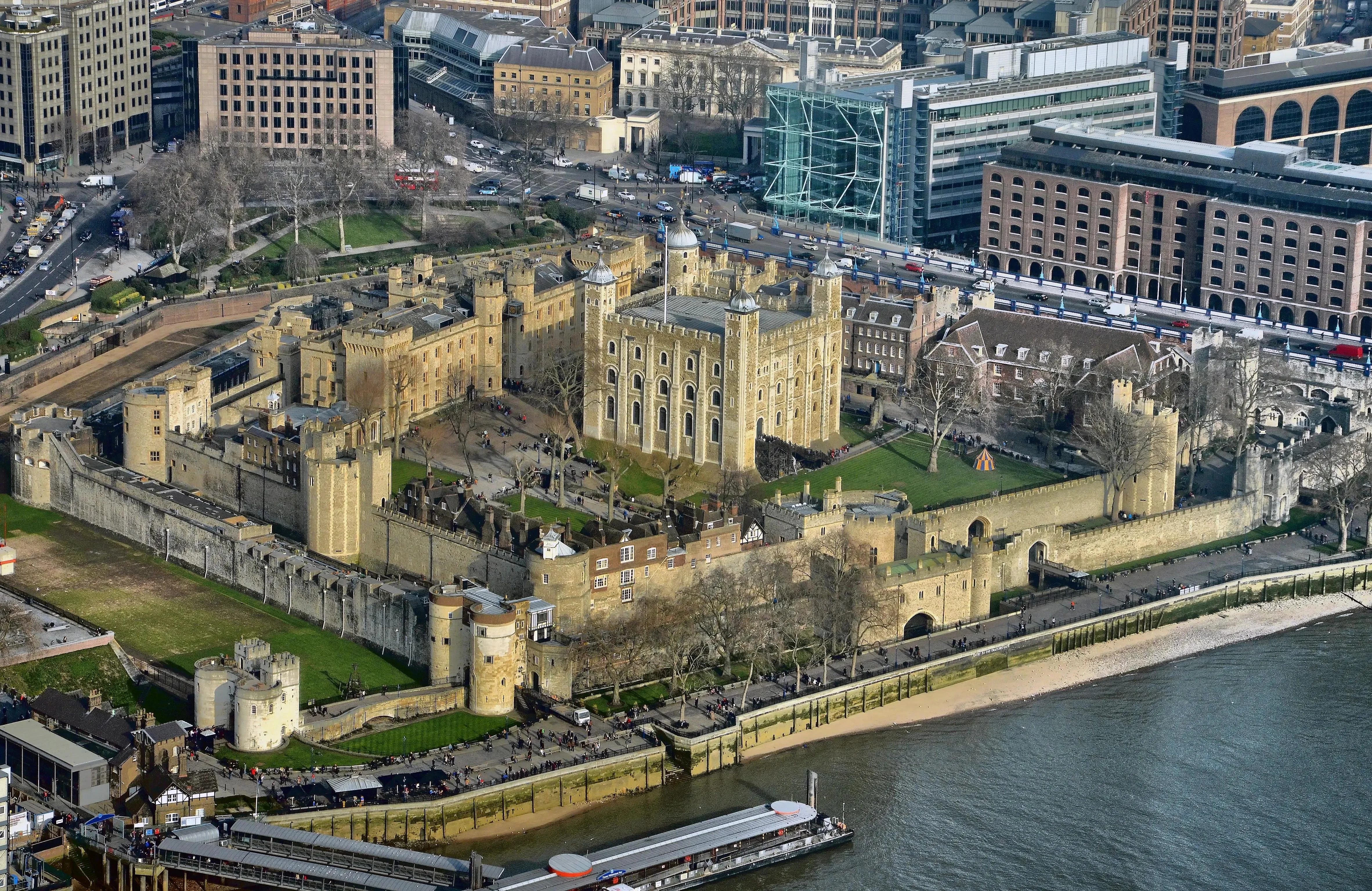
Tower of London

Tower of LondonUNESCO

Historic fortress, royal palace, and home of the Crown Jewels.

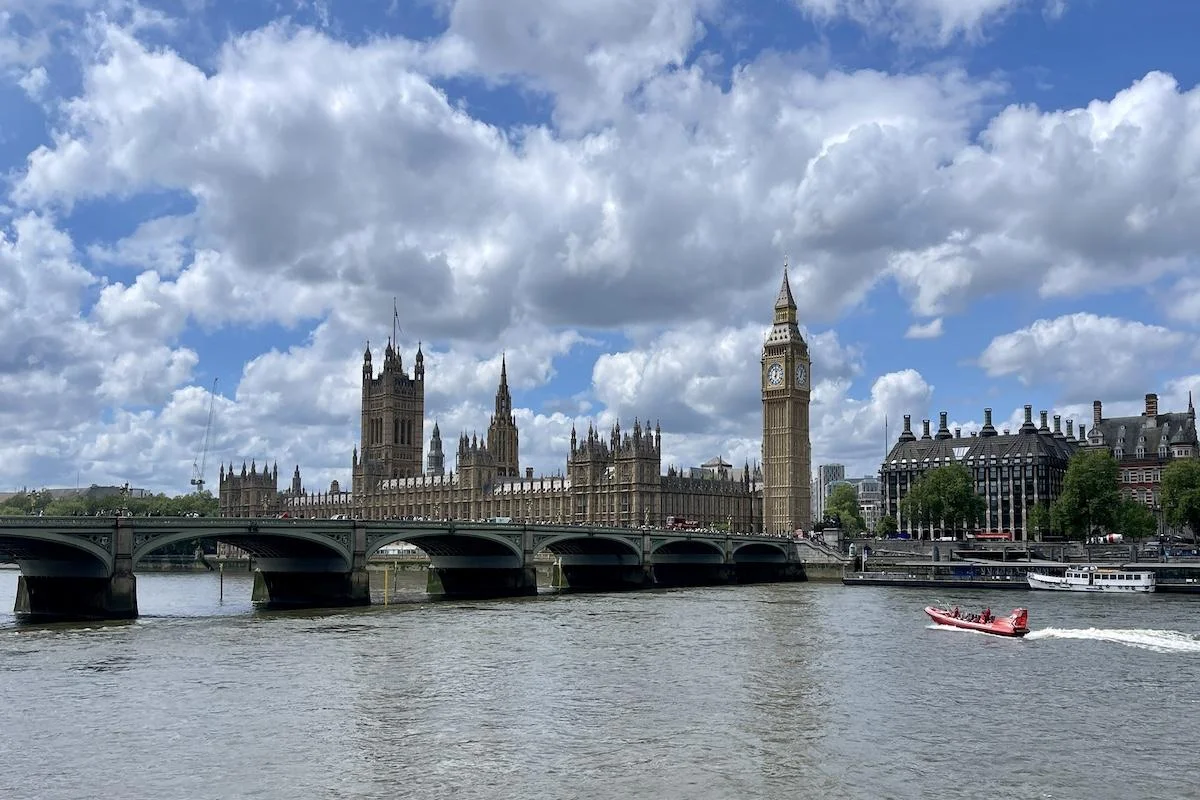
Big Ben

Big Ben

One of London’s most famous landmarks, representing British history and democracy.

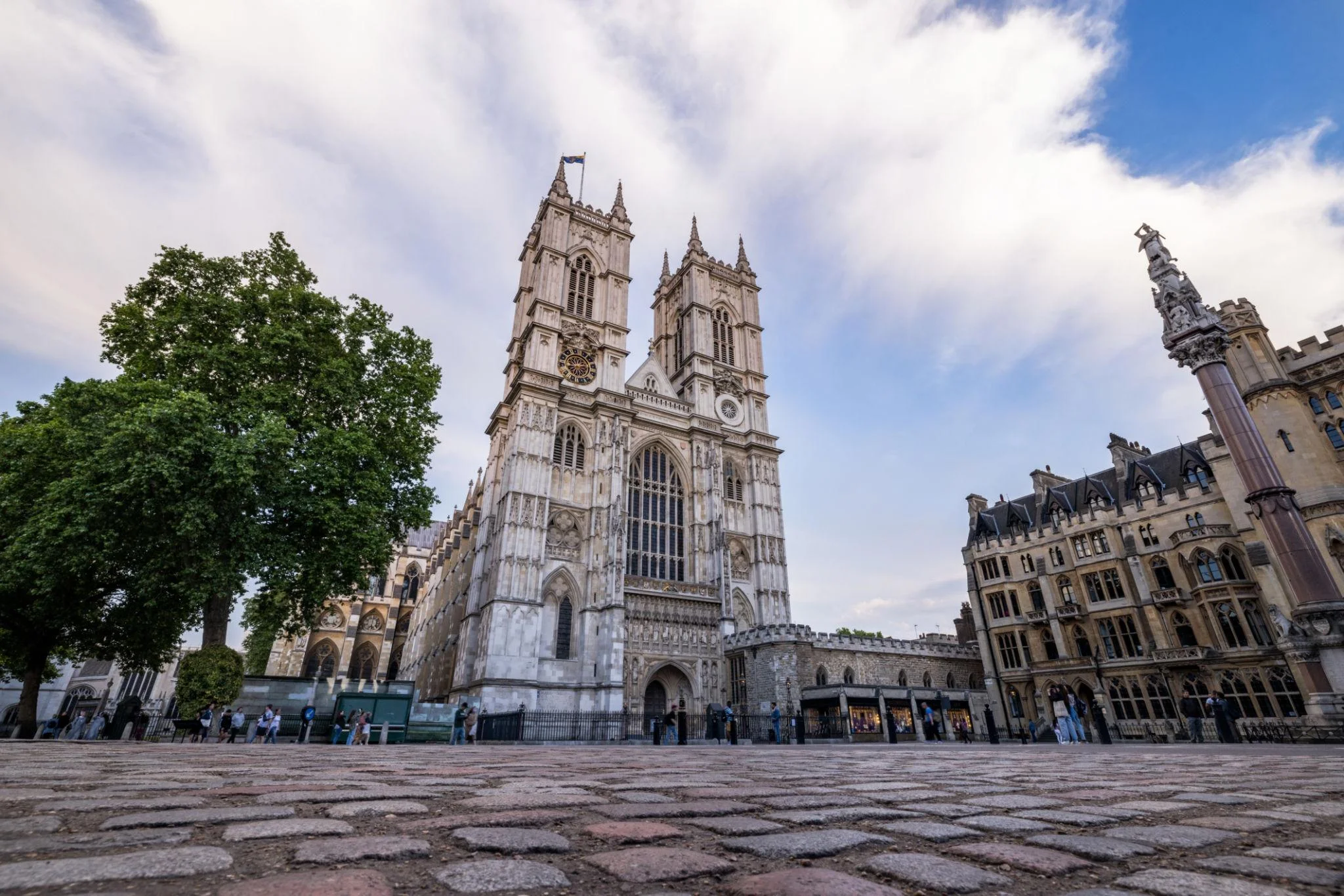
Westminster Abbey

Westminster Abbey

Historic Gothic church and the traditional site of royal coronations and ceremonies.

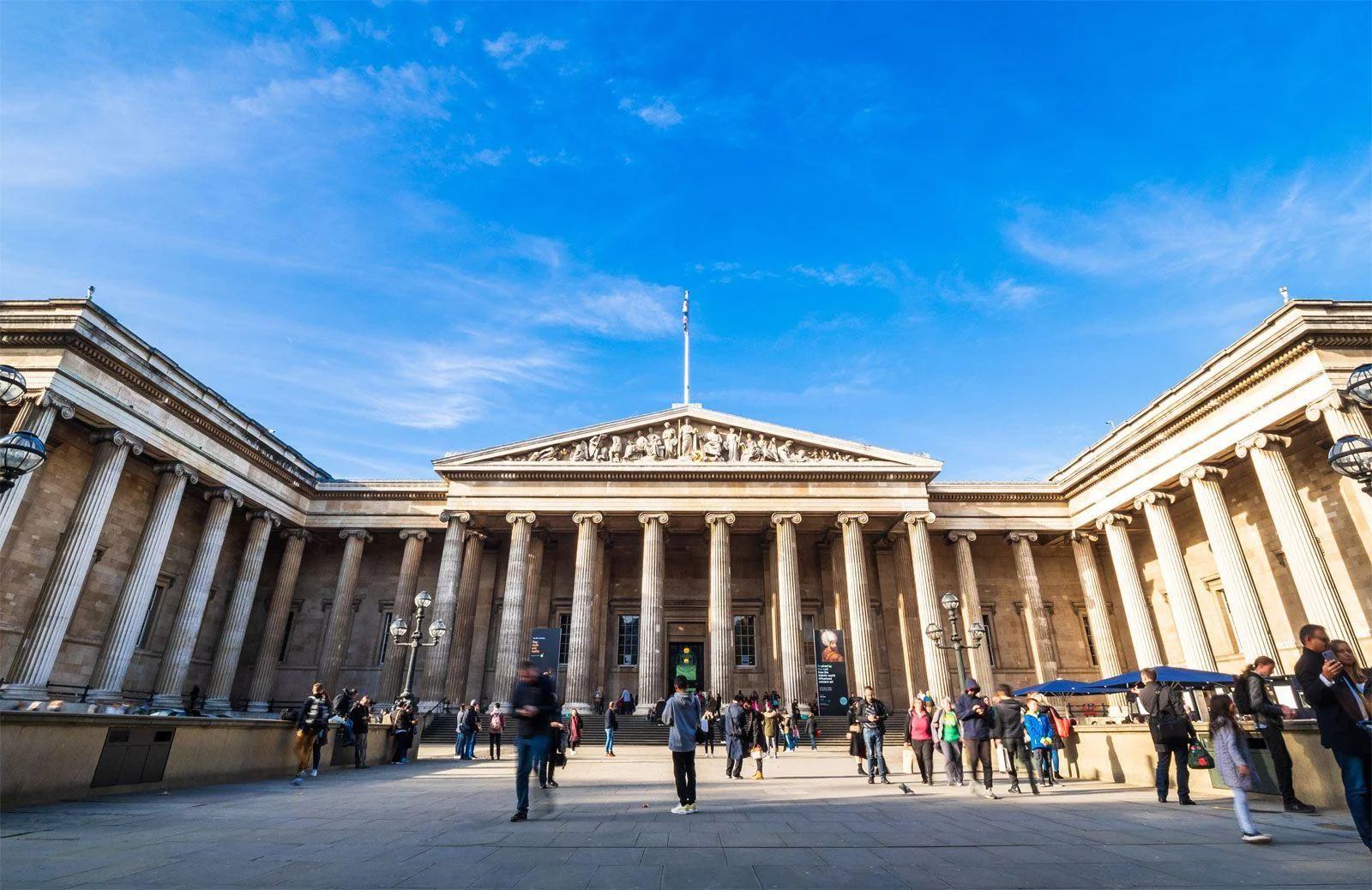
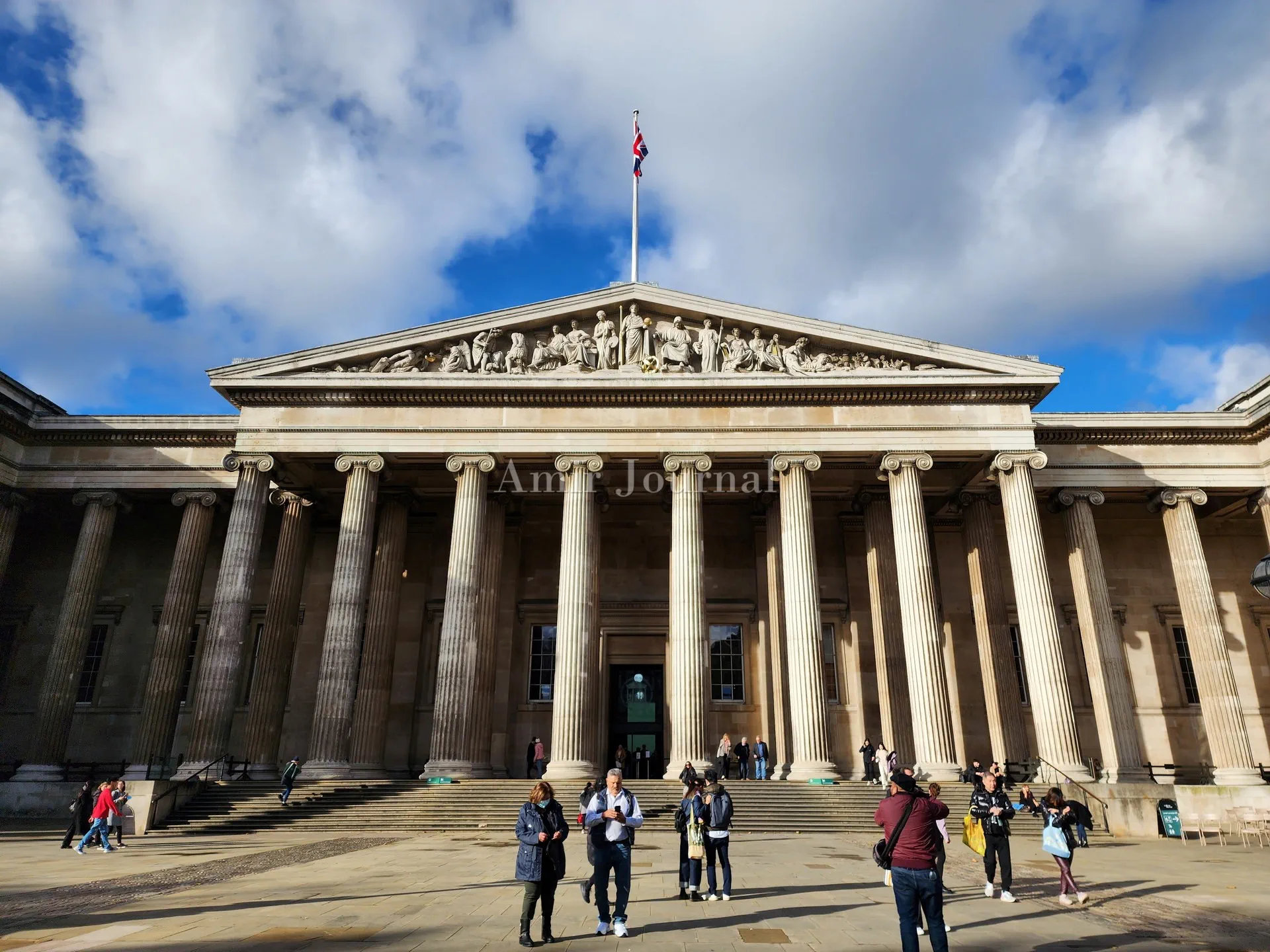
British Museum

British Museum

One of the world’s greatest museums, featuring treasures from ancient civilizations.

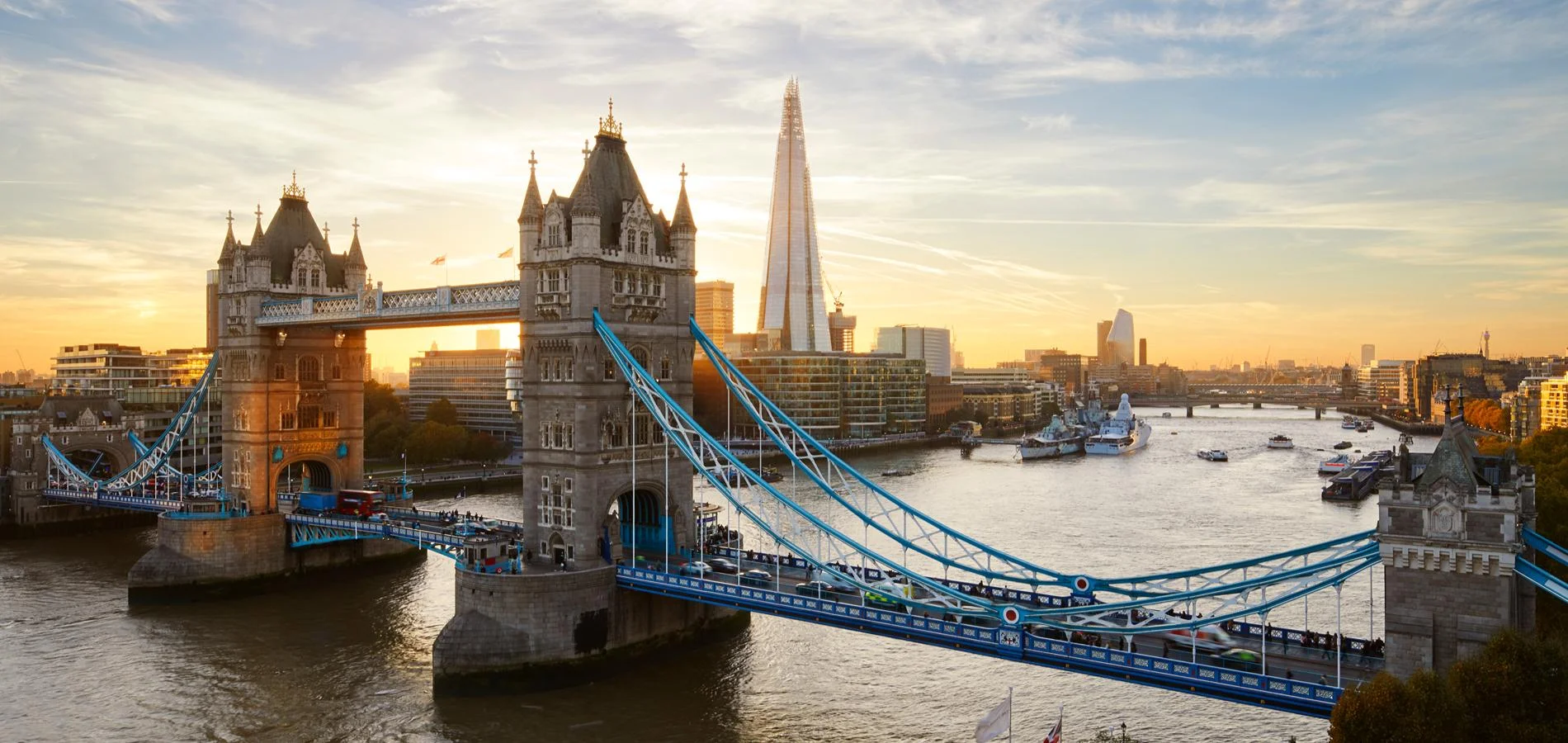
Tower Bridge

Tower Bridge

Iconic Victorian bridge across the River Thames and one of London’s most photographed landmarks.

Special Experiences
titleDecore bar

The United Kingdom offers a rich combination of royal traditions, historic celebrations, world-famous sporting events, cultural festivals, scenic journeys, and unique local experiences. From royal ceremonies and ancient traditions to modern cities and dramatic landscapes, visitors can experience British culture throughout the year.

British culture is shaped by centuries of history, regional traditions, royal heritage, and community celebrations. Festivals and events play an important role in national life.

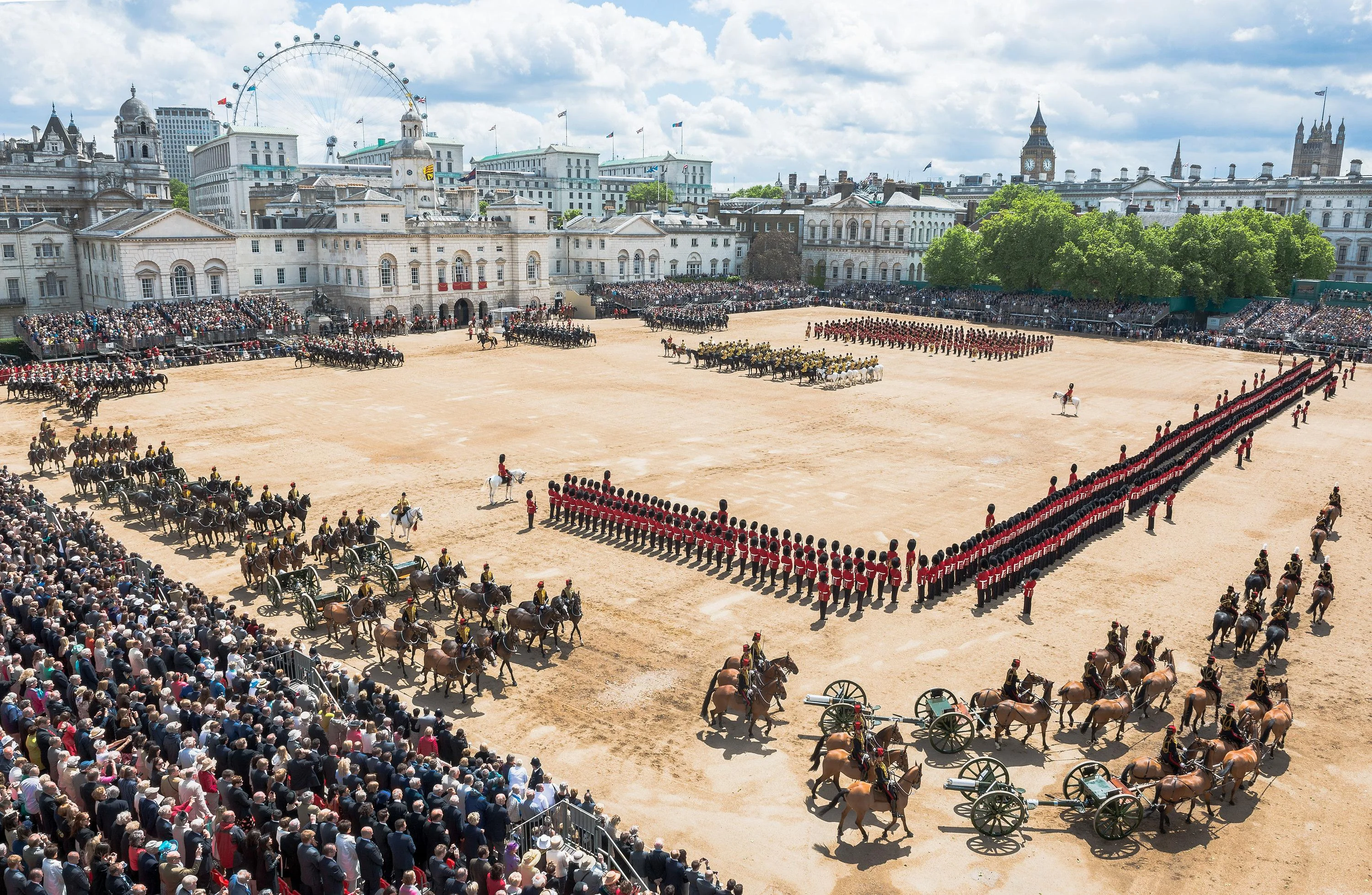
June

Trooping the Colour

London

The official birthday celebration of the British monarch featuring military parades, marching bands, horse guards, and a Royal Air Force flypast over Buckingham Palace.

Trooping the Colour

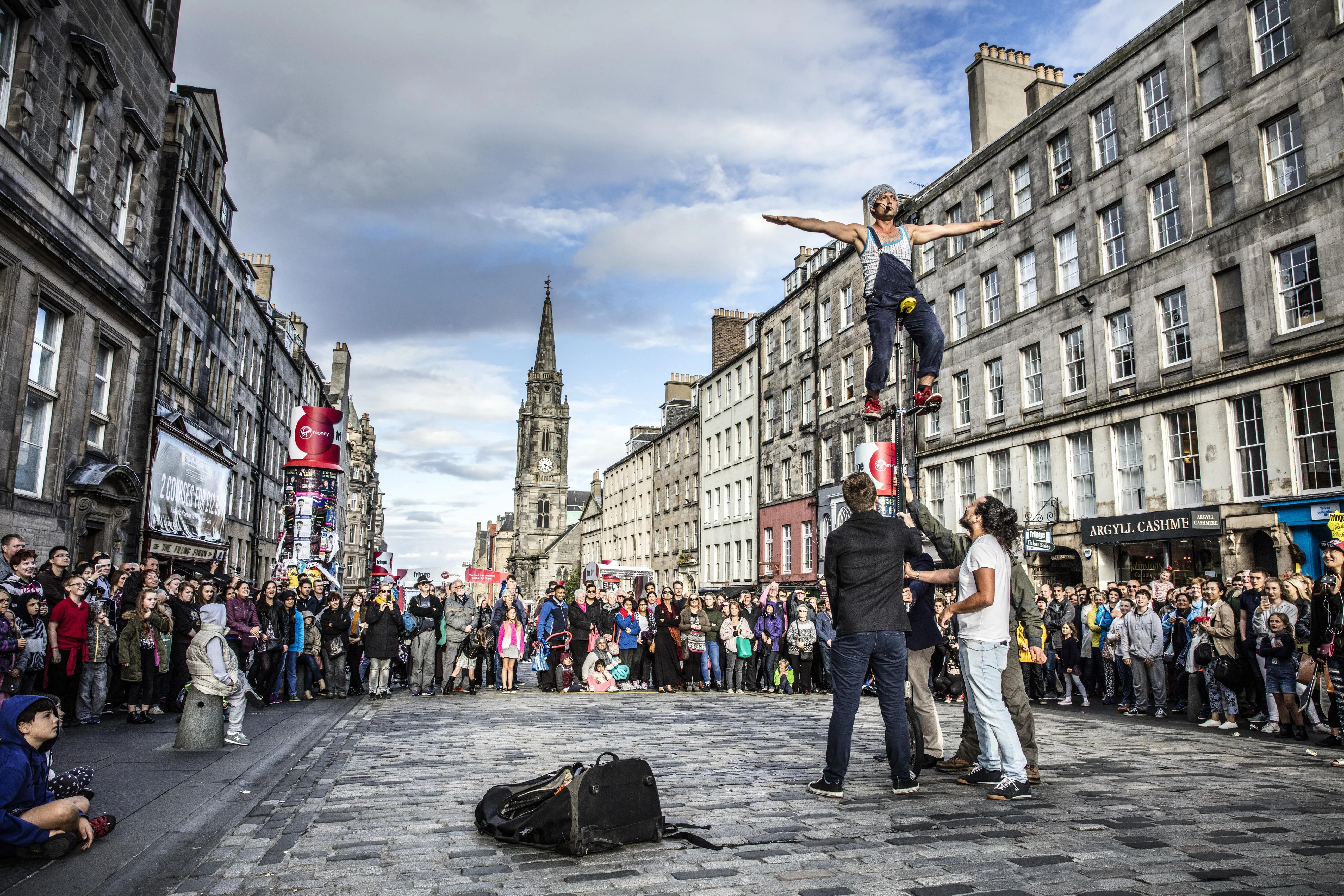
August

Edinburgh Festival Fringe

Scotland

The world's largest arts festival, featuring thousands of performances including theatre, comedy, music, dance, and street entertainment.

Edinburgh Festival Fringe

August

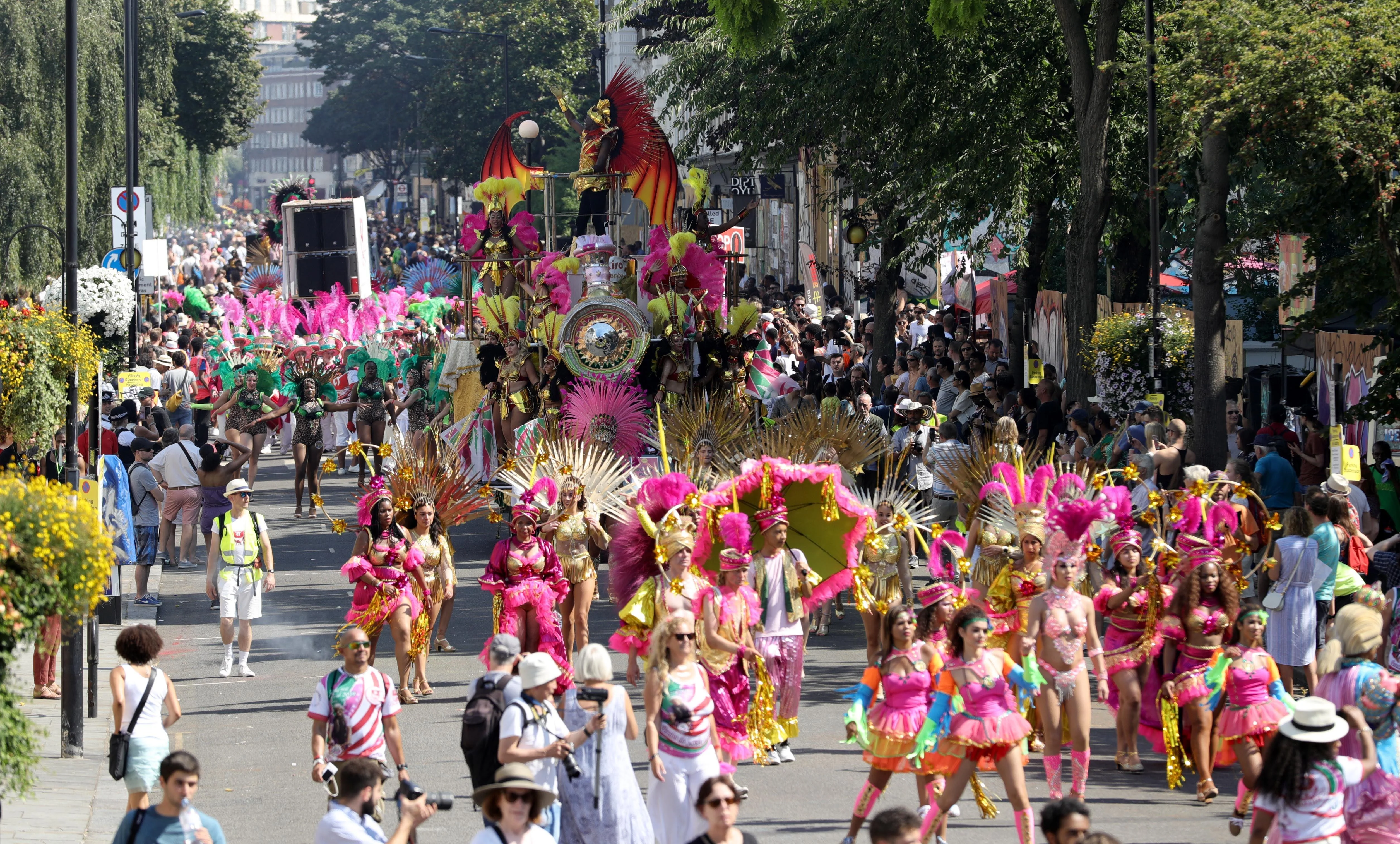
Notting Hill Carnival

London

One of Europe's largest street festivals, celebrating Caribbean culture with music, dance, costumes, and food.

Notting Hill Carnival

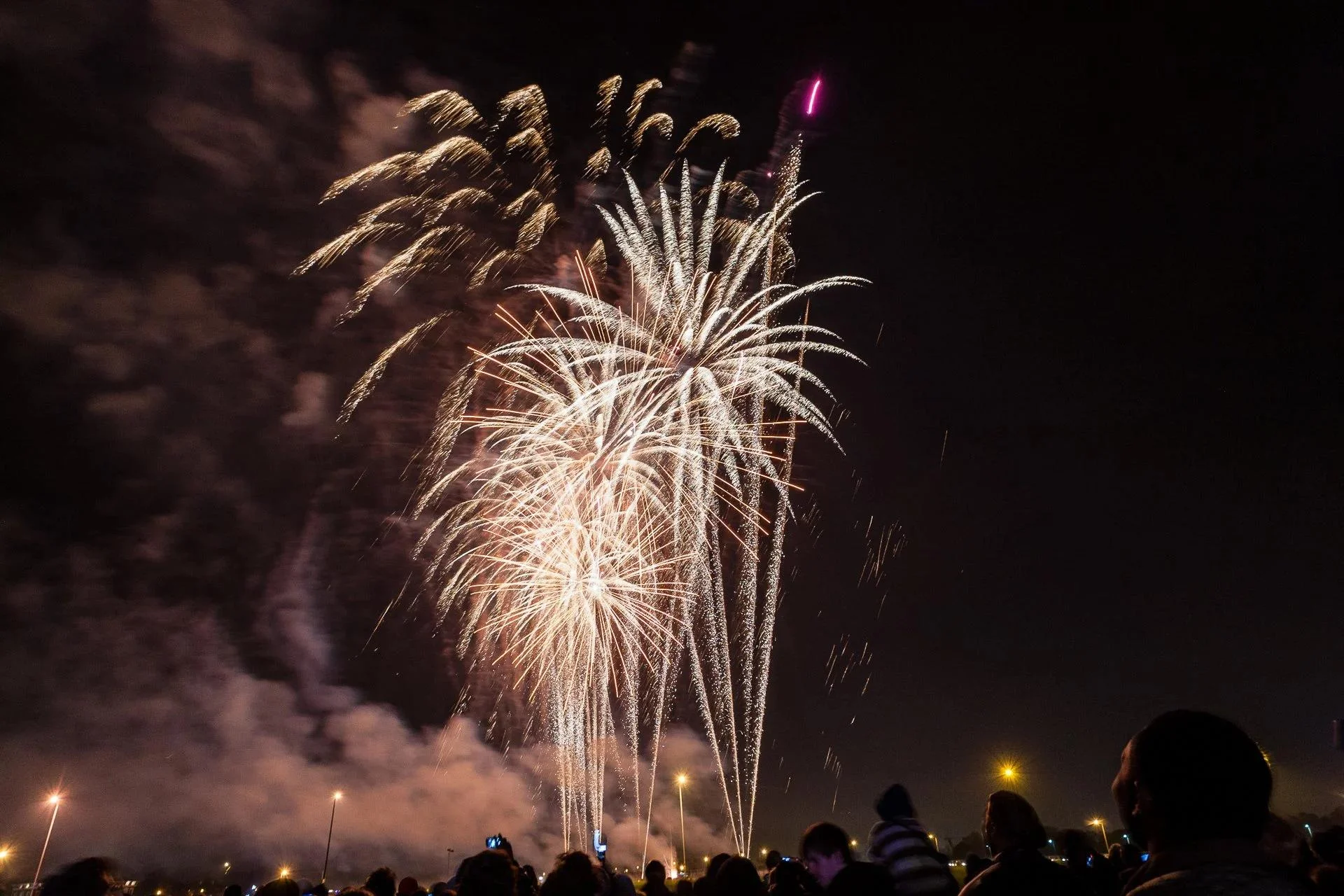
November 5

Bonfire Night (Guy Fawkes Night)

London

Celebrated throughout the UK with fireworks, bonfires, and community events commemorating historical events from 1605.

Bonfire Night (Guy Fawkes Night)

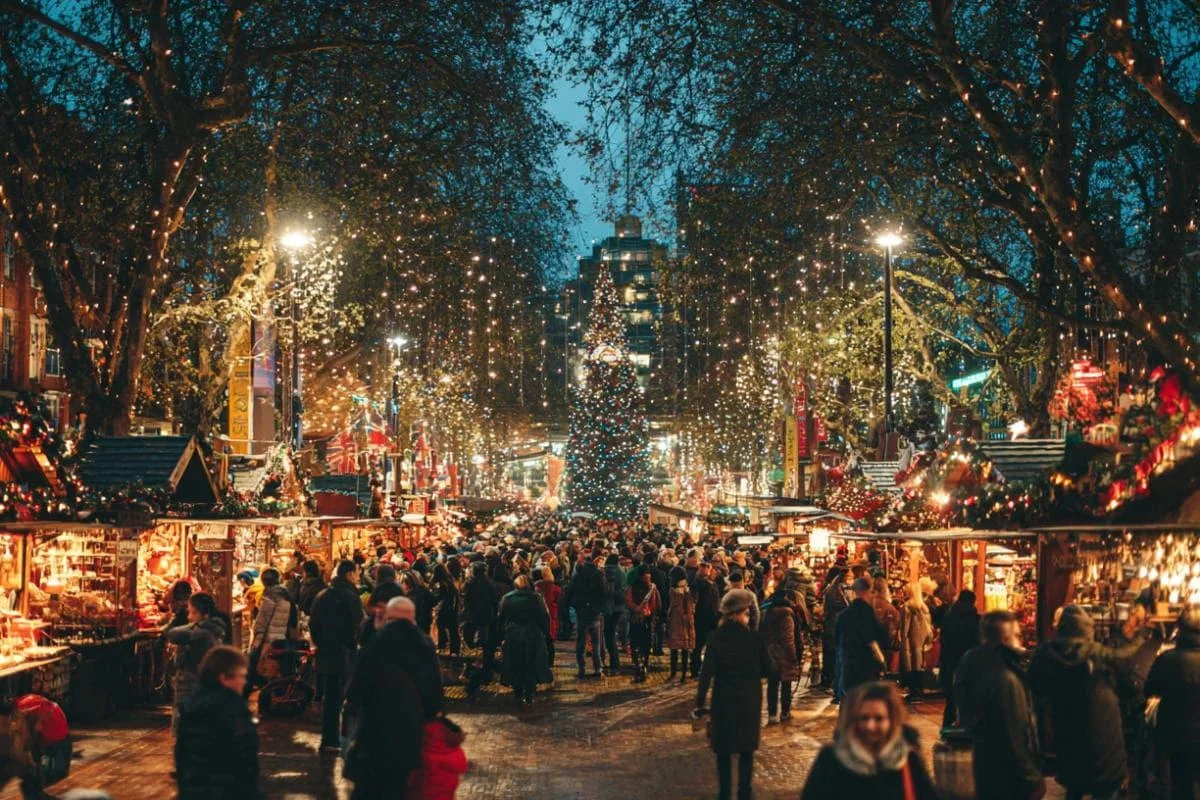
December

Christmas Markets & Festive Celebrations

Across UK

Cities such as London, Edinburgh, Manchester, York, and Birmingham host Christmas markets, festive lights, ice skating, and seasonal traditions.

Christmas Markets & Festive Celebrations
Shopping
titleDecore bar

Shopping in the United Kingdom combines tradition, innovation, craftsmanship, and global influence. From luxury fashion houses and iconic department stores to heritage brands and local specialties, British products are recognised worldwide for their quality, design, and history. The label “Made in Britain” remains associated with heritage, innovation, and enduring

Well-Known Brands

Britain has long been a global centre of fashion, blending classic tailoring with contemporary creativity.

Burberry
Burberry

Founded in 1856 by Thomas Burberry, Burberry is one of Britain's most iconic luxury brands, famous for its trench coats, signature check pattern, and timeless British elegance.

Alexander McQueen
Alexander McQueen

Established in London in 1992, Alexander McQueen became renowned for bold creativity, innovative designs, and artistic fashion.

Vivienne Westwood
Vivienne Westwood

A pioneer of punk fashion, Vivienne Westwood transformed British style with rebellious designs that continue to influence global fashion.

Paul Smith
Paul Smith

Known for colourful details and classic tailoring, Paul Smith represents modern British style with a playful twist.

Mulberry
Mulberry

Founded in Somerset in 1971, Mulberry is celebrated for premium leather handbags and accessories crafted with British heritage.

Marks & Spencer (M&S)

Marks & Spencer (M&S) is one of the UK’s most trusted retail brands, known for quality clothing, home goods, and premium food productsgoods, and premium food products.

Debenhams
Debenhams

Debenhams was a major British department store chain known for fashion, beauty, and homeware, now operating mainly as an online retailer after closing its physical stores.

Local Goods & Retail

British souvenirs often reflect the nation's history, craftsmanship, and cultural traditions. Many are practical items connected to regional heritage.

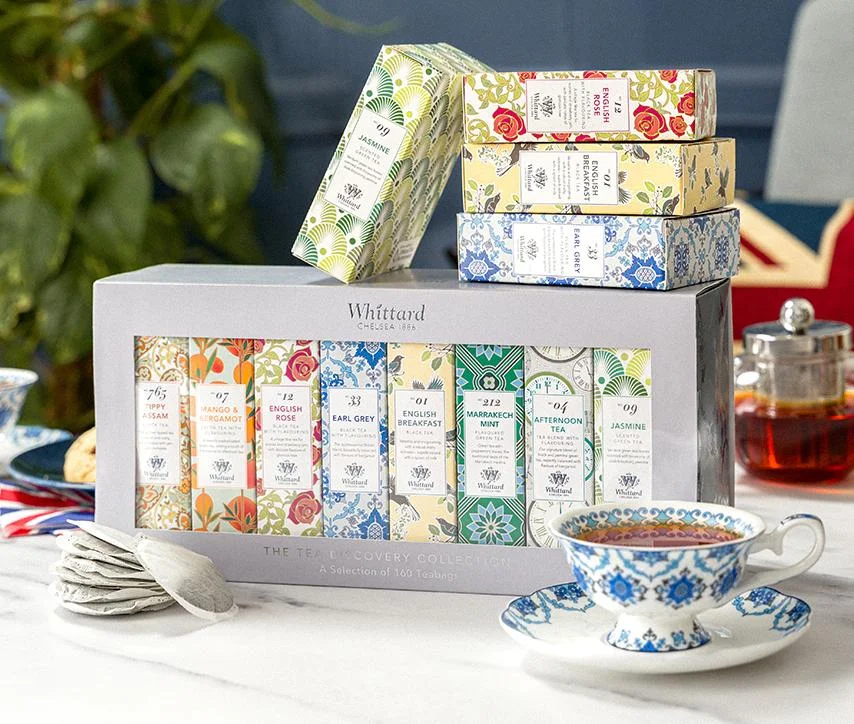
English Tea
English Tea

Nationwide

Tea is deeply embedded in British culture. Premium loose-leaf teas and tea gift sets make classic souvenirs.

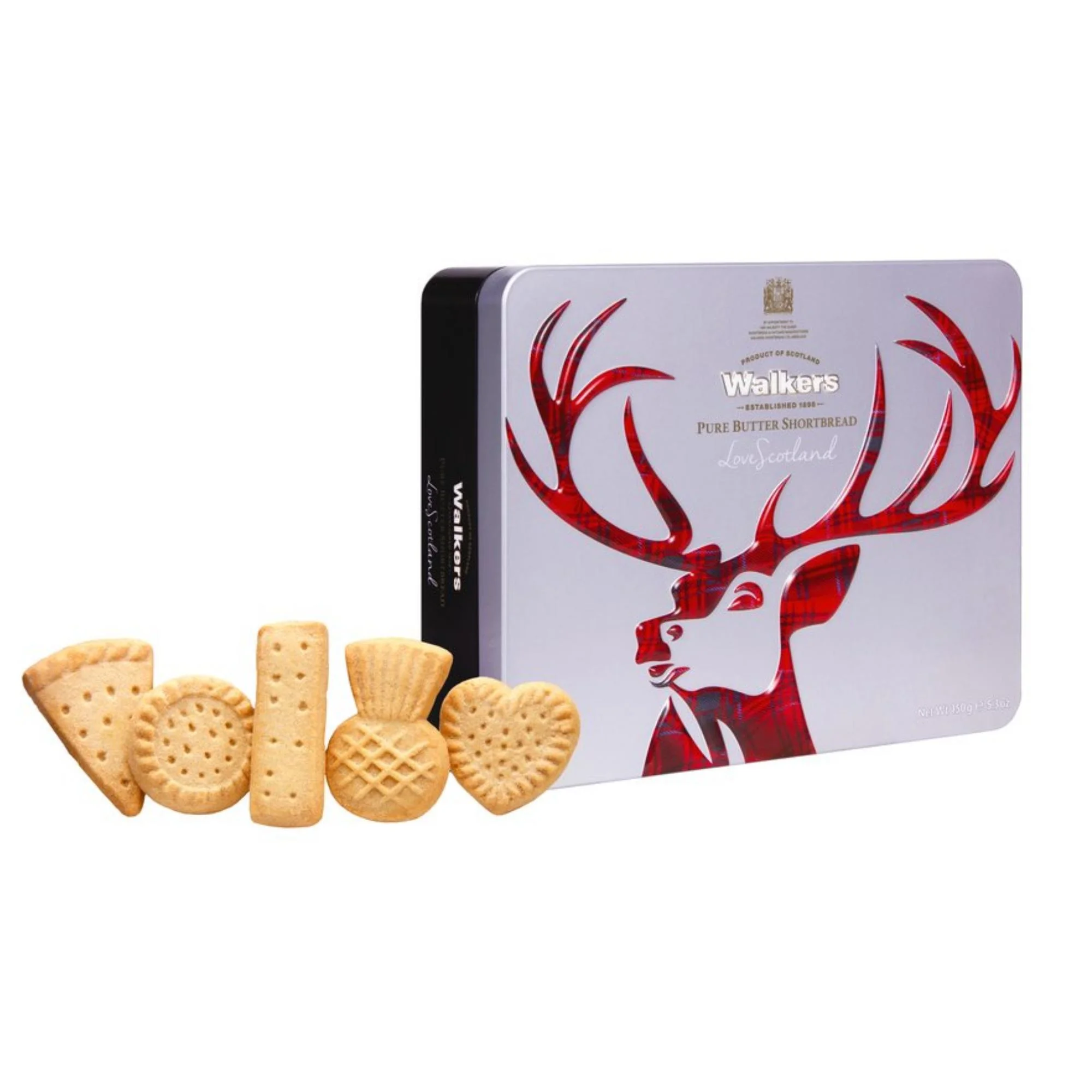
Shortbread
Shortbread

Scotland

Traditional Scottish shortbread is famous for its buttery taste and makes an easy gift to take home.

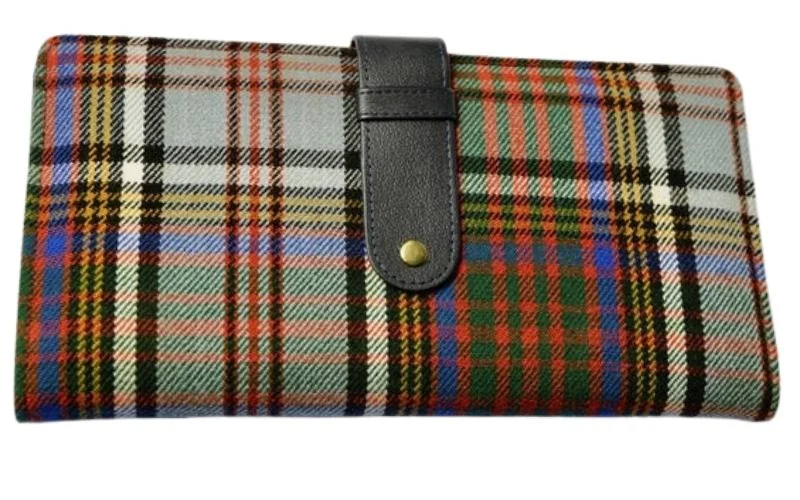
Tartan Products
Tartan Products

Scotland

Scarves, blankets, and accessories featuring Scottish tartans celebrate centuries of heritage.

Whisky
Whisky

Scotland

Scottish whisky is internationally renowned, with many distilleries producing unique regional styles.

Fine China
Fine China

Stoke-on-Trent

Known as "The Potteries," this region has produced world-famous ceramics for centuries.

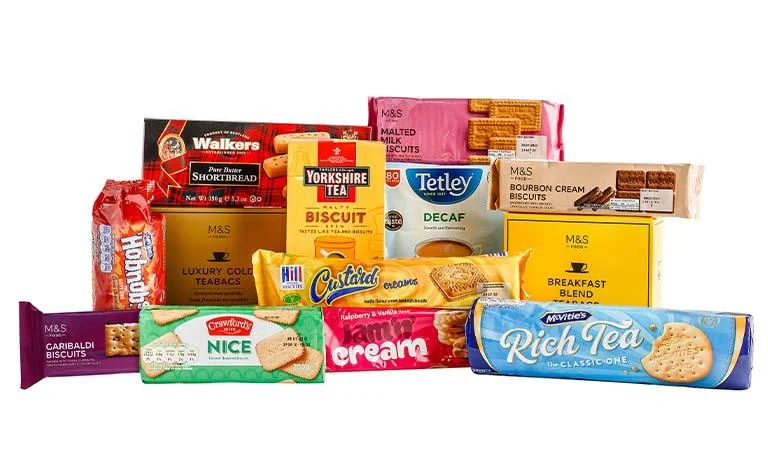
British Biscuits
British Biscuits

Nationwide

Brands such as shortbread, digestive biscuits, and luxury tea biscuits are popular edible souvenirs.

Leather Goods
Leather Goods

England

High-quality British leather craftsmanship includes wallets, bags, and accessories.

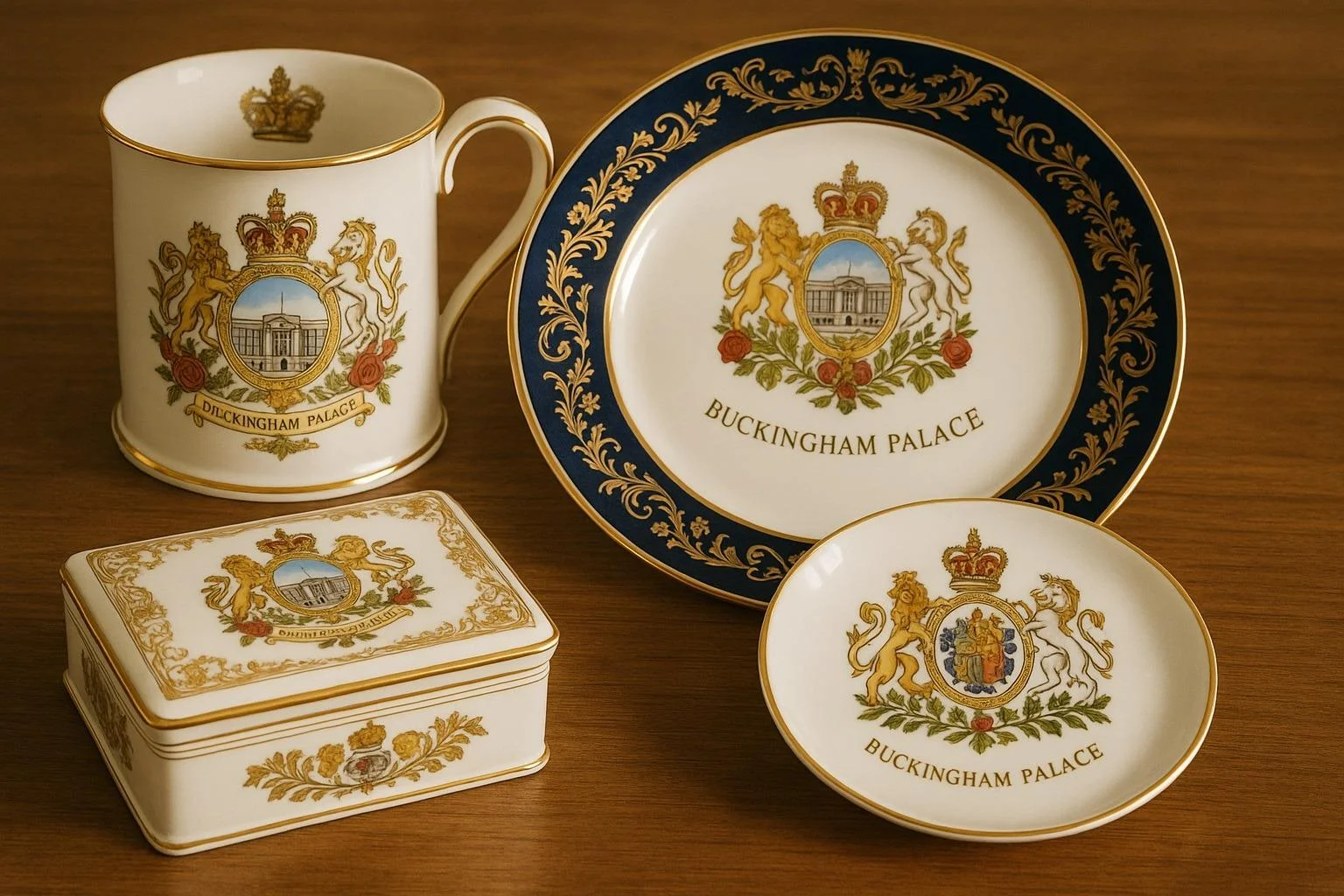
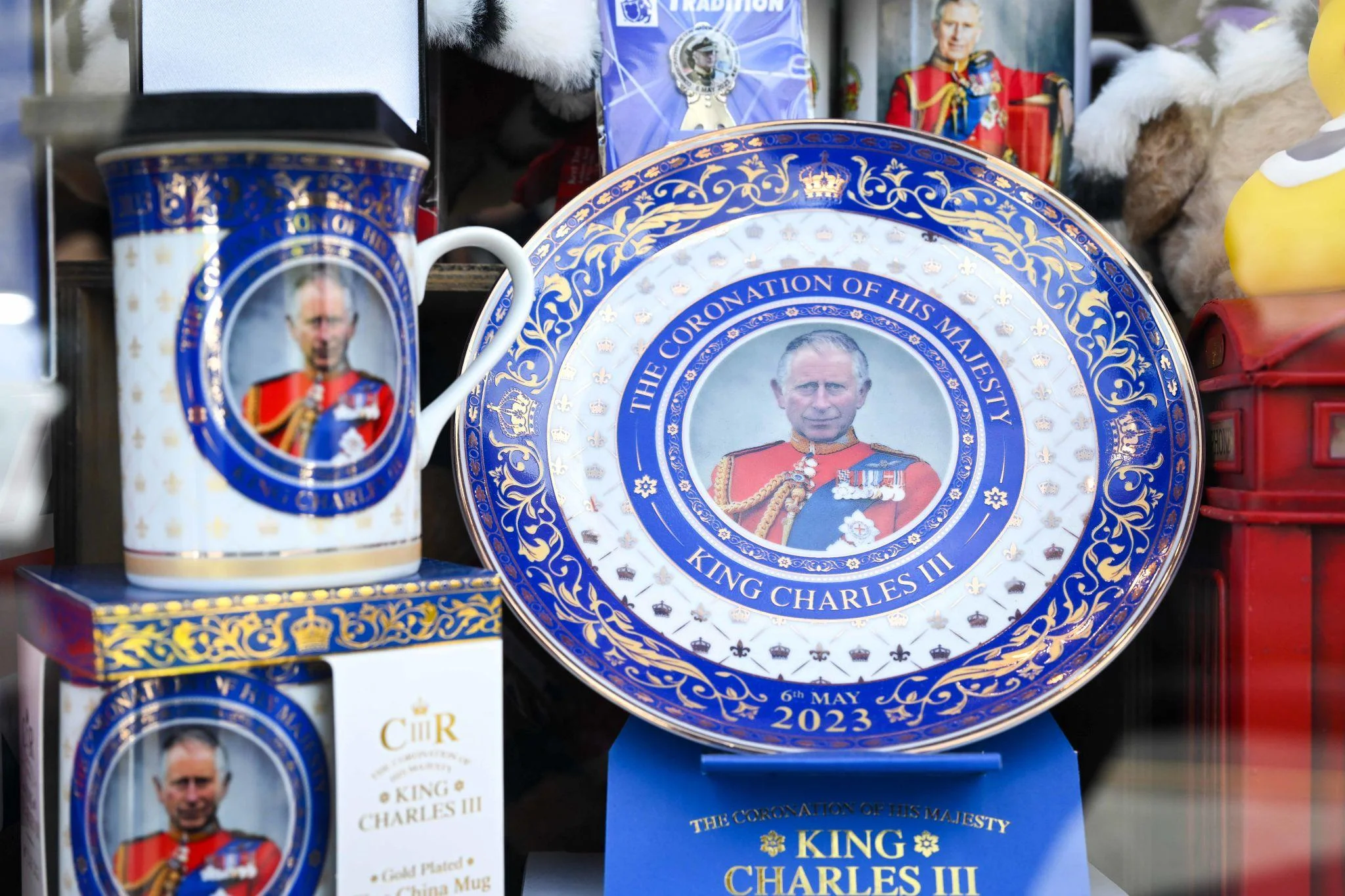
Royal Memorabilia
Royal Memorabilia

London

Items connected to the British monarchy remain popular souvenirs for visitors.

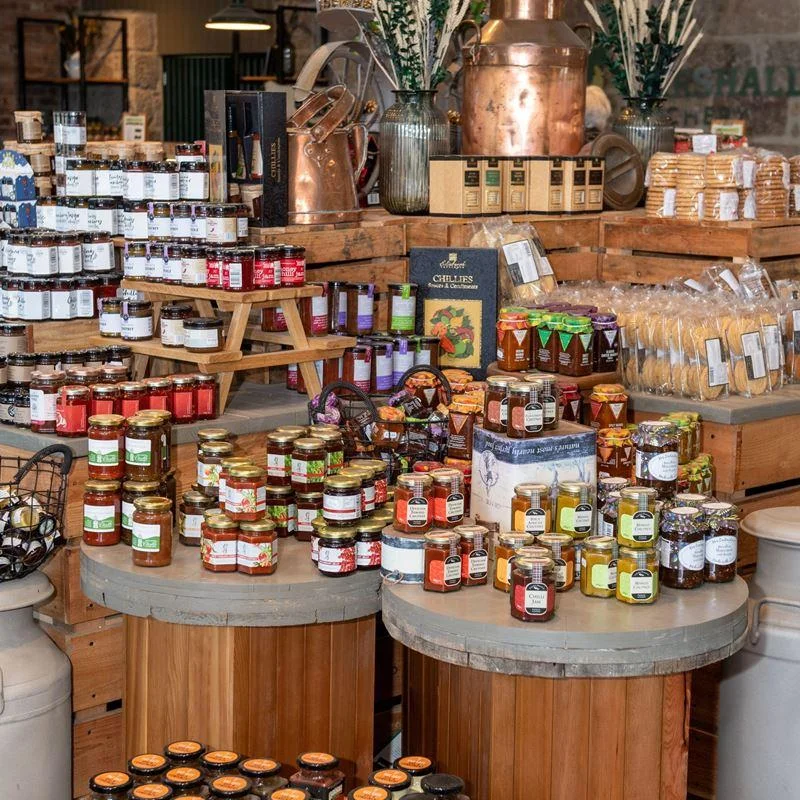
British Honey & Jam
British Honey & Jam

Nationwide

A classic everyday souvenir from the UK, British honey and jam reflect traditional countryside farming and breakfast culture.

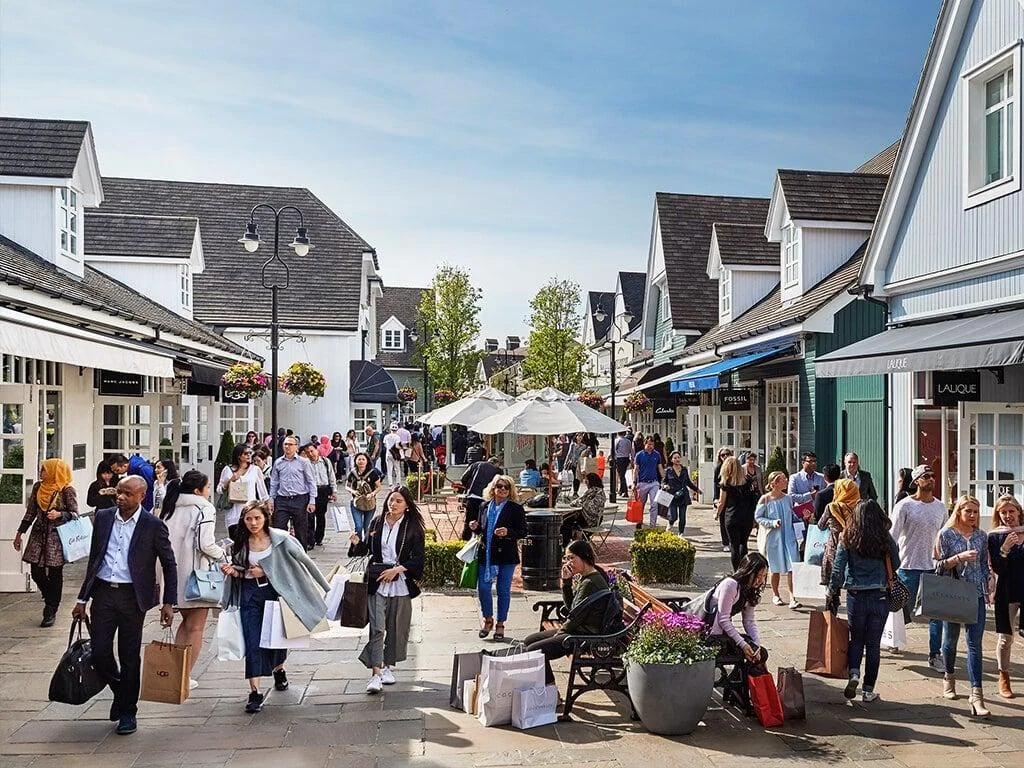
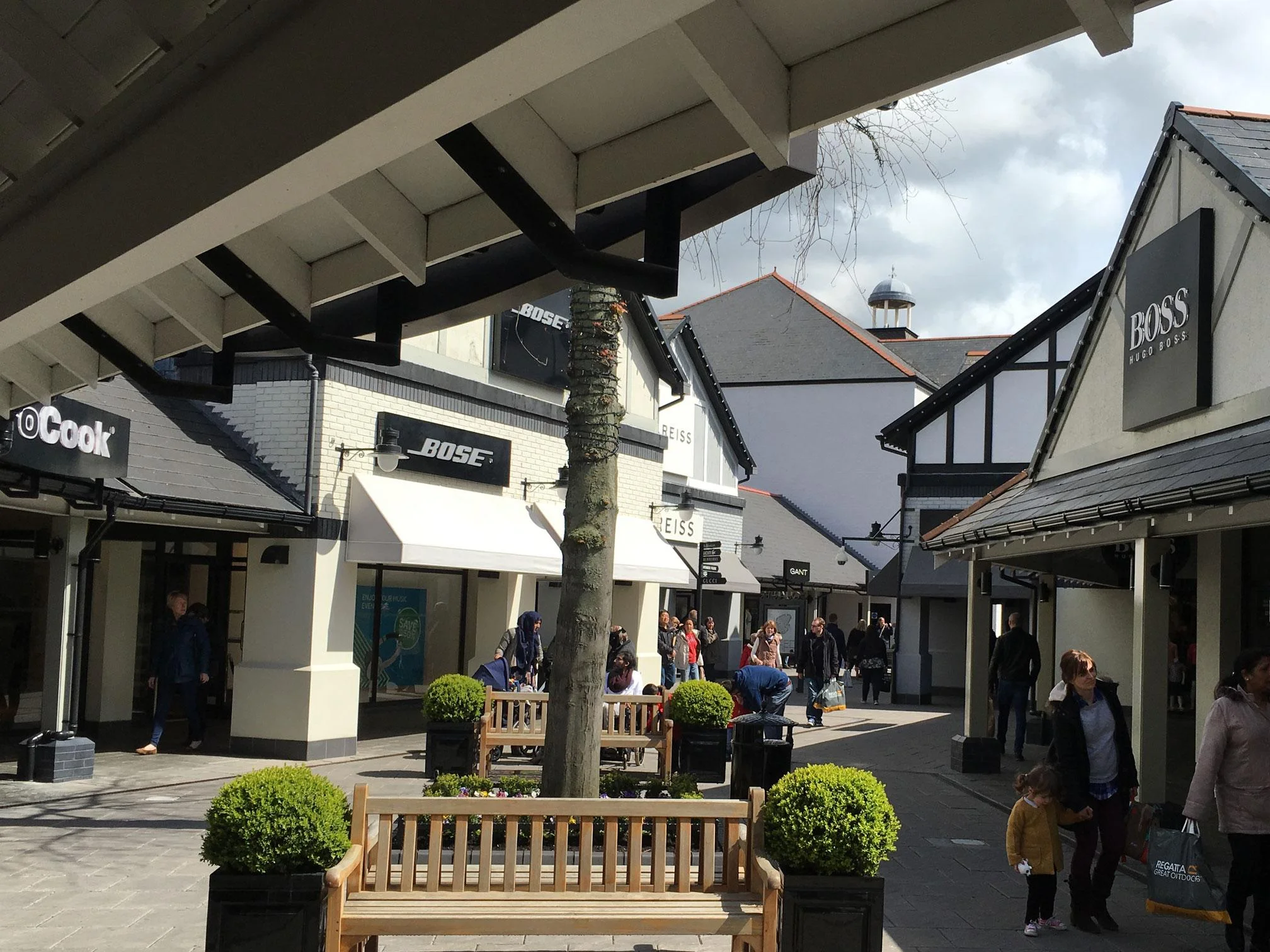
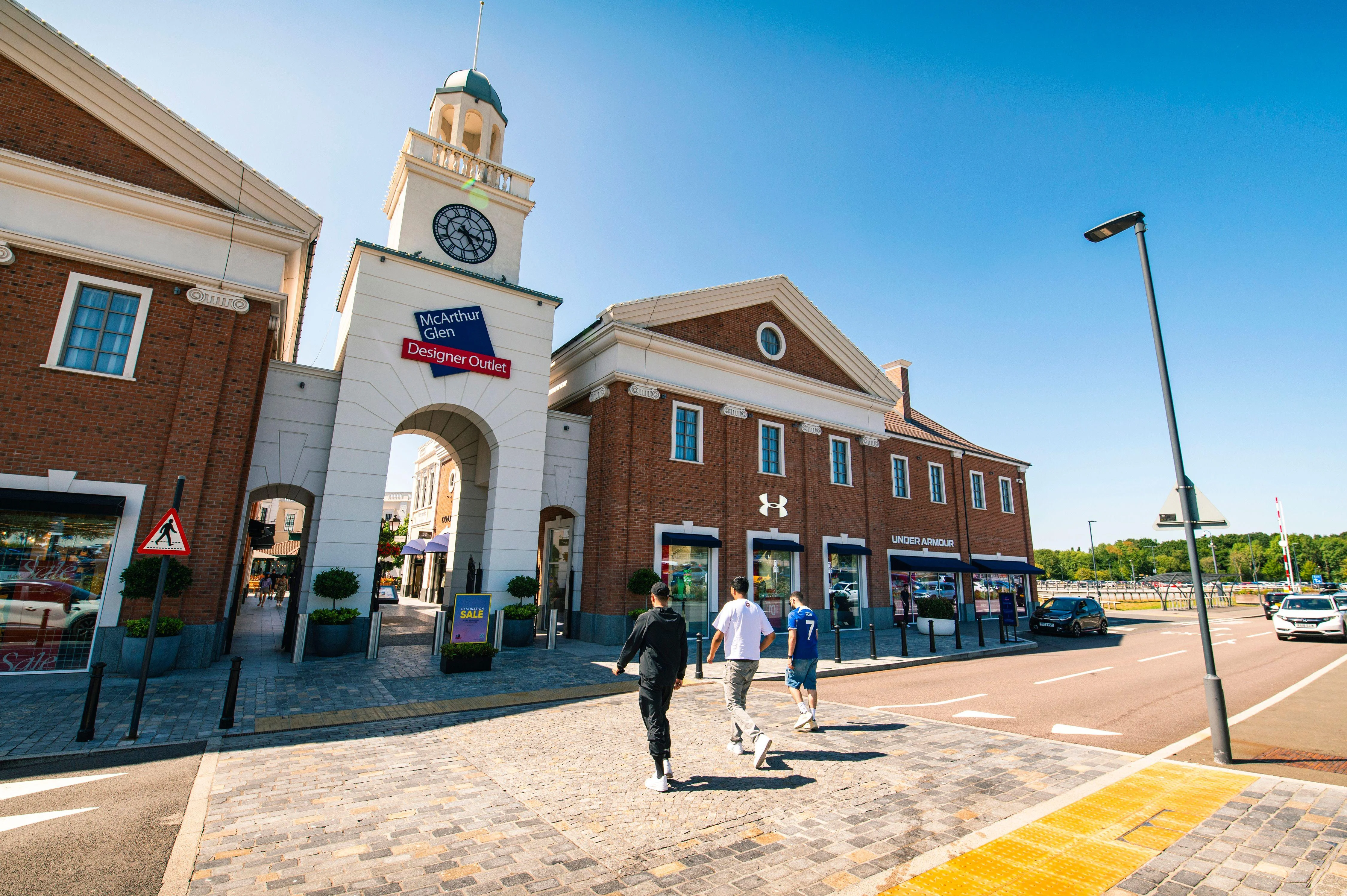
Outlet shopping in the UK offers excellent opportunities to purchase luxury and designer brands at discounted prices.

Bicester Village
Bicester Village

near Oxford

Offers fashion, sportswear, and lifestyle brands near Wembley Stadium.

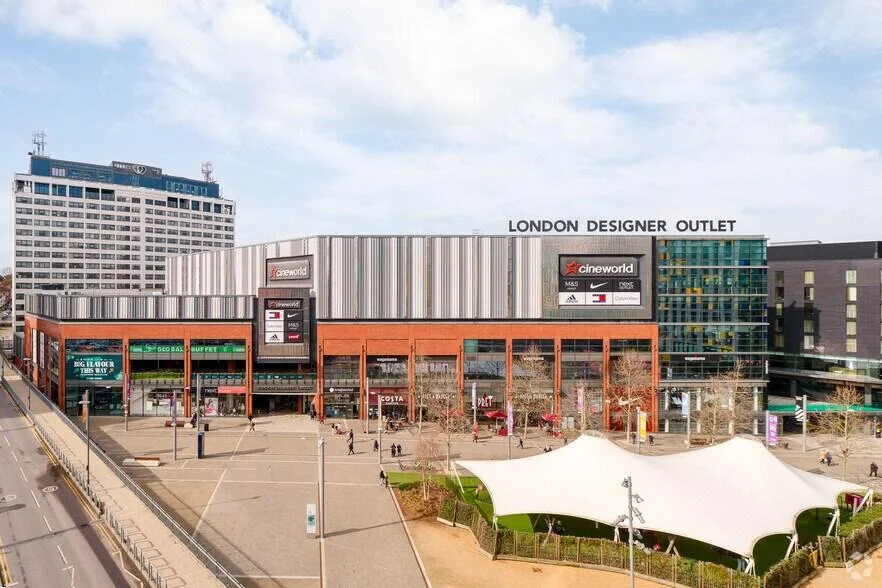
London Designer Outlet

Wembley, London

Offers fashion, sportswear, and lifestyle brands near Wembley Stadium.

Cheshire Oaks Designer Outlet

near Liverpool

One of the UK's largest outlet centres with a wide variety of brands.

McArthurGlen Designer Outlet York

York

A popular shopping destination combining designer shopping with historic York.

For daily shopping, snacks, and affordable souvenirs, British supermarkets are convenient and widely available.

Sainsbury's

– Known for quality food, fresh produce, and extensive product ranges.

Marks & Spencer (M&S)

Famous for premium food halls, clothing, and British specialties.

Waitrose

Recognised for high-quality groceries and local produce.

Aldi

A popular discount supermarket offering excellent value.

Lidl

Budget-friendly stores with groceries and weekly special offers.

Co-op

Convenient neighbourhood supermarkets found across the country.

Getting Around & Accommodation
titleDecore bar

The United Kingdom has one of the world's most extensive transport networks, making it easy to explore vibrant cities, historic towns, scenic countryside, and coastal regions. Travellers can choose between fast rail services, domestic flights, long-distance coaches, and well-maintained roads.

When to Visit

A seasonal breakdown of United Kingdom to help you choose the best climate and event experiences.

Winter

December to February

The quietest tourism season outside the Christmas holidays. Ideal for festive markets, museums, theatre, and cosy countryside escapes.

WEATHER PROFILE

Cold and wet — 0–10°C

SEASONAL HIGHLIGHTS

• Christmas markets and festive lights.

• Fewer tourists after New Year.

• Lower hotel prices in many cities.

• Excellent museums, galleries, and indoor attractions.

• Beautiful snowy scenery in parts of Scotland.

Spring

March to May

One of the best times to visit, with blooming gardens, pleasant temperatures, and fewer crowds.

WEATHER PROFILE

Cool to mild — 8–18°C

SEASONAL HIGHLIGHTS

• Colourful parks and gardens.

• Comfortable sightseeing weather.

• Ideal for castles and countryside walks.

• Longer daylight hours.

• Great season for the Lake District and Cotswolds.

Summer

June to August

The busiest travel season with long daylight hours, festivals, and excellent conditions for exploring the country.

WEATHER PROFILE

Pleasant and warm — 18–28°C

SEASONAL HIGHLIGHTS

• Long summer days.

• Music festivals and sporting events.

• National parks and coastal holidays.

• Edinburgh Festival season.

• Ideal for road trips throughout Britain.

Autumn

September to November

A wonderful season featuring colourful countryside, harvest festivals, and comfortable sightseeing weather.

WEATHER PROFILE

Cool and comfortable — 8–18°C

SEASONAL HIGHLIGHTS

• Autumn foliage.

• Wine and food festivals.

• Lower accommodation prices after summer.

• Excellent walking conditions.

• Beautiful national parks.

The UK has one of Europe's largest railway networks, connecting major cities, historic towns, airports, and regional destinations. Trains are usually the fastest and most convenient way to travel between cities.

Best for:

Comfortable, fast, and city-centre to city-centre travel.

  • • High-speed services connect London with Birmingham, Manchester, Liverpool, York, Edinburgh, and Glasgow.
  • • Intercity trains operate frequent services throughout England, Scotland, and Wales.
  • • Regional trains serve smaller towns, villages, and coastal destinations.
  • • Major railway stations include: o London King's Cross o London Euston o London Paddington o Birmingham New Street o Manchester Piccadilly o Edinburgh Waverley
  • • Booking tickets in advance usually offers significant savings.
  • • Railcards provide discounts for eligible travellers.

The UK is well connected to Europe and the rest of the world through several international airports. Domestic flights are useful for longer journeys, particularly between southern England, Scotland, Northern Ireland, and the islands.

Best for:

International travel and long-distance domestic connections.

MAJOR CARRIERS

Plane

• London is the UK's main international aviation hub. • Domestic flights are useful for: o Scotland o Northern Ireland o Channel Islands o Scottish Highlands and Islands • Major airports offer rail, Underground, bus, coach, and taxi connections.

Major Airlines

• British Airways • easyJet • Ryanair • Jet2 • Loganair (Scottish regional routes)

British airports are modern and well connected by rail, Underground, buses, coaches, and taxis.

Best for:

International travel and long-distance domestic connections.

  • London Heathrow Airport (LHR) The UK's busiest international gateway with direct rail, Underground, coach, and taxi services.
  • London Gatwick Airport (LGW) Major international airport with fast rail links to central London.
  • Manchester Airport (MAN) Northern England's largest airport, serving domestic and international destinations.
  • Edinburgh Airport (EDI) Scotland's busiest airport with tram, bus, and taxi connections.
  • Birmingham Airport (BHX) Convenient gateway to central England with direct rail connections.

The UK has an excellent motorway and road network connecting cities, national parks, coastlines, and rural villages. Driving offers flexibility, especially when exploring countryside destinations.

Best for:

Perfect for scenic road trips and rural exploration.
  • • Motorways (M roads) provide fast travel between major cities.
  • • Some roads include tolls (such as selected bridges and tunnels).
  • • Congestion and parking charges apply in many city centres.
  • • Driving is on the left-hand side of the road.
  • • An International Driving Permit may be required for some visitors.
  • • Car hire is widely available at airports and city centres.

KEY CONNECTIONS

Driving is highly recommended for:

• The Cotswolds • Lake District • Scottish Highlands • Snowdonia (Eryri) National Park • Cornwall • Yorkshire Dales

Ideal Trip Duration

5–7 days

Air Travel — City-Focused

Perfect for a first visit to Britain's iconic cities.

  • Suggested combinations • London + Edinburgh • London + Manchester • London + Liverpool
  • Focus on • History • Museums • Architecture • Food • Culture

7–10 days

Train Travel — Classic Britain

The easiest and most comfortable way to explore the UK's major cities.

  • Suggested Route London → Oxford → York → Edinburgh → Glasgow
  • Highlights • UNESCO World Heritage Sites • Historic cities • Museums • Castles • Scenic railway journeys

10–14 days

Road Trip — By Car

The ideal way to experience Britain's countryside, coastlines, castles, and national parks.

  • Popular Road Trip Routes Southern England • London → Windsor → Bath → Cotswolds → Oxford Northern England • Manchester → Lake District → York → Yorkshire Dales Scotland • Edinburgh → Cairngorms → Inverness → Isle of Skye → Glasgow Wales • Cardiff → Brecon Beacons → Snowdonia → Conwy
Practical Travel Tips
titleDecore bar

The United Kingdom is one of the world's most popular travel destinations, offering historic cities, beautiful countryside, dramatic coastlines, and excellent transport infrastructure. Understanding local customs, transport systems, and practical information will help make your journey smoother and more enjoyable.

Emergency Numbers

Police

999

Ambulance / Fire

999

(Also works throughout the UK)

112

English support widely available on 112

Both numbers connect you to: • Police • Ambulance • Fire & Rescue • Coastguard (where applicable) Emergency calls are free and can be made from any mobile phone, even without a SIM card or network credit.

Electricity & Plugs

Voltage & Frequency

230V • 50Hz

Plug Types

Type G Plug
Adapter needed for: Travellers from Europe, the US, and most other countries require a UK plug adapter.

• Devices designed only for 110V require a voltage converter. • Most modern phone, laptop, and camera chargers support dual voltage (100–240V). • Always check the device label before plugging it in. • Hotels may provide adapters, but availability is not guaranteed. • A universal travel adapter is highly recommended.

The United Kingdom is considered a very safe destination for travellers. Violent crime involving tourists is uncommon, while petty theft may occur in busy tourist areas.
Overall Safety

• Safe for solo travellers, families, and older visitors.

• Visible police presence in cities and tourist destinations.

• Walking in busy areas at night is generally safe.

• Exercise normal caution in crowded places.

• Pickpocketing is the most common issue in major tourist areas.

Public Transportation

• Trains, Underground, buses, and trams are generally safe and well maintained.

• CCTV is widely used across transport networks.

• Keep valuables secure, especially in: o London o Manchester o Edinburgh o Busy railway stations o Tourist attractions

Road Safety

• Roads and motorways are well maintained.

• Vehicles drive on the left-hand side of the road.

• Roundabouts are very common.

• Congestion is common in central London and major cities.

• Follow speed limits, parking regulations, and congestion charging rules where applicable.

General Safety Tips

• Keep valuables secure in crowded places.

• Carry both digital and physical copies of important documents.

• Be cautious with bags on public transport.

• Use licensed taxis or trusted ride-hailing services.

• Follow local laws and road signs.

The UK is one of Europe's most cashless societies.

• Credit and debit cards are widely accepted.

• Contactless payments are extremely common.

• Mobile payments such as Apple Pay and Google Pay are widely used.
• ATMs (Cash Machines) are widely available.

• Carry a small amount of cash for markets or small independent businesses.

Tipping

Tipping is appreciated but not compulsory.

• Restaurants may include a 10–12.5% service charge.

• If no service charge is included, tipping around 10% for good service is common.

• Taxi fares are often rounded up.

• Tipping in pubs is generally not expected.

The UK has one of Europe's most extensive transport networks, connecting cities, towns, and rural areas.
Public Transport Rules

• Purchase a valid ticket before travelling.

• Keep your ticket for inspections and exit barriers.

• Penalty fares apply for travelling without a valid ticket.

• Queue politely when boarding public transport.

Useful Apps: • National Rail • TfL Go (London) • Trainline • Citymapper • Uber

Driving & Roads 🚗

The UK has an excellent motorway network connecting all major regions.

• Drive on the left.

• Seat belts are compulsory.

• Speed cameras are common.

• Many city centres have paid parking.

• London operates the Congestion Charge and Ultra Low Emission Zone (ULEZ).

• An International Driving Permit may be required for some non-UK licence holders.

The UK has excellent mobile coverage in cities, towns, and most rural areas.
SIM Cards & Mobile Internet

• Prepaid SIM cards are available at airports, supermarkets, convenience stores, and mobile phone shops.

• Passport identification may be required.

• eSIM options are widely available.

• EE, Vodafone, O2, and Three provide excellent nationwide coverage.

Wi-Fi

• Free Wi-Fi is available in hotels, cafés, restaurants, shopping centres, airports, and many public spaces.

• Public Wi-Fi quality is generally excellent.

• Mobile data is reliable for navigation and travel apps.

Mobile Operators
EE

The UK's largest mobile network with excellent nationwide coverage and fast 5G services.

Vodafone UK

Strong nationwide coverage with reliable mobile data and international roaming options.

O2

Popular operator offering excellent urban coverage and flexible prepaid plans.

Three UK

Known for competitive data packages and affordable prepaid SIM cards.

The UK has a high-quality healthcare system. Travel insurance provides valuable protection for medical care, cancellations, and lost belongings, helping ensure a safe and worry-free visit to the United Kingdom. 🇬🇧

• Emergency treatment is available nationwide.

• Pharmacies (Chemists) are widely available.

• English-speaking medical services are available throughout the country.

• Travel insurance is strongly recommended.

• Visitors who are not eligible for free NHS treatment may be responsible for medical costs.

Everyday life in the United Kingdom combines tradition with modern living. British culture places great importance on politeness, personal space, punctuality, and respecting others. Understanding these customs will help you feel more comfortable and enjoy a smoother travel experience
Time & Social Rhythm

People in the UK generally value punctuality, good manners, and a balanced work-life routine.

• Being on time is expected for appointments, tours, and business meetings.

• Arriving 5–10 minutes early is considered polite.

• Meals are often relaxed, especially when dining with family or friends.

• Queuing patiently is an important part of British culture.

• Respect for personal space and privacy is highly valued.

"Please," "Thank you," and "Sorry" are among the most commonly used words in everyday British life.
Shop Hours & Daily Schedule

• Most shops open between 9:00–10:00 AM.

• Shopping centres usually remain open until 8:00–9:00 PM.

• Supermarkets often operate extended hours, with some open 24 hours.

• Smaller businesses may close earlier on Sundays.

• Museums and attractions may have seasonal opening hours or occasional closing days.

Always check opening times before visiting.
Dining Hours 🍽️

• Lunch is typically served from 12:00–2:00 PM.

• Dinner usually begins between 6:00–8:00 PM.

• Afternoon Tea is a traditional experience offered by many hotels and cafés.

• Reservations are recommended for popular restaurants, especially on weekends.

Tea & Coffee Culture ☕

• Tea is enjoyed throughout the day, both at home and at work.

• Afternoon Tea is a classic British tradition featuring tea, sandwiches, and pastries.

• Independent cafés and international coffee chains are found across the country.

• Coffee is popular for breakfast, commuting, and social meetings.

• Pubs remain important social gathering places, even for those not drinking alcohol.

Enjoying a cup of tea or coffee in a local café is one of the best ways to experience everyday British life
Public Behaviour & Dress

• Queue patiently and wait your turn.

• Dress modestly when visiting churches and religious sites.

• Smart-casual clothing is suitable in most places.

• Speak quietly on public transport.

• Respect personal space during conversations.

Simple greetings and good manners are always appreciated
Food & Drinking Water 🥘

• Try local specialities instead of only international food.

• Popular foods include: o Fish and Chips o Full English Breakfast o Sunday Roast o Shepherd's Pie o Cornish Pasty o Scottish Shortbread

• Tap water is safe to drink throughout the UK.

• Free tap water is usually available in restaurants.

• Service charges may already be included in restaurant bills.

British meals are often centred around family, friends, and social occasions.

A collection of useful tips to help you travel comfortably throughout the United Kingdom.
Planning & Preparation

• Book major attractions in advance, especially during summer and school holidays.

• Reserve accommodation early in London, Edinburgh, Bath, and popular national parks.

• Train tickets are often much cheaper when booked in advance.

• Carry a reusable water bottle.

• Wear comfortable walking shoes for historic streets and sightseeing.

Planning ahead can save both time and money.
Communication & Culture

• English is spoken throughout the UK.

• People appreciate polite language and good manners.

• Queuing is expected almost everywhere.

• Conversations often begin with small talk about the weather.

• Respect different regional identities across England, Scotland, Wales, and Northern Ireland.

Courtesy is an important part of everyday British culture.
Public Toilets 🚻

• Public toilets are available in city centres, railway stations, shopping centres, museums, and tourist attractions.

• Some public toilets charge a small fee.

• Many cafés and restaurants provide toilets for customers.

• Carrying a contactless payment card or small coins can be useful.

Accommodation 🏨

• Historic hotels may have smaller rooms.

• Older buildings sometimes have limited lifts or narrow staircases.

• Air conditioning is not standard in many traditional hotels.

• Service charges and optional extras may vary.

• Always check what is included in your booking.

Weather & Packing ☀️🌧️

The UK's weather is famously changeable throughout the year.

• Carry a light waterproof jacket or umbrella.

• Dress in layers, even during summer.

• Comfortable walking shoes are essential.

• Weather can change quickly, especially in coastal and mountain regions.

• Sunscreen is still recommended during sunny summer days.

Being prepared for changing weather will make your trip much more enjoyable.
Personal Space & Behaviour

• Wait your turn in queues.

• Respect personal space.

• Keep noise levels low on public transport.

• Follow local rules and signs.

• Be respectful when visiting churches, historic buildings, and memorials.

A few simple habits can make your trip smoother, safer, and more enjoyable. Understanding local etiquette, respecting cultural norms, and avoiding common mistakes will help you travel confidently while making a positive impression on the people you meet.
✅ Do's

• Stand on the right when using escalators in London Underground; walk on the left if you're in a hurry.

• Queue patiently—jumping the queue is considered very impolite.

• Carry a contactless bank card for public transport and small purchases.

• Check the weather forecast daily as conditions can change quickly.

• Book popular attractions early, especially during school holidays and summer.

• Carry a reusable shopping bag, as many shops charge for disposable bags.

• Look both ways before crossing the road—traffic drives on the left.

❌ Don'ts

• Don't cross the road without checking carefully, even at pedestrian crossings.

• Don't talk loudly on public transport.

• Don't litter—fines may apply in many public places.

• Don't assume all attractions accept cash—many are card-only.

• Don't smoke or vape where prohibited, especially inside public buildings, transport, and many stations.

• Don't feed wildlife in parks unless specifically permitted.

• Don't underestimate travel times in London; the city is much larger than many visitors expect.

Extra Useful Tips

• Public holidays may affect shop opening hours and public transport schedules.

• Most museums are free, but special exhibitions often require paid tickets.

• Pubs usually stop serving alcohol around 11:00 PM, although licensing hours vary.

• Carry a portable power bank, as you'll likely use maps and transport apps throughout the day.

• Free drinking water is available in restaurants upon request and at many public refill stations.