
Some places preserve history. The British Museum brings it to life. Arriving early in the morning, I wandered through one of the world's greatest collections of human civilization—from the grandeur of Ancient Egypt and the Persian Empire to the mighty Assyrians, Greek masterpieces, Asian sacred art, mysterious Moai statues, and countless extraordinary artifacts. More than a museum visit, it felt like walking through the shared memory of humanity.
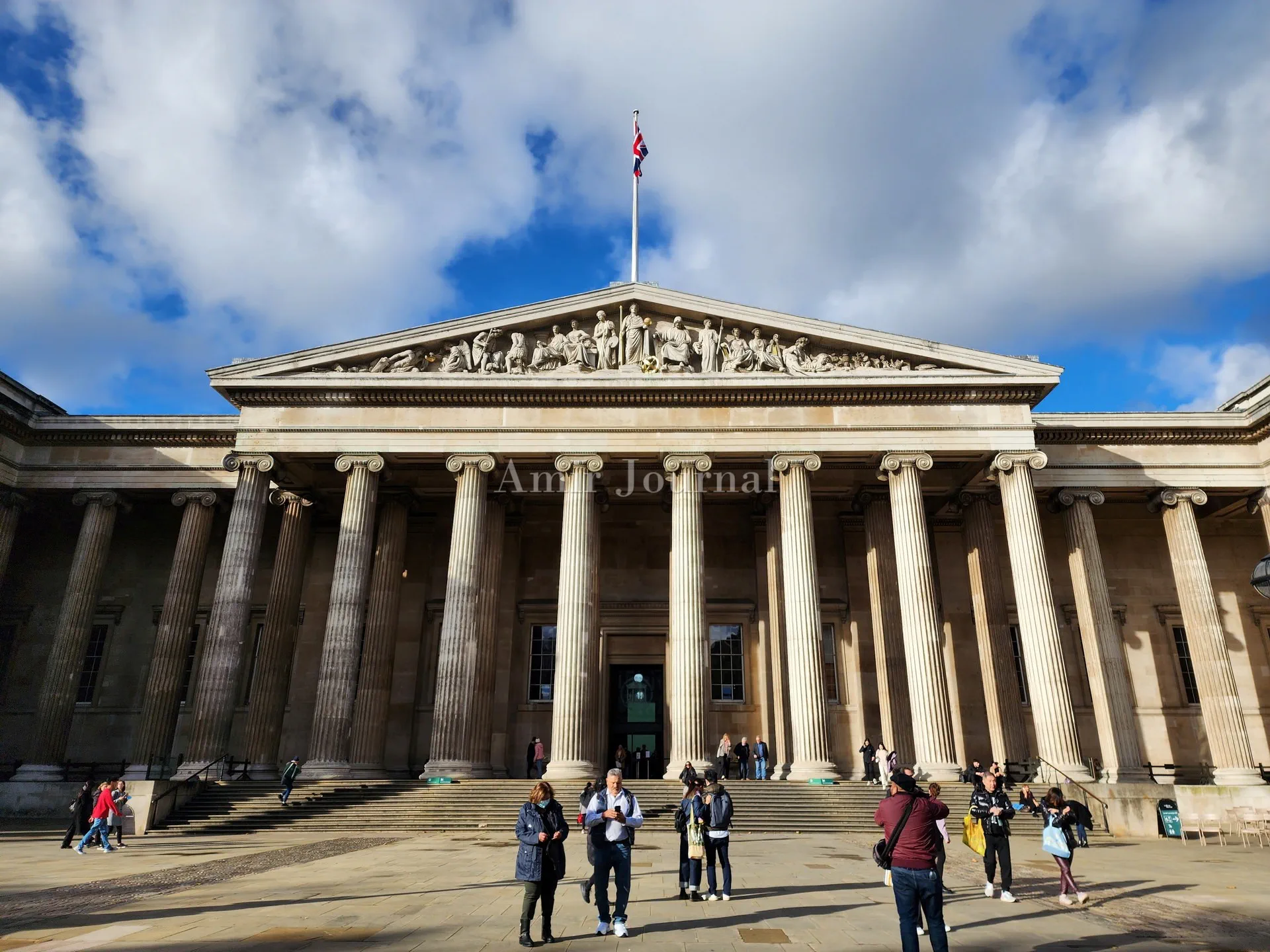
British Museum - one of the world's greatest museums, housing more than eight million objects that tell the story of human civilization across every continent
Some journeys introduce us to a city. Others carry us through the story of human civilisation.
Early in the morning, just as the doors opened, I entered the British Museum. The usual crowds had yet to arrive, and a peaceful stillness filled the Great Court. Morning light passed through thousands of glass panels in its sweeping roof and settled across the pale stone floor. For a moment, it felt as though history itself was slowly awakening.
Founded in 1753 and opened in 1759, the British Museum became the world’s first free national public museum. Its collection now contains around eight million objects spanning approximately two million years of human history. Each gallery represents a different chapter in humanity’s long effort to create, understand, believe, and remember.
The Story
The museum began with the collection of physician and naturalist Sir Hans Sloane, whose books, manuscripts, artworks, and specimens became the foundation of a new public institution. Over the following centuries, its holdings expanded through archaeological excavations, purchases, donations, diplomatic exchanges, and the reach of the British Empire.
Today, these collections offer extraordinary opportunities for learning while also encouraging important conversations about acquisition, colonial history, cultural ownership, stewardship, and the future of shared heritage. The museum therefore tells two connected stories: the history represented by its objects and the history of how those objects arrived in London.
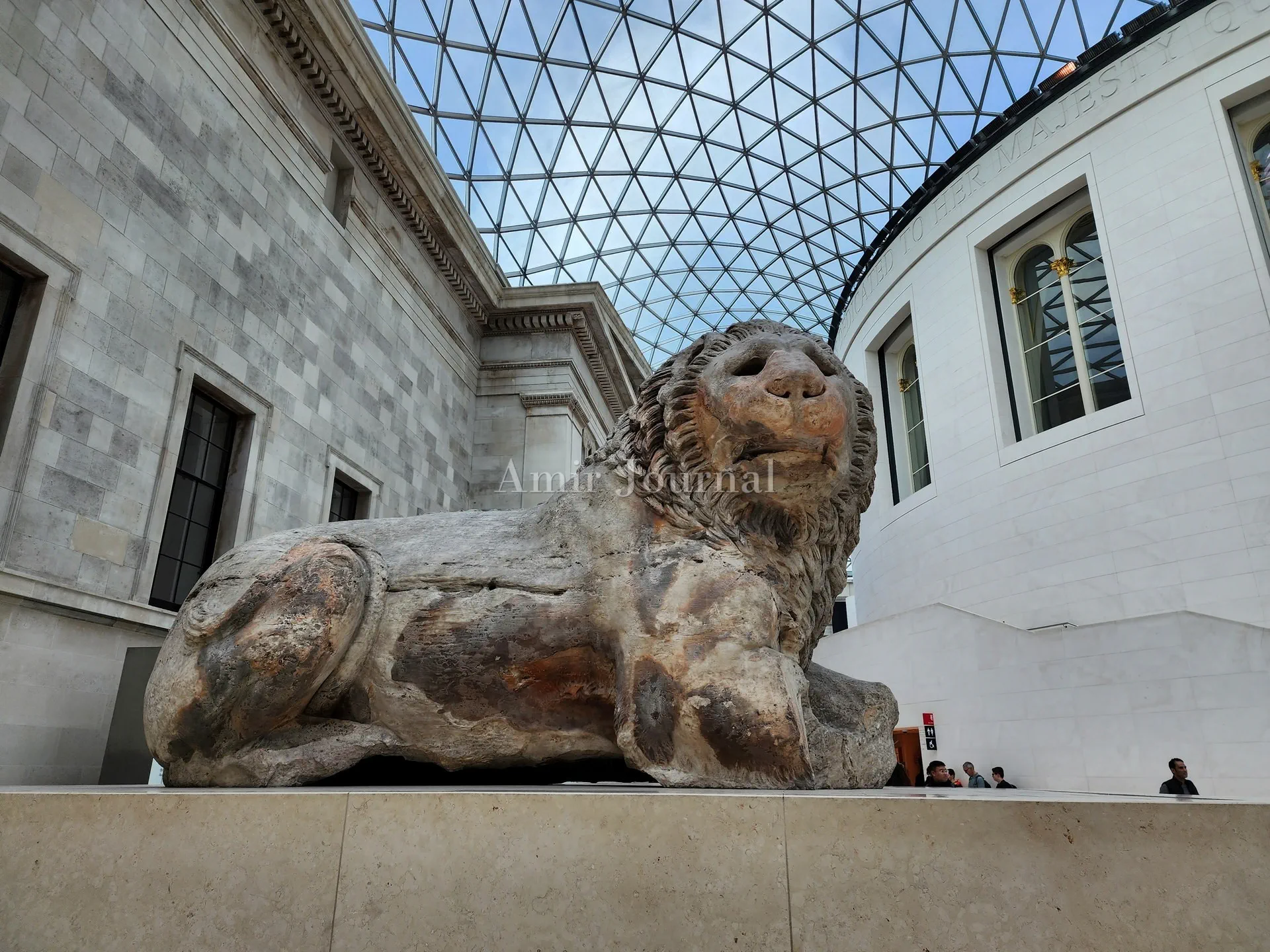
My own journey began with the Lion of Knidos, a colossal marble sculpture that once crowned a monumental tomb overlooking the Aegean Sea in present-day Türkiye. Created during the Hellenistic period, the resting lion carries an expression of quiet authority. Its original glass eyes have disappeared, yet its strength remains visible more than two thousand years after it was carved.
From there, the galleries opened towards the world of Ancient Persia.
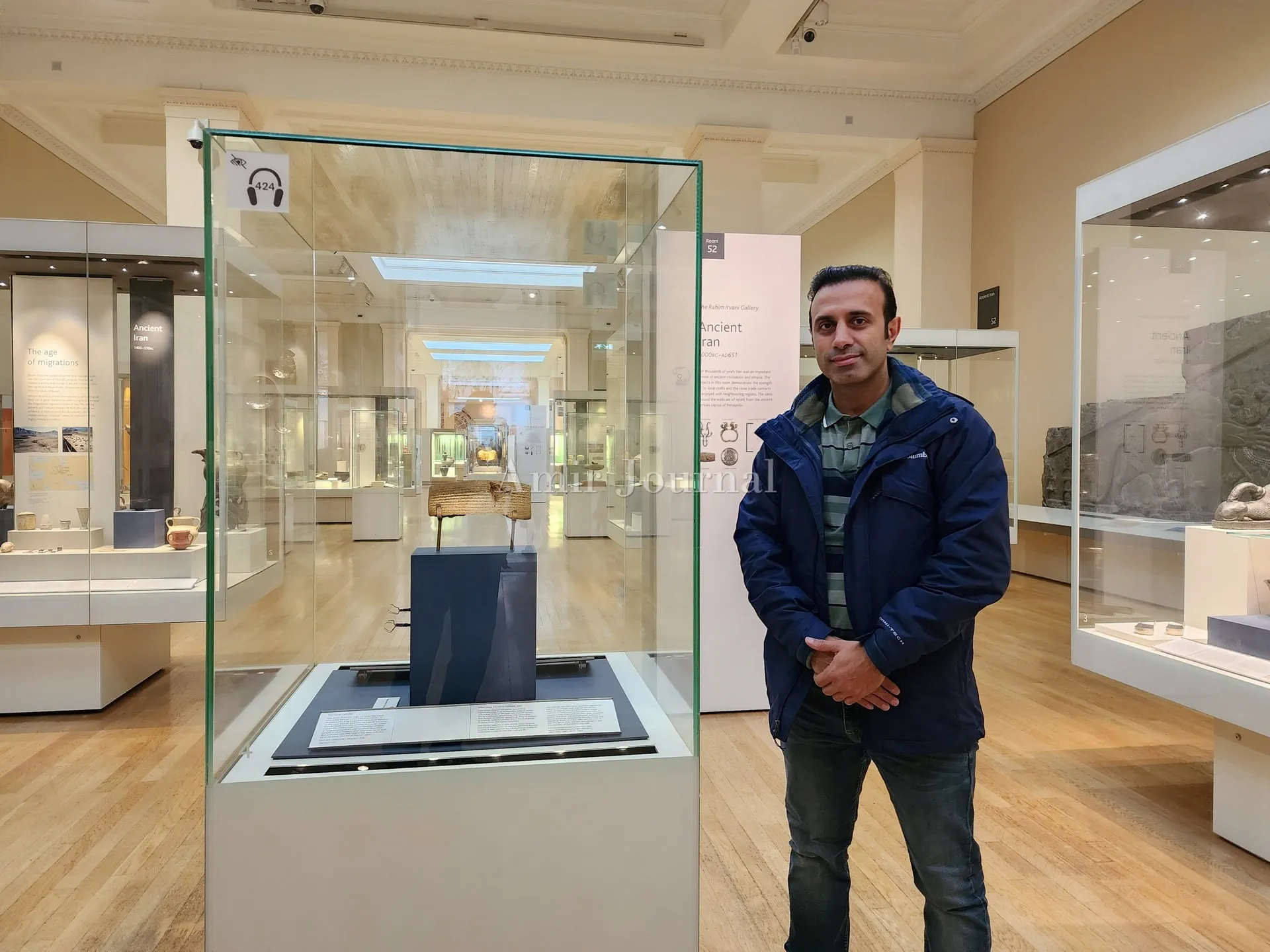
The Cyrus Cylinder, Achaemenid reliefs, architectural fragments associated with Persepolis, gold ornaments, and finely crafted metalwork recall an empire that once stretched from Central Asia to the Mediterranean.
Created after Cyrus the Great captured Babylon in 539 BC, the Cyrus Cylinder records his conquest, his support for Babylonian religious traditions, and the restoration of divine statues to their temples. Its cuneiform text offers a valuable insight into kingship, religion, and imperial authority in the ancient Near East.
For someone connected to Persian culture, standing before these objects carries a special emotion. They speak of monumental architecture, skilled craftsmanship, and a civilisation capable of connecting many peoples, languages, and traditions across a vast territory.
A gold fish-shaped vessel from the Oxus Treasure added a more intimate detail. Its carefully formed scales and delicate proportions showed how Achaemenid artists could transform precious metal into an object filled with movement and life. History here appeared through beauty as much as power.
The atmosphere changed again in the Assyrian galleries.
Towering stone reliefs from ancient palaces portray kings, soldiers, sacred figures, and royal lion hunts. Their carved sequences unfold almost like scenes from a film: horses charge forward, arrows travel through the air, and powerful animals resist their hunters with astonishing energy.
These reliefs once decorated palace walls in cities such as Nineveh and Nimrud. They communicated royal strength, military success, and the ruler’s relationship with the divine. Standing close to them allows every carved muscle, garment, expression, and movement to become visible. Ancient history begins to feel immediate and deeply human.
Then came Egypt.
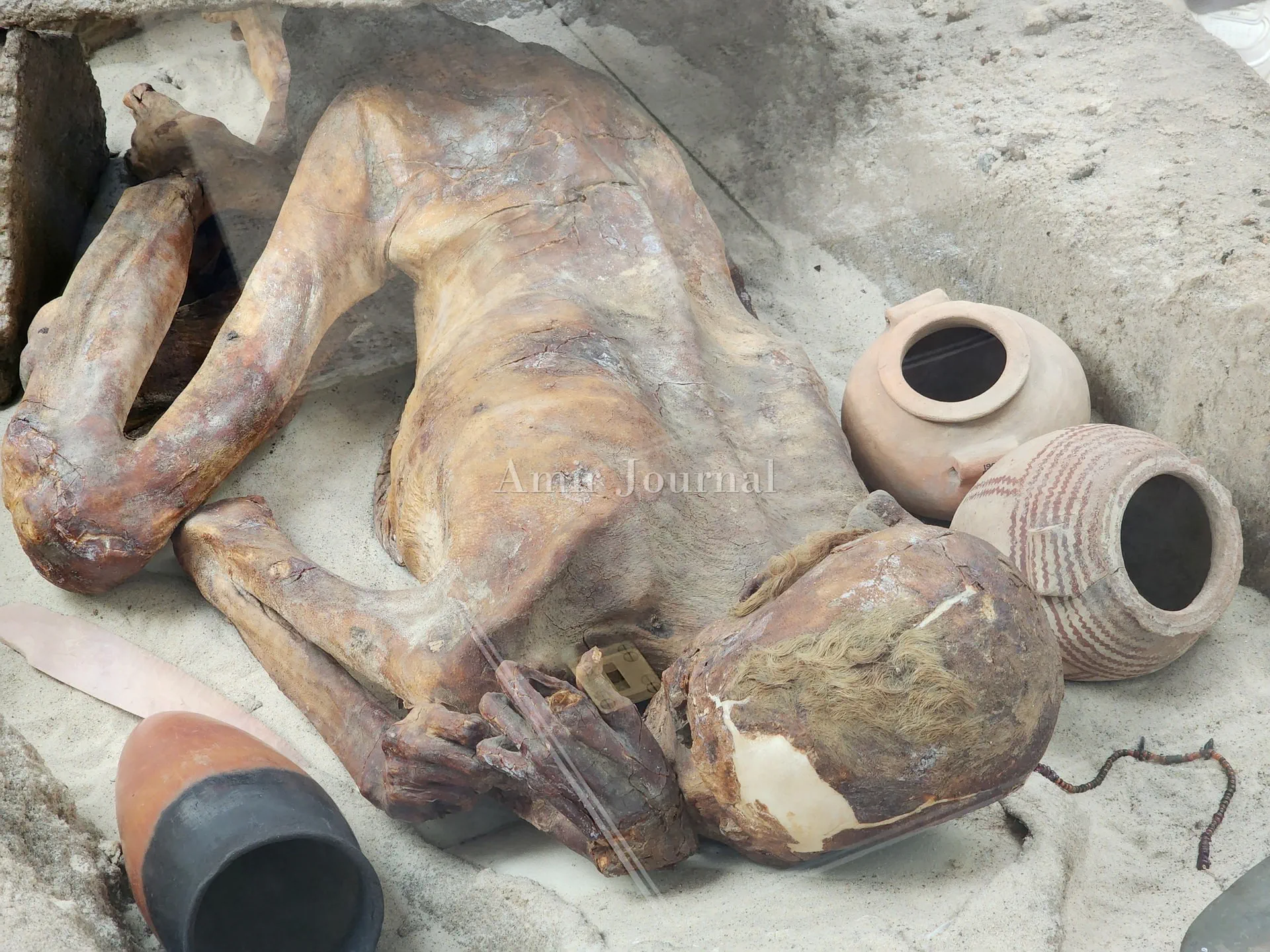
Among the museum’s oldest human remains is Gebelein Man, naturally preserved in the hot, dry sands of Upper Egypt around 3500 BC. His body belongs to a period centuries before artificial mummification became a sophisticated Egyptian practice.
Modern scanning technology revealed a wound near his shoulder blade, offering evidence that a sharp weapon ended his life. This discovery transformed an ancient body into the story of an individual—a person who lived, moved through a community, and experienced a final moment more than five thousand years ago.
Looking at his face brought time into an unfamiliar perspective. Millennia seemed to contract into a silent meeting between two human beings separated by more than a hundred generations.
With every gallery, the world grew larger.
In the Asian collections, the bronze figure of Tara from Sri Lanka radiates serenity. Associated with compassion and guidance, her graceful posture expresses a spiritual ideal through the balance of the human form.
Nearby, divine guardians and mythological figures reveal how cultures across South and Southeast Asia used sculpture to give visible form to protection, courage, wisdom, and cosmic order.
The bronze figure of Shiva Nataraja, dancing within a circle of flames, carries an entire philosophy within a single image. Shiva’s dance represents creation, preservation, destruction, and renewal—the eternal rhythm through which the universe continually transforms. Every gesture carries symbolic meaning, allowing metal, movement, and spiritual thought to become one.
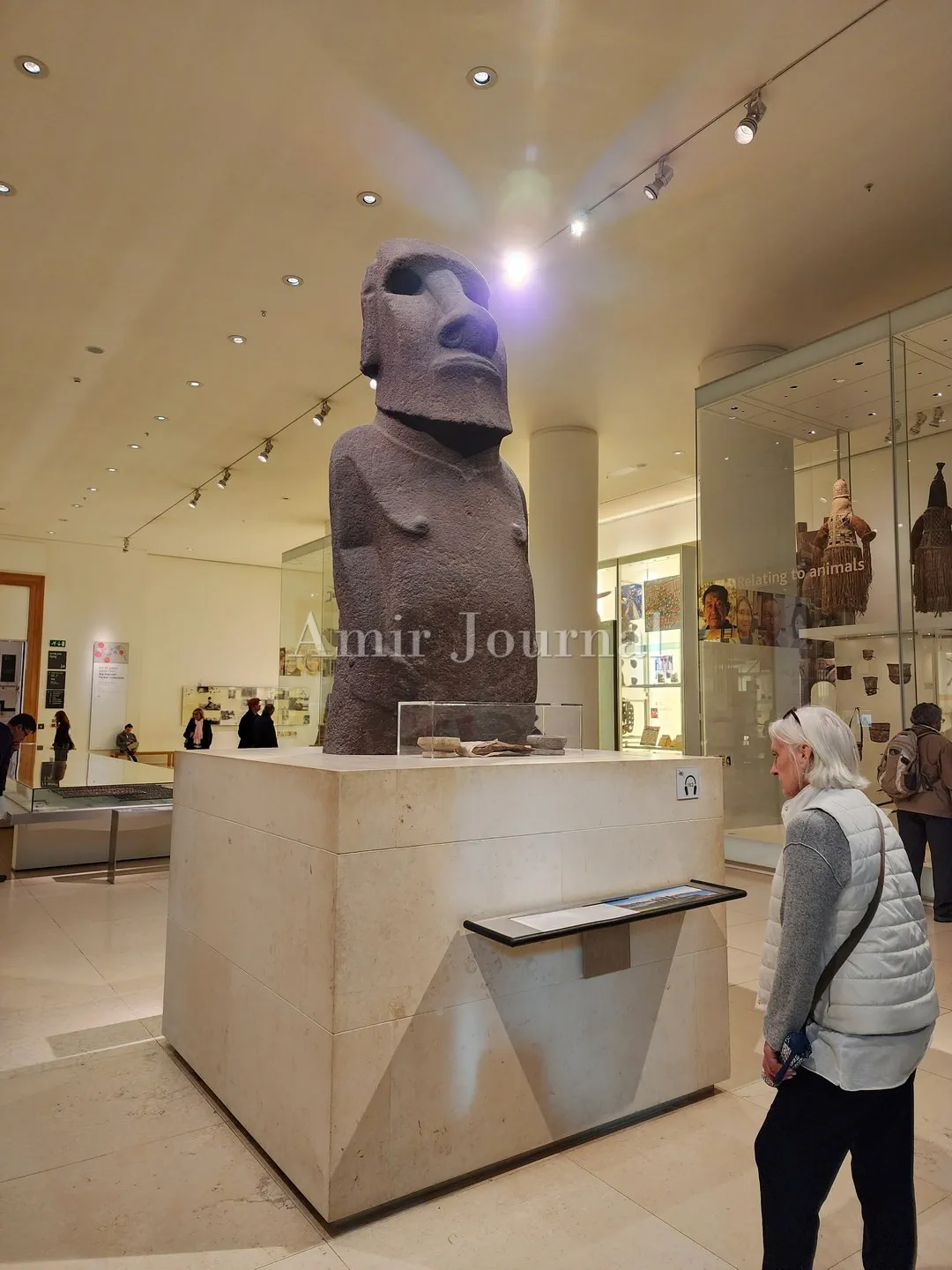
One of the most extraordinary objects I encountered was Hoa Hakananai‘a, the Moai from Easter Island. Carved from volcanic stone, its calm expression carries the ancestral spirit and enduring mysteries of Rapa Nui.
Far across the museum’s geography stands Hoa Hakananai‘a, the monumental moai from Rapa Nui. Carved from volcanic stone and later decorated with ceremonial imagery, the figure embodies ancestral authority and the cultural memory of an island community in the Pacific.
Its calm expression draws visitors into silence. At the same time, its presence in London forms part of an ongoing dialogue concerning cultural connection, community wishes, and the relationship between museums and the peoples represented in their galleries.
Another remarkable encounter came through a small clay figure associated with the prehistoric Vinča culture of southeastern Europe. Its stylised face and angular features looked strikingly modern, almost as though they had emerged from a work of science fiction. Created thousands of years ago, it showed that abstraction and imaginative design belong to humanity’s earliest creative traditions.
Some discoveries arrived as complete surprises.
An elaborate mechanical galleon from Renaissance Europe once moved across banquet tables, playing music and presenting miniature figures. Roman mosaics preserved domestic scenes in stone. Islamic ceramics carried geometry, calligraphy, and colour across their surfaces. Greek sculptures explored the human form, while ancient pottery preserved the fingerprints and choices of craftspeople whose names have faded from history.
Every object offered a different way of seeing civilisation.
Egyptians prepared bodies for eternity. Persians expressed authority through architecture and refined craftsmanship. Assyrian artists carved royal power into stone. Indian sculptors transformed philosophy into movement. Pacific communities gave ancestral presence to volcanic rock. European engineers combined art and machinery to create wonder.
Across continents, people asked similar questions: Where do we come from? What gives life meaning? How should society remember its leaders, ancestors, beliefs, and achievements?
From Egypt to Persia, from Assyria to Greece, from India to China, from Easter Island to Europe, the world's civilizations stand together under one roof. In just a few hours, you can travel across continents and thousands of years without ever leaving the building.
By the afternoon, the Great Court had filled with voices and movement. Families gathered around maps, students sketched sculptures, researchers studied inscriptions, and travellers moved between cultures separated by oceans and millennia. The museum itself had become a meeting place between past and present.
As I stepped outside, London returned with its traffic, conversations, and hurried rhythm. Yet my sense of time had changed. In a few hours, I had travelled from prehistoric communities to ancient empires, across Asia, Africa, Europe, and the Pacific.
The British Museum leaves us with a profound awareness that civilisation belongs to a vast human story—created through countless lives, ideas, beliefs, conflicts, and acts of imagination.
Long after we leave its galleries, the voices of humanity continue walking beside us.