
Lisbon and Porto are often compared, but each tells a different story of Portugal. From Lisbon's sunlit hills, historic trams, and maritime spirit to Porto's medieval streets, riverside charm, rich cuisine, and timeless traditions, discover how these two remarkable cities reflect the country's history, culture, architecture, food, and way of life.
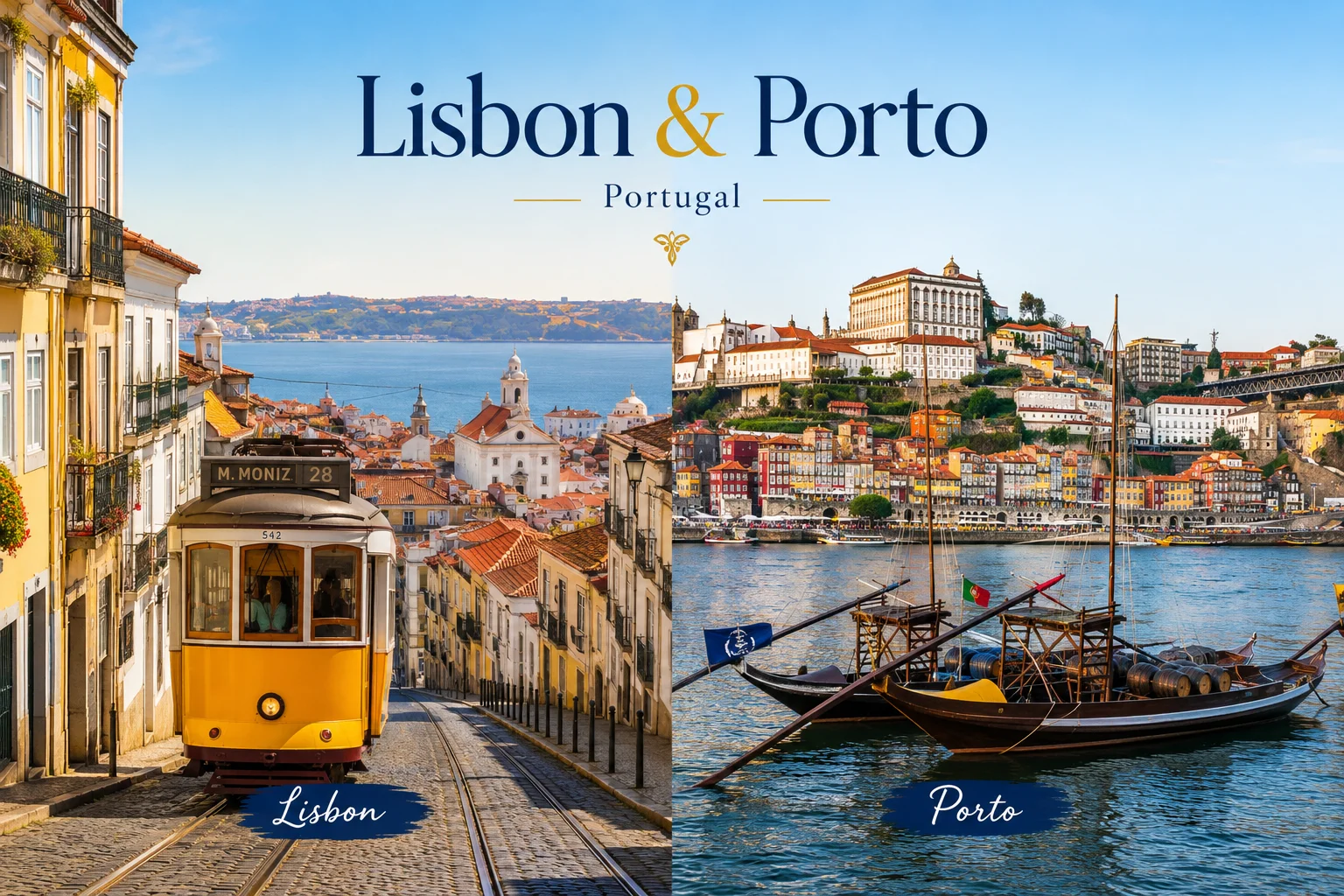
People often ask me, “Which is better—Lisbon or Porto?”
After spending time in both cities, the question began to change. Comparing Lisbon and Porto feels like comparing sunrise with sunset. Each creates a different mood, and each becomes unforgettable in its own way.
Lisbon draws us towards light, movement, and open horizons. Porto reveals itself through granite streets, quiet cafés, and the steady flow of the Douro. Together, they offer two distinct expressions of Portugal.
The Story
The histories of Lisbon and Porto were shaped by their rivers and their relationship with the wider world.
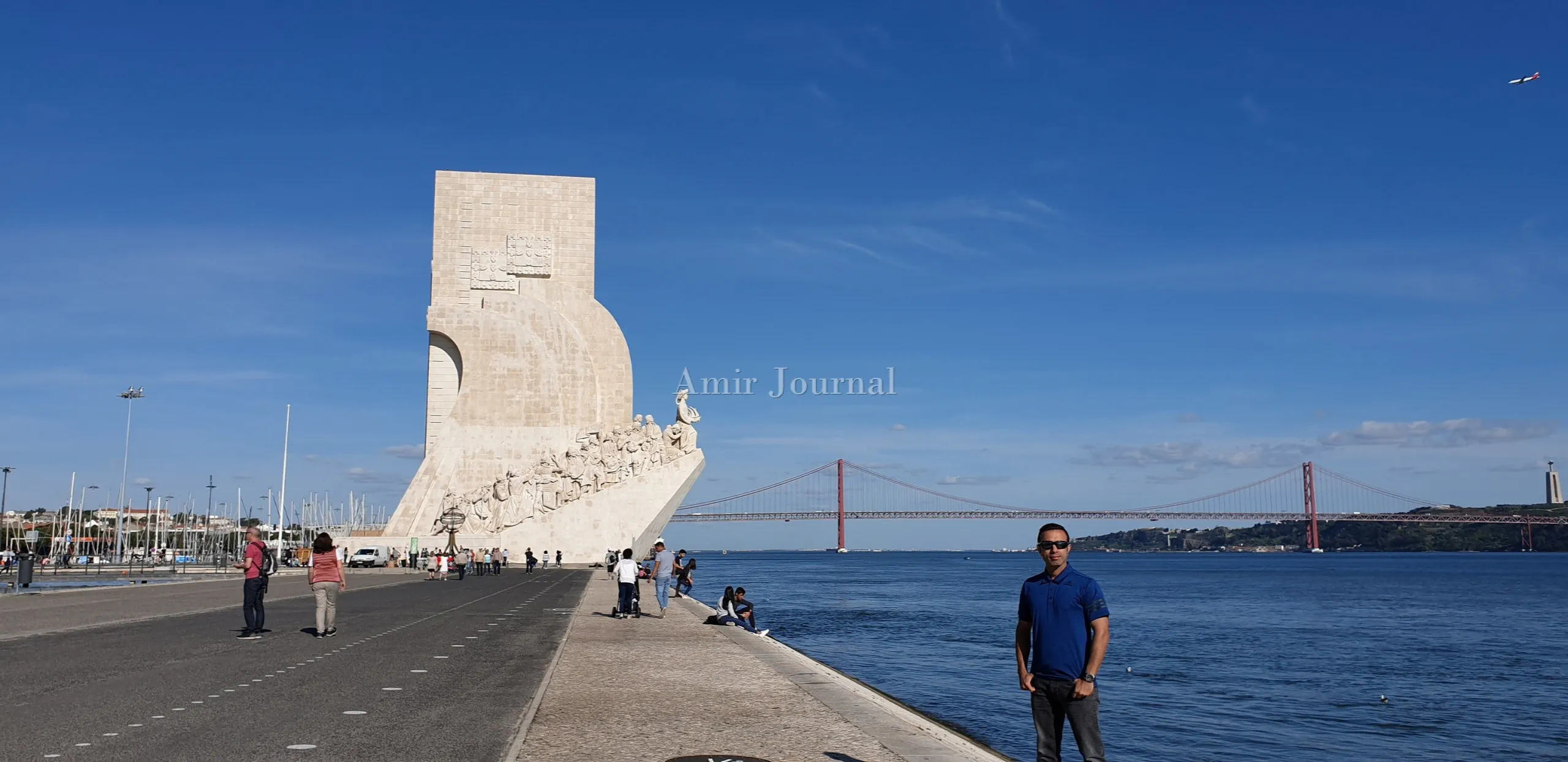
Lisbon grew beside the Tagus, where ships could travel towards the Atlantic. During the fifteenth century, Portuguese voyages transformed its port into a centre of trade, wealth, and global exchange. Belém became closely associated with explorers who departed in search of distant routes, while influences from Africa, Asia, and the Americas gradually entered the city’s architecture, food, and culture.
The earthquake of 1755 later reshaped Lisbon. Its reconstruction created the ordered streets of Baixa, which open towards the Tagus at Praça do Comércio. Alongside these grand avenues, older neighbourhoods such as Alfama preserved their narrow lanes, stairways, tiled façades, and intimate squares.
Porto developed beside the Douro River through commerce, craftsmanship, and wine. Boats once carried barrels from the vineyards of the Douro Valley towards the cellars of Vila Nova de Gaia. The trade in Port wine helped shape the city’s economy, urban landscape, and international identity.
These different histories still influence the personalities of both cities. Lisbon looks towards the Atlantic with the energy of a capital shaped by travel and exchange. Porto feels closely rooted in the Douro, generations of merchants, and traditions built patiently through work.
That contrast becomes clear from the moment we begin to walk.
Lisbon welcomes us with light. White façades glow beneath the sun, yellow trams climb steep hills, and viewpoints open towards the Tagus. The city encourages wandering, as each street seems to hide another staircase, tiled wall, neighbourhood café, or view across the rooftops.
In Alfama, laundry moves above narrow lanes while neighbours speak from windows and doorways. The sound of footsteps travels across stone streets, and a melody of fado may drift from a small restaurant as evening approaches.
From the miradouros, Lisbon unfolds in layers: terracotta roofs, church domes, the castle, and the river stretching towards the Atlantic. The city feels bright, international, and full of movement, while its historic neighbourhoods preserve the warmth of village life.
The rhythm changes in Porto.
Granite façades replace Lisbon’s bright surfaces, streets descend towards the Douro, and historic bridges rise above the water. Porto reveals its character gradually through weathered walls, tiled churches, local bakeries, family businesses, and neighbourhood cafés.
Walking through Ribeira brings us close to the city’s relationship with the river. Colourful houses rise above the waterfront, restaurant tables fill the promenade, and boats move between Porto and Vila Nova de Gaia. Across the Douro, the Port wine cellars preserve a tradition that has connected the city with the vineyards upstream for centuries.
Porto carries a sense of strength and sincerity. Its beauty lives in polished tiles as well as aged stone, in grand monuments as well as the morning activity of a bakery or market. Centuries-old buildings stand beside contemporary museums and cultural spaces, allowing tradition and creativity to share the same streets.
Architecture reveals the contrast between the two cities.
Lisbon feels elegant and expansive. Colourful azulejos, broad squares, iron balconies, and sunlit façades create a city shaped by brightness. The yellow trams add movement to the hills, while the Tagus gives the capital a sense of openness.
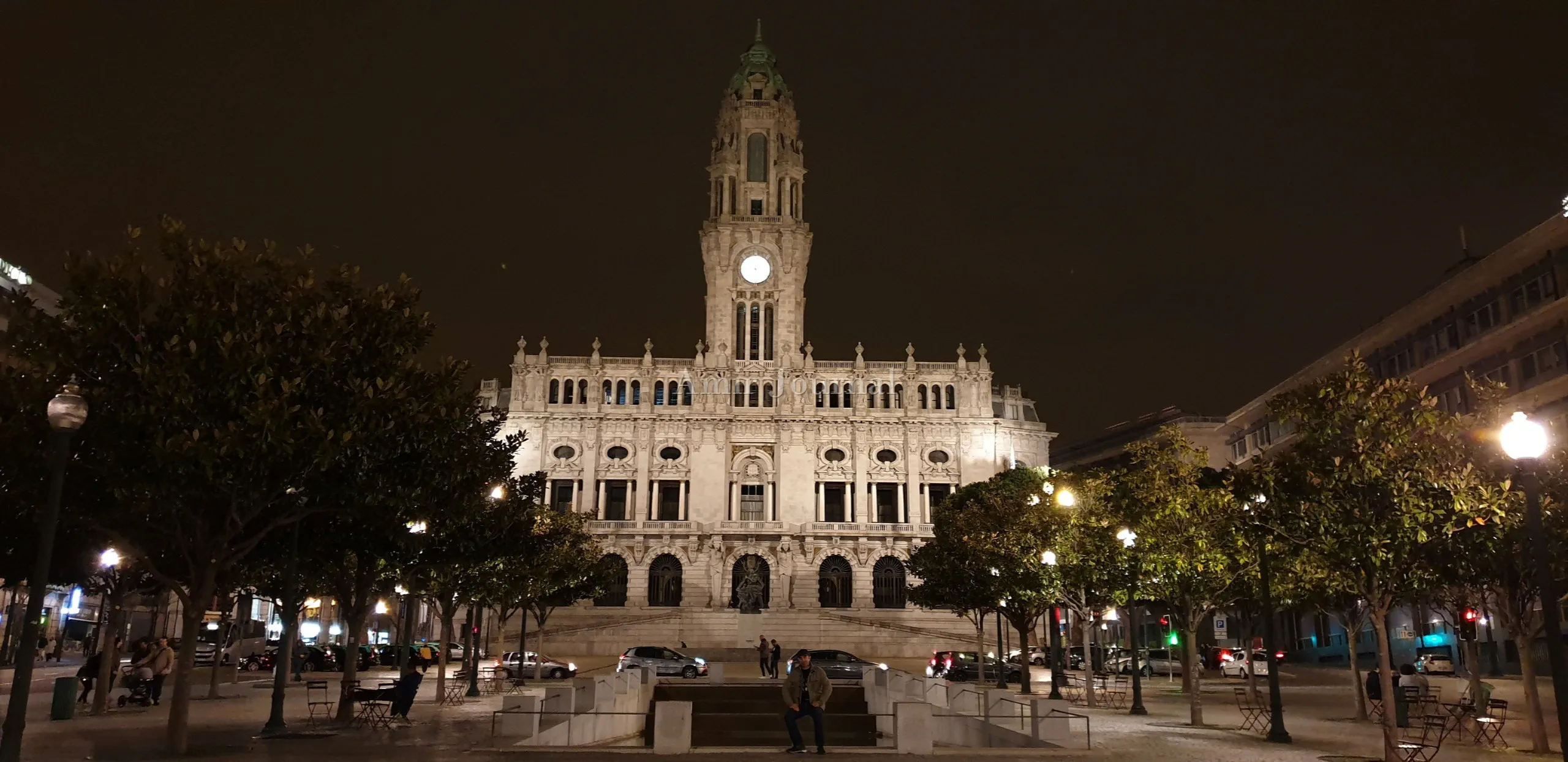
Porto feels denser and more intimate. Granite buildings rise along steep streets, blue-and-white tiled churches brighten the darker stone, and the Dom Luís I Bridge frames the Douro below. Its architecture carries the texture of time with quiet confidence.
Their food expresses the same difference.
In Lisbon, fresh seafood, grilled sardines, and warm pastéis de nata reflect the city’s connection with the river and sea. A pastry enjoyed beside coffee becomes part of the daily rhythm, especially in Belém, where the scent of cinnamon and warm custard accompanies the history of Portuguese exploration.
Porto offers heartier flavours. The famous francesinha, filled with meat, covered with melted cheese, and served with a rich sauce, reflects the city’s generous character. A glass of Port wine invites a slower moment, often accompanied by conversation and views across the Douro.
What stayed with me most was the rhythm of life.
Lisbon carried energy through its trams, viewpoints, crowded squares, and international atmosphere. Porto offered quieter encounters: a conversation in a small café, the sound of the Douro beneath the bridge, and streets that seemed to reveal their stories one step at a time.
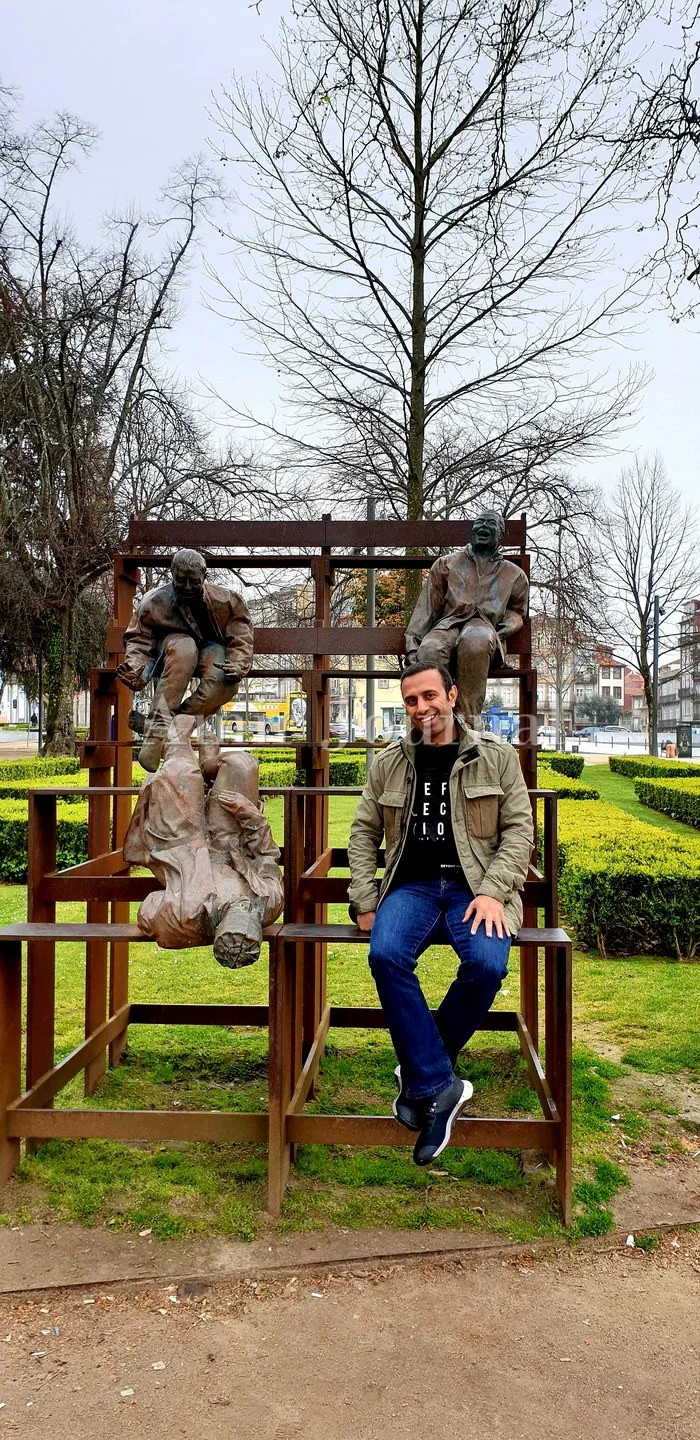
By the end of the journey, choosing between them felt unnecessary. Lisbon and Porto became complementary chapters of the same country.
Lisbon made me fall in love with Portugal. Porto helped me understand it.
One offered unforgettable views; the other created intimate moments. Together, they revealed how a country can hold different moods while remaining connected through history, culture, hospitality, and the quiet emotion of saudade.
Long after the journey ended, Lisbon remained in the light—and Porto stayed quietly in the heart.