

United Arab Emirates hero

United Arab Emirates

Where Tradition Meets Innovation – The Modern Gateway Between East and West

United Arab Emirates flag
Summary
titleDecore bar

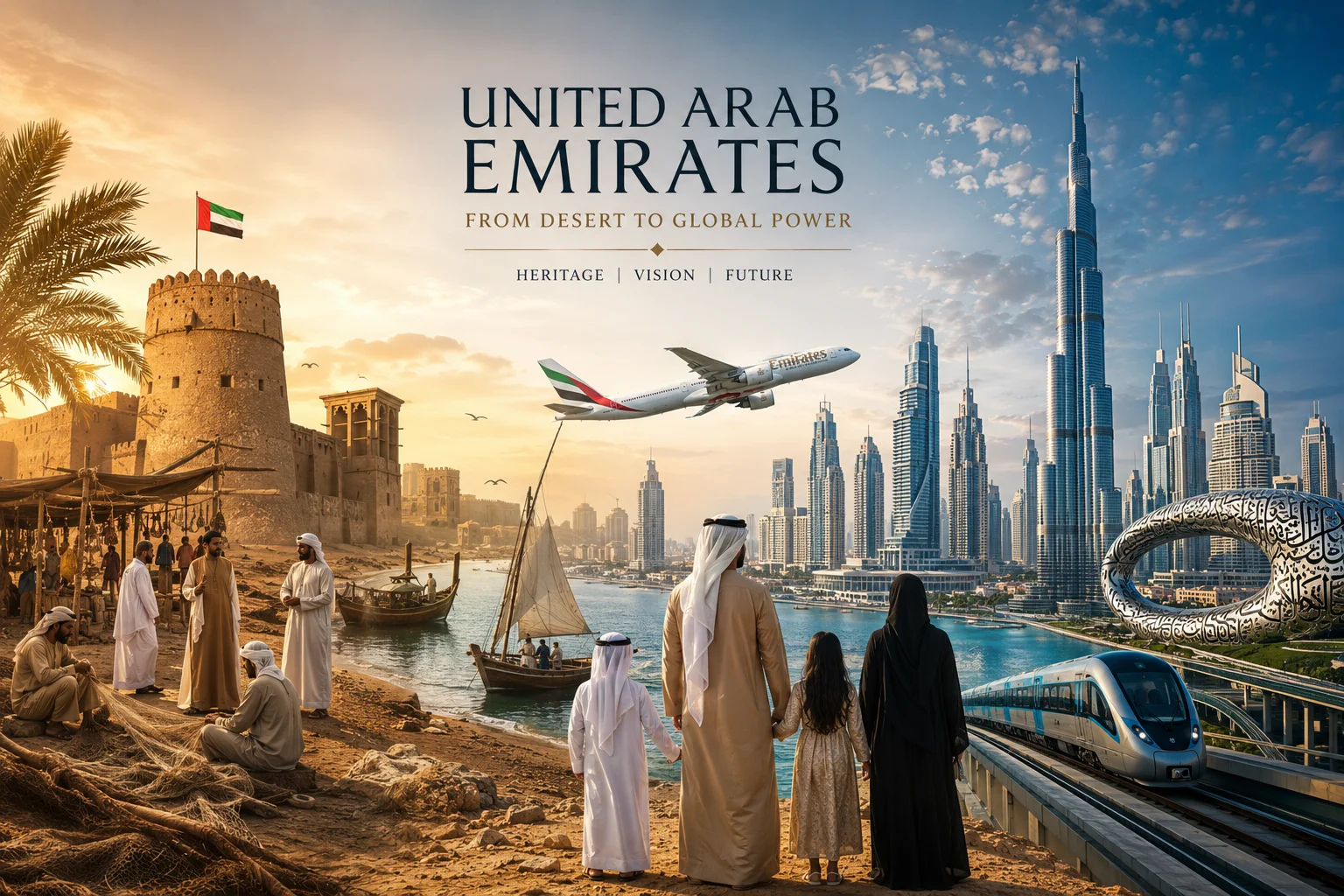
The United Arab Emirates is one of the world's most dynamic and rapidly developing nations—a country where ancient Bedouin traditions coexist with futuristic cities, global business, and cultural diversity. Since its formation in 1971, the UAE has transformed from a region of pearl-diving communities and desert settlements into a global hub for trade, tourism, aviation, innovation, and finance. Today, the UAE is recognized for its ambitious vision, safety, world-class infrastructure, and multicultural society.

United Arab Emirates at a Glance
titleDecore bar

Official Name

United Arab Emirates

Capital

Abu Dhabi

Population

11000000

Area

83600 km²

Government

Federal Constitutional Monarchy

Divisions

7 Emirates

Currency

UAE Dirham (AED)

Languages

Arabic

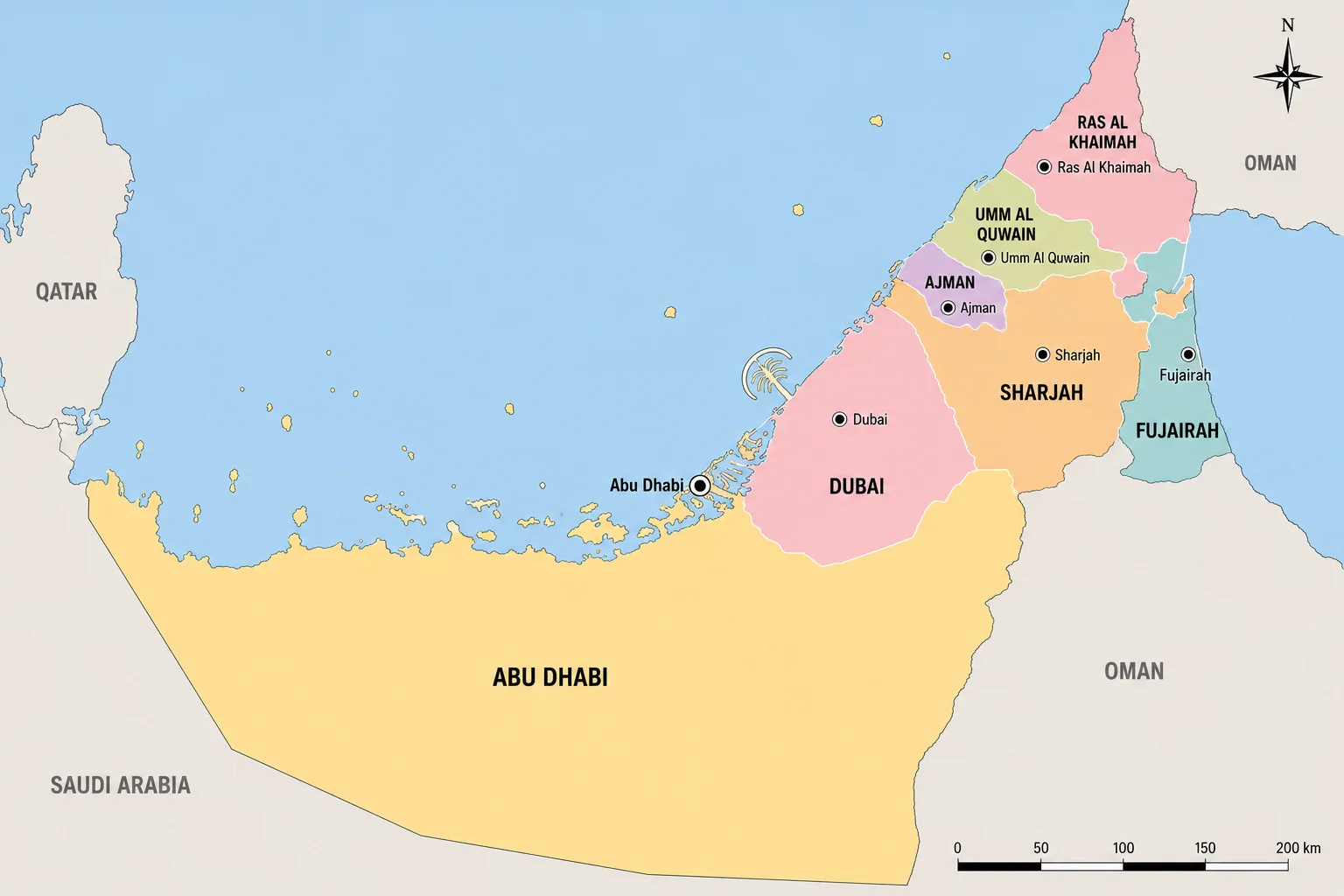
The United Arab Emirates is a federation of seven emirates located on the southeastern coast of the Arabian Peninsula. Home to more than 11 million people from over 200 nationalities, it serves as a bridge between Asia, Africa, and Europe.

The UAE is a federal state composed of seven emirates:

  • Abu Dhabi

  • Dubai

  • Sharjah

  • Ajman

  • Umm Al Quwain

  • Ras Al Khaimah

  • Fujairah

Each emirate is governed by its own ruler. The President is traditionally the Ruler of Abu Dhabi, while the Vice President and Prime Minister is traditionally the Ruler of Dubai.

The UAE combines traditional leadership with modern governance and long-term national planning.

The UAE is strongly associated with:

  • Hospitality

  • Tolerance

  • Ambition

  • Innovation

  • National Unity

National symbols include:

  • Falcon

  • Arabian horse

  • Dhow boats

  • Desert landscapes

  • Sheikh Zayed Grand Mosque

  • Traditional coffee (Gahwa)

The country's identity balances Islamic values, Arab traditions, and modern global outlook.

The UAE has one of the world's most diverse populations.

  • Population: Approximately 11 million

  • Urban population: Over 85%

  • Expatriates: Around 85–90% of residents

  • Nationalities represented: More than 200

This diversity has created a uniquely multicultural society where people from around the world live and work together.

Life in the UAE is characterized by:

  • Safety and security

  • Convenience and modern infrastructure

  • Cultural diversity

  • Strong family values

  • Respect for traditions

Daily life often revolves around work, family gatherings, shopping malls, cafés, beaches, and outdoor activities during the cooler months

Best Time to Visit

November April

Climate

Desert climate with hot summers and mild winters

Avg. Temperature: 27–29°C annual average

Location

Eastern Arabian Peninsula

Borders

  • Saudi Arabia

  • Oman

The UAE's landscapes include:

  • Vast deserts

  • Sand dunes

  • Mangrove forests

  • Mountains

  • Islands

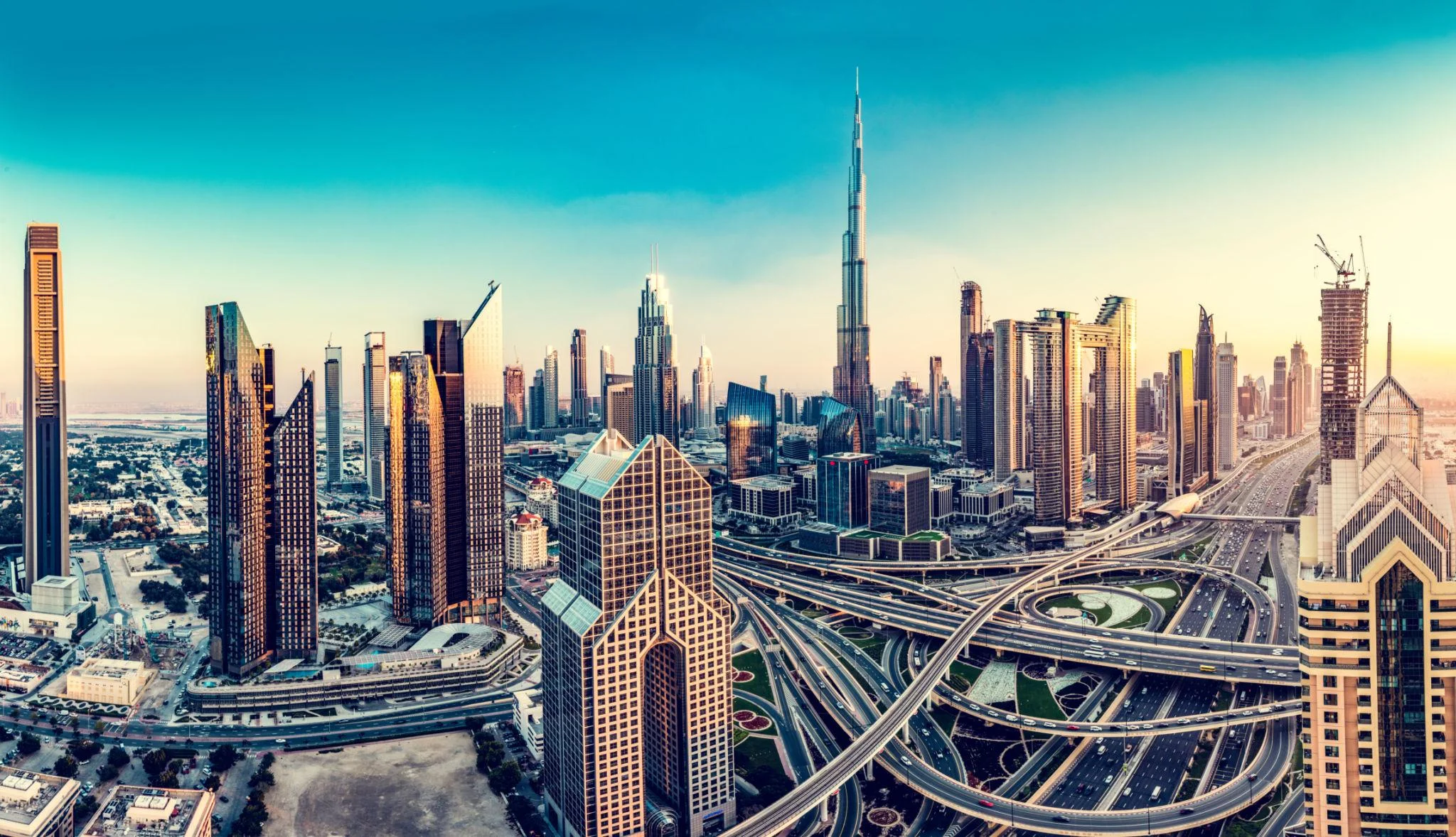
  • Modern urban skyline

United Arab Emirates identity
Story Of United Arab Emirates - History & Identity
titleDecore bar
Before 1900
Bedouin Heritage & Maritime Traditions
1820
General Maritime Treaty
1853
Trucial States Established
1930s
Decline of the Pearl Industry
1958
Oil Discovered in Abu Dhabi
1962
First Oil Exports
1966
Sheikh Zayed Becomes Ruler of Abu Dhabi
1968
Union Discussions Begin
1971
United Arab Emirates Founded
1972
Ras Al Khaimah Joins the Federation
1985
Emirates Airline Founded
1999
Burj Al Arab Opens
2004
Leadership Transition
2010
Burj Khalifa Opens
2020
Hope Probe to Mars
2021
Golden Jubilee of the UAE
2023
COP28 Hosted in Dubai
2026
United Arab Emirates Today

Historical Sites & Reflections
United Arab Emirates story

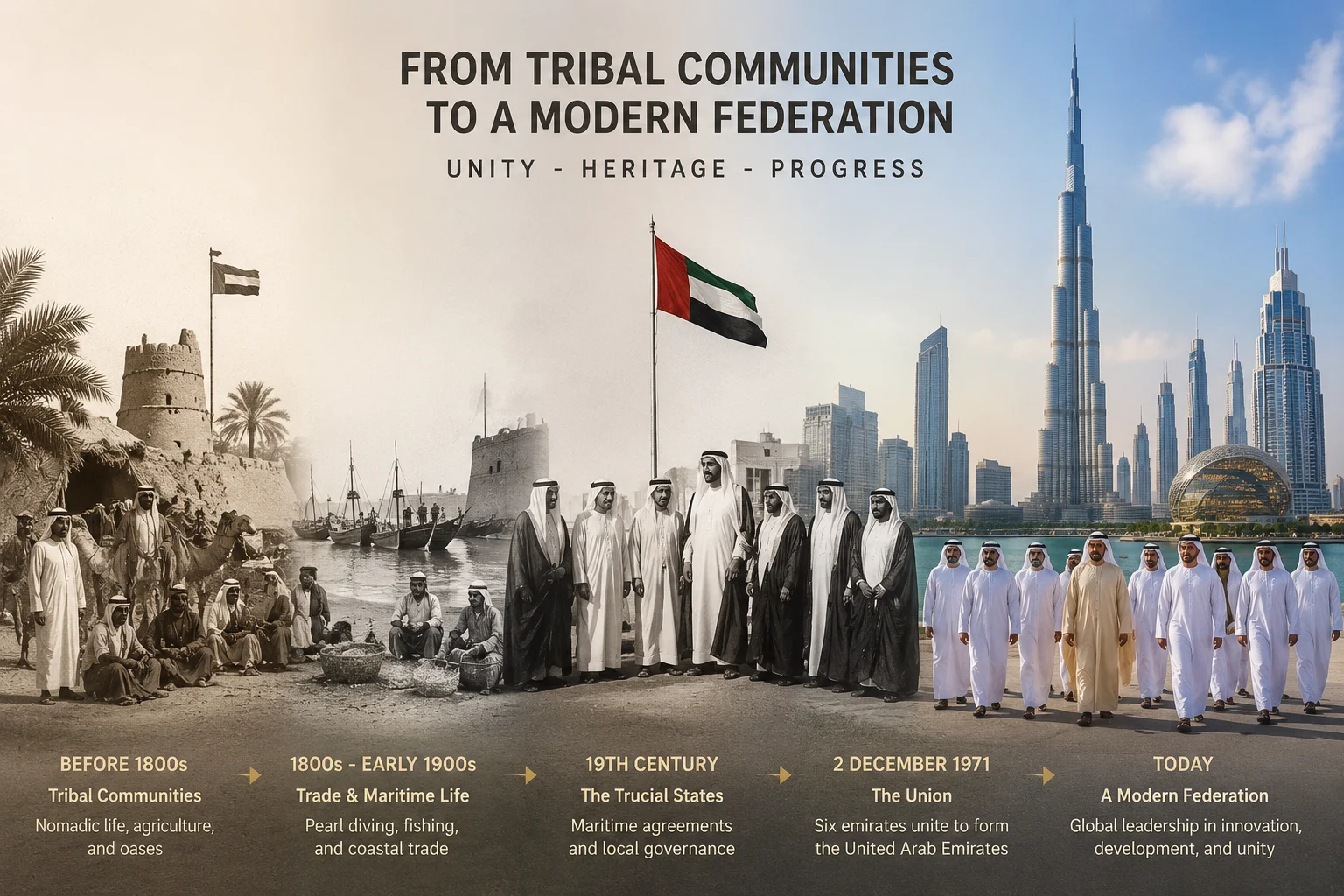
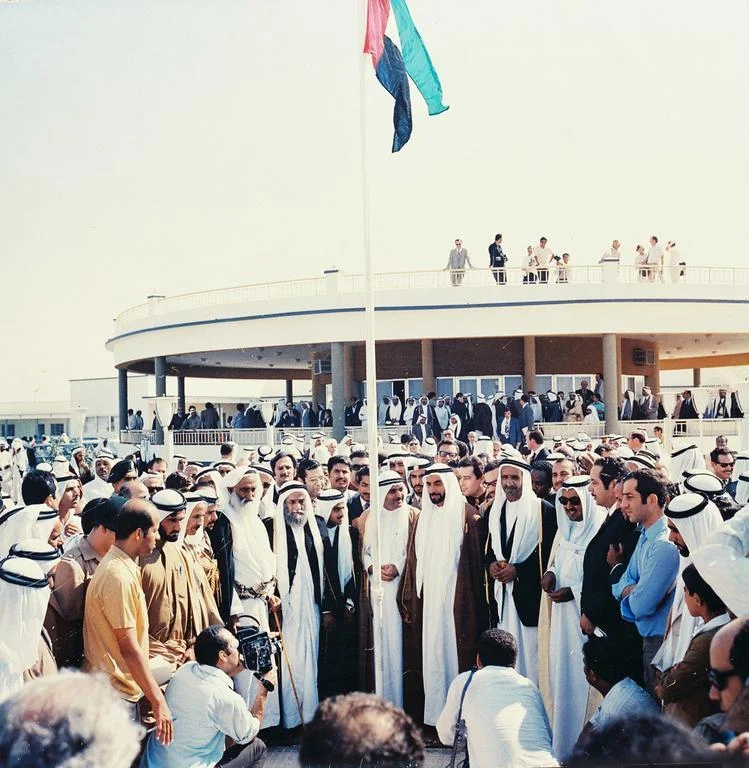
For centuries, the territory that is now the United Arab Emirates was home to Bedouin tribes, oasis settlements, and coastal communities whose livelihoods depended on trade, fishing, pearl diving, and camel herding. Located along important maritime routes linking Asia, Africa, and the Middle East, the region developed strong traditions of commerce, hospitality, and cultural exchange. During the 19th century, the emirates became known as the Trucial States under British protection, maintaining local rule while benefiting from increased maritime stability.
United Arab Emirates story

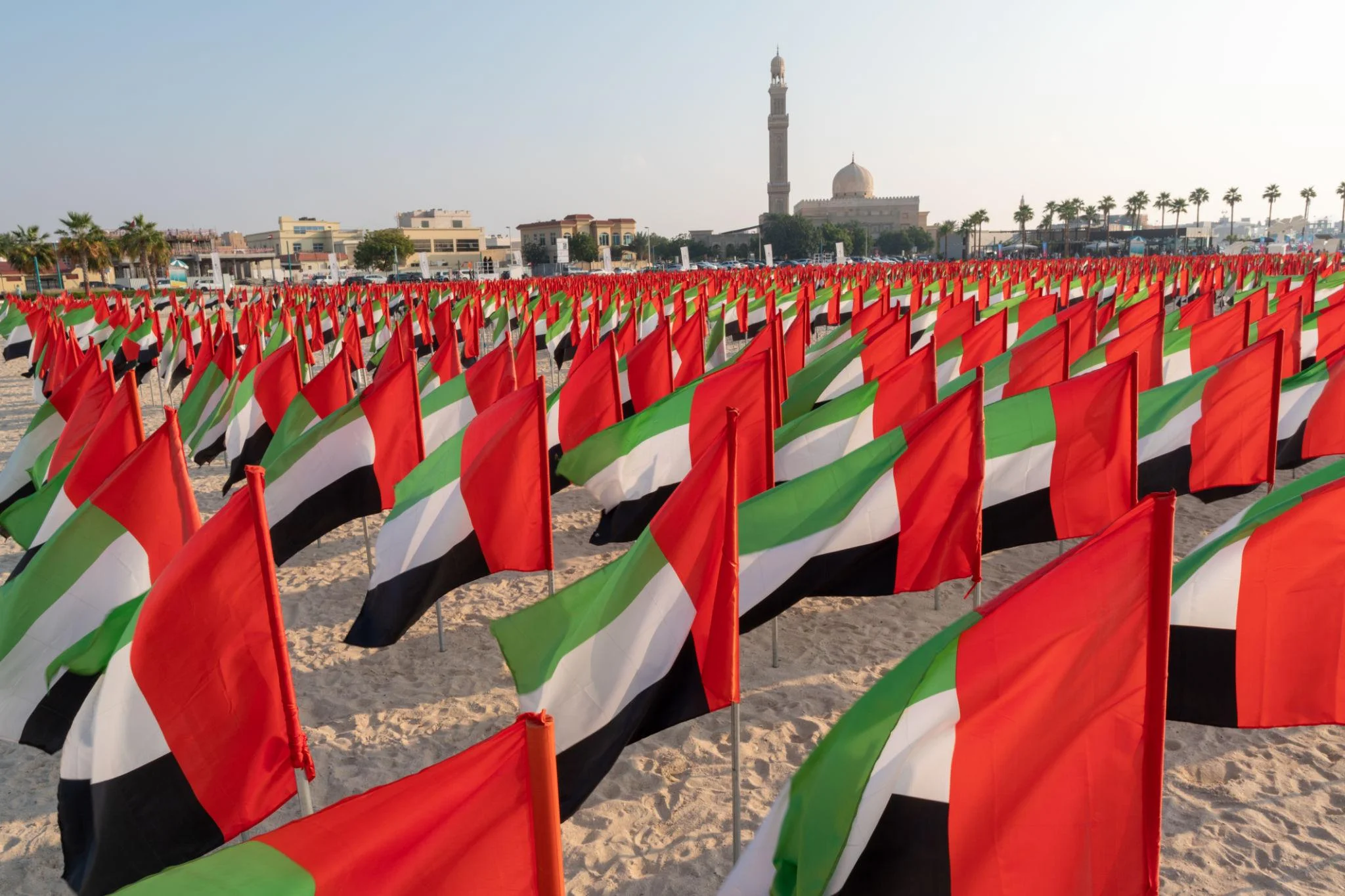
The discovery of oil in the mid-20th century transformed the region's economic future. Under the leadership of Sheikh Zayed bin Sultan Al Nahyan and the rulers of the emirates, a vision of unity emerged. On December 2, 1971, six emirates united to form the United Arab Emirates, with a seventh emirate joining in 1972. The new federation invested heavily in infrastructure, healthcare, education, and economic development, rapidly improving living standards and creating the foundations of a modern state.
United Arab Emirates story

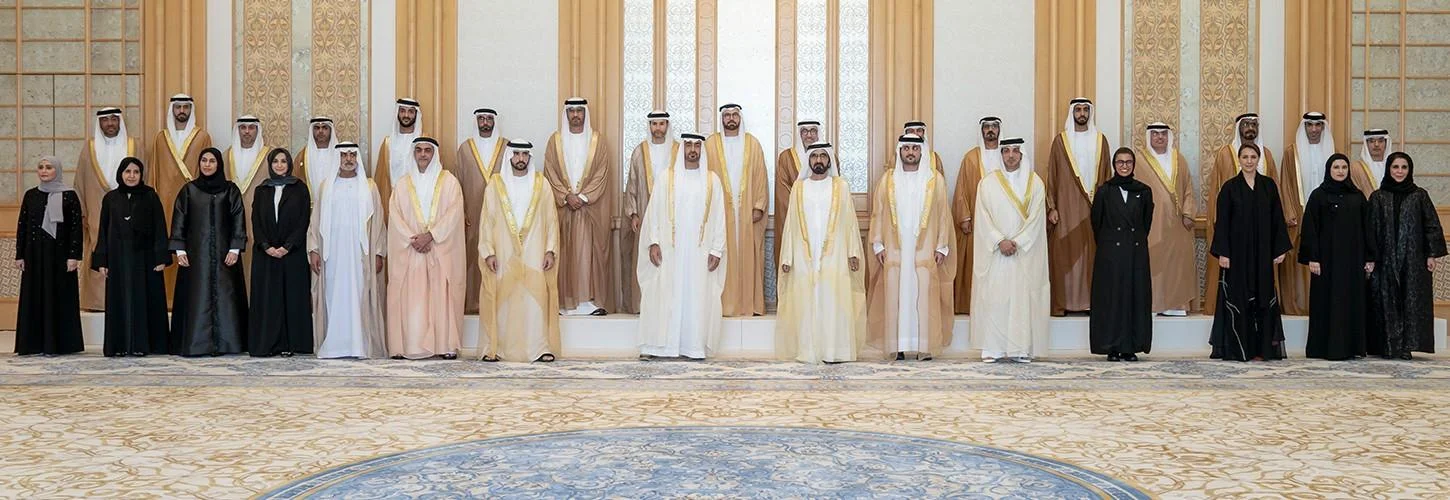
Modern Emirati identity is shaped by a balance between tradition and innovation. While preserving Arab and Islamic values, the UAE has embraced globalization, technology, and multiculturalism. Hospitality, family, tolerance, and national unity remain central to society. Today, the UAE is recognized as a global hub for business, tourism, aviation, innovation, and international cooperation while maintaining a strong connection to its heritage and cultural roots.
United Arab Emirates story

• Founding & Leadership

·        Sheikh Zayed bin Sultan Al Nahyan (1918–2004) — Founding Father and first President of the UAE.

·        Sheikh Rashid bin Saeed Al Maktoum (1912–1990) — Key architect of Dubai's modern development and co-founder of the federation.

·        Mohammed bin Rashid Al Maktoum (born 1949) — Vice President and Prime Minister of the UAE, Ruler of Dubai, and one of the principal architects of the country's modern transformation. Under his leadership, Dubai became a global center for tourism, aviation, trade, innovation, and finance, with landmark projects such as the Burj Khalifa, Dubai Metro, and numerous smart-city initiatives.

·        Khalifa bin Zayed Al Nahyan (1948–2022) — Led the UAE during a period of rapid economic growth and infrastructure development.

·        Mohamed bin Zayed Al Nahyan (born 1961) — Current President of the UAE, guiding the nation's vision in economic diversification, sustainability, technology, and international cooperation.

For a travel journal, Sheikh Zayed, Sheikh Mohammed, and Sheikh Mohamed bin Zayed are the three most important contemporary figures to highlight because they represent the UAE's founding, transformation, and future vision. 🇦🇪

• Culture & Heritage

  • Ousha bint Khalifa Al Suwaidi (1920–2018) — One of the most celebrated Emirati poets

  • Ahmed bin Sulayem (born 1974) — Influential figure in Dubai's trade and business development

• Science & Innovation

  • Sarah Al Amiri (born 1987) — Minister of Education and former leader of the UAE Mars Mission

  • Hazzaa AlMansoori (born 1983) — First Emirati astronaut in space

Emirati is Known For

A quick look at the core characteristics, structures, and cultural definitions that shape the United Arab Emirates reputation worldwide.

History & Heritage

The UAE preserves a rich heritage of Bedouin traditions, pearl diving, maritime trade, falconry, and desert culture while celebrating its rapid national development since 1971.

Architecture & Innovation

The country is famous for futuristic skylines, iconic landmarks, and ambitious engineering projects, including the Burj Khalifa and Museum of the Future

Business & Global Connectivity

The UAE serves as a major international hub connecting Europe, Asia, and Africa through world-class airports, ports, airlines, and business infrastructure.

Cultural Diversity

Home to people from more than 200 nationalities, the UAE is one of the world's most multicultural societies, promoting coexistence and international exchange.

Tourism & Hospitality

Luxury resorts, desert adventures, cultural attractions, shopping destinations, and year-round events have made the UAE one of the world's leading tourism destinations.

Safety & Quality of Life

The UAE is internationally recognized for its safety, modern infrastructure, public services, and high standard of living

Sustainability & Future Vision

The country invests heavily in renewable energy, artificial intelligence, smart cities, and space exploration, including the successful Emirates Mars Mission.

Family & Community

Family remains at the heart of Emirati society, with strong values centered on respect, hospitality, generosity, and social cohesion.

Desert & Maritime Heritage

From the vast Arabian Desert to the shores of the Arabian Gulf and Gulf of Oman, the UAE's landscapes and traditions continue to shape its national identity.

Aviation & Global Influence

The UAE is home to some of the world's most recognized aviation and logistics networks, serving millions of travelers and businesses every year. 🇦🇪
The Emirati Spirit
titleDecore bar

Understanding society, traditions, and daily life in United Arab Emirates

Emirati society is built upon respect, hospitality, family values, and community. Guests are traditionally welcomed with Arabic coffee (Gahwa) and dates, reflecting a long-standing culture of generosity. Respect for elders, family bonds, and social harmony remain central to daily life. While the UAE is highly modern and international, local customs continue to be guided by Arab traditions and Islamic values. Courtesy, modesty, and tolerance are highly appreciated in social interactions.

Traditional Emirati clothing reflects both cultural heritage and practical adaptation to the desert climate.

Men commonly wear the Kandura, a long white robe, along with a Ghutra or Shemagh head covering secured by an Agal.

Women often wear the Abaya, a long flowing black cloak, accompanied by a Shayla headscarf.

While traditional attire remains widely worn, especially by Emirati citizens, the UAE's multicultural society also embraces a wide variety of international fashions. Modest dress is generally appreciated in public places.

Arabic is the official language of the UAE and plays an important role in national identity and cultural heritage.

Due to the country's international population, English is widely used in business, education, tourism, and everyday communication. Other commonly spoken languages include Hindi, Urdu, Malayalam, Bengali, Tagalog, Persian, and Chinese, reflecting the UAE's multicultural character.

Learning simple Arabic greetings such as "Marhaba" (Hello) and "Shukran" (Thank You) is appreciated by locals.

Music remains an important expression of Emirati culture and heritage.

Traditional forms include:

·        Al Ayyala (traditional group performance)

·        Al Razfa

·        Nabati poetry recitations

·        Folk songs associated with pearl diving and desert life

Modern music in the UAE combines Arabic, Gulf, and international influences, reflecting the country's diverse population. Cultural festivals and national celebrations often feature traditional music and dance performances.

The UAE blends traditional Islamic architecture with some of the world's most innovative modern designs.

Traditional architecture includes:

·        Wind towers (Barjeel)

·        Forts and watchtowers

·        Courtyard houses

·        Coral stone buildings

Modern landmarks include:

·        Sheikh Zayed Grand Mosque

·        Burj Khalifa

·        Museum of the Future

·        Louvre Abu Dhabi

The UAE has become a leading center for architecture, design, contemporary art, and cultural innovation.

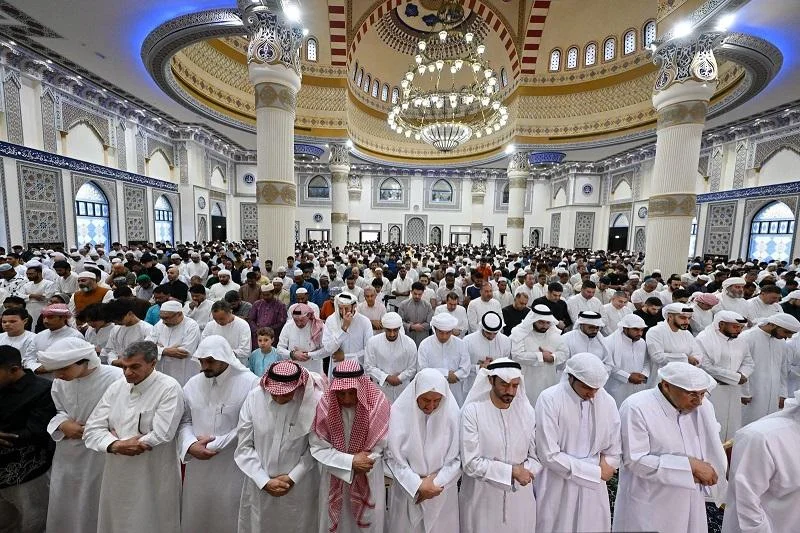
Islam is the official religion of the UAE and plays an important role in shaping cultural traditions, holidays, and social values.

Mosques are central to community life, and important occasions such as Ramadan and Eid are widely observed throughout the country.

At the same time, the UAE promotes religious tolerance and peaceful coexistence. People of many faiths live and worship freely, contributing to the country's multicultural environment.

The UAE is one of the most diverse countries in the world.

Religious Composition

Islam is the majority religion, with most Emiratis being Sunni Muslims. Significant communities of Christians, Hindus, Sikhs, Buddhists, and followers of other faiths also live throughout the country.

Ethnic Backgrounds

Emiratis form the indigenous population, while residents from more than 200 nationalities contribute to the country's social and economic life.

Major expatriate communities originate from:

·        South Asia

·        Southeast Asia

·        The Middle East

·        Europe

·        Africa

·        North America

Cities such as Dubai and Abu Dhabi are among the most multicultural urban centers in the world.

Family remains the cornerstone of Emirati society. Extended families often maintain close relationships across generations, and gatherings play an important role in social life.

Hospitality is considered a fundamental virtue, rooted in Bedouin traditions. Welcoming guests, sharing meals, and helping others continue to be important expressions of Emirati culture and identity.

The Emirati spirit is defined by a unique combination of heritage and ambition. Deeply rooted in Arab traditions and Islamic values, the UAE embraces innovation, diversity, and global engagement while preserving the customs and identity that have shaped the nation for generations. 🇦🇪
United Arab Emirates Food Culture
titleDecore bar
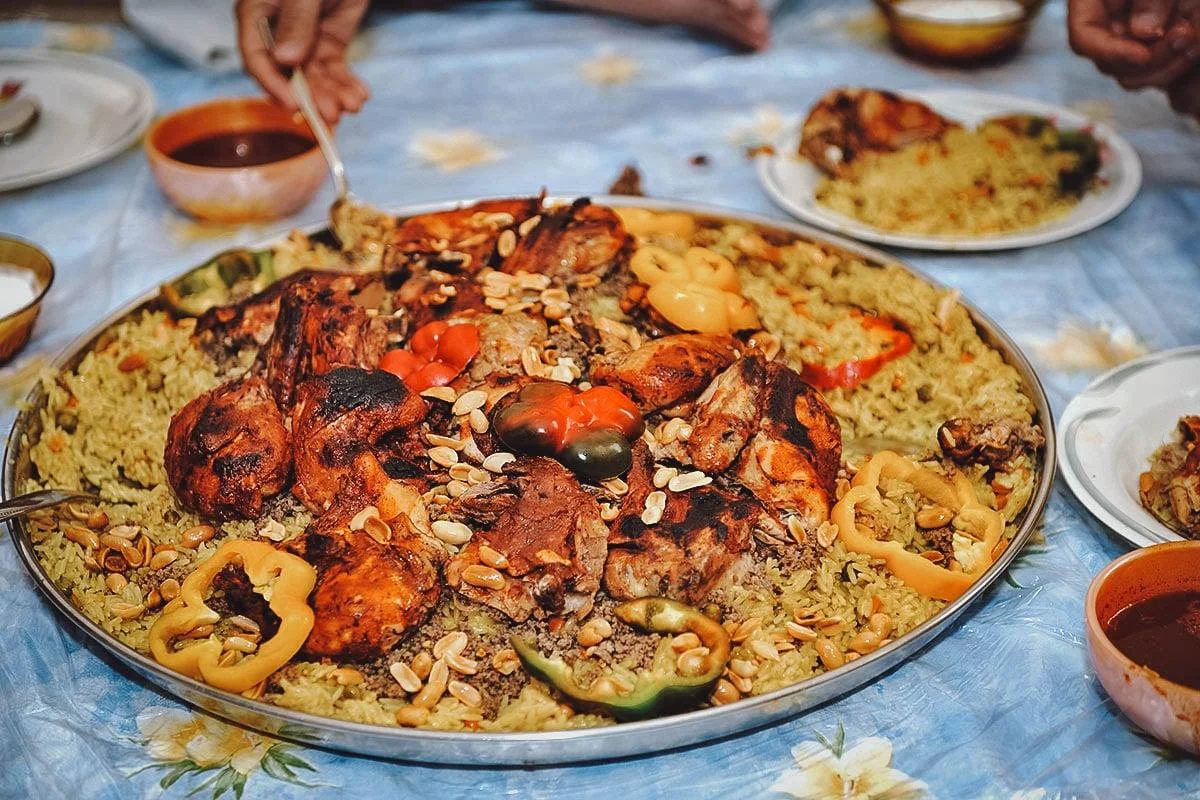
United Arab Emirates - Machboos

Machboos

Fragrant rice dish cooked with spices, meat, chicken, or seafood

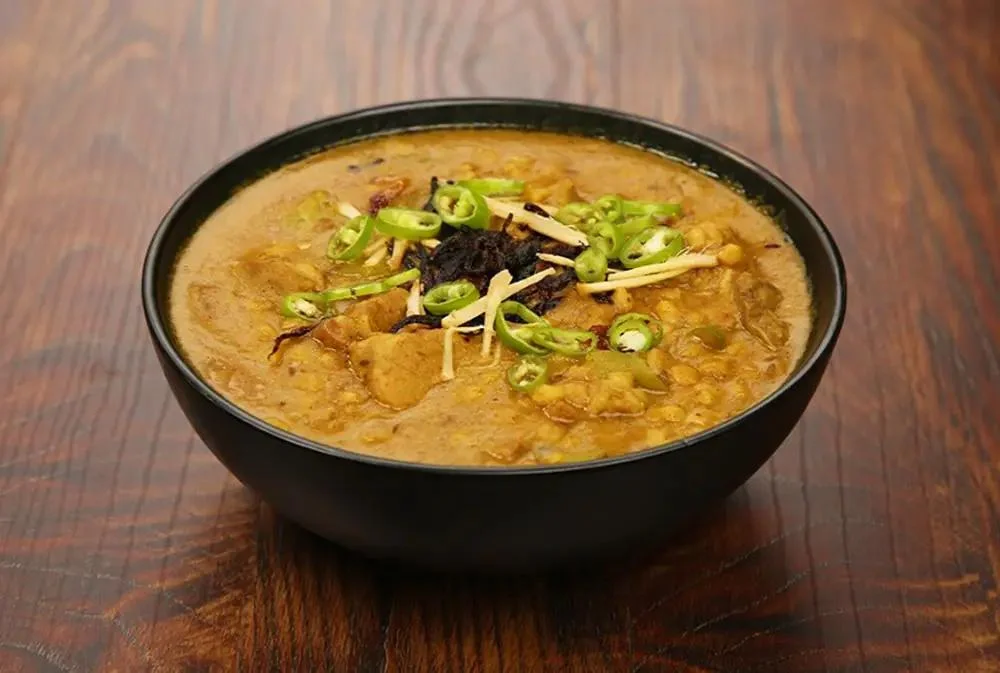
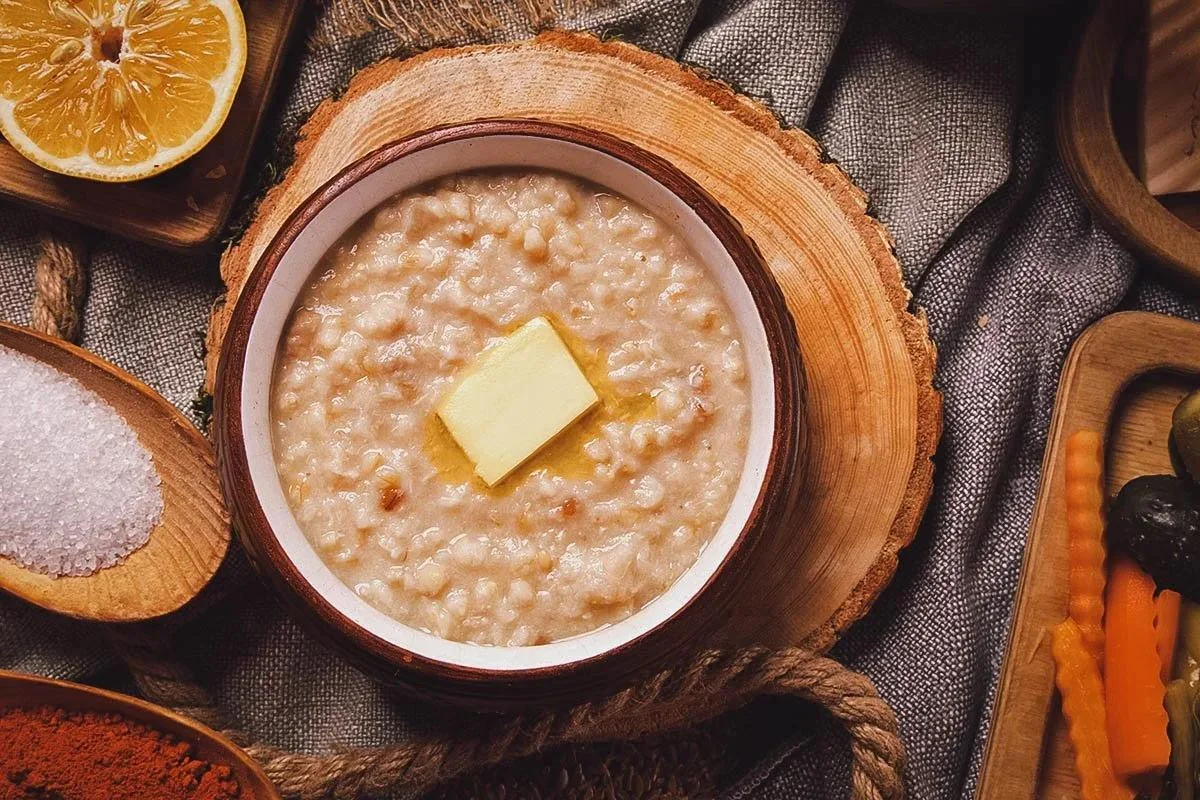
United Arab Emirates - Harees

Harees

Slow-cooked wheat and meat dish, especially popular during Ramadan and celebrations

United Arab Emirates - Madrooba

Madrooba

Creamy dish made from fish or chicken cooked with spices and grains

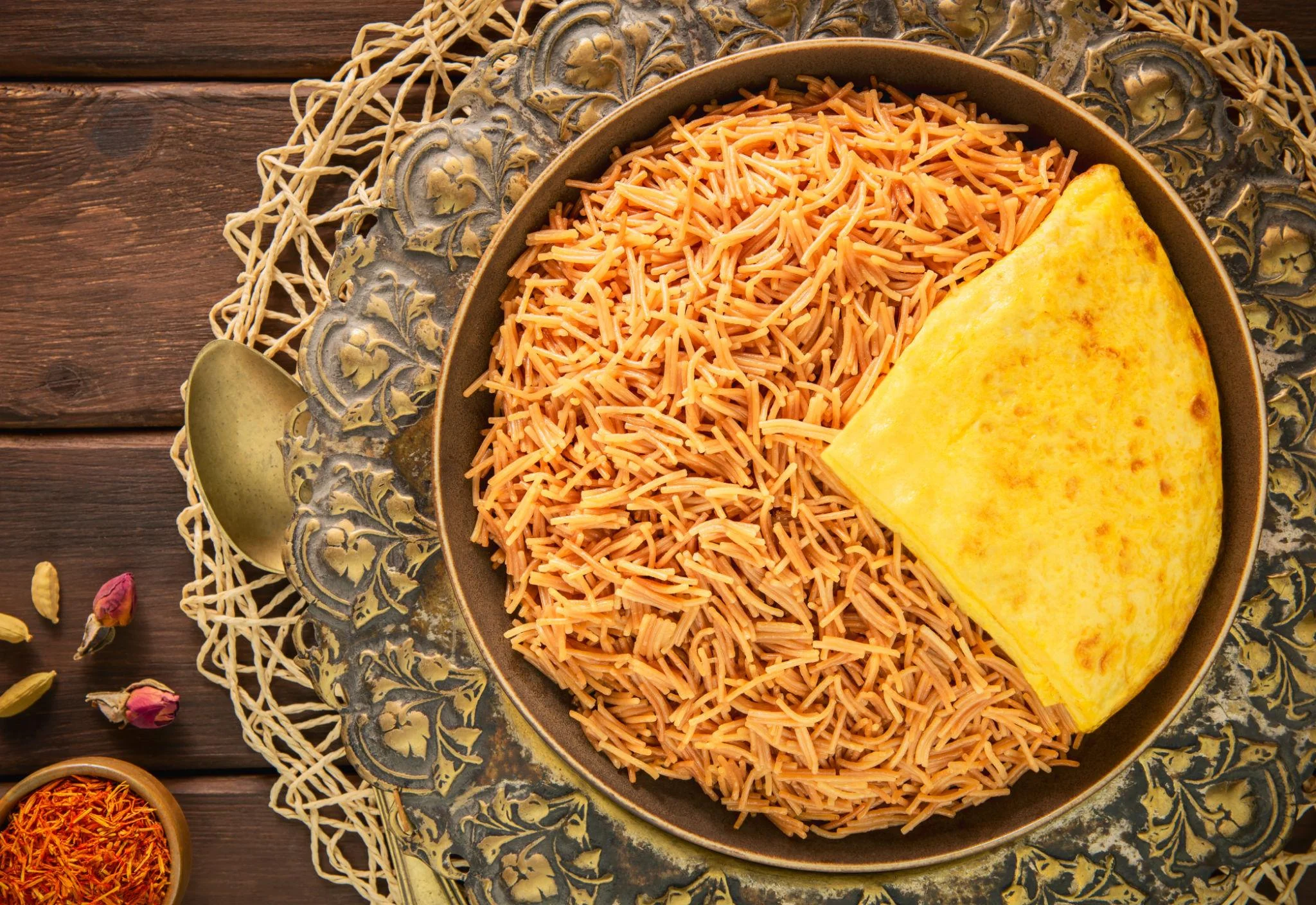
United Arab Emirates - Balaleet

Balaleet

Sweet vermicelli topped with an omelet, often enjoyed for breakfast

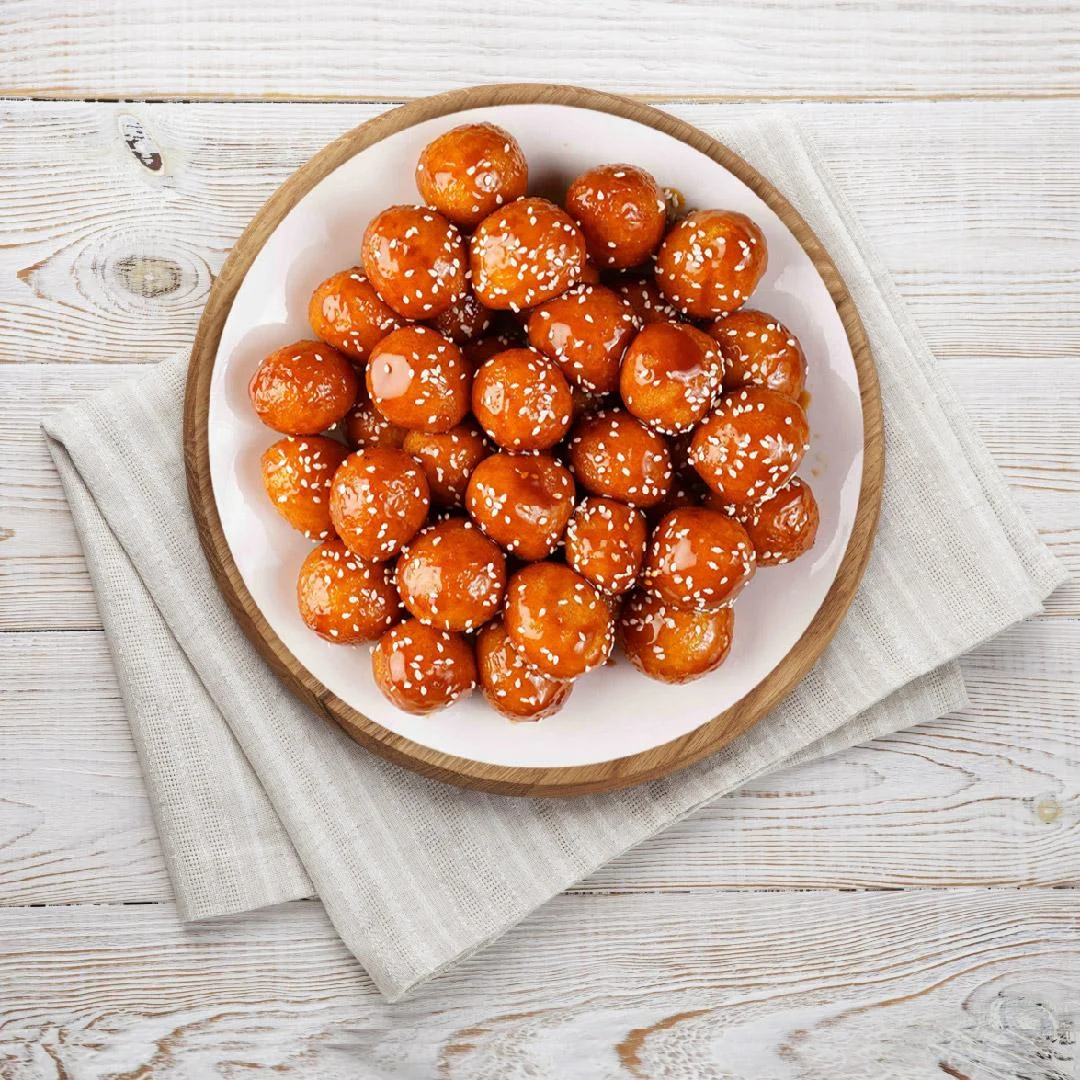
United Arab Emirates - Luqaimat

Luqaimat

Crispy dumplings drizzled with date syrup, one of the UAE’s most beloved desserts

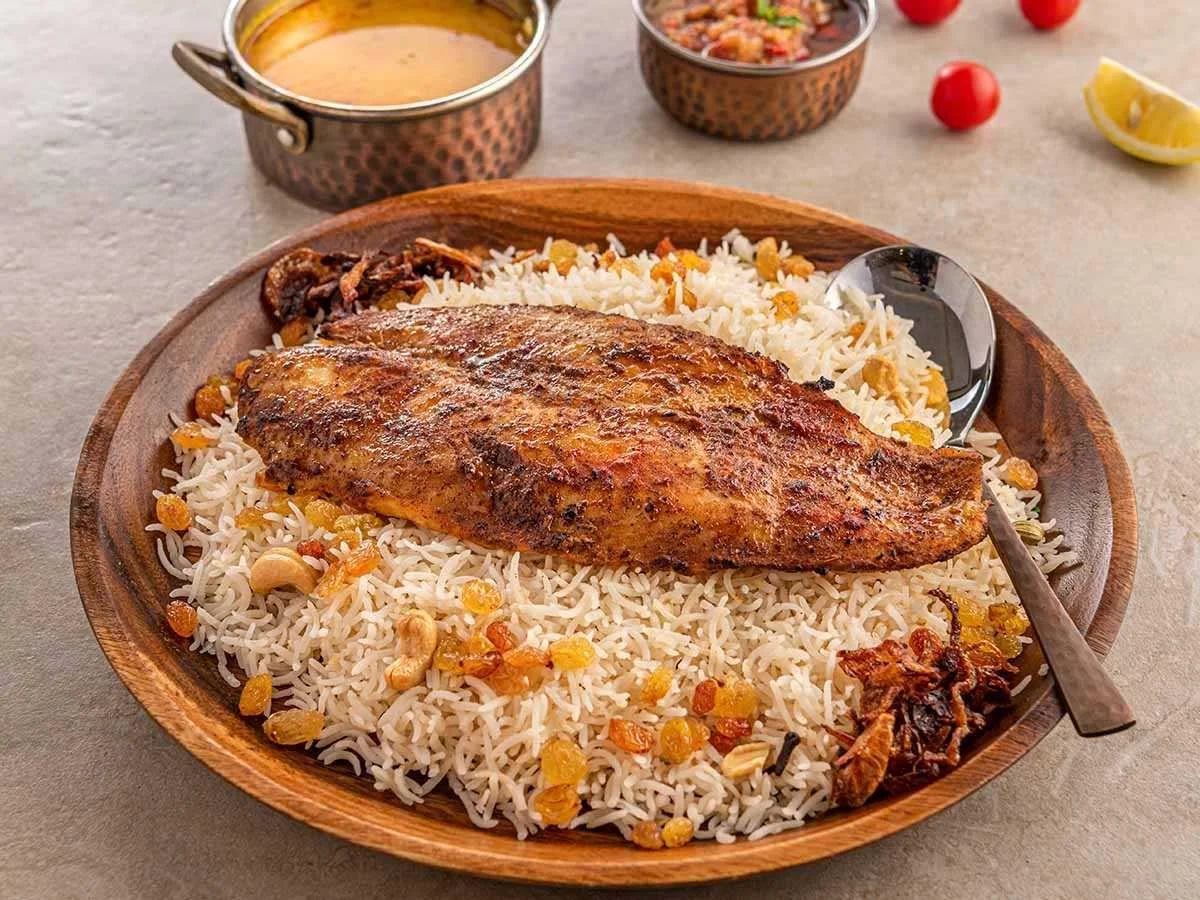
United Arab Emirates - Seafood Traditions

Seafood Traditions

With a long coastline along the Arabian Gulf and the Gulf of Oman, seafood plays an important role in local cuisine: • Fresh hammour, kingfish, and shrimp are widely enjoyed • Grilled and spiced fish dishes are common in coastal communities • Traditional fishing heritage remains an important part of Emirati culture

Machboos

Fragrant rice dish cooked with spices, meat, chicken, or seafood

Harees

Slow-cooked wheat and meat dish, especially popular during Ramadan and celebrations

Madrooba

Creamy dish made from fish or chicken cooked with spices and grains

Balaleet

Sweet vermicelli topped with an omelet, often enjoyed for breakfast

Luqaimat

Crispy dumplings drizzled with date syrup, one of the UAE’s most beloved desserts

Seafood Traditions

With a long coastline along the Arabian Gulf and the Gulf of Oman, seafood plays an important role in local cuisine: • Fresh hammour, kingfish, and shrimp are widely enjoyed • Grilled and spiced fish dishes are common in coastal communities • Traditional fishing heritage remains an important part of Emirati culture

United Arab Emirates - Machboos

Machboos

United Arab Emirates - Harees

Harees

United Arab Emirates - Madrooba

Madrooba

United Arab Emirates - Balaleet

Balaleet

United Arab Emirates - Luqaimat

Luqaimat

United Arab Emirates - Seafood Traditions

Seafood Traditions

Explore United Arab Emirates
titleDecore bar

The United Arab Emirates is a fascinating blend of ancient traditions and bold innovation. While the country is famous for record-breaking skyscrapers and luxury experiences, it also offers historic forts, UNESCO-listed oases, mountain landscapes, traditional souks, mangrove forests, and vast desert wilderness. Each emirate contributes its own identity, making the UAE one of the most diverse destinations in the Middle East.

Cities & Highlights

The UAE's most international city, Dubai has transformed from a small fishing and pearl-diving settlement into one of the world's most dynamic destinations. Known for its futuristic skyline, luxury lifestyle, cultural diversity, and ambitious architecture, Dubai offers a unique blend of tradition and innovation.

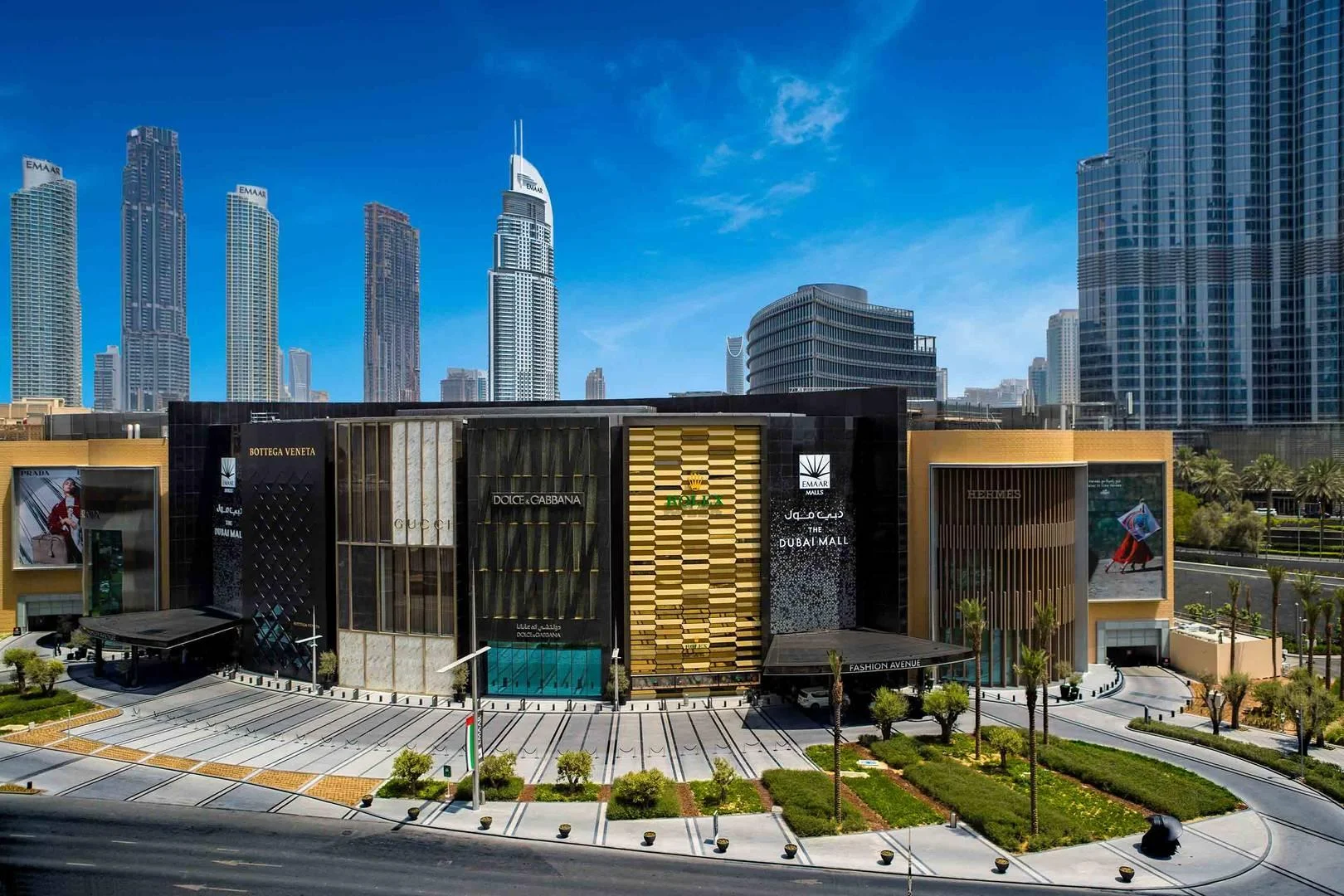
Dubai Mall

Dubai Mall

One of the world's largest malls, featuring luxury shopping, dining, entertainment, an aquarium, and an ice rink.

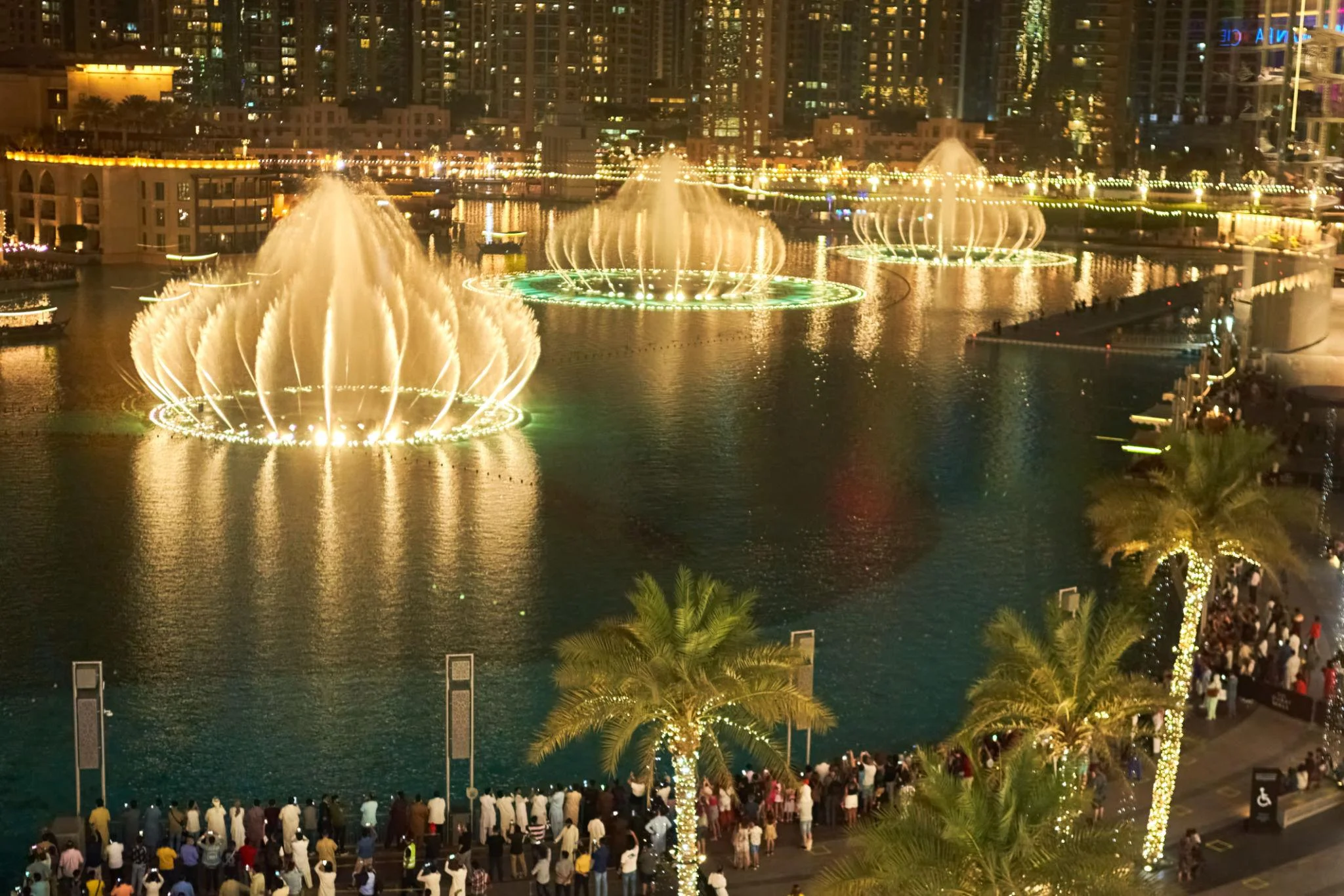
Dubai Fountain

Dubai Fountain

A spectacular water, music, and light show located at the base of Burj Khalifa.

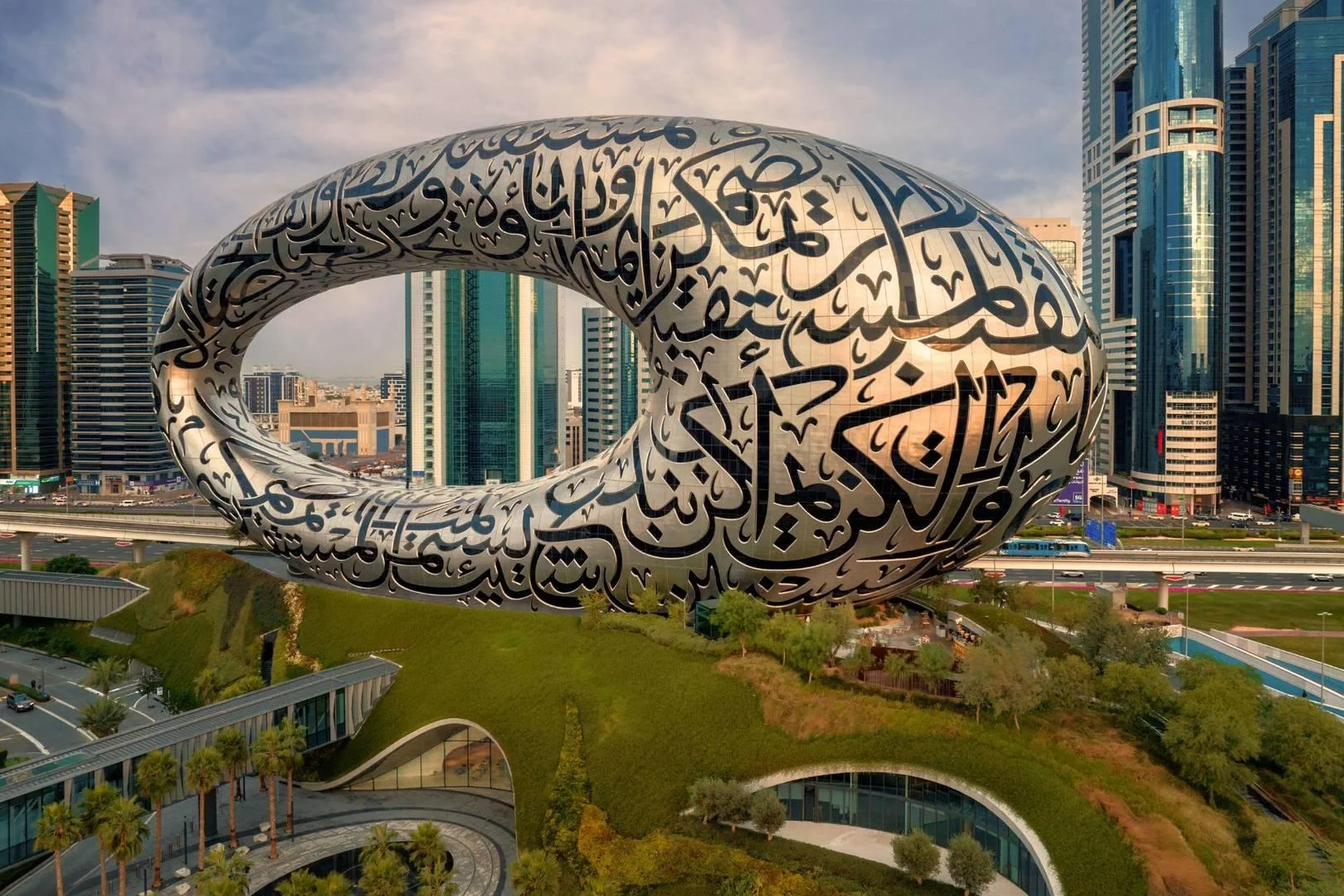
Museum of the Future

Museum of the Future

A landmark museum showcasing innovations in technology, sustainability, healthcare, and space exploration.

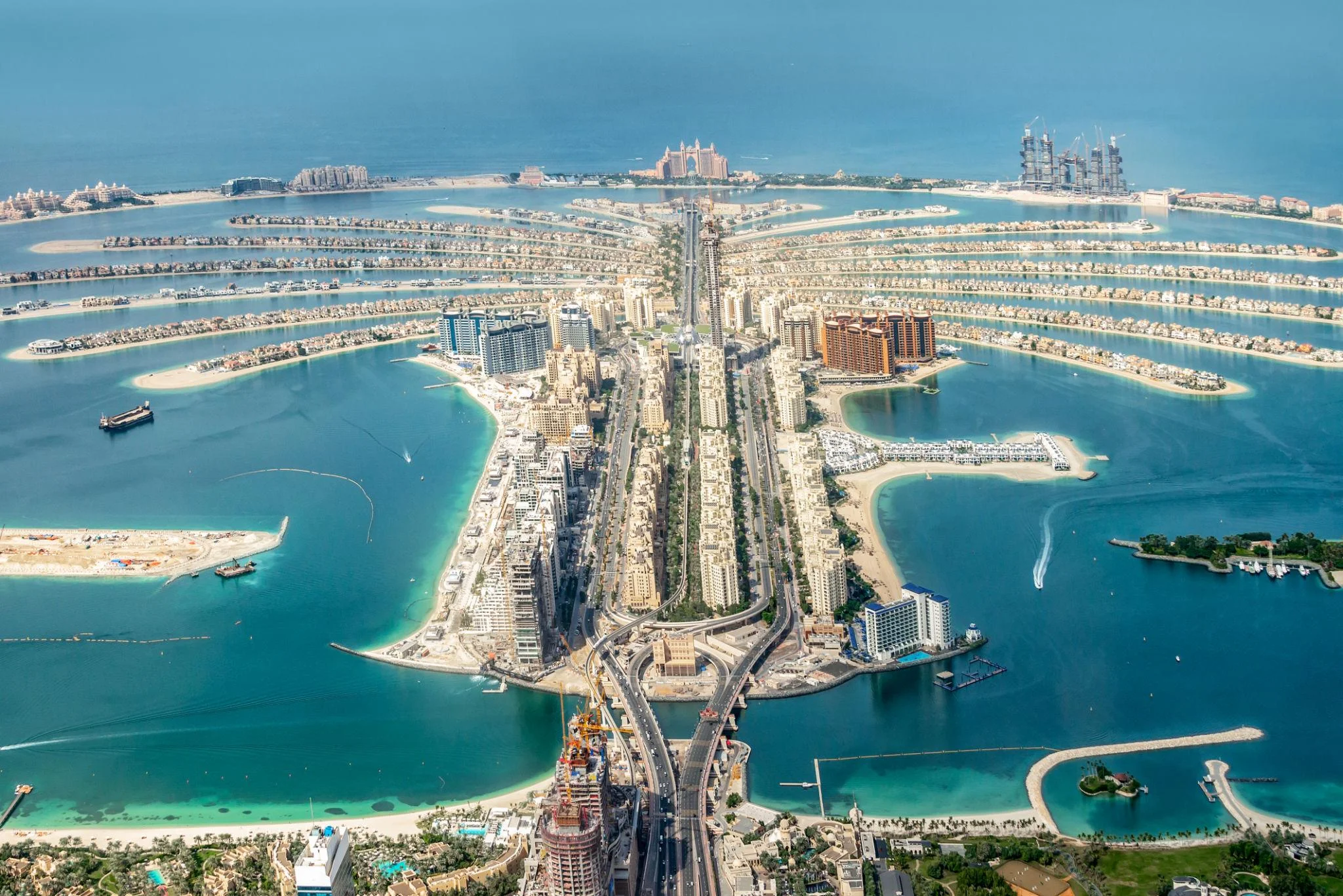
Palm Jumeirah

Palm Jumeirah

A world-famous palm-shaped artificial island home to luxury resorts, beaches, and waterfront attractions.

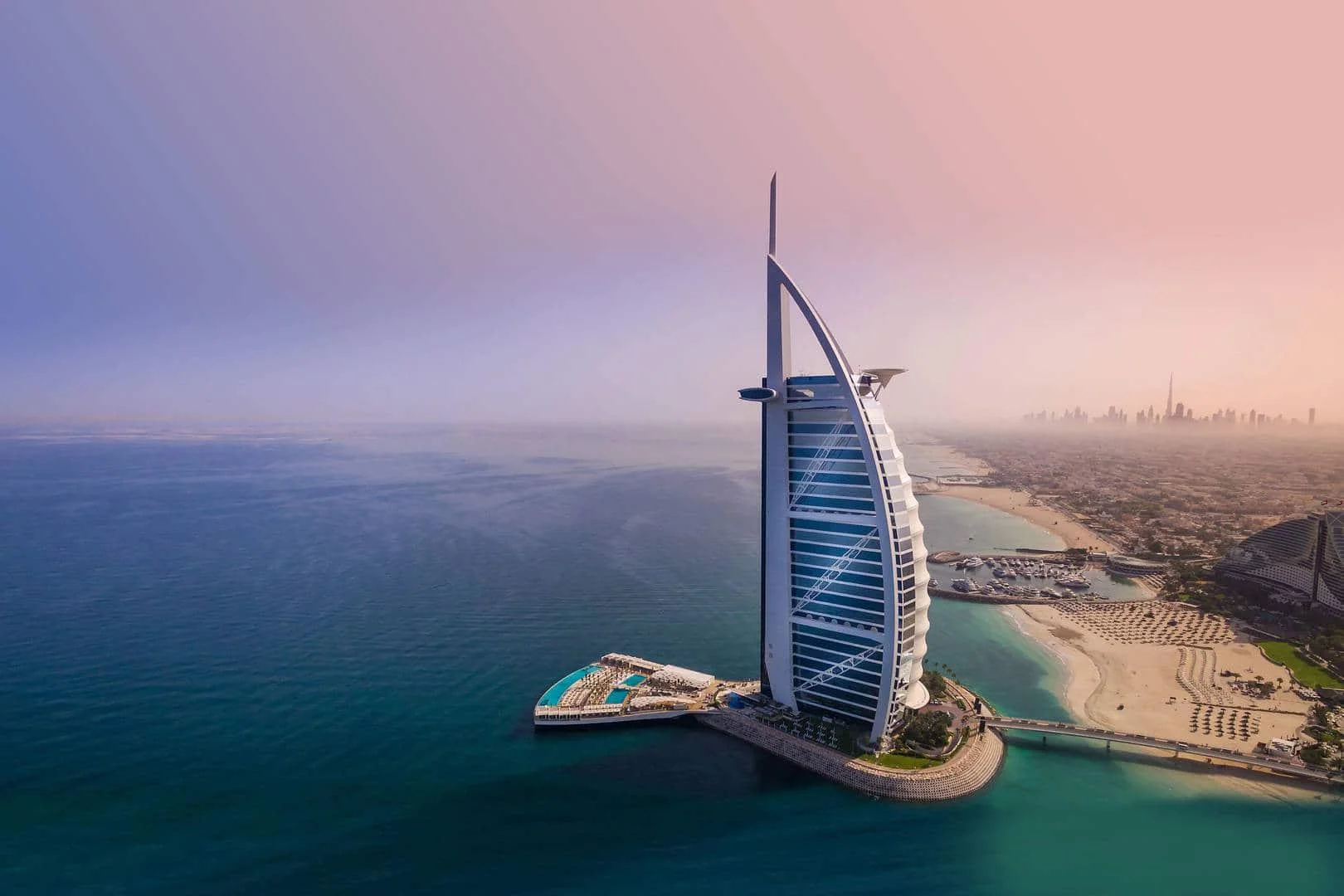
Burj Al Arab

Burj Al Arab

The iconic sail-shaped hotel that has become a symbol of Dubai's luxury and ambition.

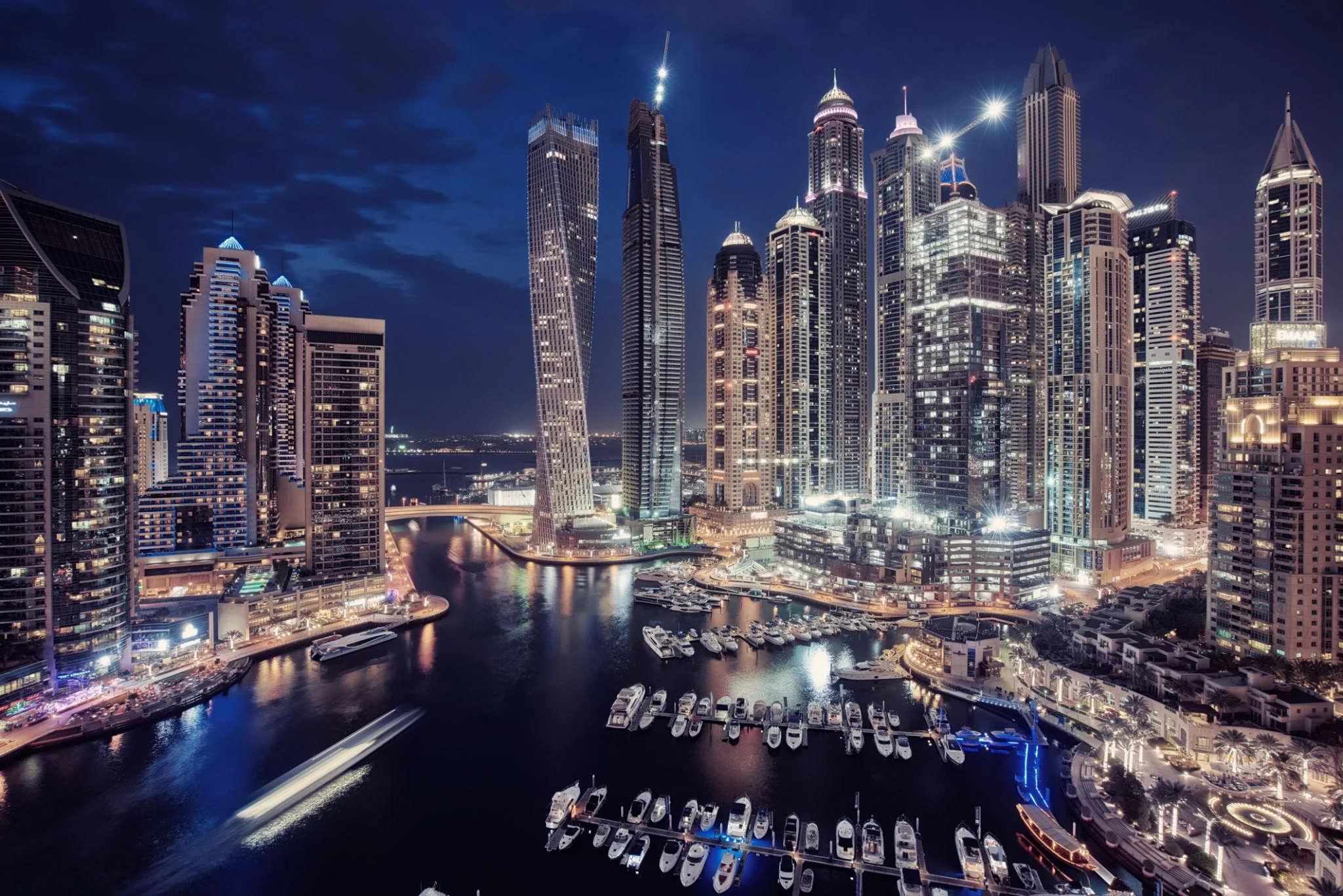
Dubai Marina

Dubai Marina

A modern waterfront district known for its skyscrapers, yacht marina, restaurants, and nightlife.

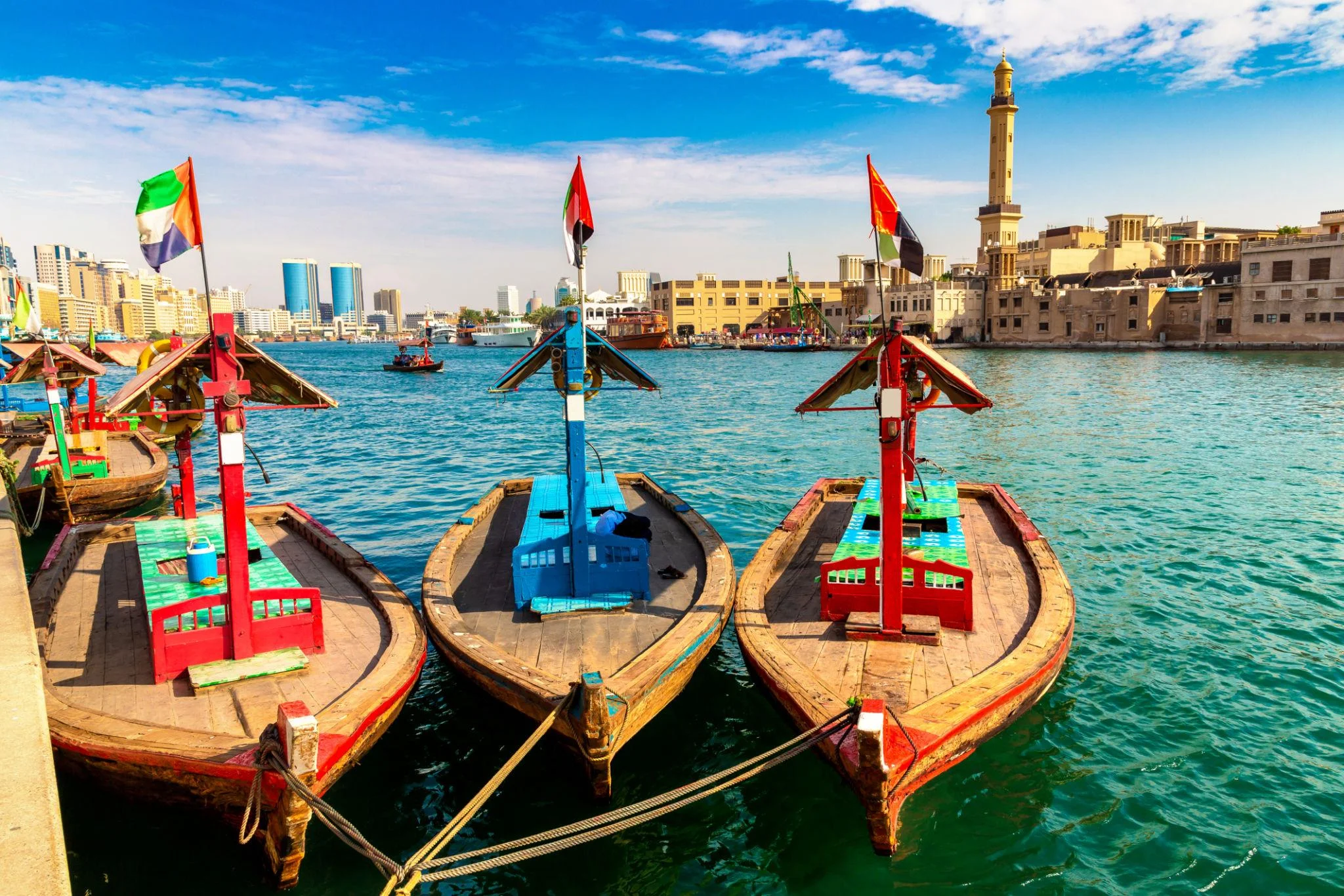
Dubai Creek

Dubai Creek

The historic heart of Dubai where traditional abras, souks, and trading heritage can still be experienced.

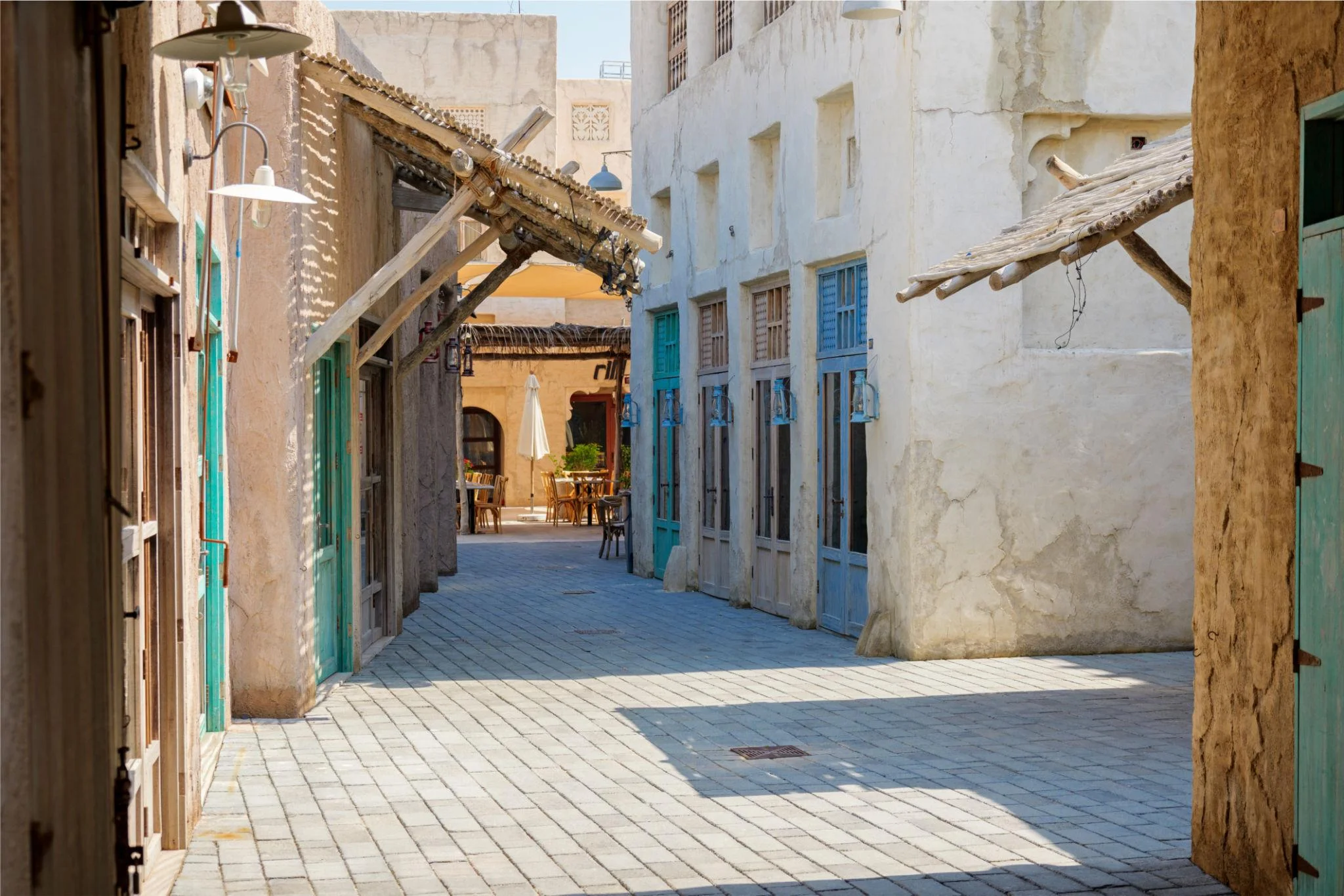
Al Fahidi Historical Neighbourhood

Al Fahidi Historical Neighbourhood

A preserved heritage district featuring wind-tower houses, museums, and cultural centers that reflect old Dubai.

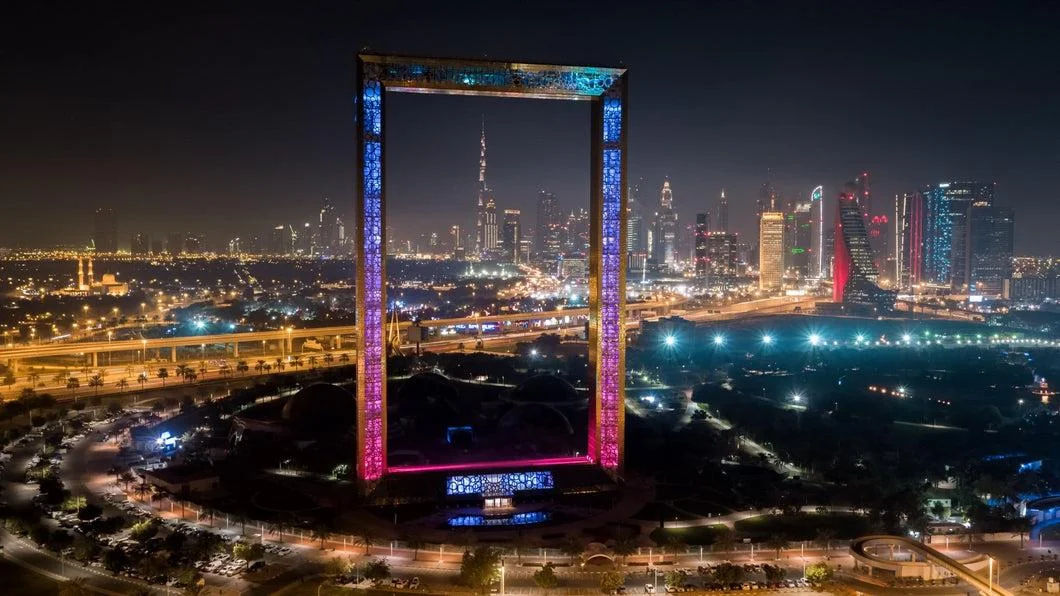
Dubai Frame

Dubai Frame

A giant architectural landmark offering panoramic views that connect old and new Dubai.

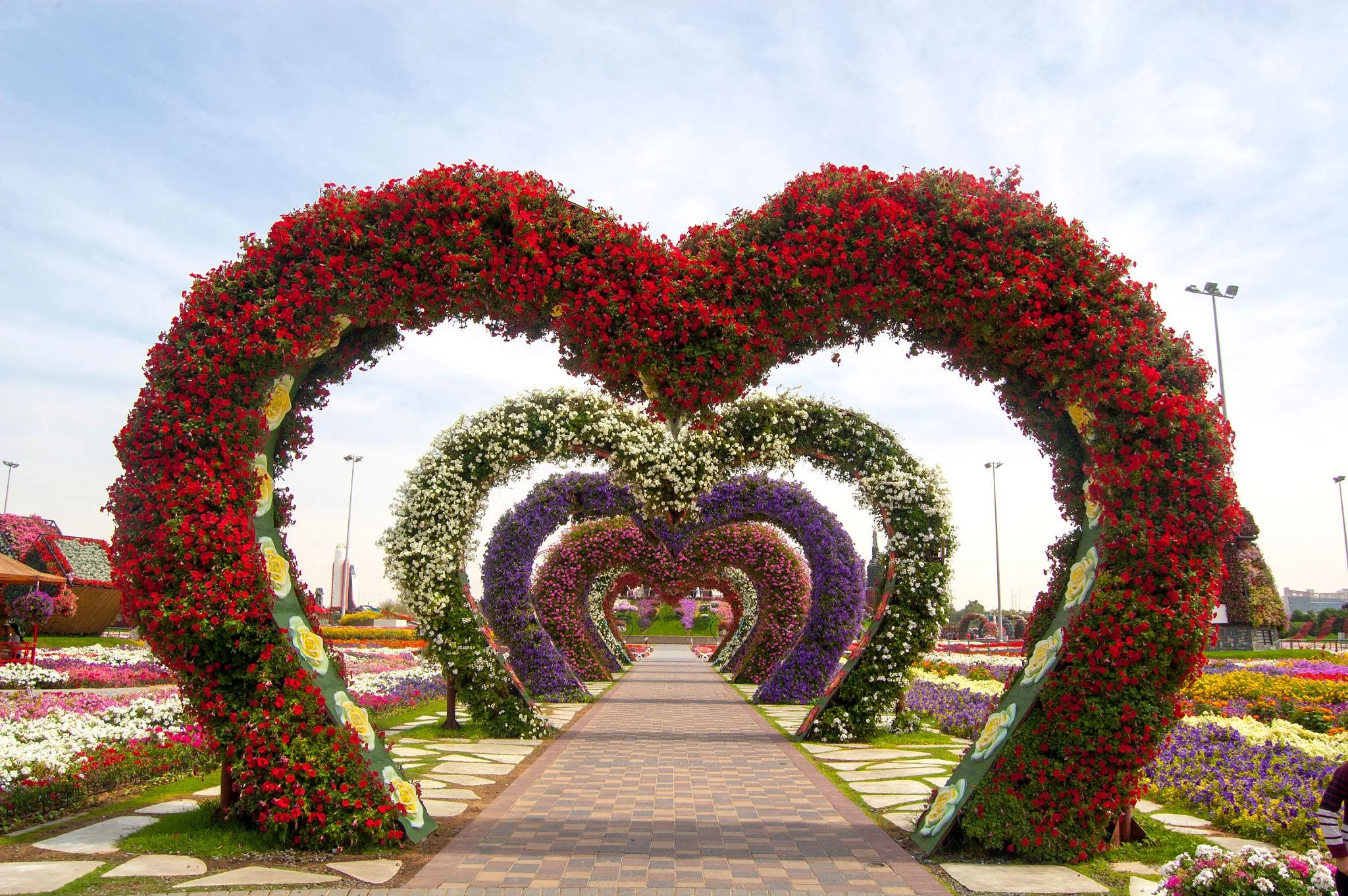
Dubai Miracle Garden

Dubai Miracle Garden

The world's largest natural flower garden, featuring over 150 million flowers arranged in creative displays.

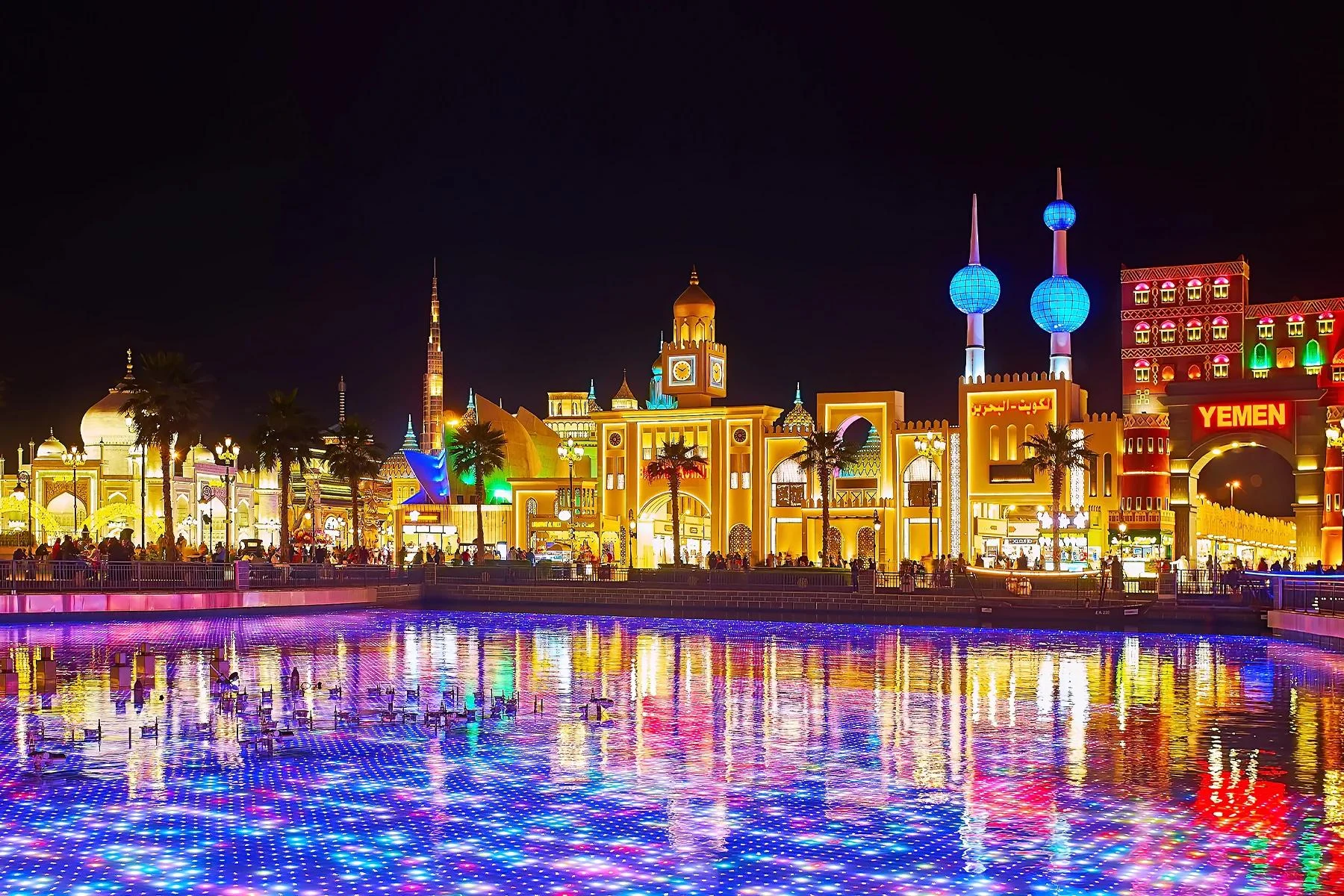
Global Village

Global Village

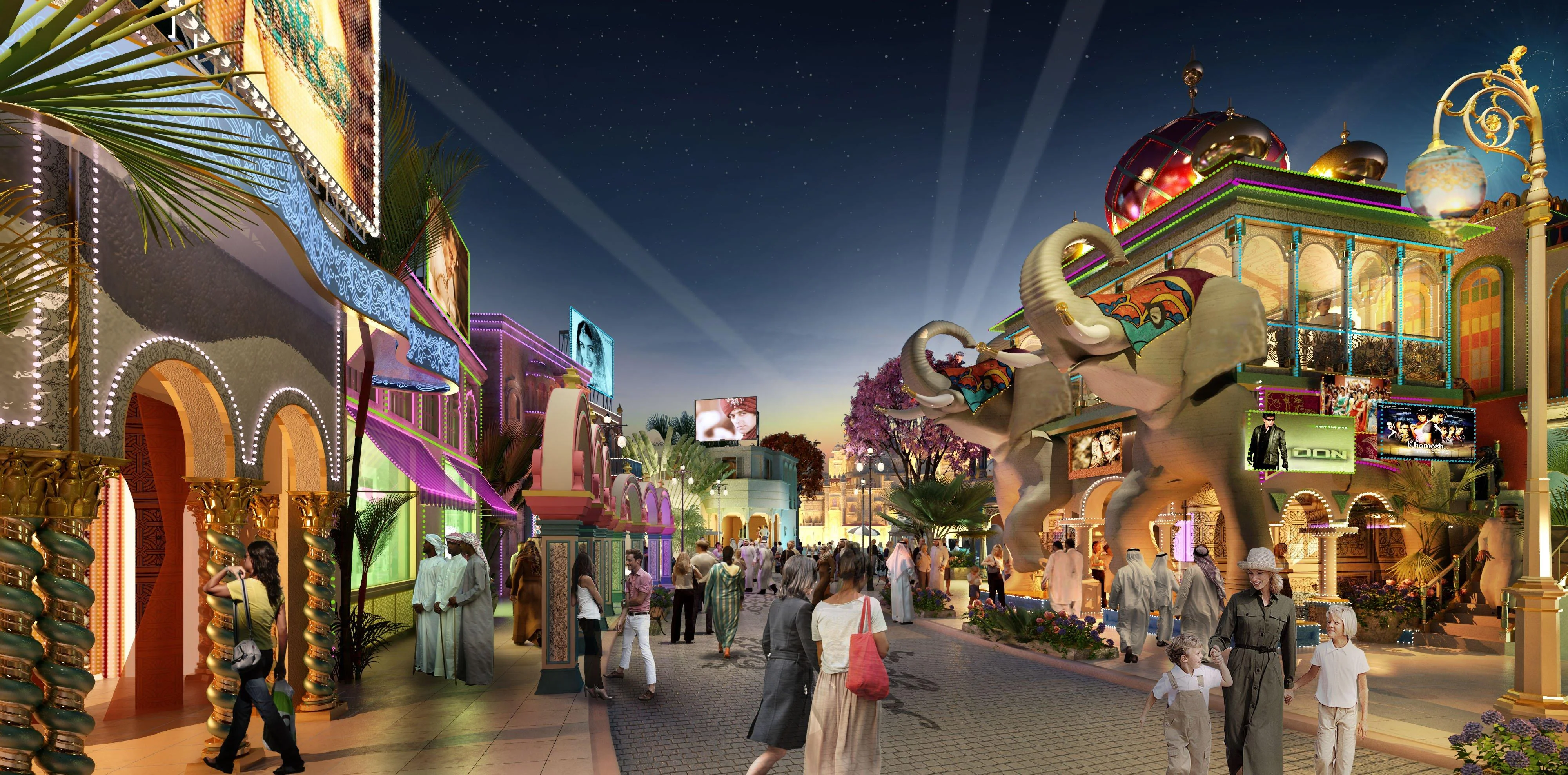
A seasonal multicultural attraction showcasing food, crafts, shopping, and performances from around the world.

Bluewaters Island

Bluewaters Island

A vibrant waterfront destination with restaurants, entertainment, and stunning views of the coastline.

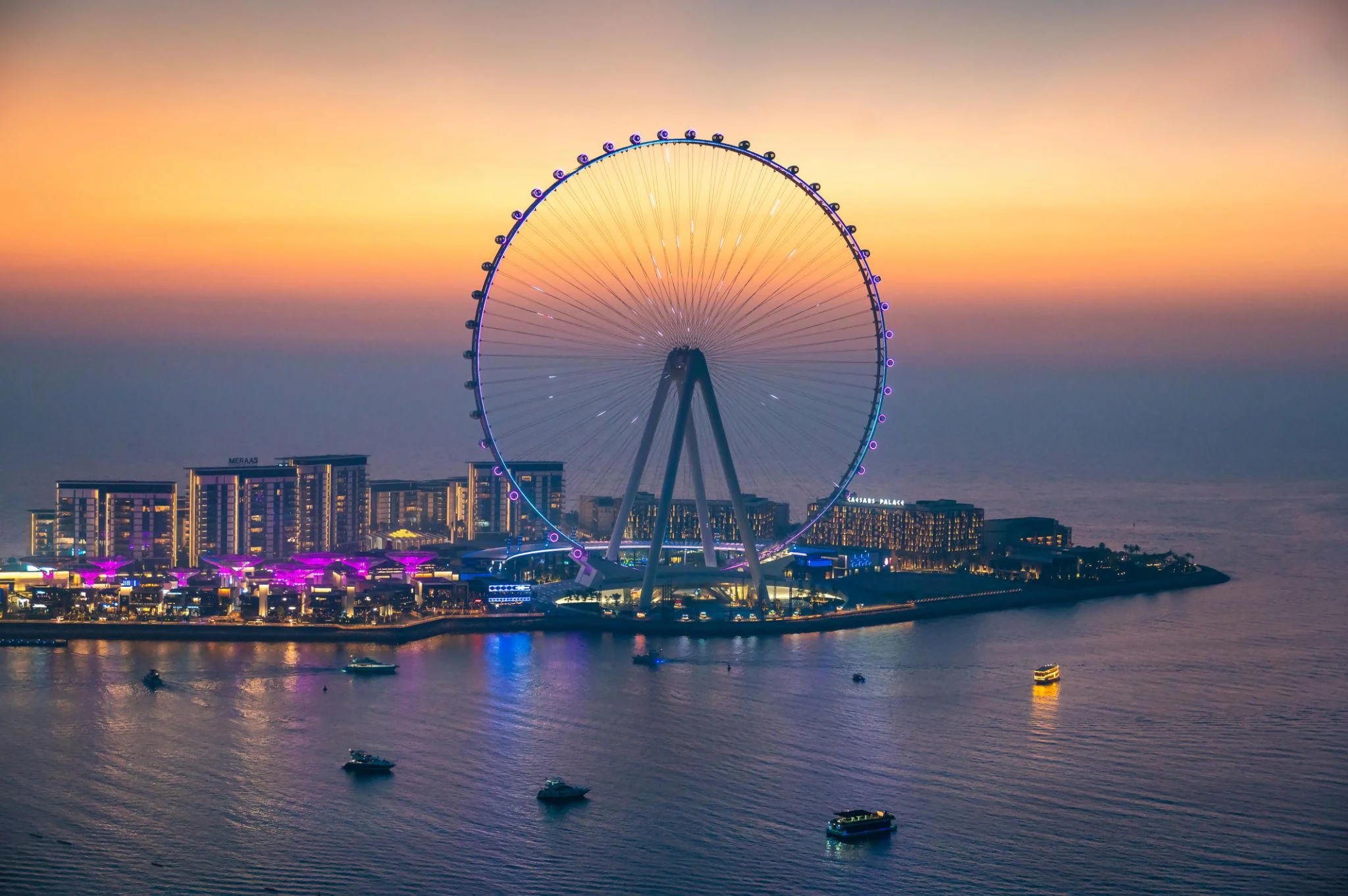
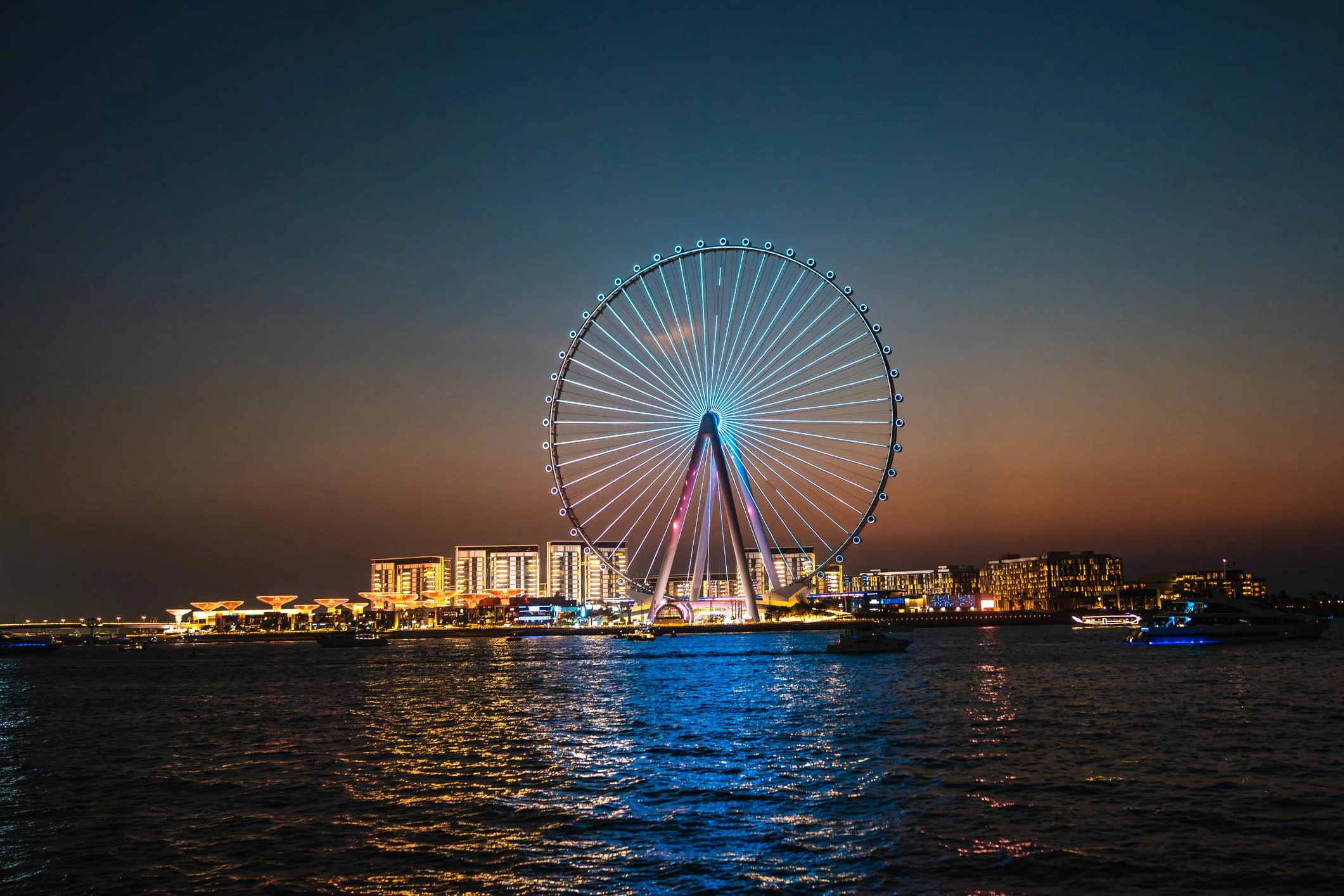
Ain Dubai

Ain Dubai

The world's tallest observation wheel, offering panoramic views of Dubai Marina and Palm Jumeirah.

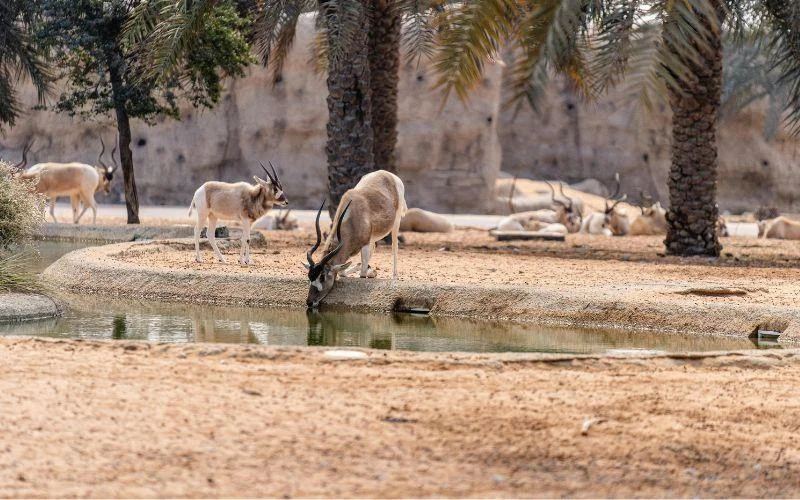
Dubai Desert Conservation Reserve

Dubai Desert Conservation Reserve

A protected desert reserve where visitors can experience wildlife, camel rides, falconry, and Bedouin traditions.

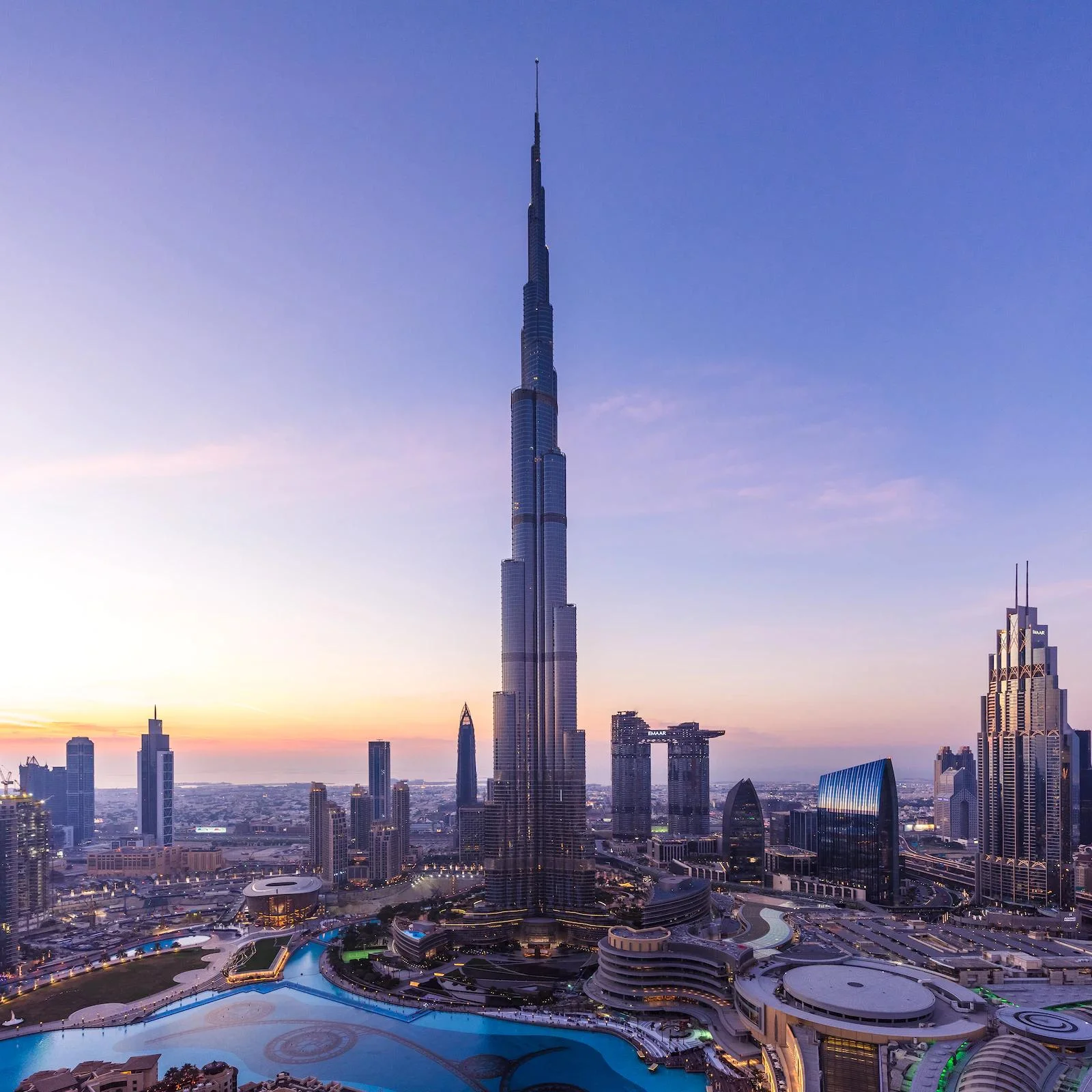
Burj Khalifa

Burj Khalifa

The world's tallest building (828 m), offering breathtaking views of the city, desert, and Arabian Gulf.

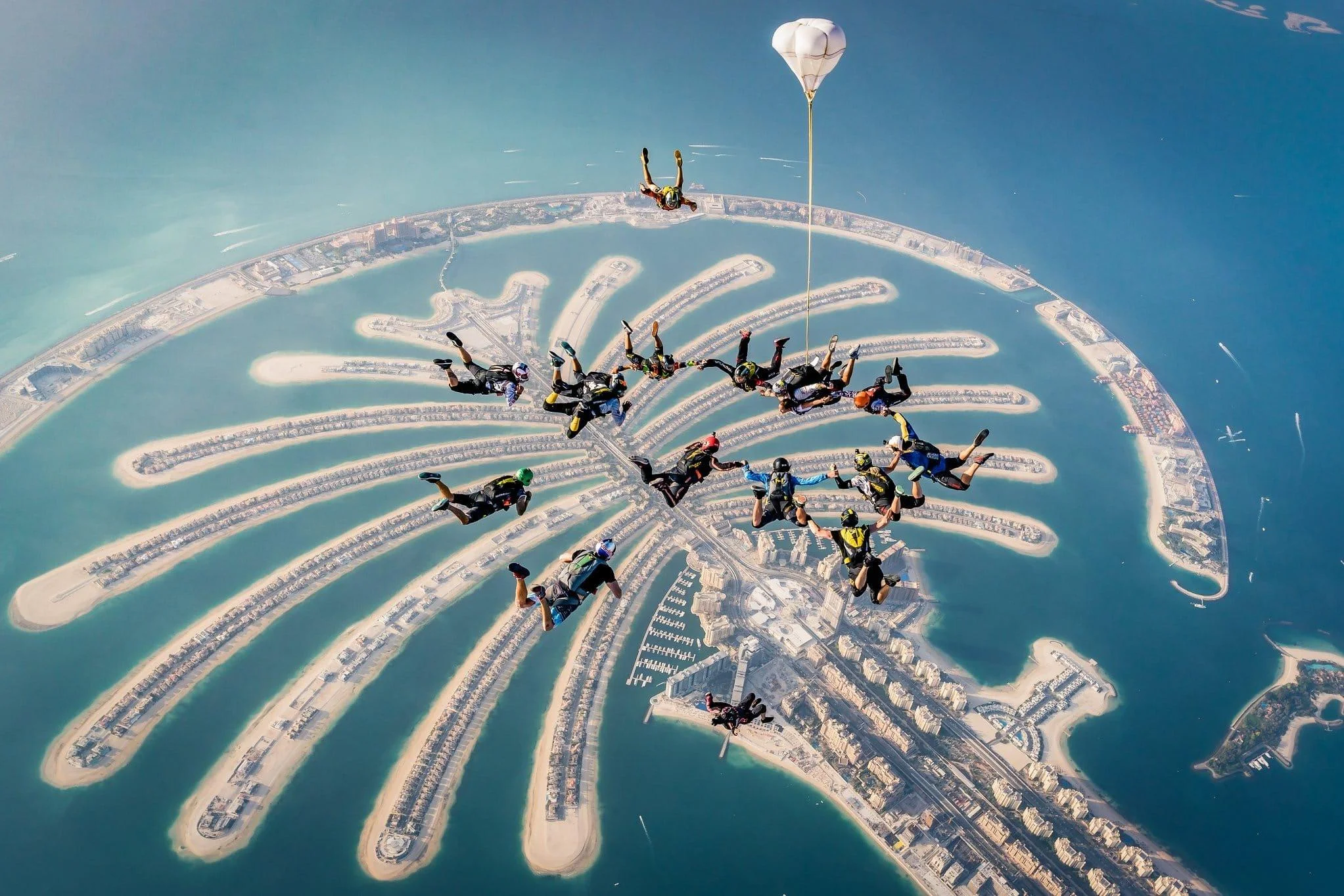
Skydive Dubai

Skydive Dubai

One of the world's most famous skydiving destinations, offering unforgettable tandem jumps with spectacular views of Palm Jumeirah and the Dubai coastline.

Aquaventure Waterpark

Aquaventure Waterpark

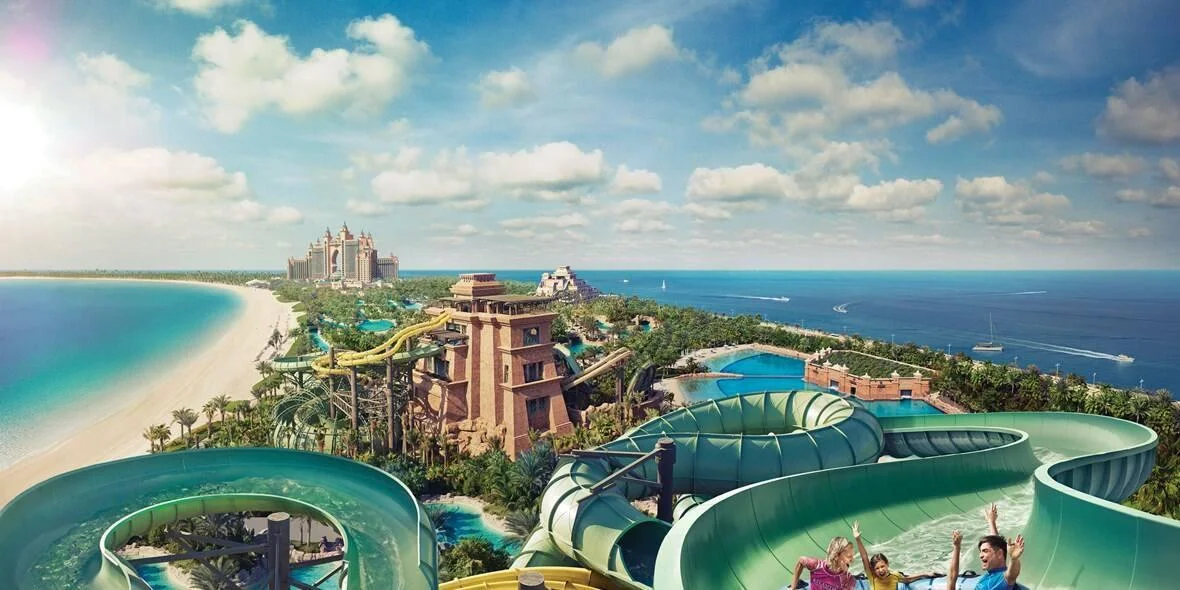
Located at Atlantis The Palm, this award-winning water park features record-breaking slides, river rapids, private beaches, and marine experiences.

Ski Dubai

Ski Dubai

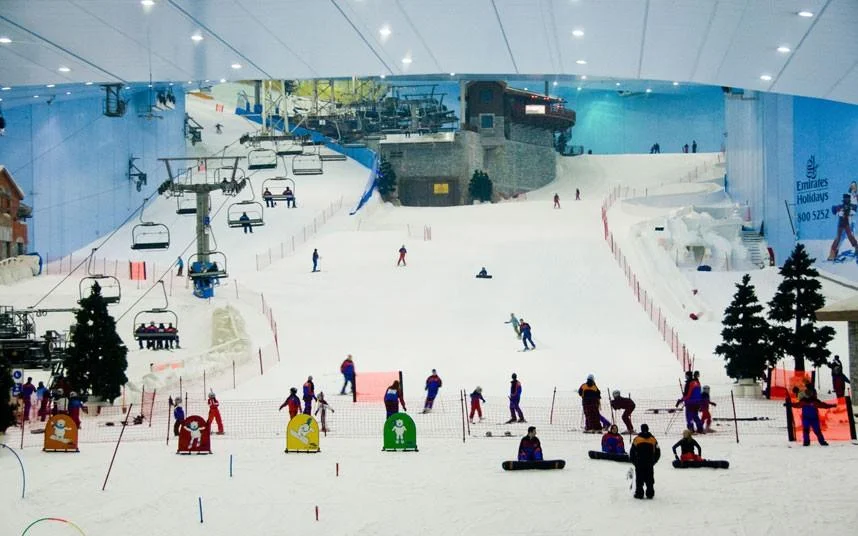
A unique indoor ski resort where visitors can ski, snowboard, enjoy snow activities, and meet penguins in the heart of the desert.

Dubai Parks and Resorts

Dubai Parks and Resorts

The Middle East's largest integrated theme park destination, home to MOTIONGATE™, LEGOLAND®, LEGOLAND Water Park, and Real Madrid World.

Al Shindagha Museum

Al Shindagha Museum

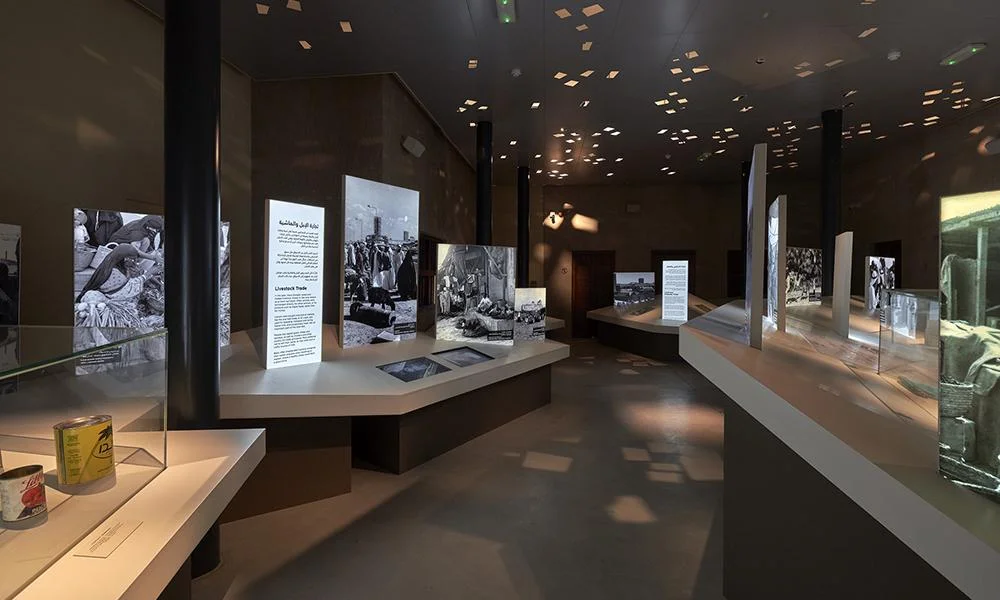
The UAE's largest heritage museum, showcasing Dubai's journey from a fishing and pearl-diving settlement to a modern global city.

Deep Dive Dubai

Deep Dive Dubai

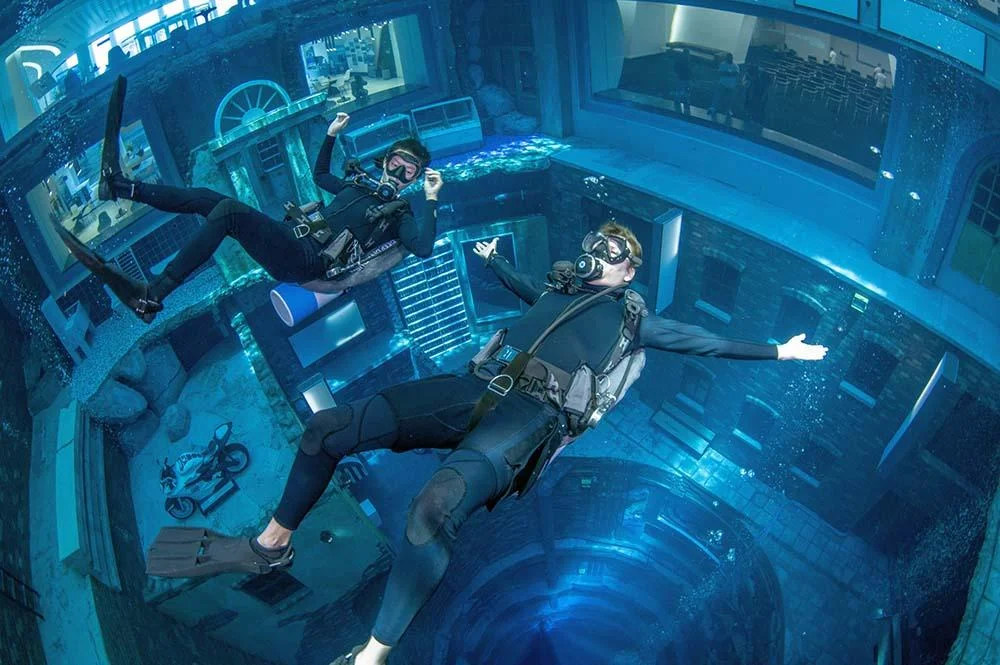
Home to the world's deepest swimming pool, reaching 60 meters. The facility features an underwater city designed for scuba diving and exploration.

Special Experiences
titleDecore bar

The United Arab Emirates offers far more than modern skylines and luxury shopping. Beneath its contemporary image lies a rich heritage shaped by Bedouin traditions, maritime trade, Islamic culture, and remarkable desert landscapes. From ancient oases and mountain adventures to world-class festivals and futuristic attractions, the UAE provides a unique blend of tradition and innovation, making it one of the most diverse travel destinations in the Middle East.

The UAE's cultural life is shaped by Bedouin traditions, Islamic heritage, maritime history, and a modern multicultural society. Throughout the year, festivals and celebrations bring together locals and residents from around the world.

Dates vary (Islamic calendar)

Eid al-Fitr & Eid al-Adha

The most important religious celebrations in the UAE, marked by family gatherings, traditional meals, charity, fireworks, and cultural events across the country.

Eid al-Fitr & Eid al-Adha

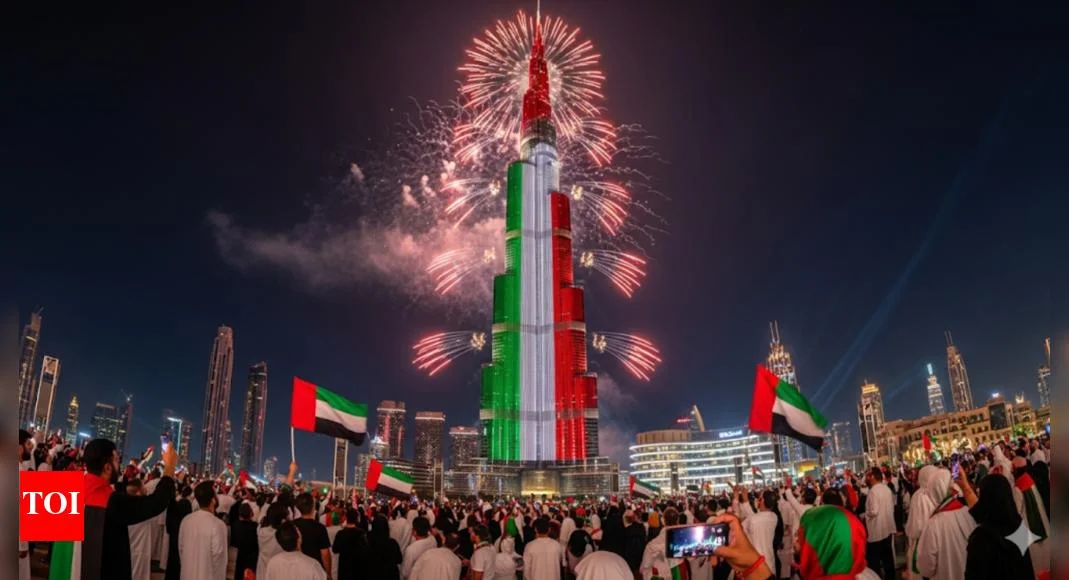
December 2

UAE National Day

Celebrating the formation of the UAE in 1971, the country comes alive with parades, concerts, fireworks, heritage displays, and patriotic festivities.

UAE National Day

Varies annually

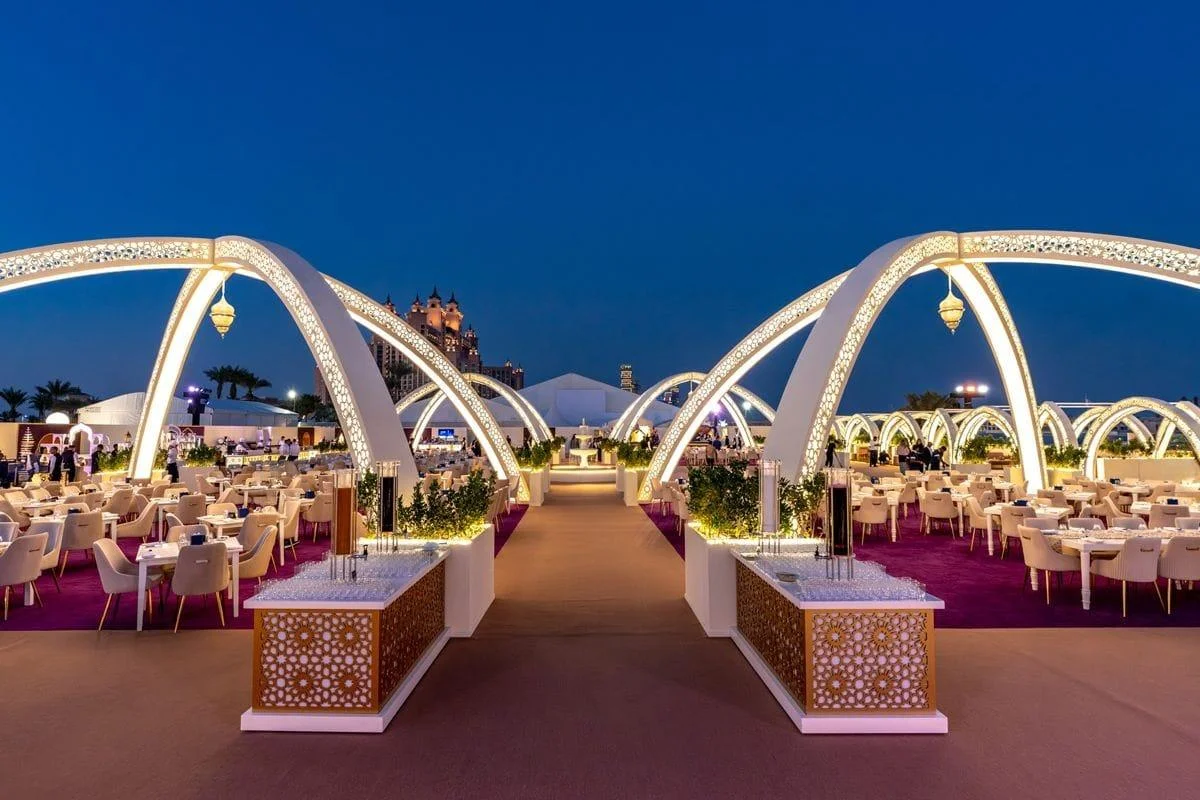
Ramadan & Ramadan Nights

Experience traditional iftar meals, Ramadan tents, cultural events, night markets, and the unique atmosphere that transforms daily life throughout the country.

Ramadan & Ramadan Nights

December–January

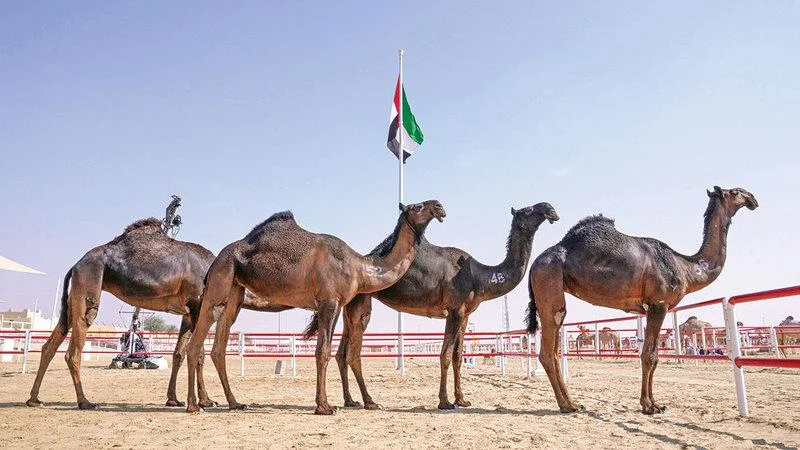
Al Dhafra Festival – Abu Dhabi

A celebration of Bedouin culture featuring camel beauty contests, falconry, handicrafts, poetry, and traditional Emirati heritage.

Al Dhafra Festival – Abu Dhabi

October–May

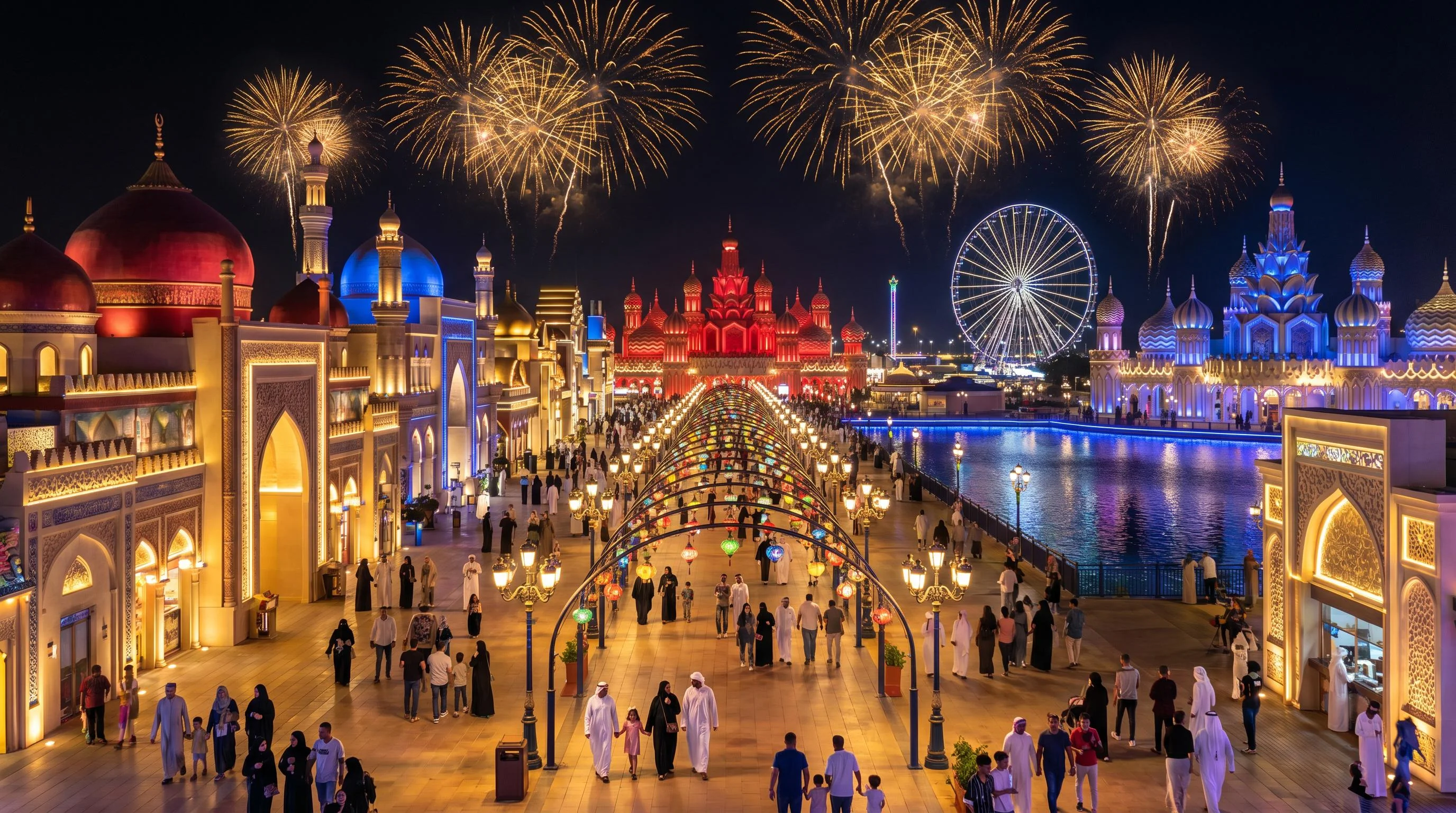
Global Village – Dubai

A unique cultural destination where visitors can explore international pavilions, enjoy global cuisine, watch live performances, and experience traditions from around the world in one place. It reflects the UAE's multicultural spirit and global connections.

Global Village – Dubai
Shopping
titleDecore bar

Shopping in the UAE combines tradition, luxury, innovation, and global influence. From world-famous shopping malls and luxury boutiques to traditional souks and locally inspired products, the UAE has become one of the world's leading retail destinations. Shopping is not only a leisure activity but also an important part of the country's tourism and lifestyle culture.

Well-Known Brands

The UAE has become one of the world's most important aviation and travel hubs, connecting East and West through its strategic location. Its airlines and airports have transformed the country into a global gateway for tourism, business, and international trade, welcoming millions of travelers each year.

Emirates
Emirates

Founded in 1985, Emirates is one of the world's leading airlines and has

Etihad Airways
Etihad Airways

Abu Dhabi's national airline, serving destinations across six continents.

Air Arabia
Air Arabia

The Middle East's first low-cost airline, founded in 2003

Local Goods & Retail

UAE souvenirs often reflect the country's desert heritage, maritime traditions, Arabian craftsmanship, and hospitality culture.

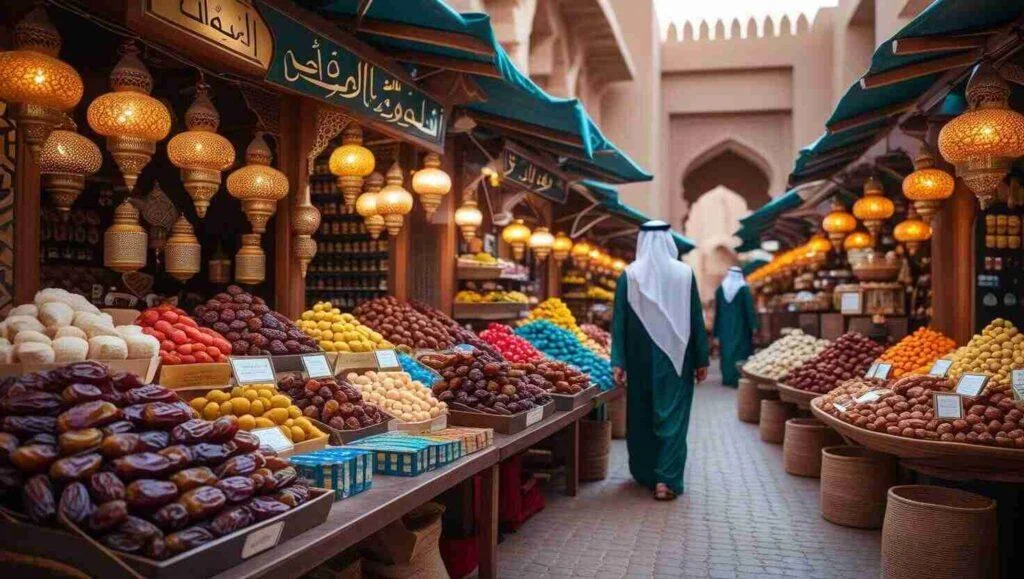
Dates
Dates

The UAE produces some of the finest dates in the world. Premium date varieties are among the country's most popular gifts and souvenirs.

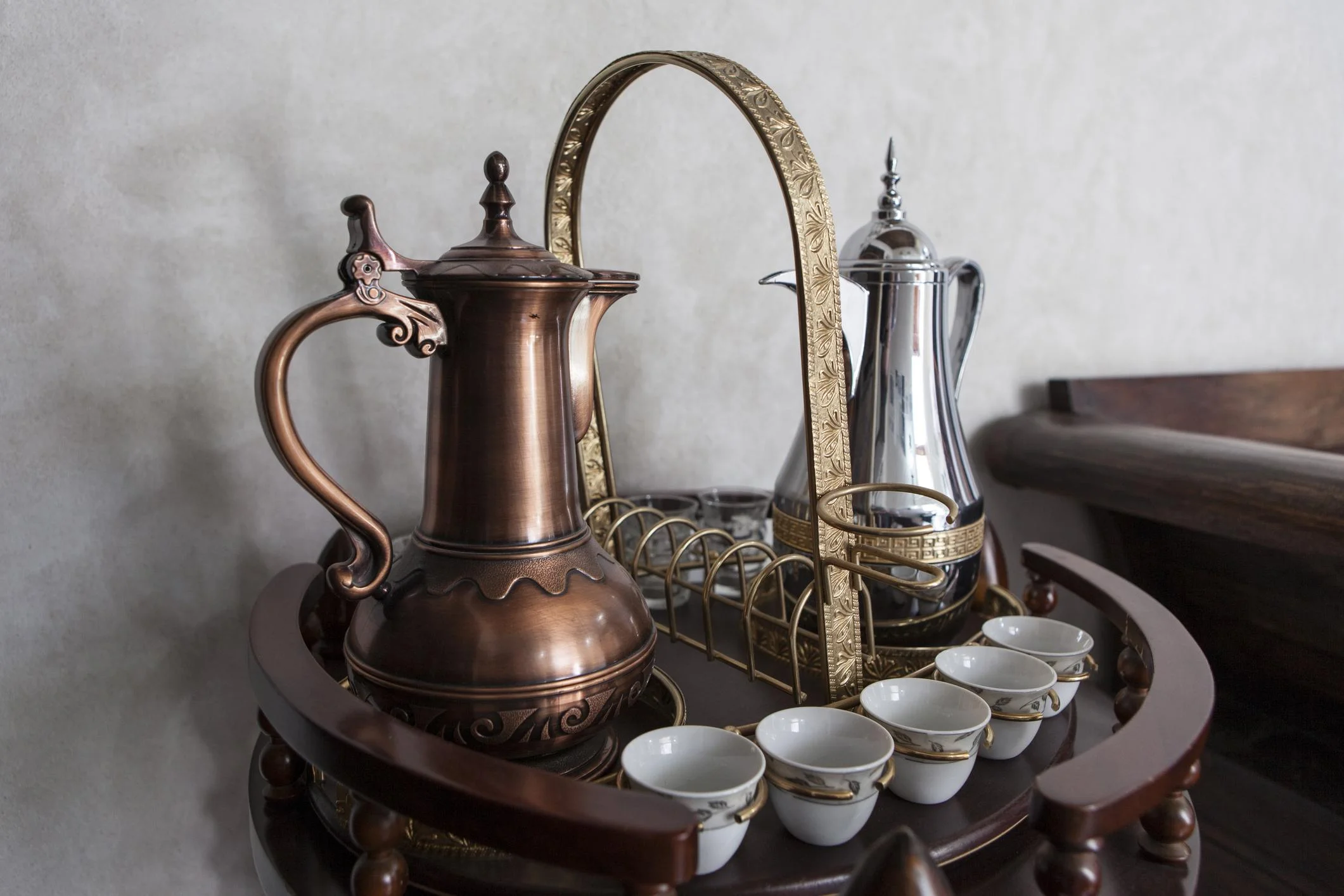
Arabic Coffee Sets (Dallah)

Traditional coffee pots and serving cups represent Emirati hospitality and cultural heritage.

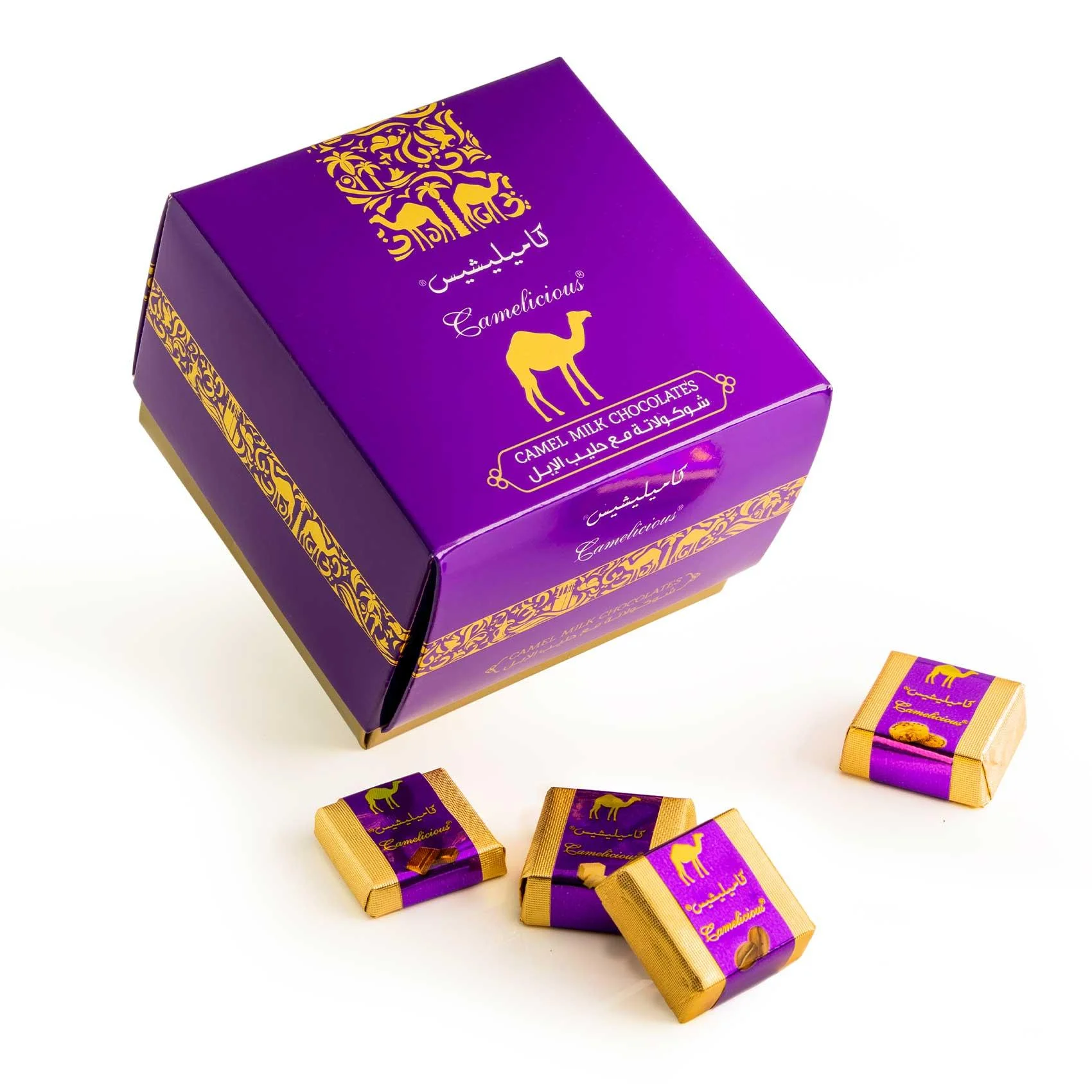
Camel Milk Chocolate

A uniquely Emirati specialty combining local camel milk with premium chocolate.

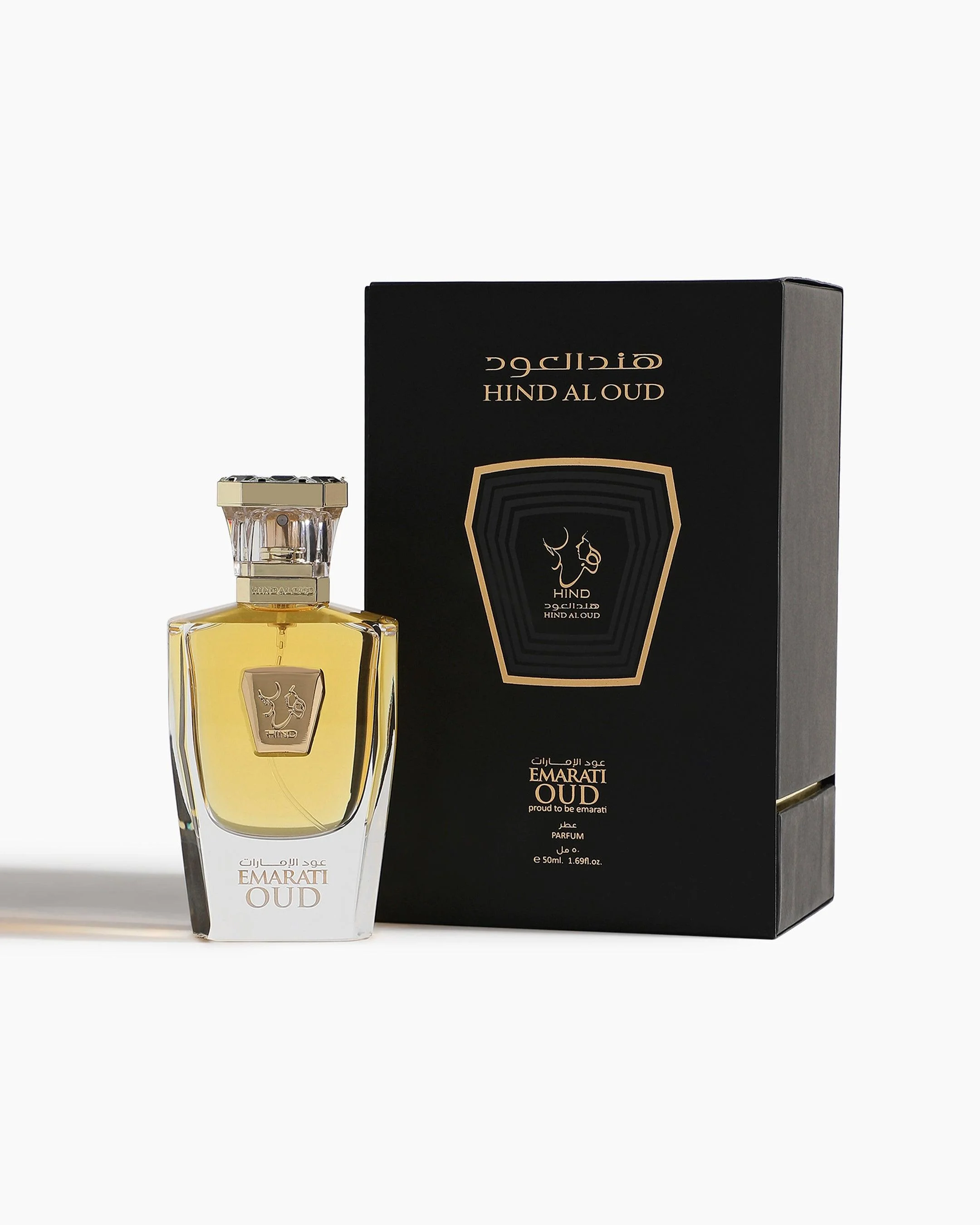
Oud & Bakhoor
Oud & Bakhoor

Traditional Arabian fragrances and incense remain among the most sought-after cultural gifts.

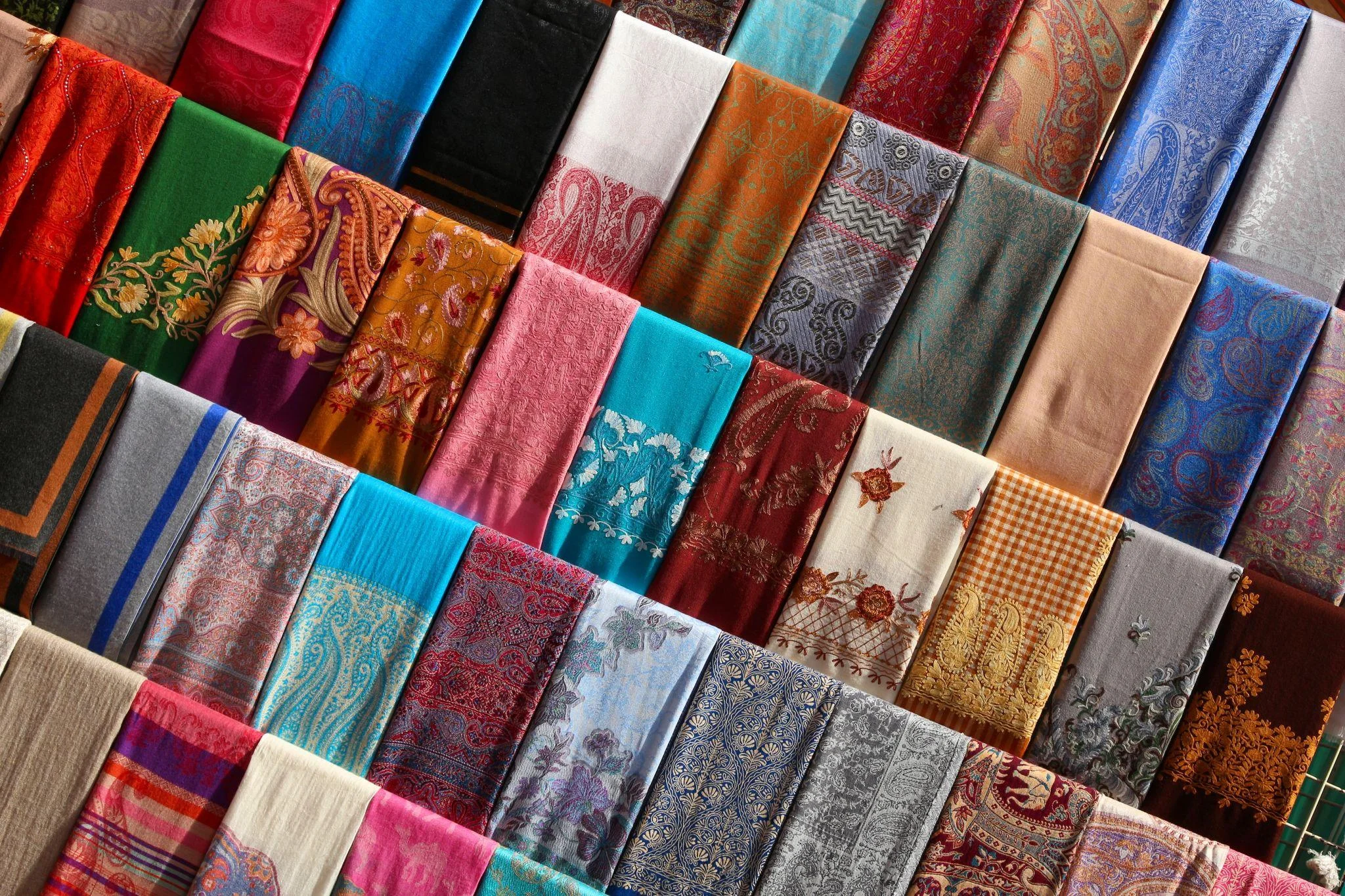
Pashmina & Traditional Textiles

Elegant scarves, shawls, and embroidered fabrics inspired by regional traditions.

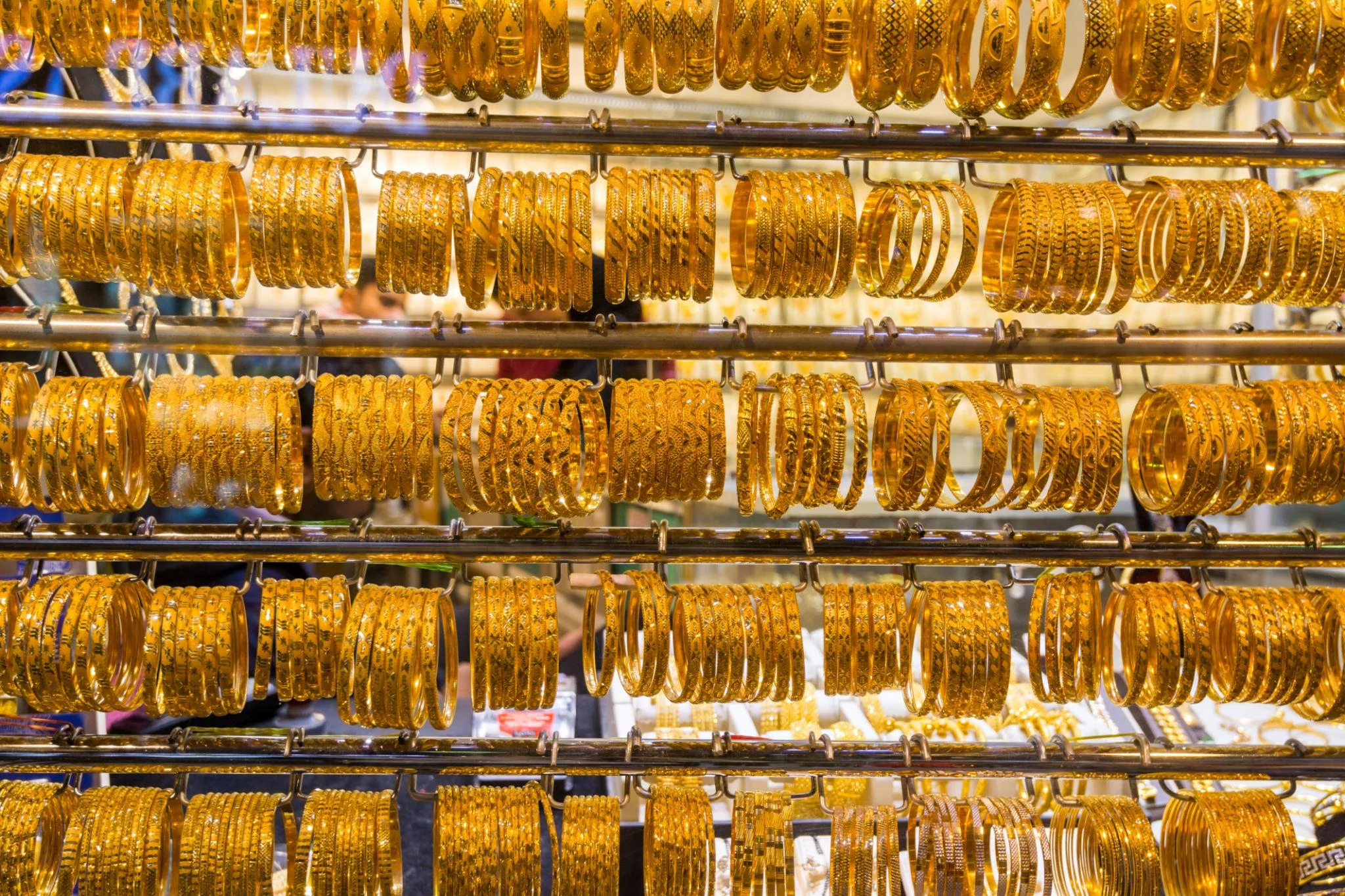
Gold Jewelry
Gold Jewelry

Dubai is known as the "City of Gold" and offers a wide selection of jewelry designs and craftsmanship.

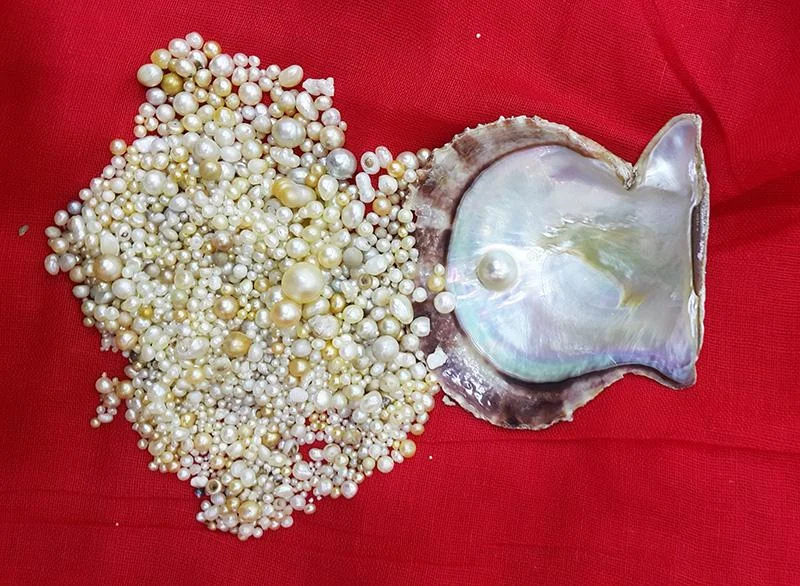
Pearls
Pearls

Before the discovery of oil, pearl diving was one of the UAE's most important industries. Pearls remain a meaningful souvenir linked to the country's history.

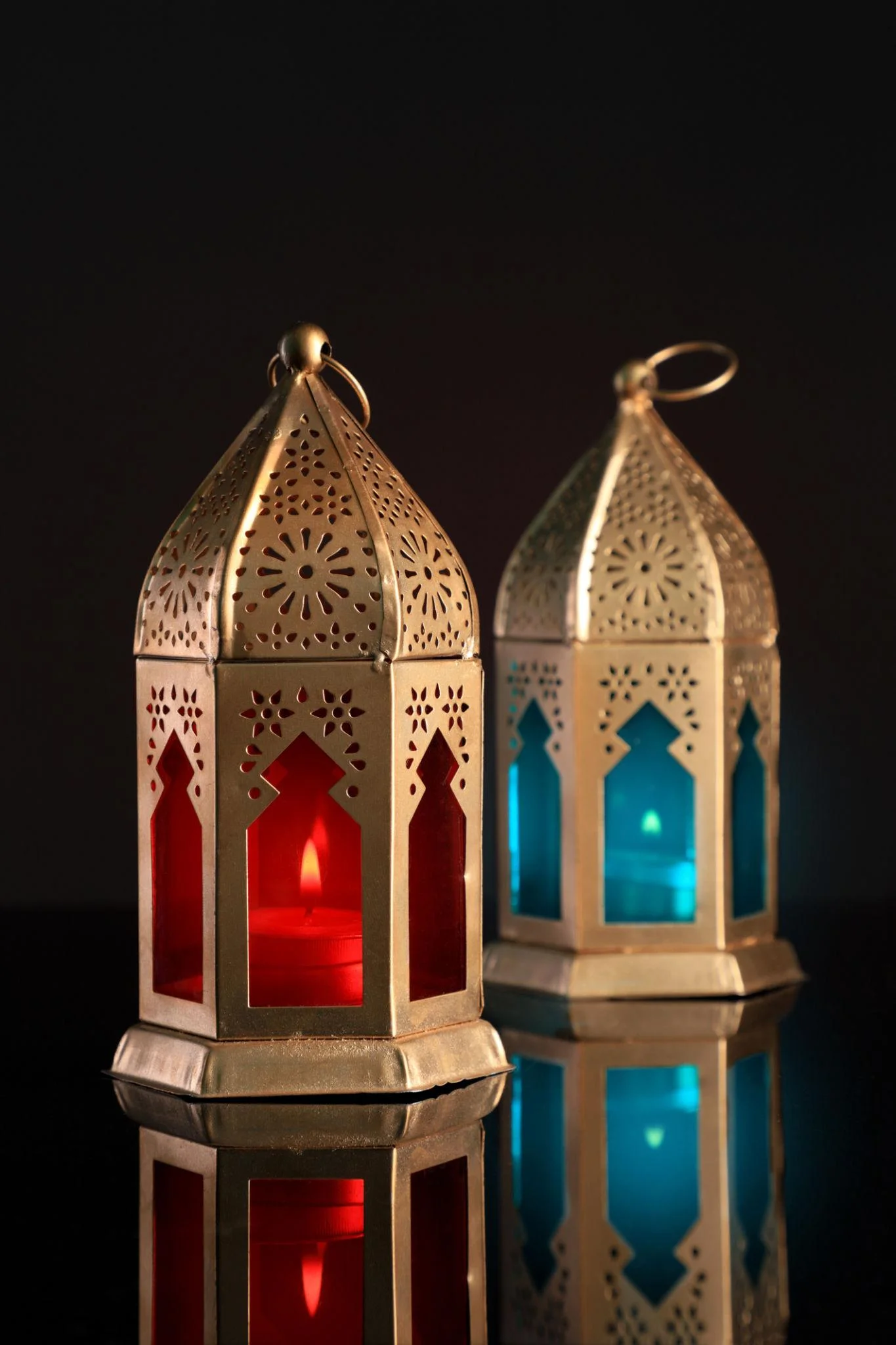
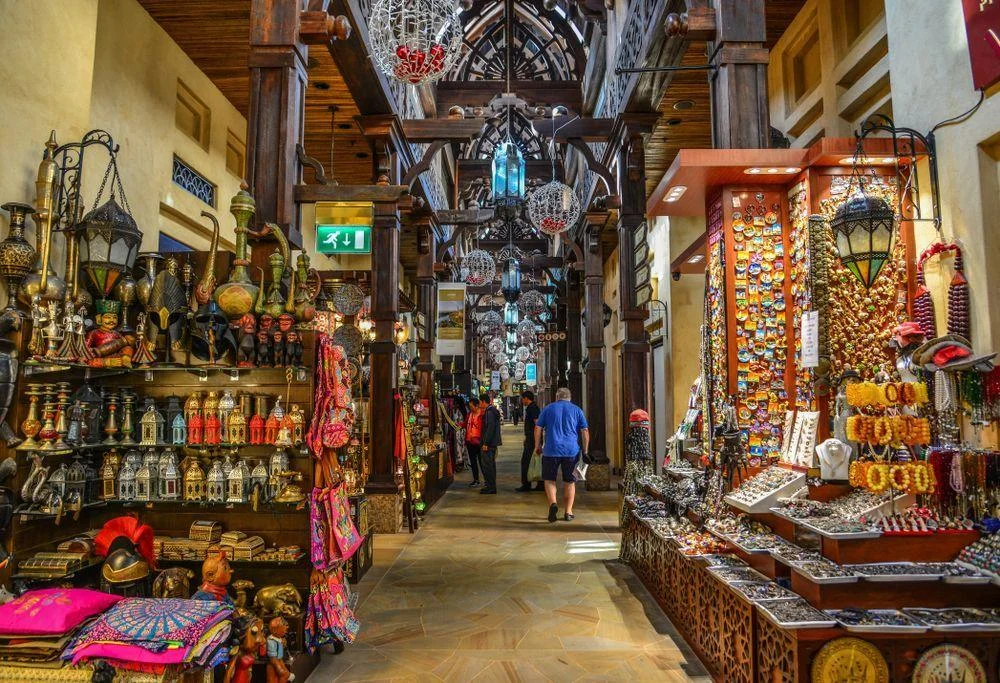
Arabian Lanterns & Handicrafts

Decorative lanterns, pottery, and handcrafted items inspired by Islamic and Arabian design.

Local Spices
Local Spices

Saffron, cardamom, dried lemons, and traditional spice blends are popular gifts for food lovers.

The UAE is home to some of the world's most impressive shopping destinations.

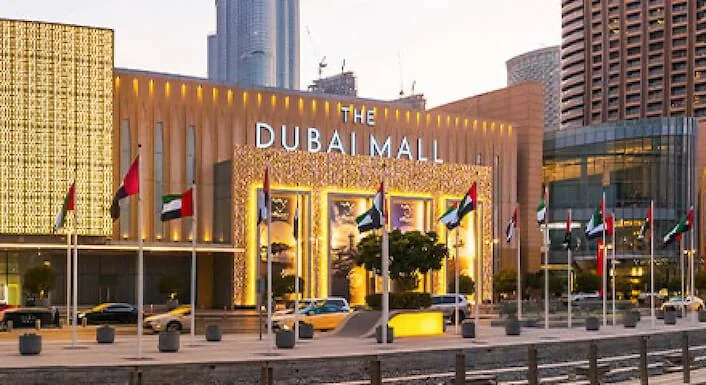
Dubai Mall
Dubai Mall

One of the world's largest shopping malls, featuring luxury brands, entertainment attractions, and hundreds of dining options

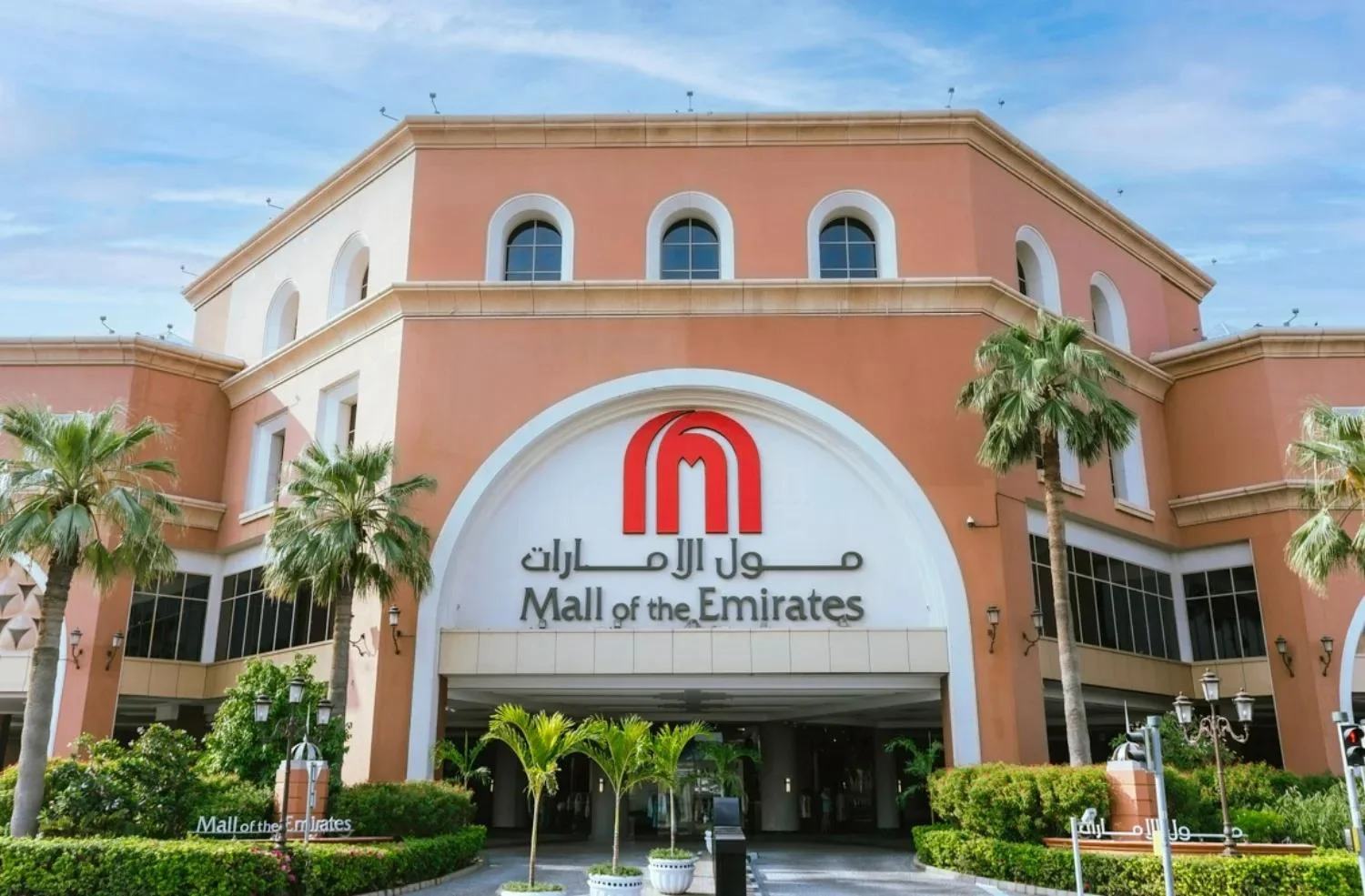
Mall of the Emirates

Famous for luxury shopping and indoor attractions including Ski Dubai.

Dubai Hills Mall
Dubai Hills Mall

A modern shopping and entertainment destination featuring international brands and family attractions.

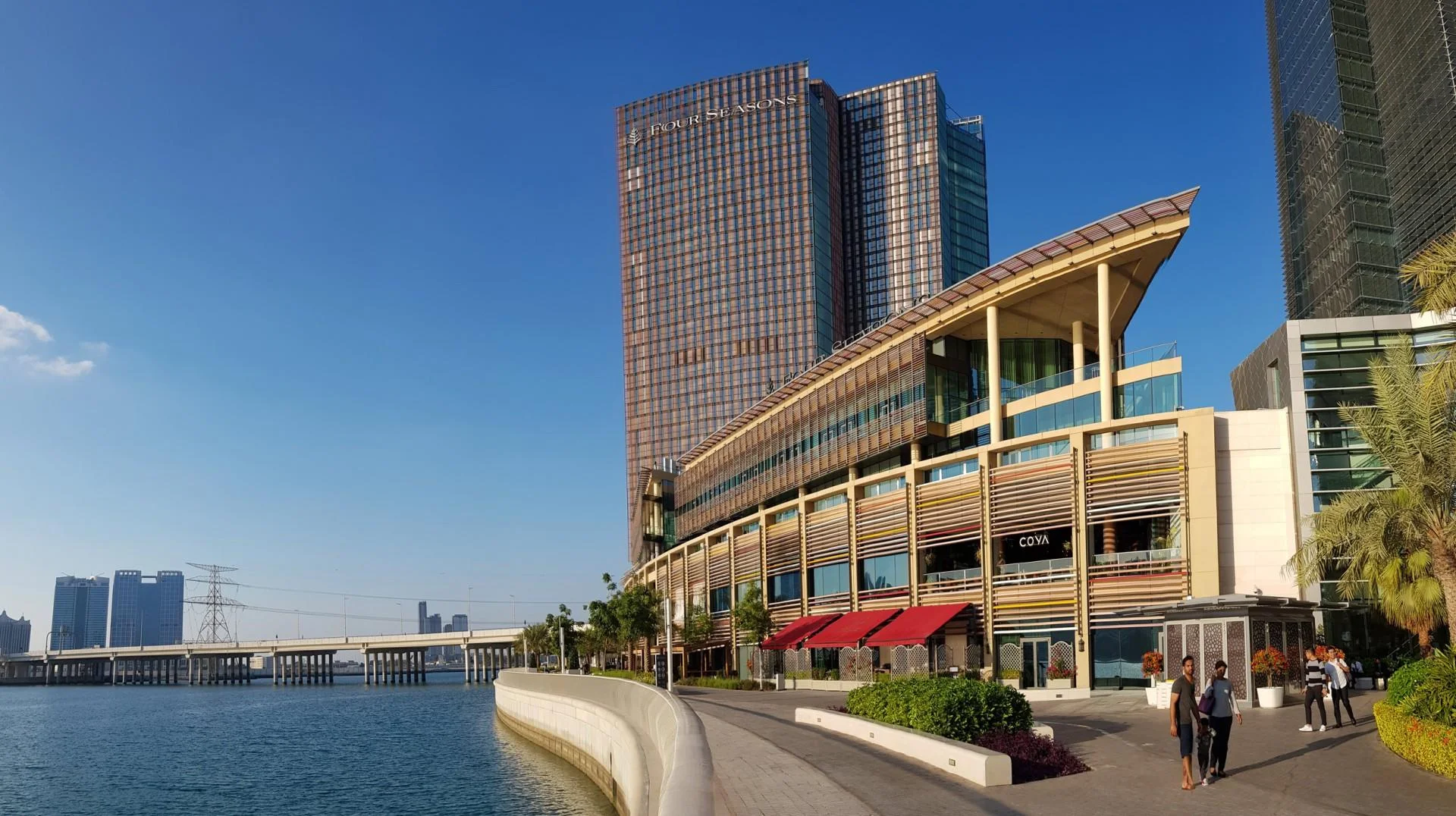
The Galleria Al Maryah Island

Known for luxury retail, waterfront dining, and premium shopping experiences.

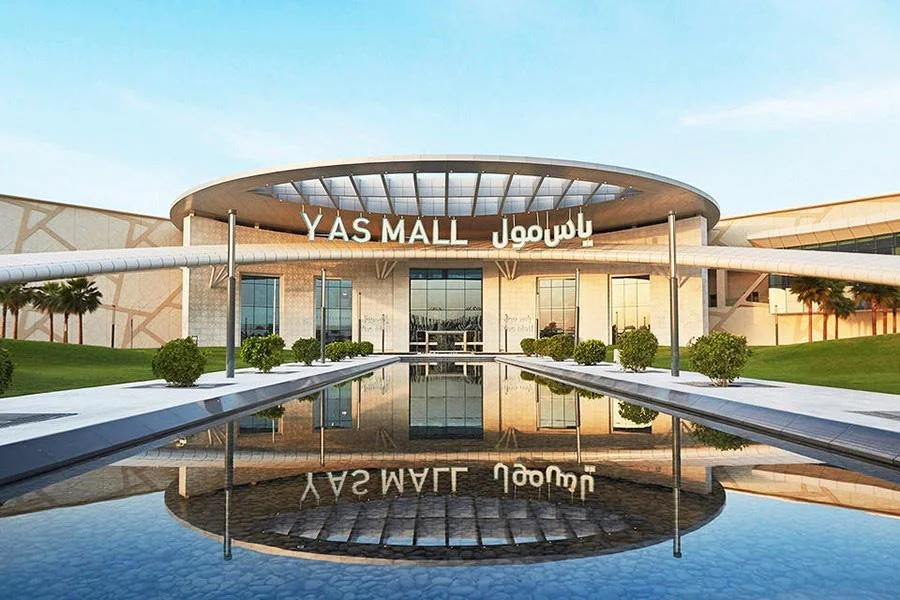
Yas Mall
Yas Mall

Abu Dhabi's largest shopping destination, located near major attractions on Yas Island.

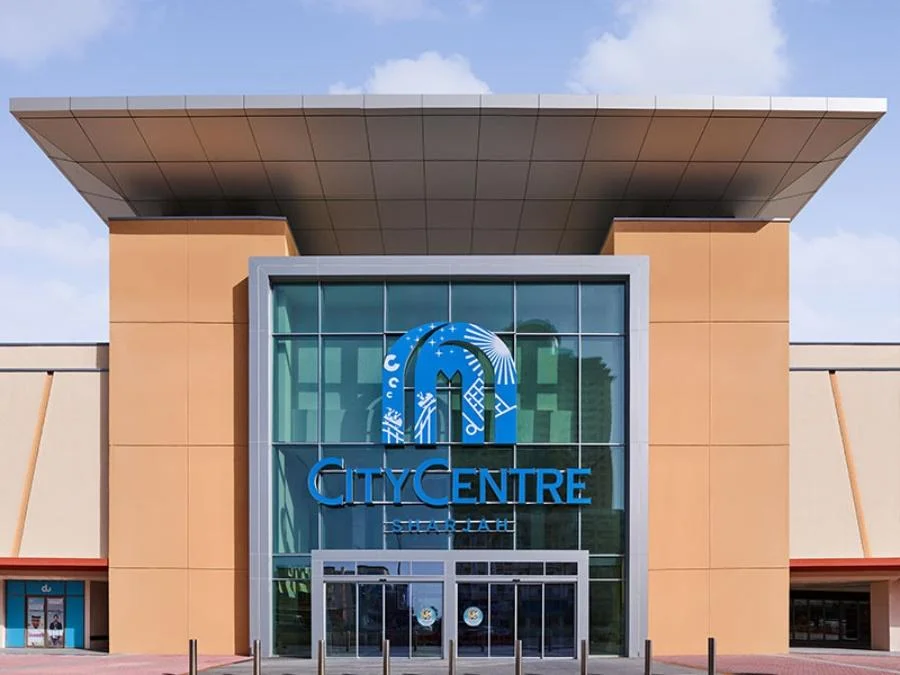
City Centre Malls
City Centre Malls

Operated by Majid Al Futtaim, City Centre malls are popular family-friendly shopping destinations located across the UAE, including City Centre Deira, City Centre Mirdif, and City Centre Sharjah.

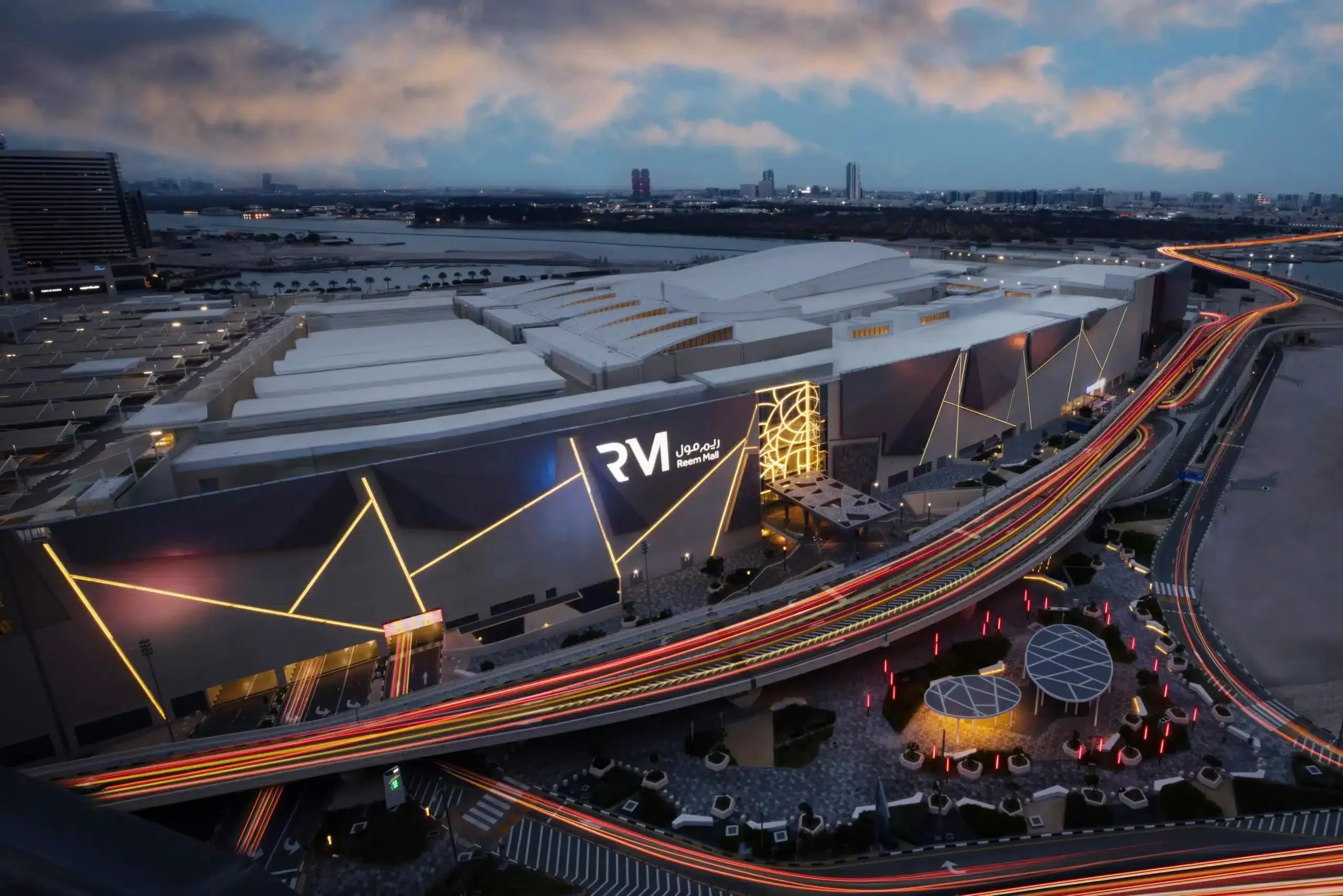
Reem Mall
Reem Mall

One of Abu Dhabi's newest mega malls, featuring international brands, entertainment venues, and the region's largest indoor snow park.

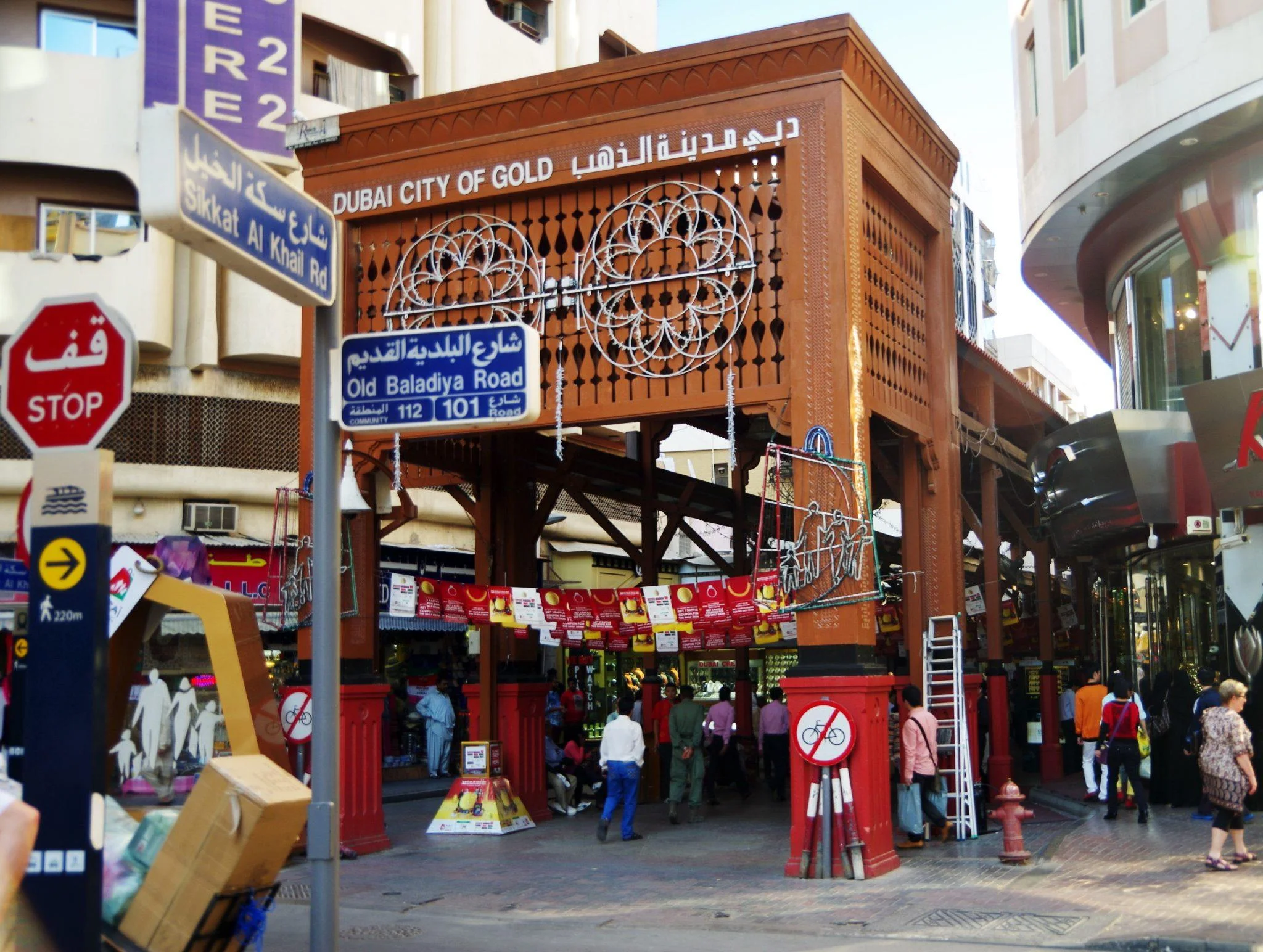
Gold Souk
Gold Souk

Dubai

One of the world’s most famous gold markets, known for gold jewellery, traditional designs, and competitive prices.

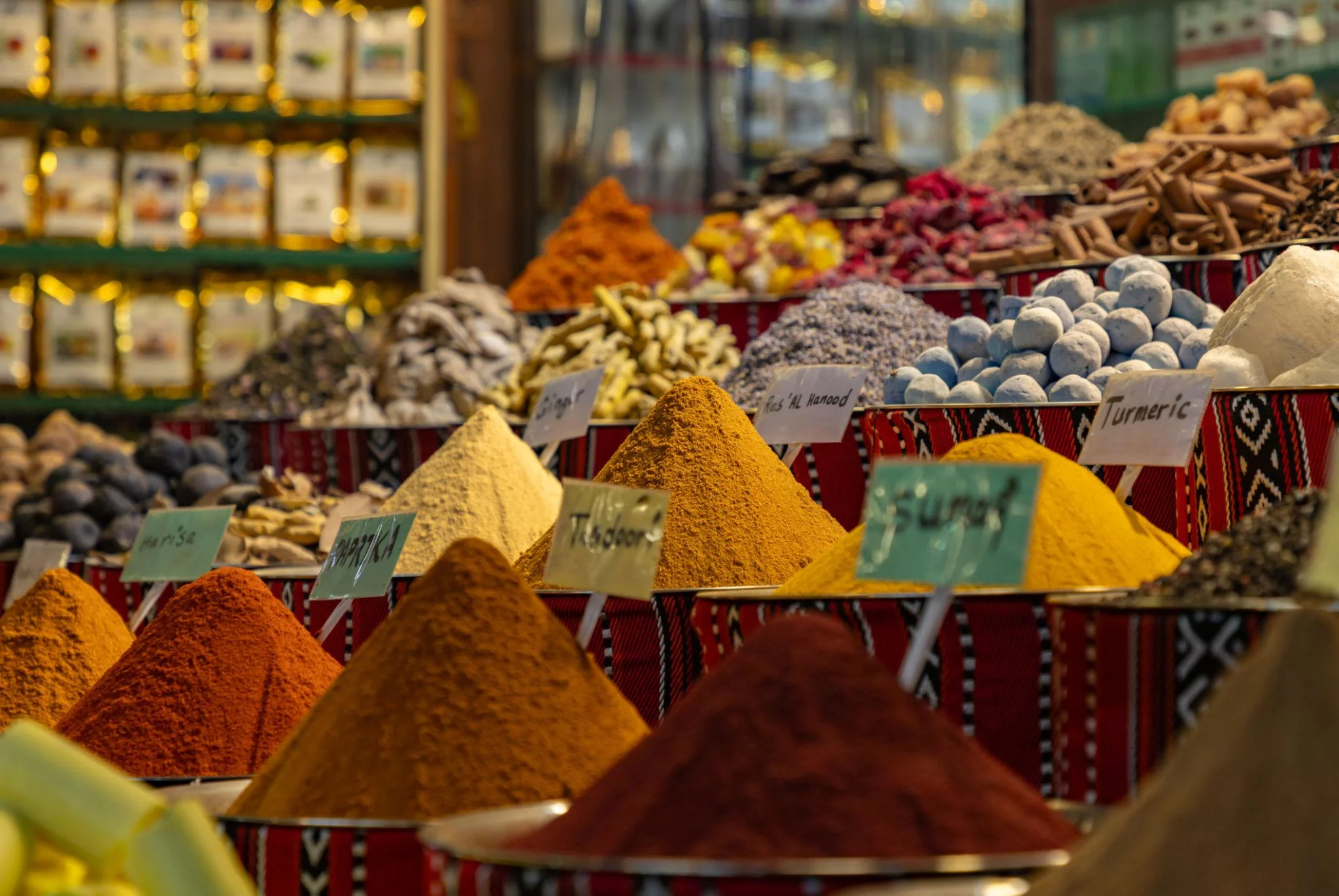
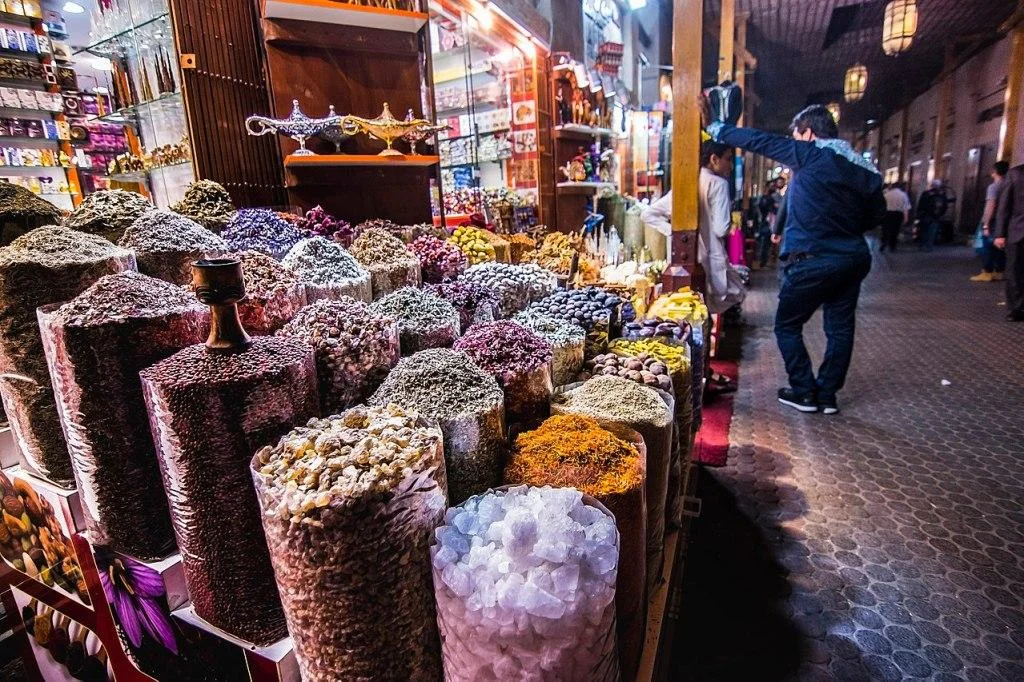
Spice Souk
Spice Souk

Dubai

A historic market selling spices, herbs, dried fruits, perfumes, and traditional ingredients.

Souq Al Zafarana
Souq Al Zafarana

Abu Dhabi (Al Ain)

A traditional Emirati market offering local products, dates, spices, perfumes, and handicrafts.

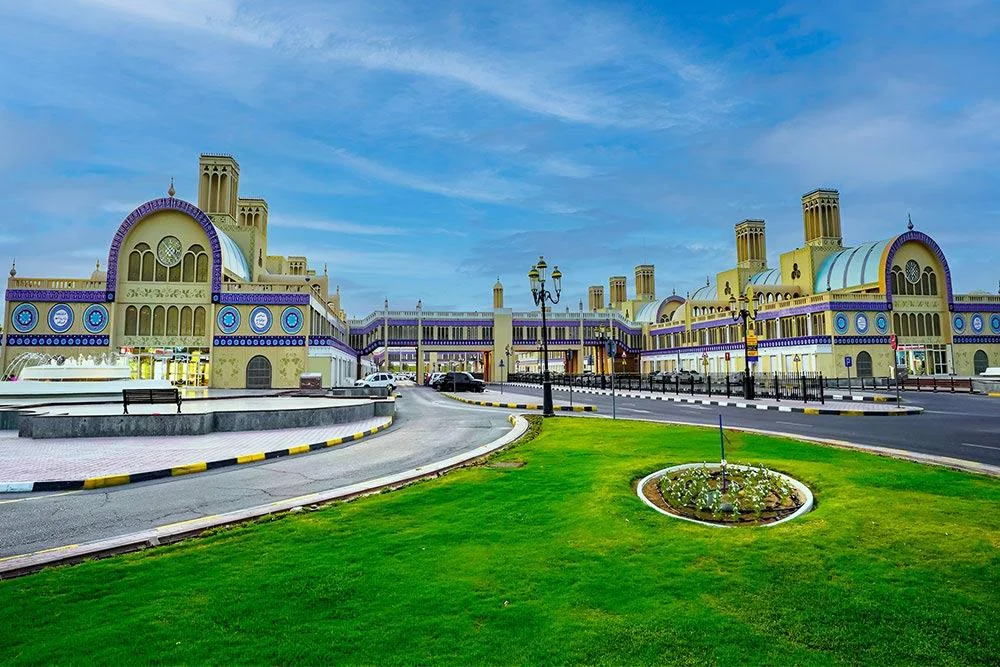
Central Souq
Central Souq

Sharjah

A historic shopping landmark featuring carpets, jewellery, handicrafts, and traditional gifts.

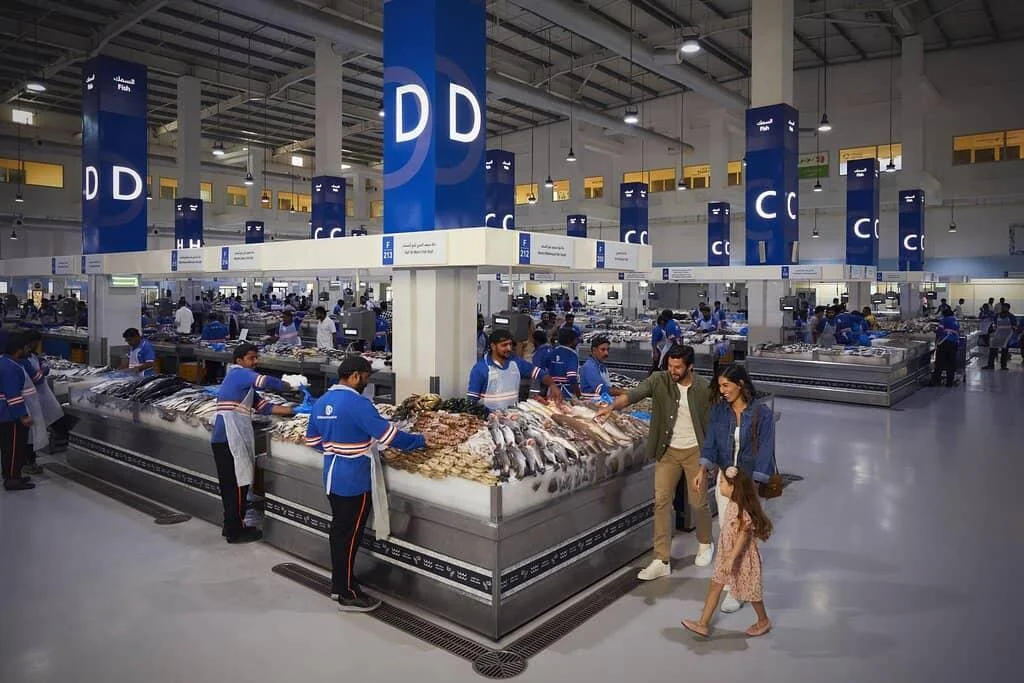
Deira Waterfront Market

Dubai

A modern version of traditional markets, famous for fresh fish, seafood, meat, and local produce.

For daily shopping and affordable souvenirs:

Carrefour UAE

One of the country's largest supermarket chains.

Lulu Hypermarket

Popular for groceries, household products, and local specialties.

Union Coop

Known for quality local products and competitive prices.

Spinneys

A well-established supermarket chain offering local and international products.

Waitrose UAE

Known for premium groceries and imported products.

Getting Around & Accommodation
titleDecore bar

A seasonal breakdown of the UAE to help you choose the best weather, outdoor activities, and cultural experiences.

When to Visit

A seasonal breakdown of United Arab Emirates to help you choose the best climate and event experiences.

Winter

November to March

The most popular time to visit the UAE. Temperatures are pleasant, making it ideal for sightseeing, outdoor activities, beaches, and desert adventures.

WEATHER PROFILE

Comfortable and sunny — 18–30°C.

SEASONAL HIGHLIGHTS

• Outdoor dining and festivals.

• Desert safaris and camping.

• Beach activities and water sports.

• National Day celebrations and major events.

Spring

April to May

Temperatures begin to rise, but conditions remain suitable for sightseeing and outdoor activities.

WEATHER PROFILE

Warm — 25–38°C.

SEASONAL HIGHLIGHTS

• Fewer crowds than winter.

• Good beach weather.

• Outdoor attractions remain enjoyable.

• Seasonal events and exhibitions.

Summer

June to September

The hottest season. Outdoor activities are limited during the day, but the UAE's malls, attractions, and hotels offer extensive indoor entertainment.

WEATHER PROFILE

Very hot and humid — 35–45°C+.

SEASONAL HIGHLIGHTS

• Hotel promotions and lower accommodation rates.

• Indoor attractions and shopping festivals.

• Water parks and family entertainment.

• Fewer tourists at major sites.

Autumn

October to November

A transition period as temperatures become more comfortable and outdoor activities return.

WEATHER PROFILE

Warm and comfortable — 25–35°C.

SEASONAL HIGHLIGHTS

• Start of the tourism season.

• Outdoor events and festivals.

• Pleasant evenings.

• Ideal for city exploration.

The UAE has one of the Middle East's most modern and well-maintained road networks. Highways connect all seven emirates, making travel between major cities fast and convenient. Driving is the most popular way to explore the country.

Best for:

Comfortable, efficient, and ideal for independent travel.

KEY CONNECTIONS

Car

• Modern highways connect Dubai, Abu Dhabi, Sharjah, Ajman, Ras Al Khaimah, Fujairah, and Umm Al Quwain. • Road signs are in both Arabic and English. • Fuel prices are relatively affordable by international standards. • Rental cars are widely available at airports and city centres. • Salik toll gates operate on selected roads in Dubai.

The UAE is one of the world's leading aviation hubs, connecting Europe, Asia, Africa, and Oceania through its strategically located airports.

Best for:

International travel and global connectivity.

MAJOR CARRIERS

Plane

• Dubai and Abu Dhabi serve as major international gateways. • Frequent connections to hundreds of destinations worldwide. • Modern airports offer excellent transit facilities and services.

Emirates

Dubai-based global airline serving destinations across six continents.

Etihad Airways

Abu Dhabi's national airline, connecting the UAE with major international destinations.

flydubai

Regional and international carrier linking Dubai to the Middle East, Africa, Europe, and Asia.

Air Arabia

The Middle East's first low-cost airline, based in Sharjah.

The UAE's airports are among the busiest and most advanced in the world, offering efficient immigration, modern facilities, and excellent transport connections.

Best for:

First arrivals, international connections, and transit travel.

MAJOR AIRPORTS

Airport

• Taxis, ride-hailing apps, buses, and metro services are widely available. • Airports provide multilingual signage and modern passenger facilities. • Free Wi-Fi is available at most major airports.

Dubai International Airport (DXB)

One of the world's busiest international airports and the main hub for Emirates.

Zayed International Airport (AUH)

Abu Dhabi's modern international gateway and the home of Etihad Airways.

Sharjah International Airport (SHJ)

Major hub for Air Arabia and an important regional airport

Al Maktoum International Airport (DWC)

Dubai's expanding airport designed to support future aviation growth.

Major cities offer reliable public transport systems that make urban travel convenient and affordable.

Best for:

Easy access within Dubai and Abu Dhabi.

KEY CONNECTIONS

Metro, Tram & Bus

• Dubai Metro is the region's longest driverless metro system. • Dubai Tram serves Dubai Marina and surrounding districts. • Extensive public bus networks operate throughout the emirates. • Nol Card is used for most public transport services in Dubai.

Ideal Trip Duration

3–5 Days

City Break

Perfect for first-time visitors focusing on Dubai or Abu Dhabi.

  • Explore major attractions, shopping, beaches, and cultural sites.
  • Ideal for stopovers and short holidays.

5–7 Days

Multi-Emirate Journey

Experience the diversity of the UAE beyond its largest cities

  • Visit Dubai, Abu Dhabi, Sharjah, and Ras Al Khaimah.
  • Combine culture, nature, beaches, and modern attractions.

7–10 Days

UAE Road Trip

The best way to discover mountains, deserts, coastlines, and hidden gems.

  • Explore multiple emirates at your own pace.
  • Visit deserts, wadis, beaches, heritage sites, and mountain scenery.
  • Experience both modern cities and traditional communities.
  • Popular road trip routes: • Dubai → Abu Dhabi → Al Ain • Dubai → Hatta → Fujairah • Dubai → Ras Al Khaimah → Jebel Jais
Practical Travel Tips
titleDecore bar

The UAE is one of the Middle East's most visitor-friendly destinations, known for its modern infrastructure, high safety standards, and efficient services. Understanding a few local customs and practical details will help ensure a smooth and enjoyable trip.

Emergency Numbers

Police

999

Ambulance / Fire

998

English support widely available on 112

Emergency services are available 24 hours a day throughout the country and respond quickly in major cities and tourist areas.

Electricity & Plugs

Voltage & Frequency

230V • 50Hz

Plug Types

Type G
Adapter needed for: UK, Compatible US, Europe, Iran Adapter Required

The UAE uses the same Type G plug as the United Kingdom. Travellers from most other countries will need a plug adapter. Most modern chargers support dual voltage (100–240V), but always check device labels before use.

The UAE is consistently ranked among the safest countries in the world. Crime rates are very low, and visitors generally feel secure throughout the country.
Overall Safety

Very safe for solo travellers and families.

Low levels of violent crime.

Strong police presence and public security.

Cities are generally safe day and night.

Respect local laws and cultural norms.

Public Transportation

Metro, buses, taxis, and trams are modern and safe.

Stations are clean, monitored, and well maintained.

Women and families have designated sections on some services.

Public transport is widely used by residents and visitors.

Road Safety

Roads are modern and well maintained.

Speed cameras are widely used.

Follow speed limits and traffic regulations.

Seat belts are mandatory for all passengers.

General Safety Tips

Respect local customs and dress appropriately in cultural areas.

Carry identification when travelling.

Stay hydrated, especially during summer.

Use licensed taxis or ride-hailing services.

Follow local regulations and public conduct rules.

The UAE is highly cashless, and electronic payments are widely accepted.
Currency

UAE Dirham (AED)

Payments

Credit and debit cards are accepted almost everywhere.

Contactless payments are common

Apple Pay, Google Pay, and Samsung Pay are widely supported.

ATMs are available throughout the country.

Carrying large amounts of cash is generally unnecessary.

Tipping is appreciated but not mandatory.
Tipping

Tipping is appreciated but not mandatory.

Restaurants may include a service charge.

Leaving 5–10% for excellent service is common.

Hotel staff and taxi drivers often receive small tips.

The UAE offers one of the region's most modern transport networks.
Public Transport Rules

Use a Nol Card for Dubai Metro, buses, and trams.

Follow designated seating rules where applicable.

Eating and drinking are prohibited on Dubai Metro.

Keep transport cards topped up for convenience.

Useful apps: • RTA Dubai • Careem • S'hail • Google Maps

Driving & Roads

Excellent highway network connecting all emirates.

Salik toll gates operate in Dubai.

Parking is paid in most city centres.

International driving permits may be required for some visitors.

Rental cars are widely available.

Mobile and internet services are fast, reliable, and widely available.
SIM Cards & Mobile Internet

Tourist SIM cards are available upon arrival at airports.

Passport identification is required.

Excellent 4G and 5G coverage nationwide.

eSIM options are increasingly available.

Wi-Fi

Free Wi-Fi is available in most hotels, malls, airports, and cafés.

Public Wi-Fi networks are common in major tourist areas.

Mobile data is generally fast and reliable.

Mobile Operators
Etisalat by e&

The UAE's largest telecommunications provider with extensive nationwide coverage.

du

A major operator offering strong coverage, competitive packages, and tourist SIM options.

The UAE has a modern healthcare system with internationally accredited hospitals and clinics.

High-quality medical facilities throughout the country.

Pharmacies are widely available.

Emergency medical services are efficient.

Travel insurance is strongly recommended.

Medical treatment can be expensive without insurance

Travel insurance is highly recommended for all visitors to the UAE.

Life in the UAE combines modern urban living with strong cultural traditions. The country is fast-paced, highly international, and remarkably convenient, while still maintaining its Emirati identity and values.
Time & Social Rhythm

Punctuality is expected in business settings.

Family and social gatherings are an important part of daily life.

The UAE has a large international population, creating a diverse social environment.

Hospitality and respect are highly valued.

Respect and courtesy are central to Emirati culture.
Shop Hours & Daily Schedule

Shopping malls often open from 10:00 AM until late evening.

Supermarkets commonly operate extended hours, with some open 24/7.

Restaurants, cafés, and entertainment venues remain active late into the night.

Fridays, weekends, and public holidays can be especially busy.

The UAE is known for its vibrant evening lifestyle.
Dining Hours

Lunch is typically served from 12:00–3:00 PM.

Dinner often begins after 7:00 PM.

Restaurants in major cities frequently stay open late

Reservations are recommended for popular venues.

The UAE offers one of the world's most diverse dining scenes
Coffee Culture

Arabic coffee (Gahwa) is a symbol of hospitality.

Coffee shops are popular social and business meeting places.

International coffee brands are widely available.

Dates are traditionally served alongside Arabic coffee.

Sharing coffee is an important expression of welcome and respect.

The UAE is modern and welcoming but values respectful behaviour.

Modest dress is appreciated in cultural and religious sites

Swimwear is acceptable at beaches and pools.

Public displays of respect and courtesy are expected.

Photography of people should be done only with permission.

Visitors who respect local customs are warmly welcomed.

The UAE's cuisine reflects influences from across the Middle East, Asia, and beyond.

Try traditional dishes such as machboos, harees, and luqaimat.

International cuisine is available throughout the country.

Bottled water is widely available.

Tap water is generally safe but most residents prefer filtered or bottled water

A collection of practical insights and local advice to help you travel more comfortably, respect local customs, and make the most of your time in the UAE.
Planning & Preparation

Book hotels and attractions early during peak season (November–March).

Reserve desert safaris and popular experiences in advance.

Carry sunscreen and stay hydrated year-round.

Download transport and navigation apps before arrival.

Advance planning improves availability and pricing.
Communication & Culture

Arabic is the official language.

English is widely spoken throughout the country.

Learning a few Arabic greetings is appreciated

A simple "Shukran" (Thank you) is always appreciated

Respect for local traditions and religion is important.

Public Facilities

Clean public toilets are widely available in malls, airports, parks, and attractions.

Most facilities are free to use.

Family-friendly amenities are common.

Accessibility standards are generally high.

Accommodation

Hotels range from budget-friendly options to ultra-luxury resorts.

Serviced apartments are popular for longer stays.

Many hotels offer family-friendly facilities.

Prices are highest during winter and major events

Book early during holidays and peak tourism periods.
Weather & Packing

Lightweight clothing is suitable for most of the year.

A light jacket may be useful during winter evenings.

Comfortable walking shoes are recommended.

Sunscreen, sunglasses, and a hat are essential.

Personal Space & Behaviour

Respect local customs and traditions.

Queueing is generally orderly.

Public behaviour should remain courteous and respectful.

Ask permission before photographing individuals.

The UAE rewards travellers who combine curiosity with cultural respect, offering a unique blend of tradition, innovation, and global diversity.

A few simple local customs can make your trip to the UAE smoother and more enjoyable. These practical do's and don'ts will help you respect local traditions, avoid common travel mistakes, and enjoy your visit with confidence.
✅ Do's

• Read the UAE Customs regulations before you travel, especially if you are bringing medications, food, or valuable items.

• Dress modestly in public places, especially when visiting mosques and traditional areas.

• Carry a contactless bank card, though cash is useful for taxis, small shops, and local markets.

• Respect local customs, traditions, and Islamic culture.

• Stay hydrated and carry water, especially during the hotter months.

• Use official taxis or trusted ride-hailing apps for transportation.

• Keep a copy of your passport or Emirates ID, as identification may occasionally be required.

❌ Don'ts

• Don't import prohibited or controlled medications without checking the regulations and carrying the required prescription or approval where applicable.

• Don't photograph people, especially women or families, without their permission.

• Don't drink alcohol in public or appear intoxicated outside licensed venues.

• Don't use offensive language, rude gestures, or engage in public arguments.

• Don't display public affection beyond holding hands, particularly in conservative areas.

• Don't eat, drink, or smoke in designated prohibited areas during Ramadan fasting hours if restrictions are in effect.

• Don't litter—fines are strictly enforced in public places.

• Don't cross roads outside designated crossings, as jaywalking can result in fines.

Extra Useful Tips

• Check the latest customs, visa, and medication regulations before departure, as rules may change.

• Tap water is safe to drink, although many residents prefer bottled or filtered water.

• Air conditioning is common indoors, so carrying a light jacket is useful even during summer.

• Public transport is modern and reliable, especially in Dubai and Abu Dhabi.

• Many attractions, beaches, and desert activities are best enjoyed between October and April.