

Canada hero

Canada

From Coast to Coast – A Land of Diversity, Nature, and Opportunity

Canada flag
Summary
titleDecore bar

Canada is the world's second-largest country by land area and is renowned for its breathtaking natural landscapes, multicultural society, and high quality of life. Stretching from the Atlantic to the Pacific and Arctic oceans, Canada combines modern cities, rich Indigenous heritage, economic prosperity, and vast wilderness. Known for its welcoming culture and stable democracy, Canada consistently ranks among the best countries in the world for living, education, and business.

Canada at a Glance
titleDecore bar

Official Name

Canada

Capital

Ottawa

Population

41000000

Area

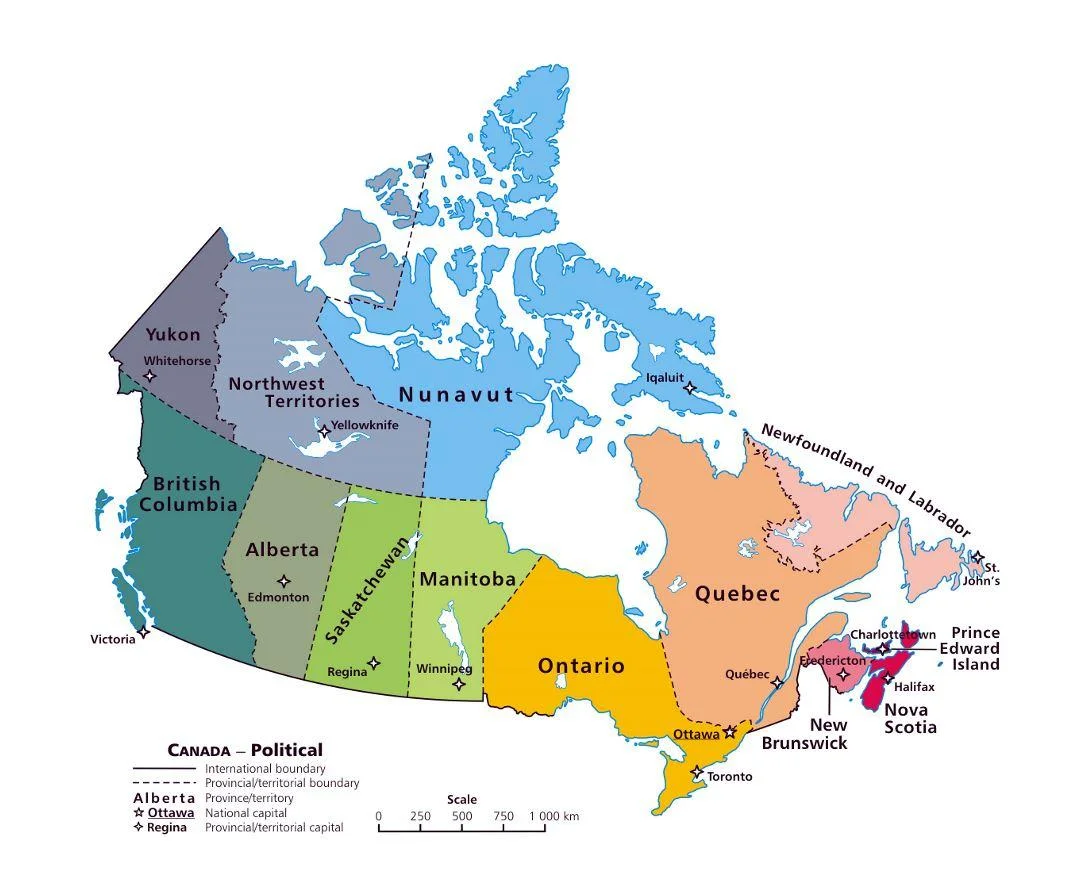
9984670 km²

Government

Federal Parliamentary Democracy and Constitutional Monarchy

Currency

Canadian dollar

Languages

English, French

Canada is a federal parliamentary democracy and constitutional monarchy located in North America. Home to approximately 41 million people, it is known for its natural beauty, cultural diversity, economic stability, and strong social institutions.

Canada is a constitutional monarchy and parliamentary democracy. The King serves as head of state and is represented by the Governor General, while the Prime Minister leads the government. The Parliament consists of the House of Commons and the Senate.

Canada's identity is built upon diversity, multiculturalism, democracy, and respect for nature. National symbols include the maple leaf, the beaver, ice hockey, and the Royal Canadian Mounted Police (RCMP).

Canada has approximately 41 million inhabitants and is one of the world's most multicultural nations. More than 80% of Canadians live in urban areas, primarily near the United States border. Life expectancy exceeds 82 years, and literacy rates are among the highest globally.

Daily life in Canada emphasizes work-life balance, community involvement, outdoor recreation, and cultural diversity. Canadians are generally known for politeness, inclusiveness, and respect for different cultures and traditions.

Best Time to Visit

May October

Climate

Varies from Arctic in the north to temperate in the south

Avg. Temperature: Varies significantly by region

Location: Northern North America

Borders: United States, Atlantic Ocean, Pacific Ocean, and Arctic Ocean

Canada's geography is remarkably diverse:

• Atlantic Region: Coastal communities and maritime heritage

• Central Canada: Major cities, lakes, and economic centers

• Prairies: Agricultural heartland and vast open landscapes

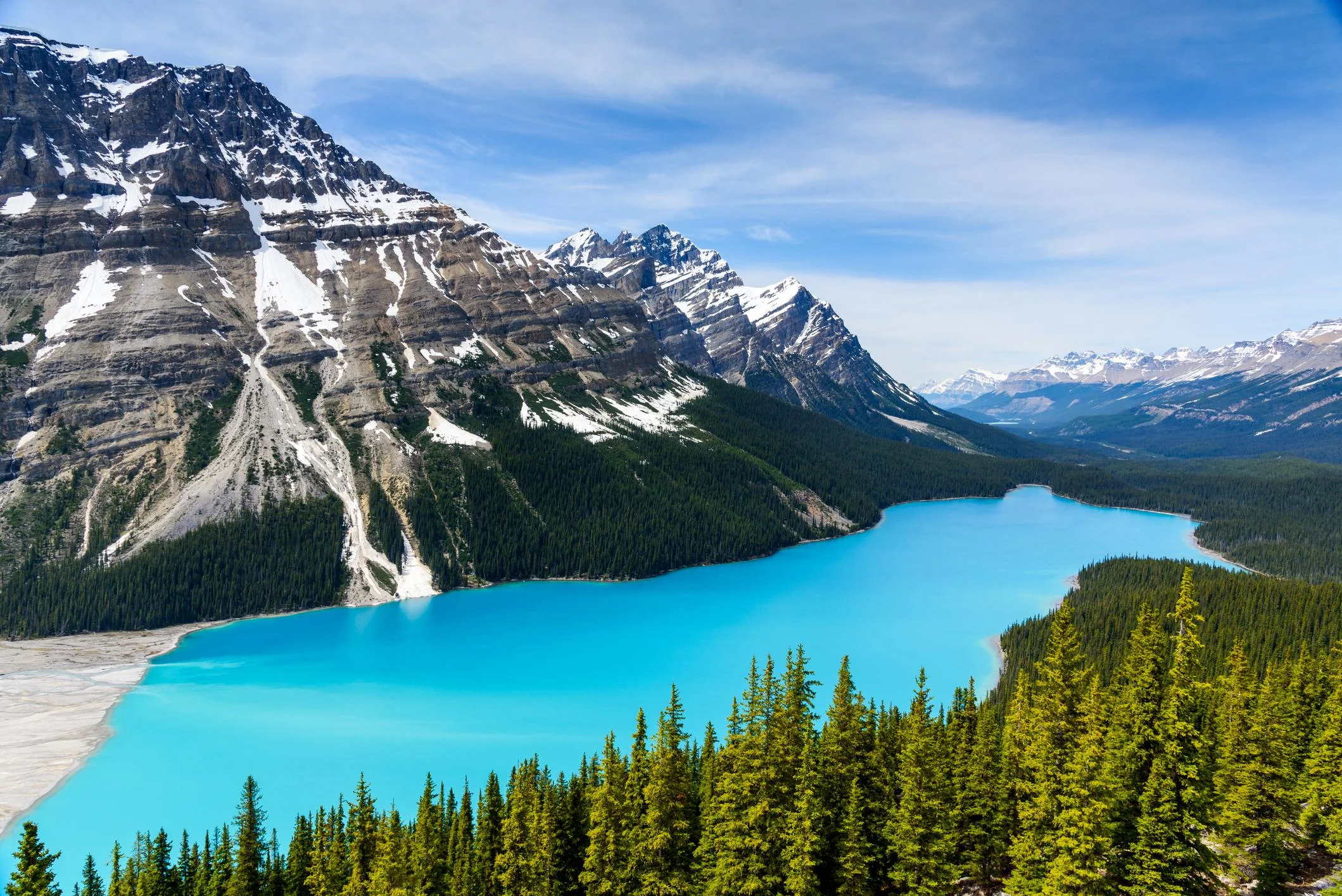
• Western Canada: Rocky Mountains, forests, and national parks

• Northern Territories: Arctic tundra, glaciers, and Indigenous communities

Each region contributes to Canada's unique national character and cultural identity.

Canada identity
Story Of Canada - History & Identity
titleDecore bar
Before European Contact
Indigenous Civilizations & First Peoples
Around 1000
Norse Exploration
1497–1608
European Exploration & Atlantic Trade
1608–1763
New France
1763
Beginning of British Rule
1775–1815
Loyalist Migration & the War of 1812
1837–1867
Political Reform & Responsible Government
1867
Canadian Confederation
1870–1885
Expansion Across the Continent
Late 19th–20th Century
Immigration, Industrialization & Residential Schools
1914–1918
The First World War
1931
Growing National Independence
1939–1945
The Second World War
1947–1965
Modern Citizenship & National Identity
1960s–1969
Social Transformation & Official Bilingualism
1971–1988
Multiculturalism
1982
The Constitution & Charter of Rights
1999
Creation of Nunavut
2008–2015
Truth & Reconciliation
2010s
Global Influence, Innovation & Cultural Growth
2020s
Sustainability, Technology & Reconciliation
2026
Canada Today

Historical Sites & Reflections
Canada story

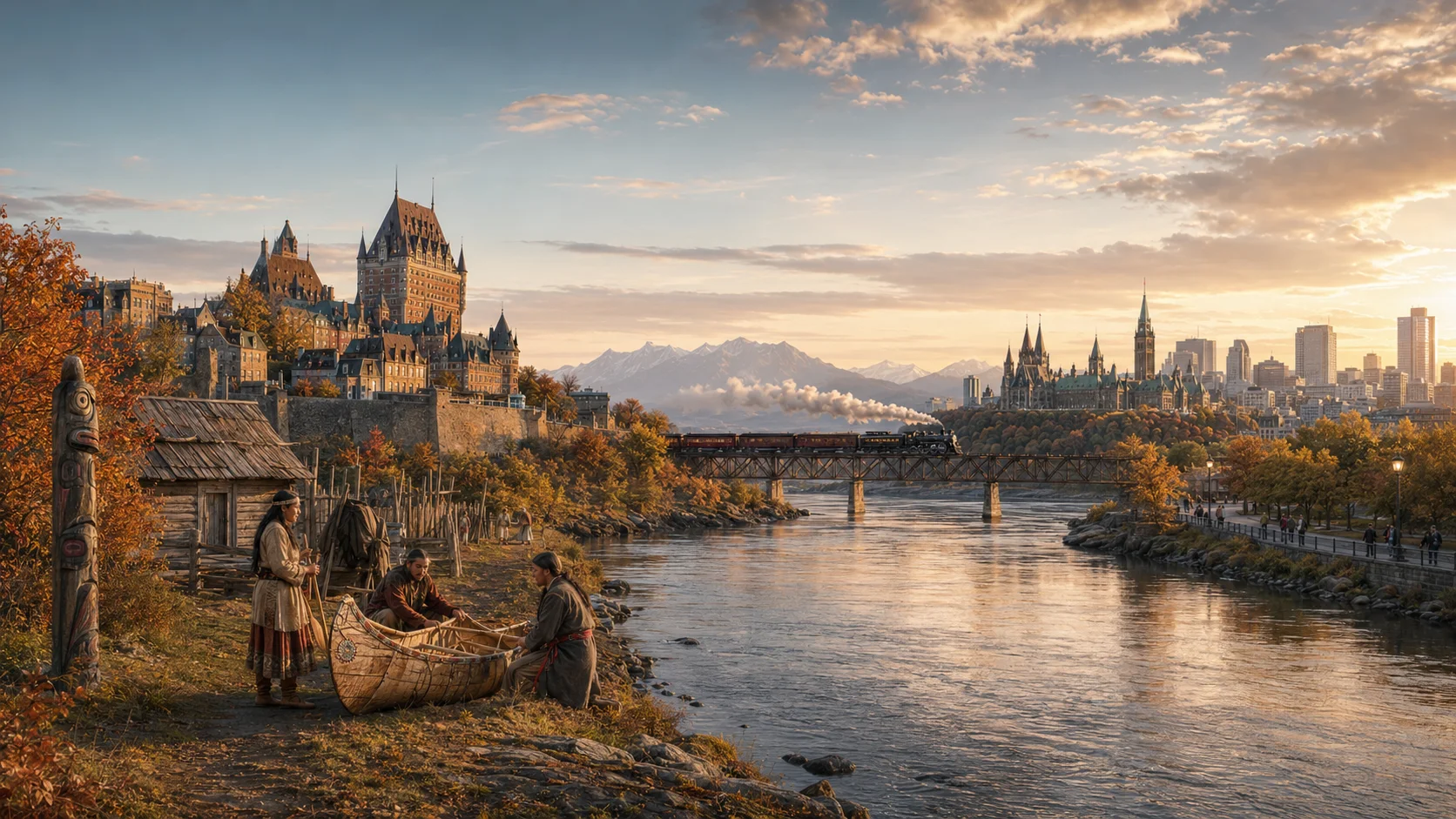
Canada’s story began thousands of years before European arrival. First Nations and Inuit peoples developed distinct societies, languages, governments, trade networks, spiritual traditions, and deep relationships with the land. The Métis later emerged as a distinct Indigenous people through the meeting of European and Indigenous communities.

From the late 15th century, European explorers, fishermen, and traders reached Canada’s Atlantic coast. France established New France, with Québec City founded by Samuel de Champlain in 1608. French settlements expanded along the St. Lawrence River and interior waterways, supported by the fur trade and complex alliances with Indigenous nations.

Britain gained control of most French territories in 1763 following the Seven Years’ War. Despite political change, French language, civil law, religion, and cultural traditions remained deeply rooted, particularly in Quebec.

British, French, Indigenous, Acadian, Loyalist, Scottish, Irish, and later immigrant communities gradually shaped the foundations of modern Canada. The interaction between these cultures created a bilingual and increasingly diverse national identity.

On 1 July 1867, Ontario, Quebec, Nova Scotia, and New Brunswick united to form the Dominion of Canada. Other provinces and territories gradually joined the federation, creating a country stretching from the Atlantic to the Pacific and north to the Arctic.

The completion of the Canadian Pacific Railway in 1885 connected the country economically and geographically. This expansion also brought the displacement of Indigenous communities, disputes over treaty obligations, Métis resistance, and policies intended to suppress Indigenous languages and cultures.

The residential school system separated generations of Indigenous children from their families and communities. Acknowledging these experiences and their continuing consequences has become an essential part of understanding Canadian history

Canada’s participation in the First and Second World Wars strengthened its international position and accelerated industrial development. The Statute of Westminster in 1931 granted the country broad legislative independence from Britain.

The Canadian Citizenship Act of 1947 established a distinct Canadian citizenship, while Newfoundland joined Confederation in 1949. In 1965, the red-and-white Maple Leaf flag became the country’s official national flag.

The Official Languages Act of 1969 strengthened English and French as Canada’s official languages. Multiculturalism became official federal policy in 1971 and was later protected through the Canadian Multiculturalism Act of 1988. Canada was the first country to place multiculturalism into national legislation

The Constitution Act of 1982 brought Canada’s Constitution fully under Canadian control and introduced the Canadian Charter of Rights and Freedoms. The Charter protects fundamental freedoms, equality, democratic rights, legal rights, mobility, and official-language rights.

Nunavut was created in 1999, representing an important achievement in Inuit land claims and self-determination. Between 2008 and 2015, the Truth and Reconciliation Commission documented the experiences of residential-school survivors and issued 94 Calls to Action.

Reconciliation, Indigenous self-government, language revitalization, treaty rights, and the preservation of First Nations, Inuit, and Métis cultures remain central to Canada’s evolving national identity

Modern Canada combines Indigenous foundations, French and British traditions, regional identities, and cultures brought by generations of immigrants. English and French are the official languages, while hundreds of other languages—including Indigenous languages—are spoken across the country. Statistics Canada recorded approximately 450 languages regularly spoken at home in the 2021 Census.

Today, Canada is internationally recognized for its democratic institutions, multicultural cities, natural landscapes, scientific research, education, technology, literature, music, film, natural resources, and commitment to international cooperation.

Canada story

Exploration & Nation Building

·        Samuel de Champlain (c. 1574–1635) — French explorer and founder of Québec City who played a central role in establishing New France.

·        Alexander Mackenzie (1764–1820) — Explorer who completed the first recorded crossing of North America north of Mexico to the Pacific by a European.

·        David Thompson (1770–1857) — Explorer, surveyor, and cartographer who mapped enormous areas of North America with remarkable accuracy.

Literature & Culture

·        Margaret Atwood (born 1939) — Internationally celebrated novelist, poet, and author of The Handmaid’s Tale.

·        Alice Munro (1931–2024) — Nobel Prize-winning writer regarded as one of the modern masters of the short story.

·        Leonard Cohen (1934–2016) — Influential poet, novelist, songwriter, and musician whose work achieved global recognition.

Science & Innovation

·        Sir Frederick Banting (1891–1941) — Co-discoverer of insulin, one of the most important medical breakthroughs of the 20th century.

·        Charles Best (1899–1978) — Medical scientist who worked with Banting in the discovery and development of insulin.

·        Donna Strickland (born 1959) — Nobel Prize-winning physicist whose research transformed high-intensity laser technology.

·        James Naismith (1861–1939) — Canadian educator and inventor of basketball.

Arts & Creativity

·        Emily Carr (1871–1945) — Influential painter and writer inspired by the landscapes and Indigenous cultures of the Pacific Northwest.

·        Norval Morrisseau (1932–2007) — Groundbreaking Anishinaabe artist who established the distinctive Woodland School of art.

·        Denis Villeneuve (born 1967) — Internationally acclaimed filmmaker known for works including Arrival, Blade Runner 2049, and Dune.

Music & Entertainment

·        Céline Dion (born 1968) — Quebec-born singer and one of the most internationally successful recording artists in history.

·        Joni Mitchell (born 1943) — Influential singer-songwriter whose music transformed modern folk, rock, and jazz.

·        James Cameron (born 1954) — Filmmaker and explorer known for directing Titanic and Avatar and advancing cinematic technology.

Politics, Rights & Public Leadership

·        Lester B. Pearson (1897–1972) — Prime minister, diplomat, and Nobel Peace Prize recipient associated with the development of modern peacekeeping.

·        Viola Desmond (1914–1965) — Civil-rights pioneer who challenged racial segregation in Nova Scotia.

·        Murray Sinclair (1951–2024) — First Nations judge and senator who chaired the Truth and Reconciliation Commission of Canada.

·        Terry Fox (1958–1981) — Athlete and humanitarian whose Marathon of Hope inspired cancer research campaigns around the world.

Canadian is Known For

A quick look at the core characteristics, structures, and cultural definitions that shape the Canada reputation worldwide.

Indigenous Heritage

Canada is home to diverse First Nations, Inuit, and Métis peoples, each maintaining distinct histories, languages, artistic traditions, and cultural identities. Indigenous knowledge, storytelling, visual art, music, environmental stewardship, and political leadership are fundamental parts of Canadian culture

History & Cultural Heritage

Canada’s historical identity reflects Indigenous civilizations, New France, British colonial development, immigration, Confederation, and the growth of a bilingual federal nation. Historic places such as Old Québec, L’Anse aux Meadows, the Rideau Canal, Halifax, Louisbourg, Dawson City, and numerous Indigenous cultural landscapes preserve different chapters of the country’s history

Nature & Wilderness

Canada is famous for its immense natural landscapes, including the Rocky Mountains, Great Lakes, Atlantic coastline, Pacific forests, prairie grasslands, Arctic tundra, glaciers, and northern lights. Banff, Jasper, Yoho, Gros Morne, Pacific Rim, and Cape Breton Highlands are among its best-known national parks and natural destinations

Art, Film & Music

Canada has produced internationally recognized painters, musicians, actors, filmmakers, photographers, and designers. Indigenous visual art, Quebec cinema, contemporary music, and multicultural creativity play major roles in Canadian cultural life. Toronto, Montréal, and Vancouver are important centres for international film and television production, while events such as the Toronto International Film Festival attract global attention

Literature & Languages

English and French are Canada’s official languages, while Indigenous and immigrant languages contribute to one of the world’s most linguistically diverse societies. Canadian writers—including Margaret Atwood, Alice Munro, Michael Ondaatje, Lucy Maud Montgomery, and Leonard Cohen—have made major contributions to world literature

Food & Regional Cuisine

Canadian cuisine reflects Indigenous traditions, French and British influences, regional ingredients, and contributions from immigrant communities. Popular foods include: • Poutine • Maple syrup products • Butter tarts • Nanaimo bars • Tourtière • Bannock • Montréal-style bagels • Atlantic lobster and seafood • Smoked meat • Pacific salmon Canada does not have one official national dish, but its regional foods collectively express the country’s history and cultural diversity.

Festivals & Traditions

Canada hosts cultural celebrations throughout the year, including: • Calgary Stampede • Québec Winter Carnival • Montréal International Jazz Festival • Toronto International Film Festival • Celebration of Light in Vancouver • Winterlude in Ottawa • National Indigenous Peoples Day • Canada Day • Canadian Multiculturalism Day These events celebrate regional traditions, Indigenous heritage, music, film, winter culture, immigration, and community life.

Education & Research

Canada is internationally respected for its universities, research institutions, and public education system. Institutions such as the University of Toronto, McGill University, University of British Columbia, University of Alberta, University of Waterloo, and Université de Montréal contribute to research in medicine, artificial intelligence, engineering, climate science, aerospace, and biotechnology

Science & Invention

Canadian discoveries and inventions have influenced medicine, communication, transportation, and space exploration. Major contributions include: • The discovery of insulin • Standard time zones • The snowmobile • The Canadarm • Advancements in artificial intelligence • Medical imaging and cancer treatment • Telecommunications and satellite technology The Government of Canada highlights insulin, the snowmobile, standard time zones, and the Canadarm among the country’s major scientific and technological contributions

Sport & Global Influence

Ice hockey and lacrosse are Canada’s official national winter and summer sports. The country has also achieved international success in basketball, athletics, swimming, tennis, skiing, figure skating, rowing, and motorsport. Canada has hosted major international events, including the 1976 Montréal Olympics, 1988 Calgary Winter Olympics, and 2010 Vancouver Winter Olympics. Canadian James Naismith’s invention of basketball gave the country a lasting influence on global sport

Sport & Global Influence

Ice hockey and lacrosse are Canada’s official national winter and summer sports. The country has also achieved international success in basketball, athletics, swimming, tennis, skiing, figure skating, rowing, and motorsport. Canada has hosted major international events, including the 1976 Montréal Olympics, 1988 Calgary Winter Olympics, and 2010 Vancouver Winter Olympics. Canadian James Naismith’s invention of basketball gave the country a lasting influence on global sport

Regional Diversity

Canada consists of 10 provinces and three territories, each contributing distinct landscapes and cultural traditions: • Atlantic Canada — Maritime heritage, fishing communities, Celtic and Acadian culture, and dramatic coastlines. • Quebec — French language, historic cities, arts, gastronomy, and a strong cultural identity. • Ontario — Toronto, Ottawa, the Great Lakes, finance, government, manufacturing, and multicultural urban life. • Prairie Provinces — Agriculture, energy, Indigenous and Métis heritage, grasslands, and open landscapes. • British Columbia — Pacific culture, coastal mountains, forests, Asian influences, and outdoor living. • Northern Territories — Arctic landscapes, Inuit and First Nations communities, mining, northern lights, and traditional knowledge

Multiculturalism

Canada is widely recognized for its multicultural society. Immigration has shaped its cities, economy, cuisine, arts, languages, and everyday life. English and French traditions coexist alongside Indigenous cultures and communities with roots in Asia, Europe, Africa, the Middle East, Latin America, and the Caribbean. This diversity has become one of the defining characteristics of modern Canadian identity

Technology & Sustainability

Canada is active in artificial intelligence, aerospace, biotechnology, clean technology, quantum computing, electric transportation, and space science. The country possesses significant hydroelectric resources and continues investing in wind, solar, nuclear energy, hydrogen, battery technology, and critical minerals required for the global transition toward cleaner energy.

Tourism & Lifestyle

Visitors are drawn to Canada’s national parks, mountain resorts, multicultural cities, historic districts, wildlife, autumn forests, Arctic landscapes, ski destinations, and long coastlines. Its combination of urban opportunity, cultural diversity, public spaces, natural beauty, and outdoor recreation contributes to Canada’s international reputation for quality of life

Global Influence & Diplomacy

Through its membership in the United Nations, G7, NATO, Commonwealth, La Francophonie, and other international organizations, Canada plays an active role in diplomacy, trade, development, Arctic cooperation, humanitarian assistance, and international security. Its global influence is strengthened by natural resources, education, scientific research, cultural exports, immigration links, bilingual identity, and longstanding relationships across Europe, the Americas, Asia, and the wider world.

The Canadian Spirit
titleDecore bar

Understanding society, traditions, and daily life in Canada

Canadian society generally values politeness, fairness, personal space, cultural diversity, community participation, and respect for individual differences. Social interactions are often friendly but slightly reserved, particularly when meeting someone for the first time. Saying “please,” “thank you,” “sorry,” and waiting patiently in line are common elements of everyday etiquette.

Family, friendship, education, work-life balance, and outdoor recreation play important roles in Canadian life. Social activities often revolve around coffee shops, restaurants, sporting events, parks, cottages, hiking, skiing, camping, and community festivals.

Toronto, Montréal, Vancouver, Calgary, and Ottawa offer fast-paced, international lifestyles, while smaller cities and rural communities often maintain stronger local connections and a quieter rhythm. Daily life varies considerably between the Atlantic provinces, Quebec, Ontario, the Prairies, British Columbia, and the northern territories.

Canadian clothing is strongly influenced by climate, geography, and lifestyle. Everyday dress is usually practical and casual, although professional and fashionable clothing is common in major cities and business environments.

Winter clothing—including insulated coats, waterproof boots, scarves, gloves, and layered garments—is essential across much of the country. Vancouver’s milder and wetter climate encourages rainwear and outdoor clothing, while cities such as Montréal and Toronto combine practical seasonal fashion with contemporary international style.

Canada is known for outdoor and lifestyle brands such as Canada Goose, Arc’teryx, Roots, and Lululemon. Indigenous designers are also gaining wider recognition by combining contemporary fashion with beadwork, natural materials, traditional patterns, and cultural storytelling.

Traditional clothing remains important during Indigenous ceremonies, cultural gatherings, powwows, festivals, and heritage celebrations. These garments carry cultural meaning and should be approached with respect.

English and French are Canada’s two official languages at the federal level. French is especially prominent in Quebec, while significant Francophone communities also exist in New Brunswick, Ontario, Manitoba, and other parts of the country.

Canada is also home to many Indigenous languages, including:

·        Cree

·        Inuktitut and other Inuit languages

·        Ojibwe

·        Oji-Cree

·        Dene languages

·        Mi’kmaq

·        Mohawk

·        Blackfoot

·        Michif

·        Coast Salish languages

Immigration has added hundreds of languages to Canadian daily life, including Punjabi, Mandarin, Cantonese, Arabic, Spanish, Tagalog, Hindi, Urdu, Italian, Portuguese, Persian, Korean, Tamil, and many others.

Regional identities remain strong:

·        Quebec maintains a distinctive French-speaking culture and legal tradition.

·        Atlantic Canada reflects Acadian, Celtic, maritime, and fishing heritage.

·        Ontario combines government, finance, manufacturing, and multicultural urban life.

·        The Prairies are shaped by agriculture, Indigenous and Métis heritage, energy, and immigrant settlement.

·        British Columbia reflects Pacific, Indigenous, Asian, and outdoor influences.

·        Northern Canada is strongly connected to Inuit and First Nations cultures, Arctic traditions, and remote landscapes.

Canadian music reflects Indigenous traditions, French and British heritage, immigration, geography, and regional identity.

First Nations music includes drumming, singing, dancing, and oral storytelling, while Inuit throat singing is one of Canada’s most distinctive traditional art forms. Métis fiddling and dance combine Indigenous and European musical influences.

Quebec has a strong Francophone music tradition, while Atlantic Canada is known for Acadian and Celtic folk music. Country, folk, jazz, classical music, rock, hip-hop, electronic music, and contemporary pop are popular throughout the country.

Canadian artists—including Leonard Cohen, Joni Mitchell, Céline Dion, Shania Twain, The Weeknd, Drake, and many others—have achieved international recognition. Music festivals, Indigenous cultural gatherings, jazz festivals, concerts, and community celebrations are important parts of Canadian cultural life.

Canada’s artistic and architectural heritage reflects Indigenous civilizations, French and British settlement, regional landscapes, industrial development, and modern multicultural influences.

The country is renowned for:

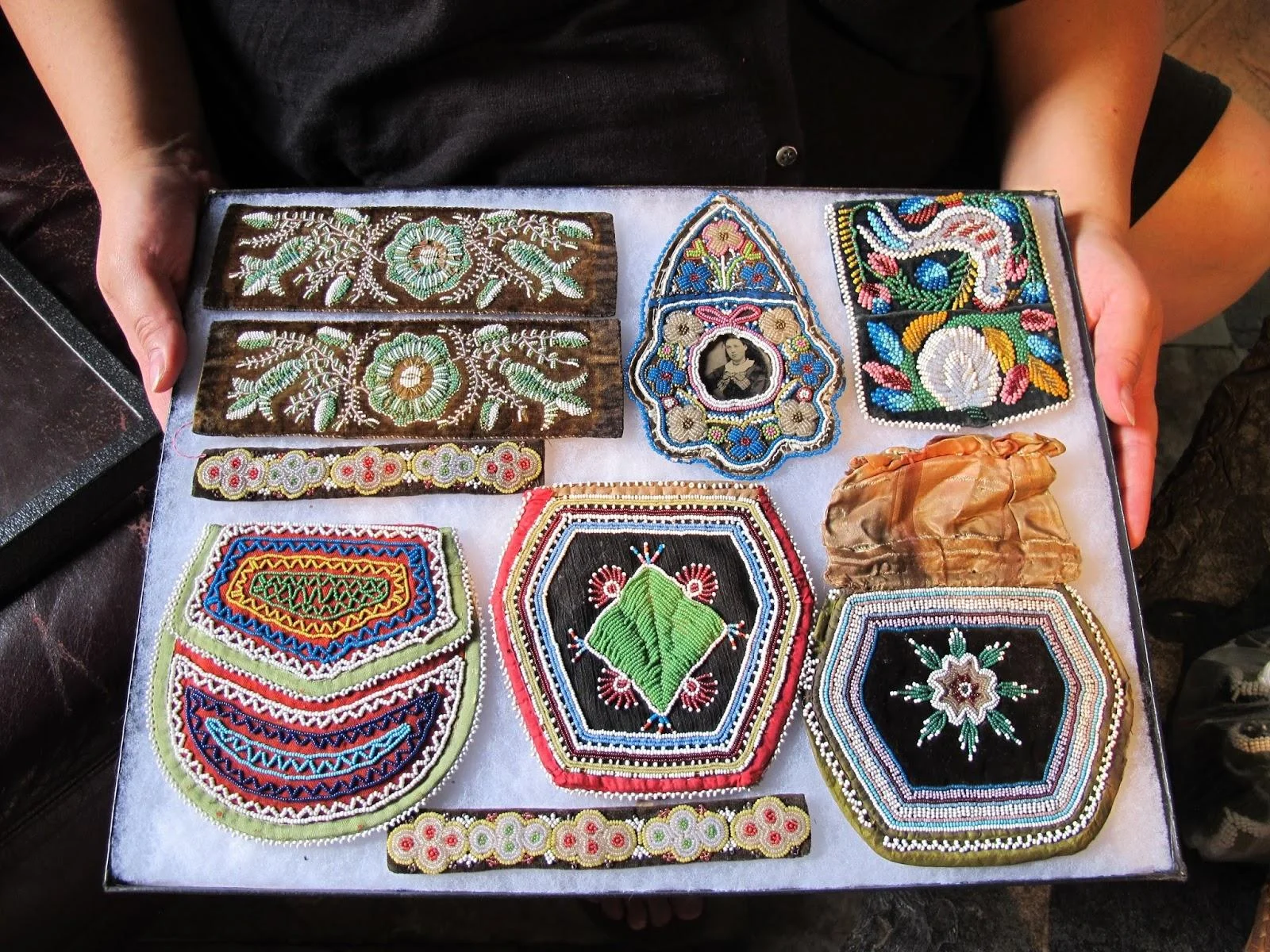
·        First Nations carving, weaving, beadwork, painting, and public art

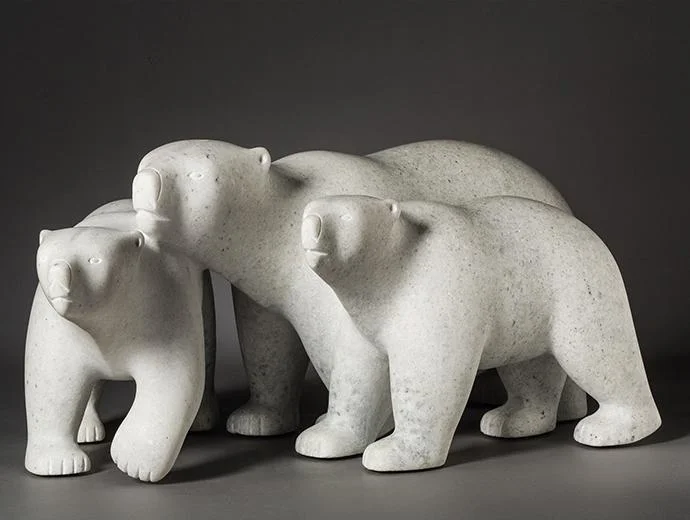
·        Inuit sculpture, printmaking, and textile art

·        Métis beadwork and floral design

·        French colonial architecture in Quebec

·        British and Gothic Revival government buildings

·        Historic railway stations and grand railway hotels

·        Modern skyscrapers and multicultural urban design

·        Contemporary museums, galleries, and cultural centres

Old Québec, Montréal, Ottawa, Toronto, Vancouver, Halifax, Winnipeg, and Victoria display different chapters of Canada’s architectural history.

Important cultural institutions include the National Gallery of Canada, Royal Ontario Museum, Canadian Museum of History, Montréal Museum of Fine Arts, Art Gallery of Ontario, and Museum of Anthropology at the University of British Columbia.

Christianity—particularly Roman Catholicism and Protestant traditions—historically influenced Canadian education, architecture, holidays, and community life. Catholicism has played an especially important historical role in Quebec and French-speaking communities.

Modern Canada is increasingly secular, while freedom of religion and freedom of conscience are constitutionally protected. People are generally free to practise a religion, change their beliefs, or follow no religion.

Churches, cathedrals, synagogues, mosques, temples, gurdwaras, and Indigenous spiritual traditions contribute to Canada’s cultural landscape. Religious celebrations from many communities are visible in the country’s festivals, food, clothing, neighbourhoods, and public life.

Canada’s population includes people from many religious and non-religious backgrounds:

·        Christianity, including Catholic, Protestant, and Orthodox traditions

·        Islam

·        Hinduism

·        Sikhism

·        Judaism

·        Buddhism

·        Indigenous spiritual traditions

·        Baháʼí and other faiths

·        Non-religious, agnostic, and atheist communities

The religious character of Canada varies by region. Quebec and British Columbia have large secular populations, while Christianity remains influential in many Atlantic, Prairie, and rural communities. Major cities contain some of the country’s most diverse religious populations.

Canada’s population reflects Indigenous foundations, French and British settlement, and generations of global immigration.

First Nations, Inuit, and Métis peoples maintain distinct identities, cultures, languages, governments, and relationships with their traditional territories. Communities with French, English, Scottish, Irish, Ukrainian, German, Italian, Portuguese, and other European backgrounds have also played important roles in Canadian history.

More recent generations of immigrants have arrived from:

·        East, South, Southeast, and Central Asia

·        The Middle East

·        Africa

·        The Caribbean

·        Latin America

·        Europe

·        The United States and other regions

Toronto, Vancouver, Montréal, Calgary, Ottawa, Edmonton, and Winnipeg are among Canada’s most multicultural cities. Cultural diversity is visible in neighbourhoods, languages, restaurants, places of worship, festivals, businesses, media, music, and everyday life.

Canada often describes itself as a cultural mosaic: communities preserve meaningful elements of their heritage while participating in a shared Canadian society. This combination of Indigenous foundations, bilingual traditions, regional identities, and multicultural influences lies at the heart of the modern Canadian spirit.

Canada Food Culture
titleDecore bar
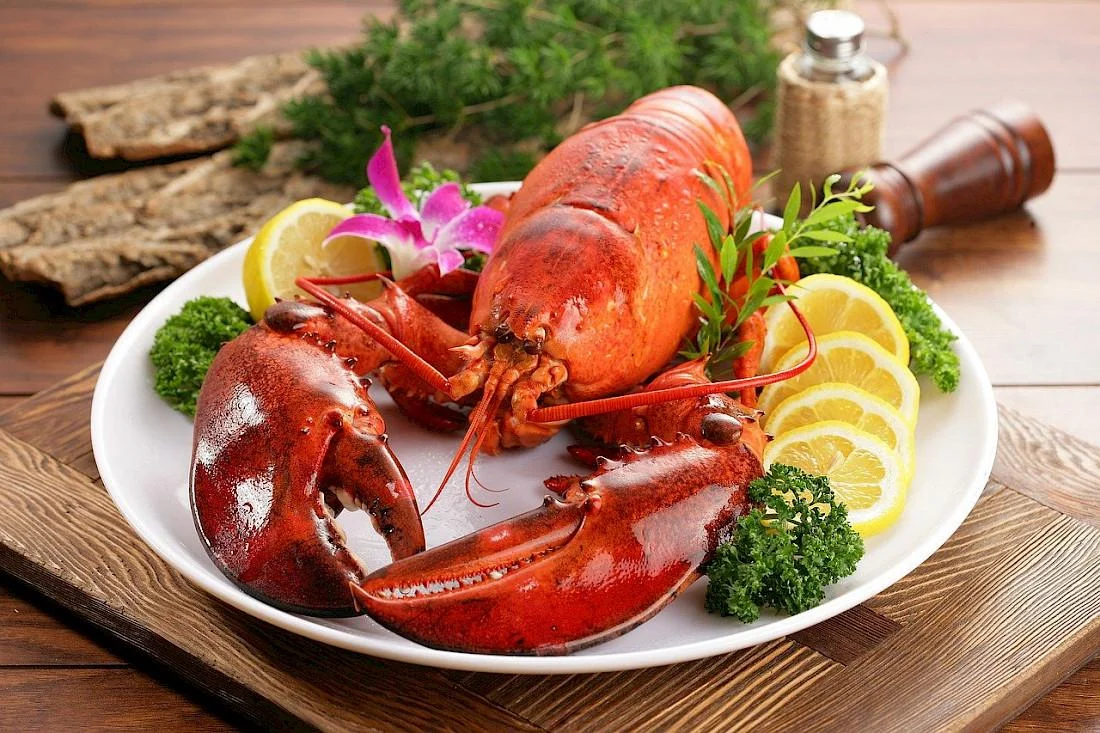
Canada - Atlantic Lobster

Atlantic Lobster

Sweet, cold-water lobster especially associated with Nova Scotia, New Brunswick, and Prince Edward Island.

Canada - Pacific Salmon

Pacific Salmon

An important West Coast food with deep cultural significance for many Indigenous nations

Canada - Arctic Char

Arctic Char

A mild northern fish traditionally eaten fresh, dried, smoked, or frozen.

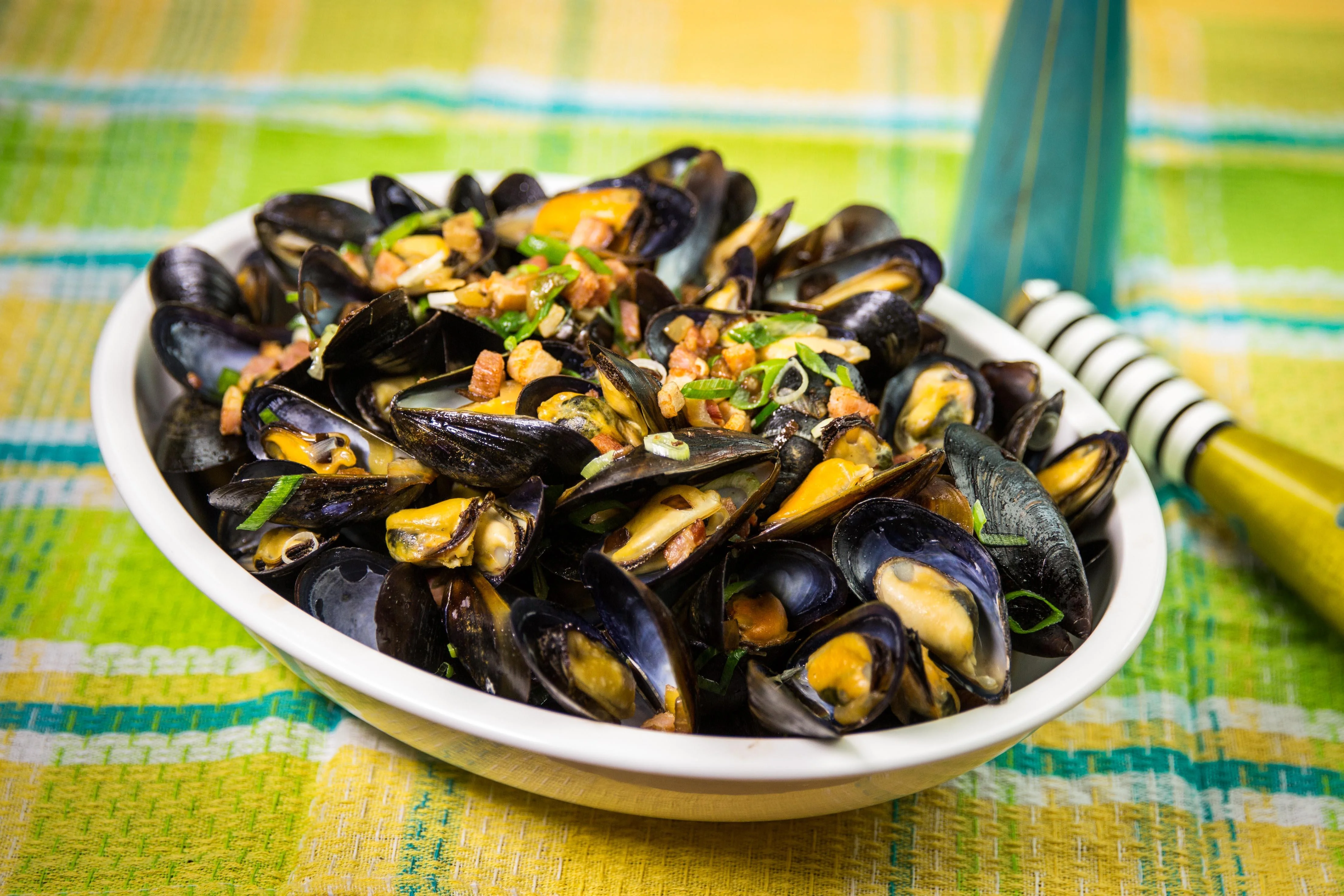
Canada - Prince Edward Island Mussels

Prince Edward Island Mussels

Farmed mussels known for their clean flavour and tender texture

Canada - BC Spot Prawns

BC Spot Prawns

Seasonal Pacific prawns valued for their sweet flavour and firm meat.

Canada - Newfoundland Cod

Newfoundland Cod

Closely connected to the fishing history and traditional cuisine of Newfoundland and Labrador.

Atlantic Lobster

Sweet, cold-water lobster especially associated with Nova Scotia, New Brunswick, and Prince Edward Island.

Pacific Salmon

An important West Coast food with deep cultural significance for many Indigenous nations

Arctic Char

A mild northern fish traditionally eaten fresh, dried, smoked, or frozen.

Prince Edward Island Mussels

Farmed mussels known for their clean flavour and tender texture

BC Spot Prawns

Seasonal Pacific prawns valued for their sweet flavour and firm meat.

Newfoundland Cod

Closely connected to the fishing history and traditional cuisine of Newfoundland and Labrador.

Canada - Atlantic Lobster

Atlantic Lobster

Canada - Pacific Salmon

Pacific Salmon

Canada - Arctic Char

Arctic Char

Canada - Prince Edward Island Mussels

Prince Edward Island Mussels

Canada - BC Spot Prawns

BC Spot Prawns

Canada - Newfoundland Cod

Newfoundland Cod

Explore Canada
titleDecore bar

Canada is a country where multicultural cities, Indigenous heritage, French and British history, Atlantic coastlines, Pacific rainforests, prairie landscapes, Arctic wilderness, and the Rocky Mountains come together. As the world’s second-largest country, Canada offers remarkably different experiences from coast to coast to coast.

Cities & Highlights

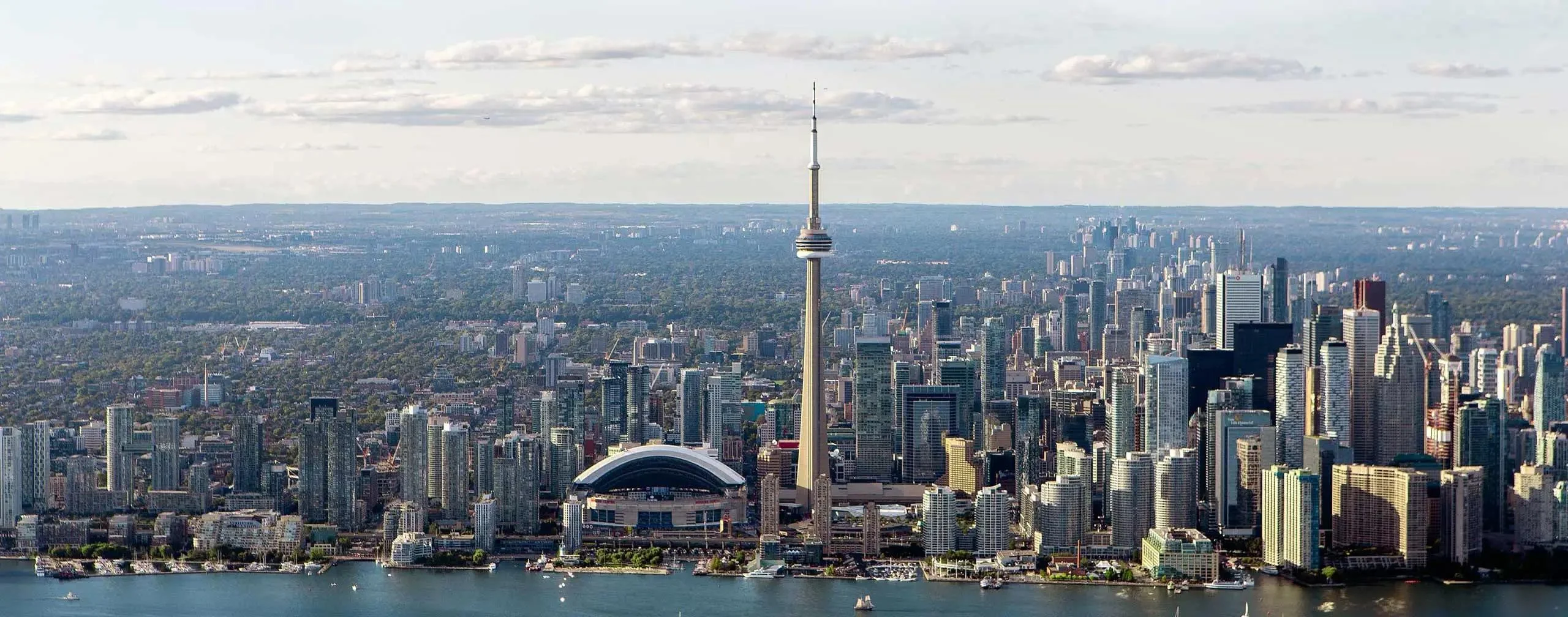
Canada’s largest city is known for multicultural neighbourhoods, museums, entertainment, shopping, and its waterfront location on Lake Ontario

CN Tower

CN Tower

Toronto’s most recognizable landmark, offering panoramic city and lake views.

www.cntower.ca
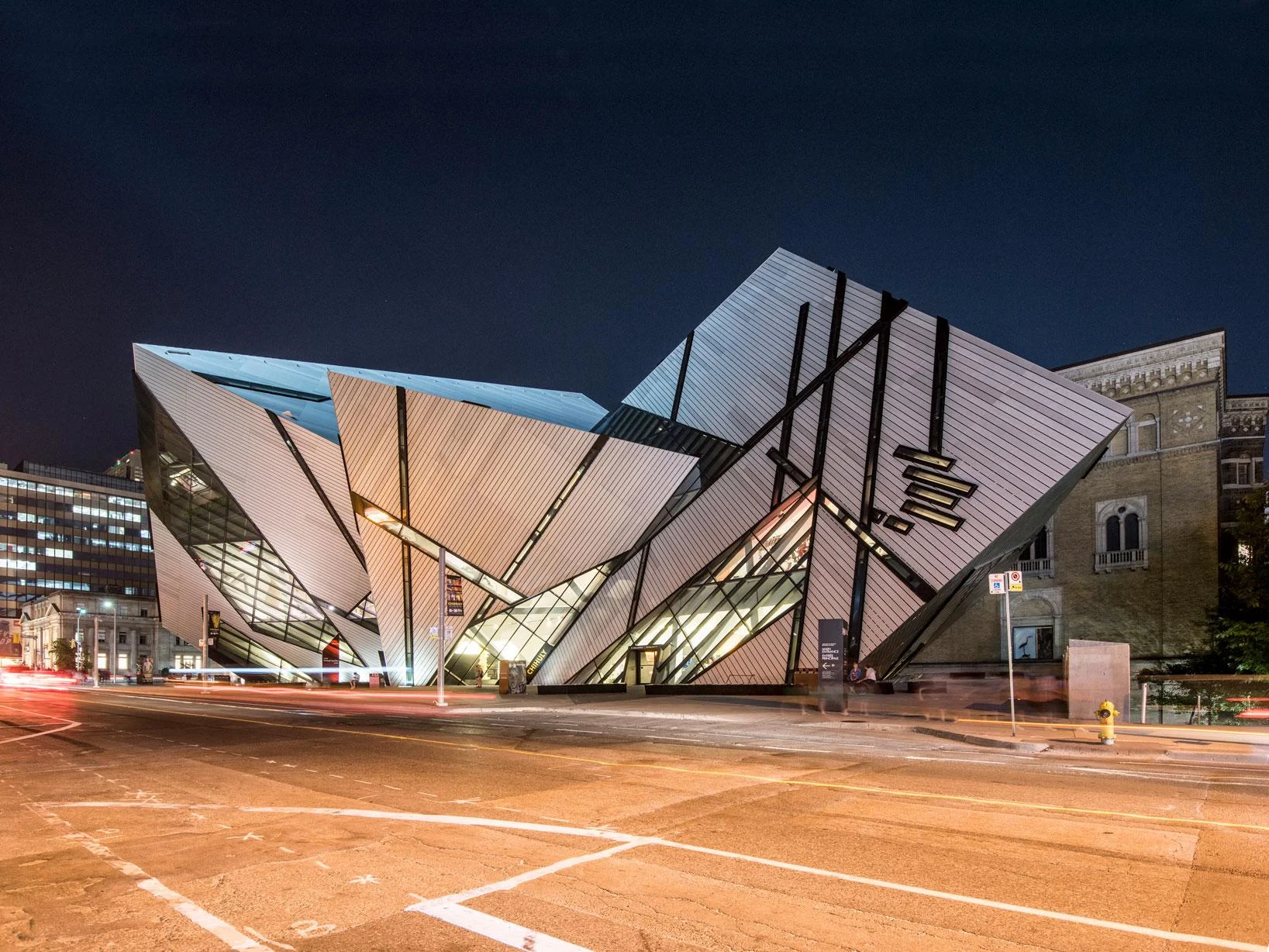
Royal Ontario Museum

Royal Ontario Museum

Major museum of natural history, art, archaeology, and world cultures

https://www.rom.on.ca
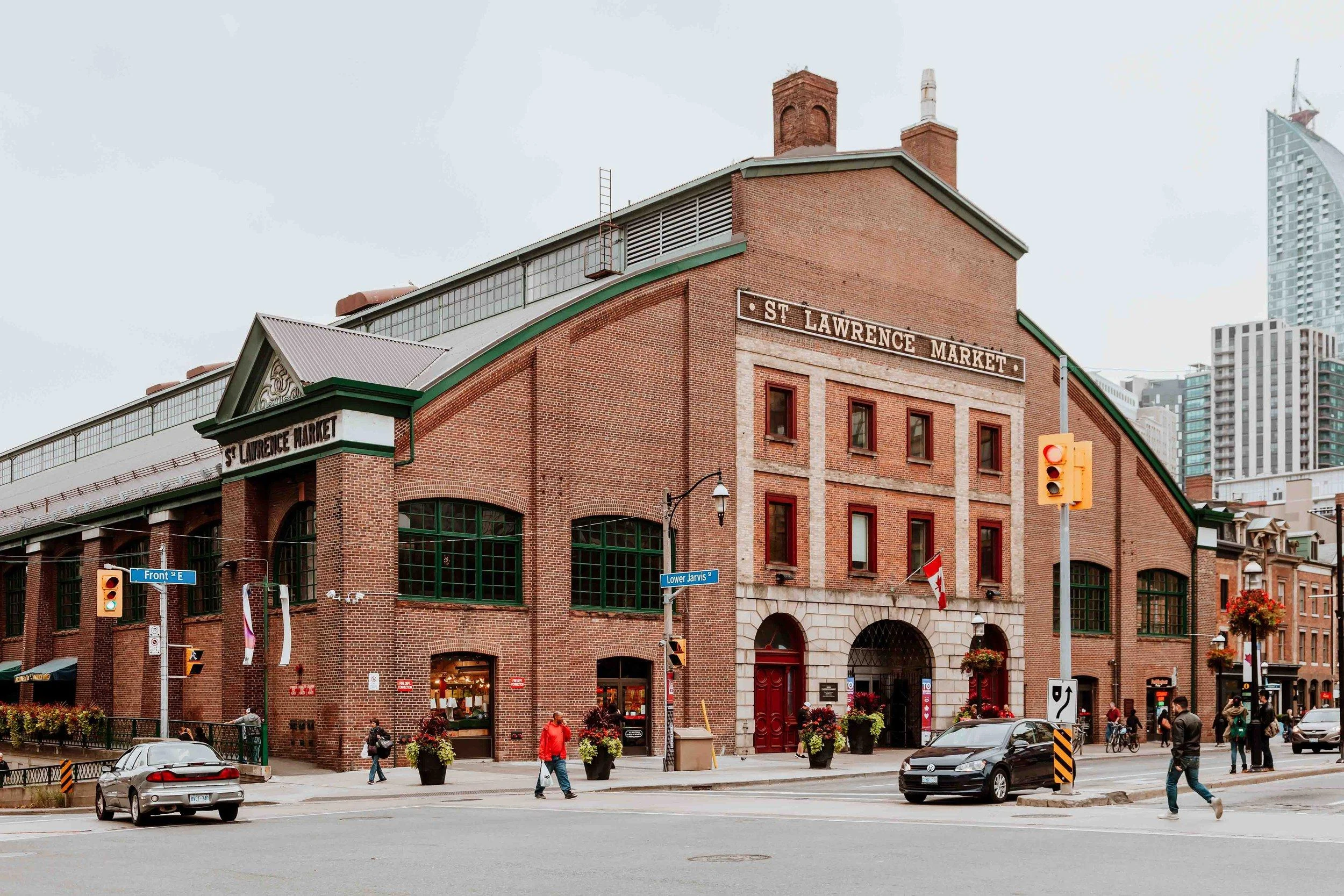
St. Lawrence Market

St. Lawrence Market

Historic food market known for Canadian produce and the peameal bacon sandwich

https://www.stlawrencemarket.com
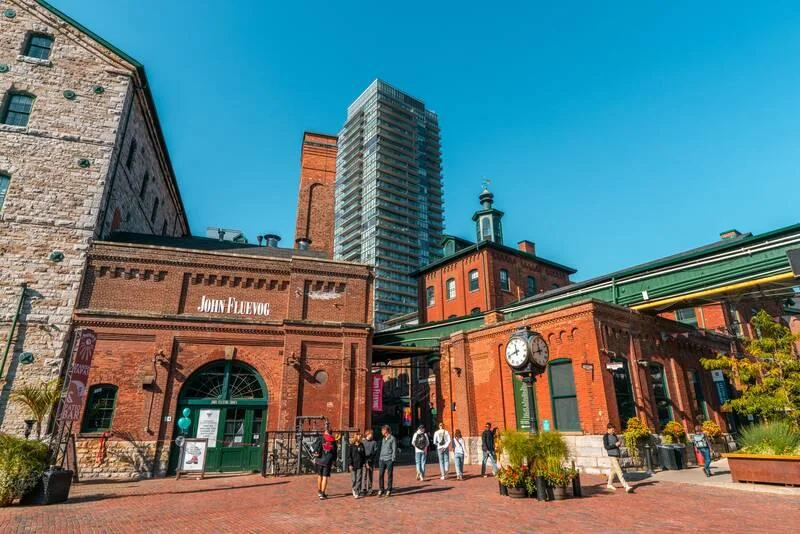
Distillery Historic

Distillery Historic

Restored Victorian industrial district filled with galleries, shops, cafés, and restaurants

https://www.thedistillerydistrict.com
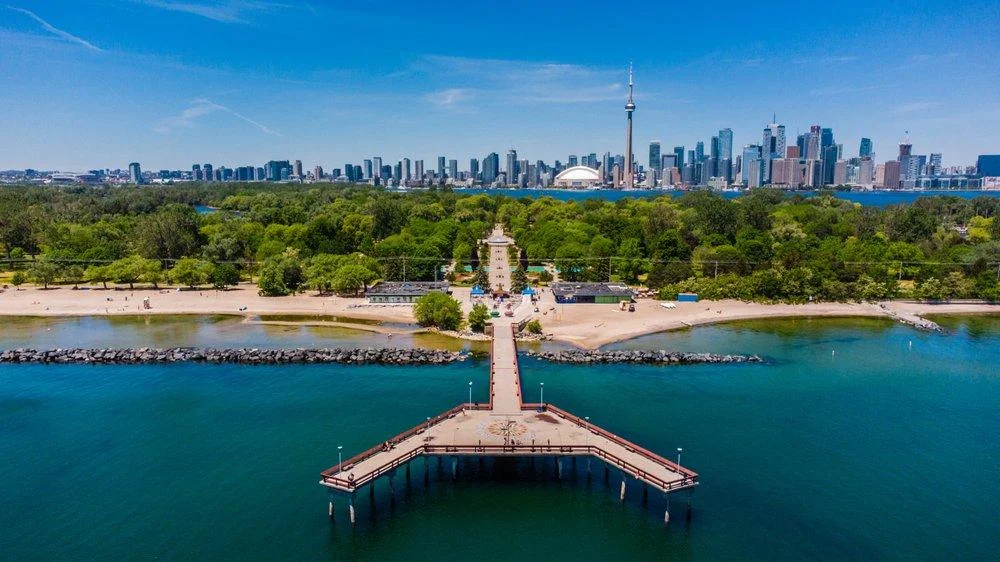
Toronto Islands

Toronto Islands

Beaches, parks, cycling routes, and some of the finest skyline views

https://www.toronto.ca/explore-enjoy/toronto-island-ferries/
Special Experiences
titleDecore bar

Canada offers an exceptional combination of Indigenous heritage, multicultural cities, seasonal festivals, mountain adventures, Arctic wildlife, historic communities and regional cuisine. The country’s enormous size means experiences change dramatically between the Atlantic, Central Canada, the Prairies, Pacific coast and northern territories. Every season presents a different side of Canadian life.

Canadian festivals reflect the country’s regional identities, Indigenous foundations, immigrant communities and changing seasons.

January–February

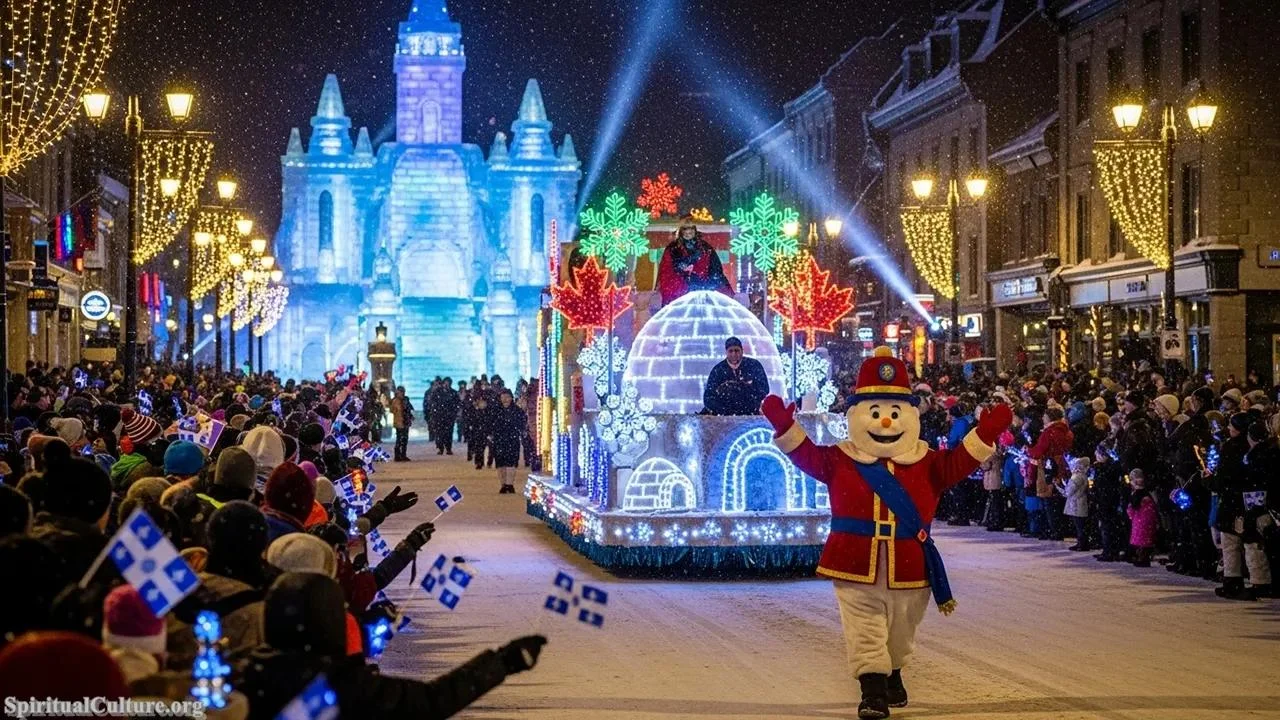
Québec Winter Carnival — Québec City

One of the world’s best-known winter festivals, featuring illuminated parades, snow sculptures, outdoor concerts, ice activities and appearances by Bonhomme, the festival’s famous snowman ambassador.

Québec Winter Carnival — Québec City

February

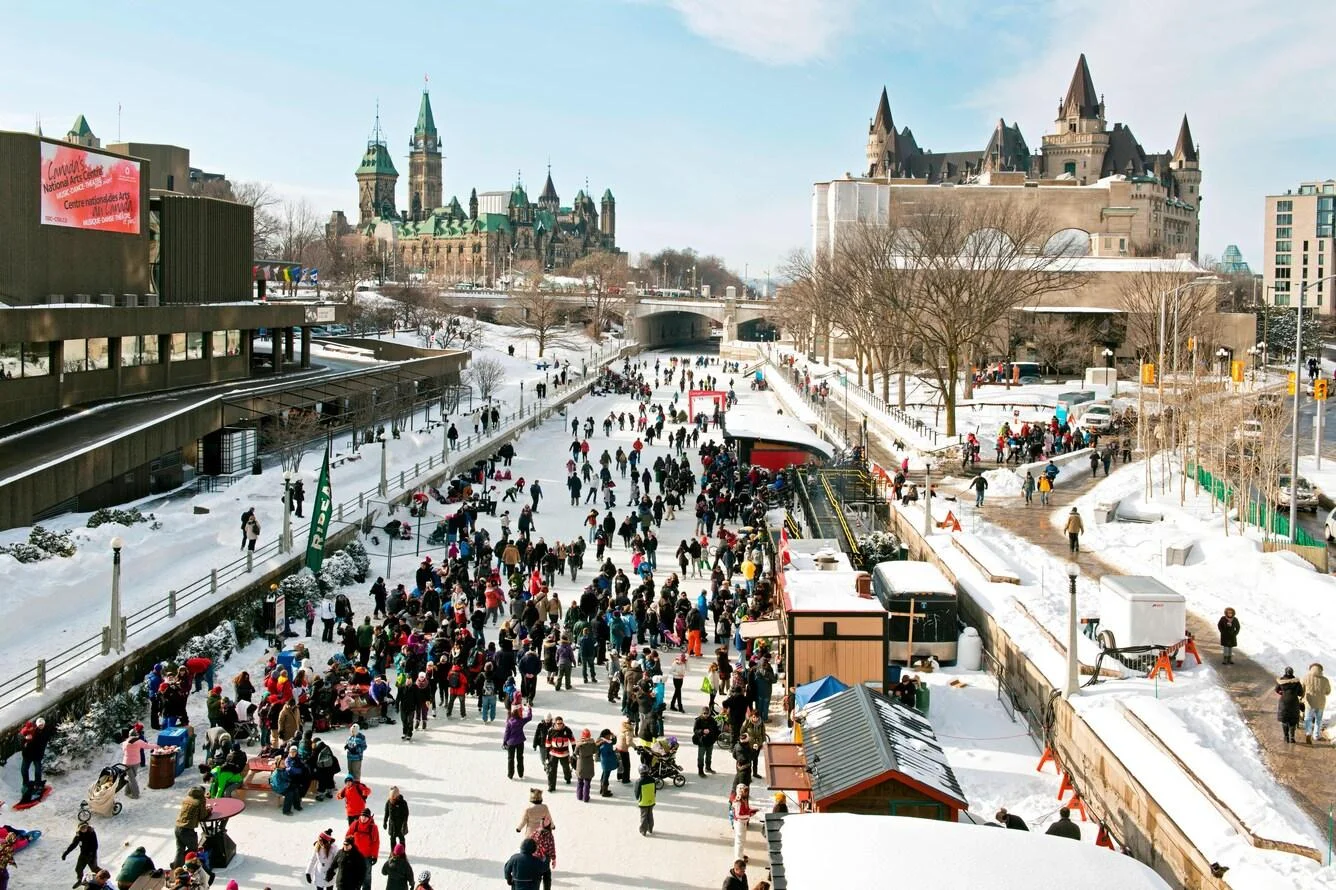
Winterlude — Ottawa and Gatineau

Celebrate winter through ice-carving competitions, family activities, concerts and snow playgrounds. When conditions permit, visitors can skate along sections of the frozen Rideau Canal.

Winterlude — Ottawa and Gatineau

July

Calgary Stampede — Calgary

This major ten-day celebration presents rodeo competitions, chuckwagon racing, agricultural exhibitions, concerts, parades and Alberta’s ranching heritage. Western clothing and community breakfasts become part of the city’s atmosphere.

Calgary Stampede — Calgary

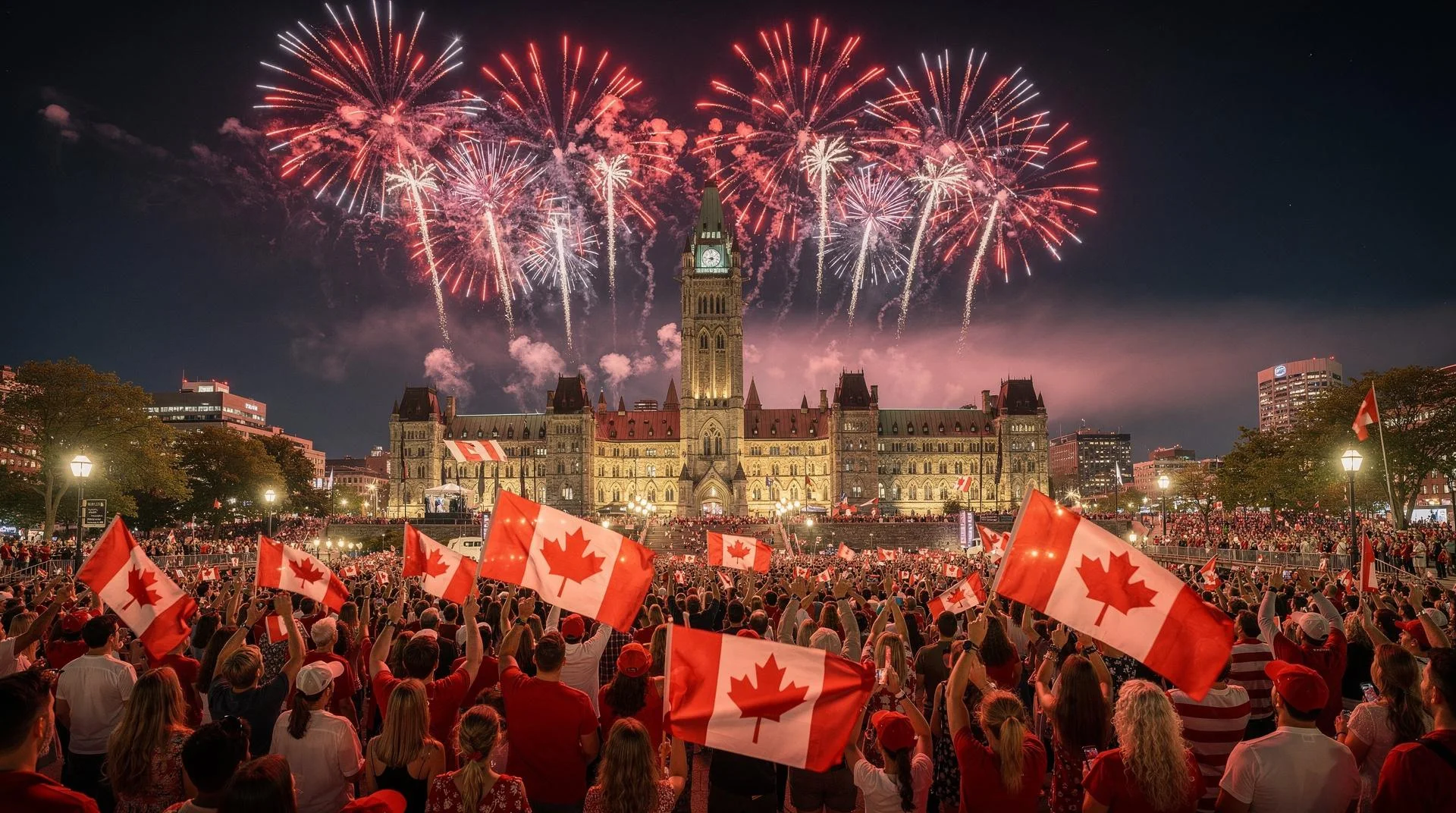
1 July

Canada Day — Nationwide

Canada’s national celebration includes citizenship ceremonies, concerts, community gatherings and cultural performances. Ottawa traditionally hosts some of the country’s largest official events.

Canada Day — Nationwide

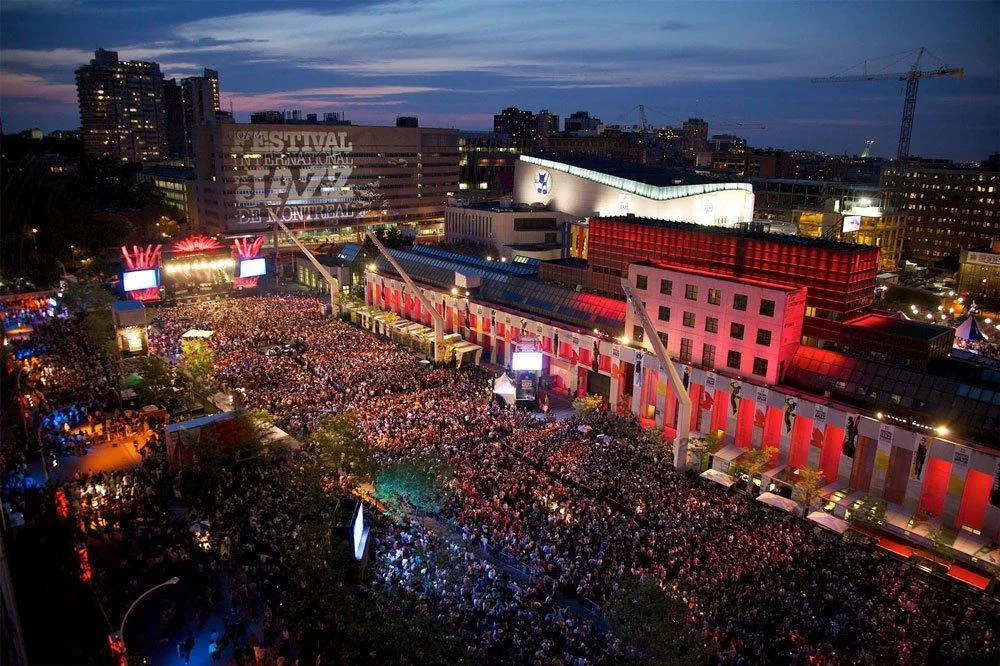
June–July

Montréal International Jazz Festival

One of the world’s largest jazz festivals brings international and Canadian musicians to Montréal for ticketed concerts and free outdoor performances.

Montréal International Jazz Festival

September

Toronto International Film Festival

TIFF is one of the international film industry’s leading annual events, presenting major premieres, independent cinema, documentaries and appearances by filmmakers and actors.

Toronto International Film Festival

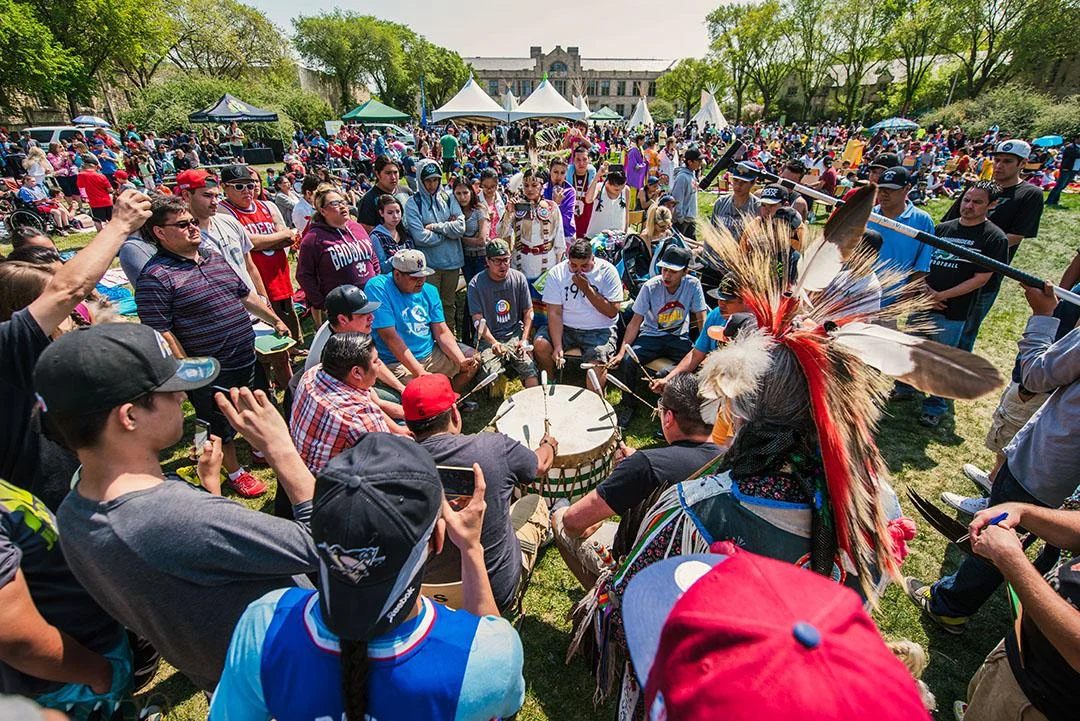
21 June

National Indigenous Peoples Day

Public events recognize the histories, cultures and contributions of First Nations, Inuit and Métis peoples through music, dancing, storytelling, art and community gatherings.

National Indigenous Peoples Day

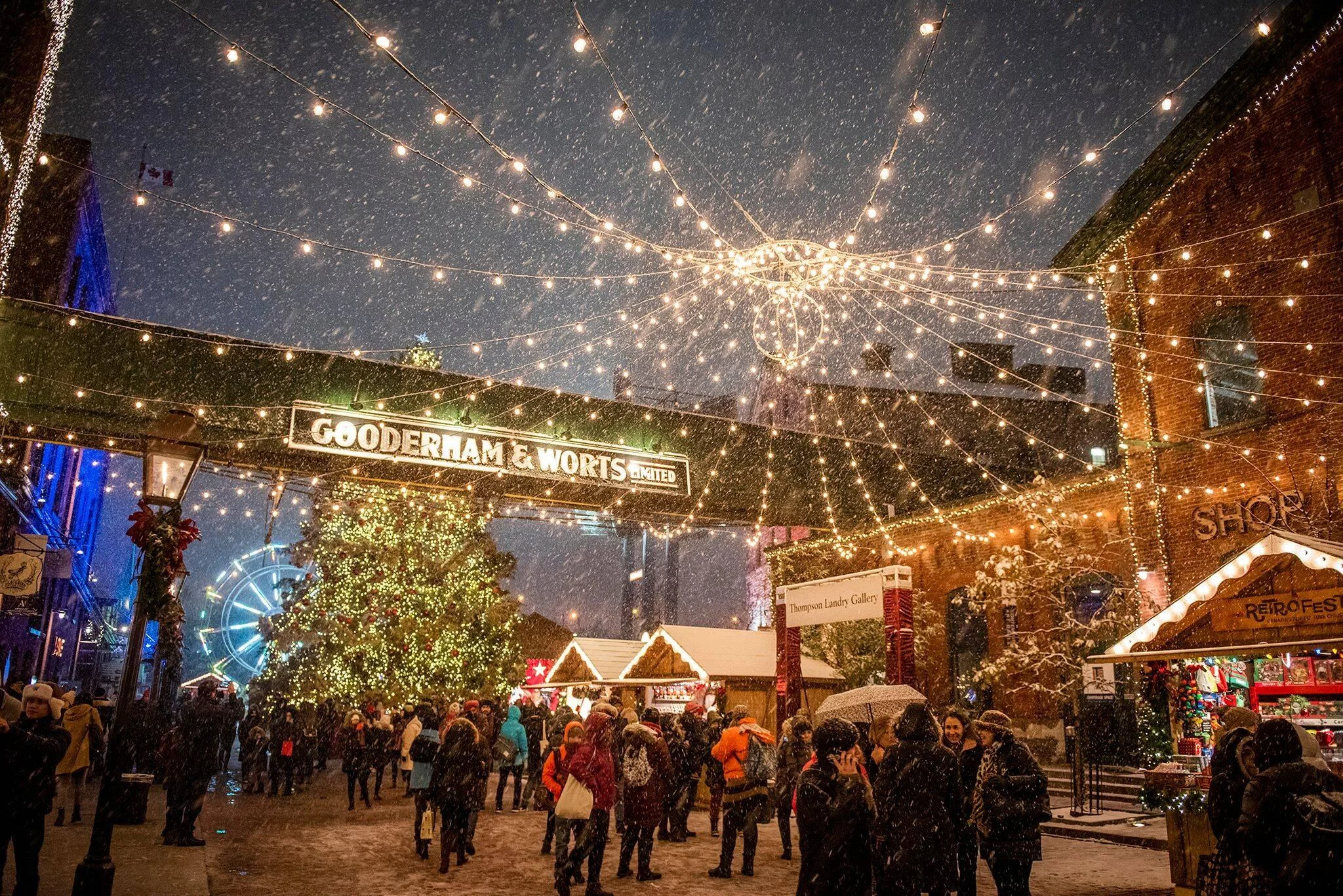
November–December

Christmas Markets and Winter Lights

Québec City, Montréal, Toronto, Vancouver and other cities organize festive markets, decorated historic districts, skating areas and seasonal light displays.

Christmas Markets and Winter Lights
Shopping
titleDecore bar

Shopping in Canada combines Indigenous artistry, outdoor innovation, multicultural creativity, regional food traditions and contemporary urban design. From technical mountain clothing and handcrafted furniture to maple products, Icewine and Indigenous artwork, Canadian products reflect the country’s landscapes, climate and cultural diversity. Labels such as “Made in Canada” are often associated with durability, practical design, quality materials and responsible craftsmanship.

Well-Known Brands

Canada is especially recognized for premium winter clothing, outdoor equipment and contemporary urban fashion.

Canada Goose
Canada Goose

Founded in Toronto in 1957, Canada Goose is internationally known for premium parkas, winter jackets and clothing designed for extreme cold.

Arc’teryx
Arc’teryx

Established in North Vancouver in 1989, Arc’teryx produces technical clothing and equipment for hiking, climbing, skiing and mountain adventures.

Lululemon
Lululemon

Founded in Vancouver in 1998, Lululemon became a global leader in yoga, fitness and lifestyle clothing.

Roots
Roots

Founded in Toronto in 1973, Roots is known for comfortable clothing, leather bags, sweatshirts and designs inspired by Canadian outdoor life.

Aritzia
Aritzia

Established in Vancouver in 1984, Aritzia offers contemporary women’s fashion through its own collection of modern clothing brands.

Mackage
Mackage

Founded in Montréal in 1999, Mackage combines luxury fashion with technical winter clothing, leather jackets and elegant outerwear.

Herschel Supply
Herschel Supply

Founded in Montréal in 1999, Mackage combines luxury fashion with technical winter clothing, leather jackets and elegant outerwear.

Herschel Supply
Herschel Supply

A Vancouver-based lifestyle brand recognized internationally for backpacks, travel bags, luggage and modern accessories.

ALDO
ALDO

Founded in Montréal in 1972, ALDO is one of Canada’s best-known footwear and accessories companies, with stores around the world

Local Goods & Retail

Canadian souvenirs reflect the country’s regional landscapes, Indigenous cultures, food traditions and outdoor identity.

Maple Syrup
Maple Syrup

Quebec and Eastern Canada

Canada is the world’s leading producer of maple syrup. Pure maple syrup, maple butter, maple candy and maple cookies are among the country’s most recognizable gifts.

Canadian Icewine
Canadian Icewine

Ontario and British Columbia

Icewine is produced from grapes that freeze naturally on the vine. Niagara and the Okanagan Valley are especially known for this intensely sweet dessert wine.

Indigenous Art and Handcrafts

Authentic First Nations, Inuit and Métis artworks may include carvings, prints, textiles, beadwork, baskets and jewelry. Purchase directly from artists, recognized cooperatives, cultural centres or reputable galleries, and request information about the artist and community.

Inuit Carvings
Inuit Carvings

Stone carvings depicting animals, people and northern life are strongly associated with Inuit artistic traditions. Authentic pieces should include clear information about the artist and origin.

Cowichan Sweaters
Cowichan Sweaters

British Columbia

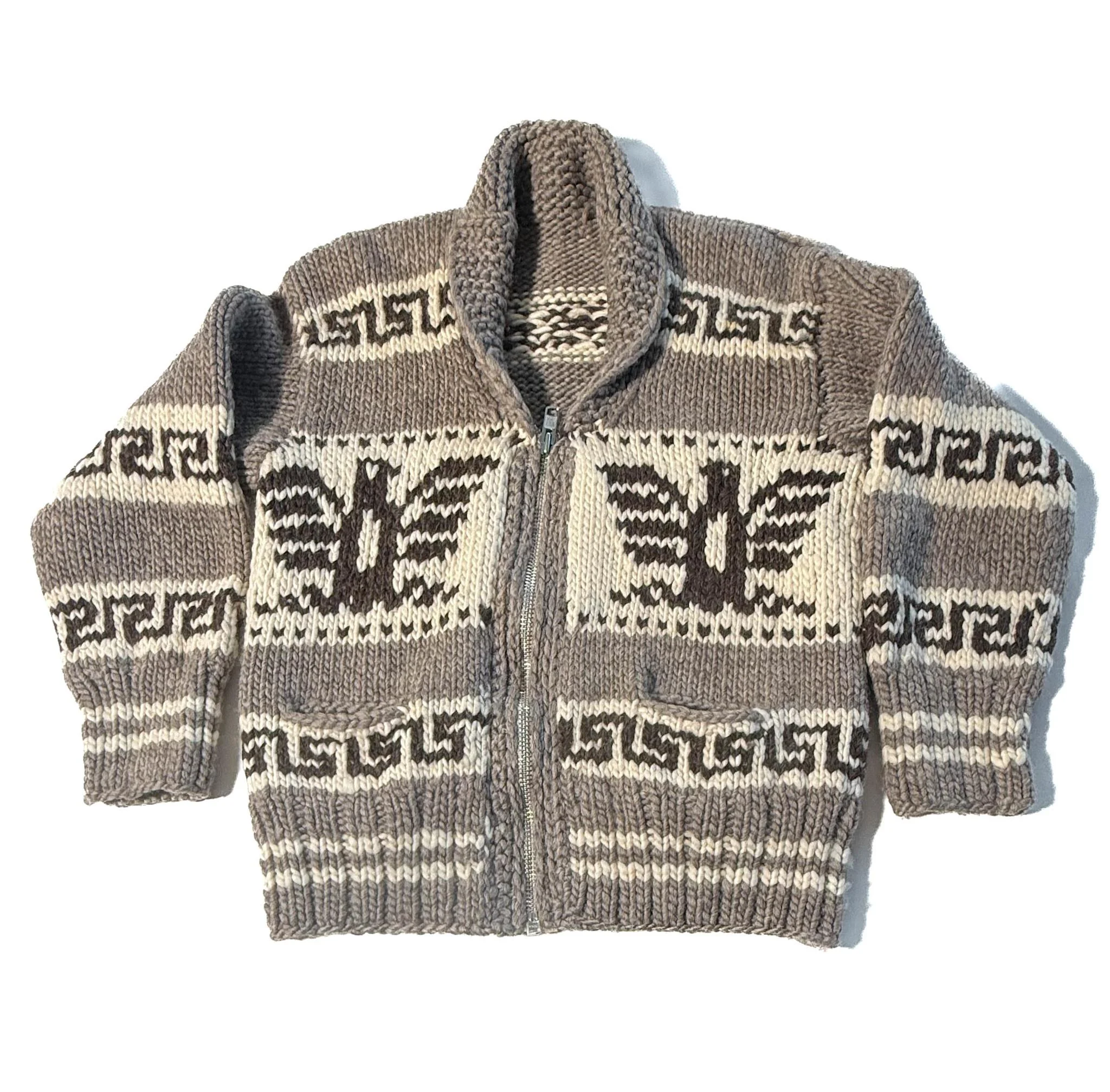
Authentic Cowichan sweaters are hand-knitted by Coast Salish artisans using distinctive geometric and animal designs. Buyers should verify that the item was created by a recognized Indigenous maker.

Pacific Smoked Salmon

British Columbia

Vacuum-packed smoked salmon is a popular West Coast gift. Travellers should check the food-import regulations of their destination country before purchasing.

Canadian Whisky
Canadian Whisky

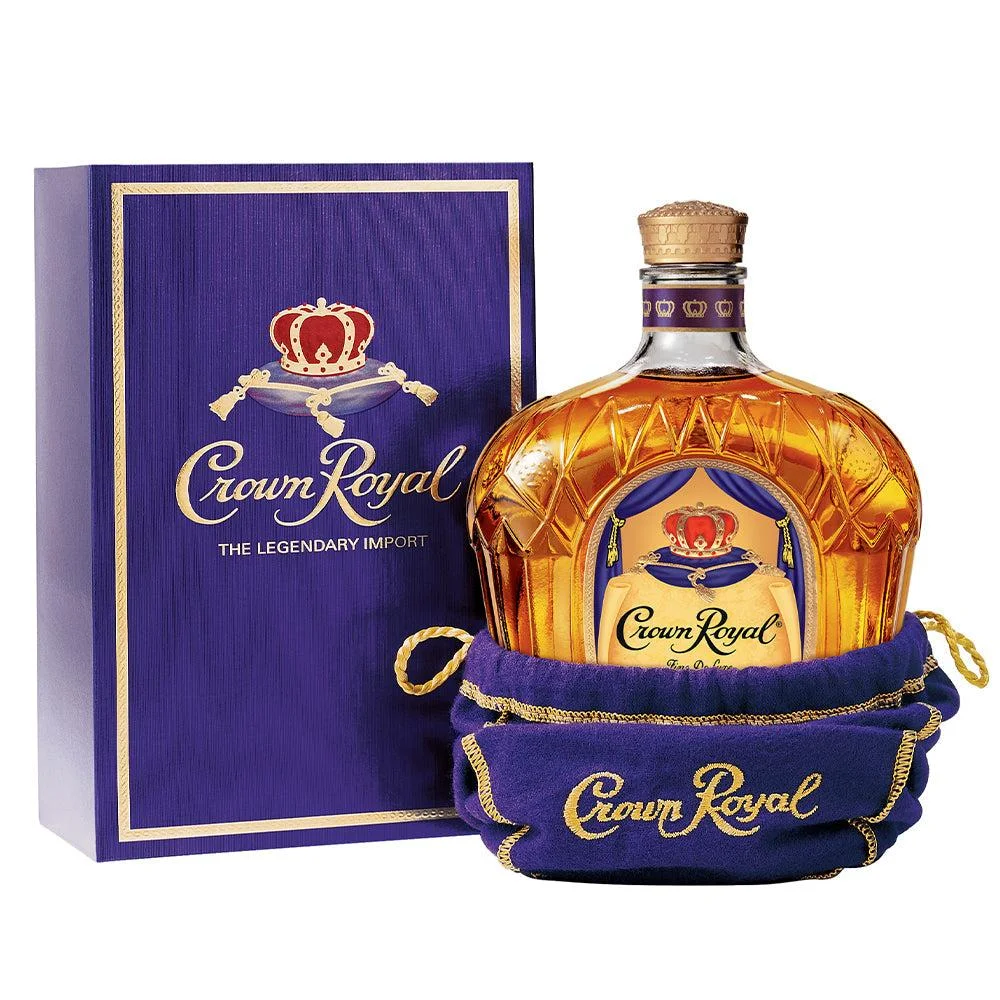
Canadian blended whiskies, often associated with rye, are known for their smooth character. Crown Royal, Canadian Club and regional craft distilleries are widely available.

Saskatoon Berry Products

Prairie Provinces

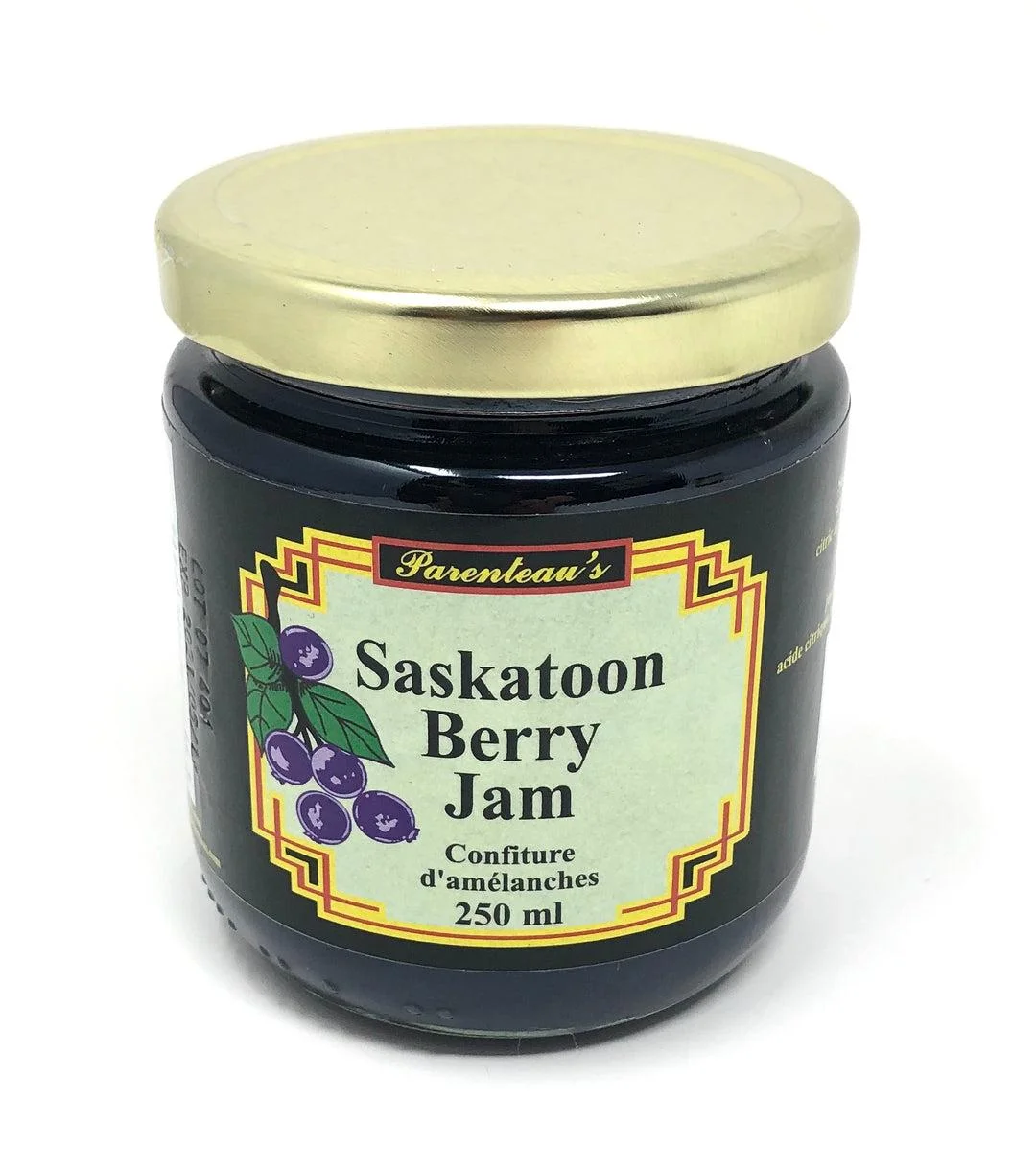
Saskatoon berry jam, syrup, chocolate and pie fillings reflect the food traditions of Alberta, Saskatchewan and Manitoba.

Hockey Merchandise
Hockey Merchandise

Official NHL jerseys, caps, pucks and team souvenirs are popular gifts, particularly in Toronto, Montréal, Vancouver, Edmonton, Calgary, Ottawa and Winnipeg.

Canadian Outdoor Products

Technical jackets, winter clothing, backpacks, hiking equipment and insulated accessories from Canadian brands make practical souvenirs connected with the country’s outdoor lifestyle.

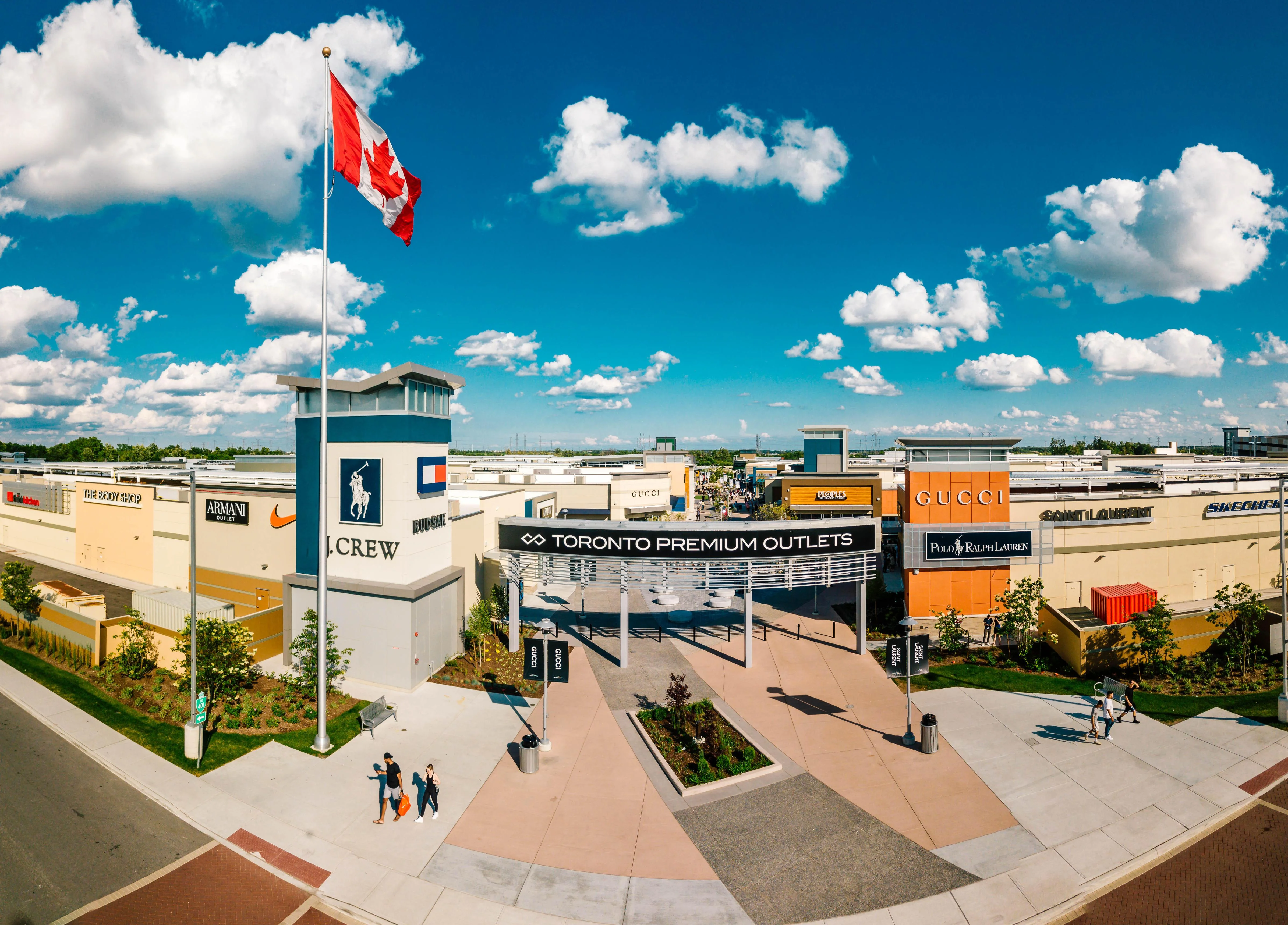
Canada has several major outlet centres offering international designer labels, Canadian brands, sportswear, footwear and accessories at reduced prices

Toronto Premium Outlets

Halton Hills, Ontario

A major outlet destination west of Toronto featuring Canadian and international brands, including fashion, luxury accessories and sportswear.

McArthurGlen Designer Outlet Vancouver Airport

Richmond, British Columbia

An open-air outlet village near Vancouver International Airport with more than 100 premium and designer brands.

Premium Outlets Montréal

Mirabel, Quebec

A village-style shopping centre north of Montréal featuring fashion, footwear, accessories and Canadian brands.

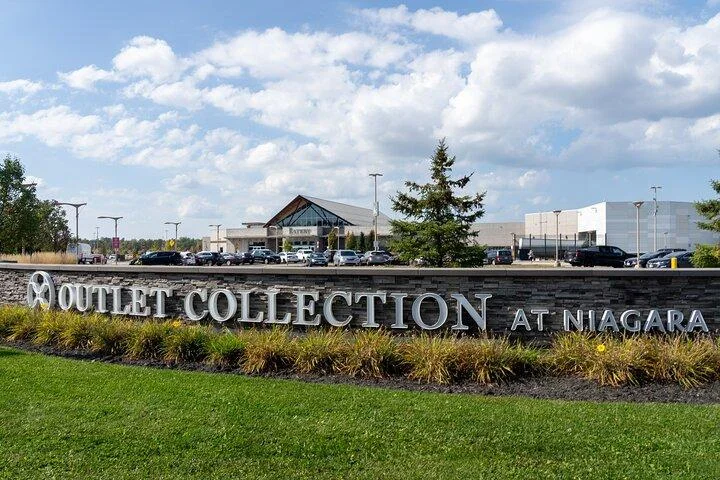
Outlet Collection at Niagara

Niagara-on-the-Lake, Ontario

A large open-air outlet centre located near Niagara Falls and the Niagara wine region.

Tanger Outlets Ottawa

Kanata, Ontario

Offers international fashion, sportswear, footwear and accessories west of central Ottawa.

CrossIron Mills
CrossIron Mills

Near Calgary, Alberta

A large shopping destination combining outlet stores, major retailers, entertainment and restaurants.

Premium Outlet Collection

Edmonton International Airport, Alberta

An outlet-style shopping centre near Edmonton’s airport featuring clothing, footwear and lifestyle brands.

For everyday shopping, groceries, snacks and affordable gifts, Canada has several widely available retail chains.

St. Lawrence Market

A historic food market known for Canadian produce, meat, cheese, baked goods and the peameal bacon sandwich.

Jean-Talon Market

One of North America’s largest open-air markets, showcasing Quebec produce, cheese, meat, pastries and maple products.

Granville Island Public Market

A waterfront market featuring fresh food, artisan products, bakeries, seafood and local crafts.

ByWard Market

A historic district filled with food stalls, restaurants, boutiques and Canadian souvenir shops.

The Forks Market

A multicultural market and gathering place offering local food, crafts, shops and regional products.

Halifax Seaport Farmers’ Market

A popular place for Atlantic seafood, baked goods, farm products, handmade gifts and local specialties.

Loblaws

A major Canadian supermarket company offering groceries, bakeries, pharmacies and President’s Choice products.

Real Canadian Superstore

Large stores selling groceries, household goods, clothing, pharmacy products and regional food items.

Sobeys

A Canadian supermarket chain with strong representation across Atlantic Canada and other provinces.

Safeway

Widely found in Western Canada, offering groceries, bakery products, household goods and pharmacies.

Metro

Metro A major supermarket chain operating mainly in Ontario and Quebec.

Costco Canada

Warehouse-style stores offering groceries, electronics, clothing and Canadian products in large quantities. Membership is generally required.
Walmart Canada

Large stores selling groceries, clothing, electronics, household products and travel essentials.

Canadian Tire

A distinctive Canadian retail chain offering automotive products, outdoor equipment, tools, household goods and seasonal items.

Simons

A Quebec-based department store known for fashion, home design, accessories and Canadian designers.

Winners, Marshalls & HomeSense

Popular discount retailers offering fashion, luggage, beauty products and home accessories at reduced prices.

Shoppers Drug Mart

A major pharmacy and beauty chain selling cosmetics, health products, snacks and everyday travel essentials.

Dollarama

A Canadian discount chain offering affordable household items, snacks, decorations and basic travel supplies.

Getting Around & Accommodation
titleDecore bar

Canada’s vast geography makes transportation an important part of the travel experience. Major cities are connected by domestic flights, intercity trains, long-distance buses, ferries, and an extensive highway network. Travellers can move from Atlantic fishing villages and historic cities to prairie landscapes, Rocky Mountain parks, Pacific coastlines, and northern wilderness regions.

When to Visit

A seasonal breakdown of Canada to help you choose the best climate and event experiences.

Winter

December to February

A memorable season for winter sports, festive cities, frozen landscapes, and northern lights.

WEATHER PROFILE

Cold to extremely cold — approximately −25°C to 8°C

SEASONAL HIGHLIGHTS

• Skiing and snowboarding in Whistler, Banff, Lake Louise, Mont-Tremblant, and the Rockies.

• Christmas markets and winter festivals.

• Frozen waterfalls, lakes, and snow-covered forests.

• Ice skating in Ottawa, Montréal, Toronto, and Québec City.

• Northern lights in Yukon, Northwest Territories, Manitoba, and northern Alberta.

• Québec Winter Carnival and seasonal celebrations.

Spring

March to May

Spring brings warmer days, blooming landscapes, flowing waterfalls, and the return of wildlife.

WEATHER PROFILE

Cool to mild — approximately 5–20°C

SEASONAL HIGHLIGHTS

• Cherry blossoms in Vancouver and Victoria.

• Tulip season in Ottawa.

• Maple syrup season in Ontario and Quebec.

• Powerful spring water flow at Niagara Falls.

• Whale migration along the Pacific coast.

• Lower accommodation rates in many destinations.

• Excellent conditions for city sightseeing during late spring.

Summer

June to August

Canada’s busiest travel season offers warm weather, long daylight hours, national parks, festivals, and scenic road trips.

WEATHER PROFILE

Mild to hot — approximately 18–32°C

SEASONAL HIGHLIGHTS

• Ideal conditions for hiking, camping, canoeing, and wildlife viewing.

• Warm days in Toronto, Montréal, Ottawa, Calgary, and Vancouver.

• Long daylight hours, especially in northern Canada.

• Festivals, outdoor concerts, and cultural events.

• Whale watching on the Atlantic and Pacific coasts.

• Road trips through the Canadian Rockies, Atlantic Canada, and Vancouver Island.

• Lake holidays, beaches, cottages, and national parks.

Autumn

September to November

Autumn is one of Canada’s most beautiful seasons, with colourful forests, harvest celebrations, crisp weather, and calmer attractions

WEATHER PROFILE

Cool to pleasant — approximately 5–22°C

SEASONAL HIGHLIGHTS

• Spectacular autumn foliage in Ontario, Quebec, and Atlantic Canada.

• Wine harvests in Niagara, Prince Edward County, the Okanagan Valley, and Nova Scotia.

• Pleasant temperatures for hiking and road trips.

• Wildlife viewing and seasonal food experiences.

• Lower accommodation prices after the summer period.

• The Agawa Canyon train journey through northern Ontario.

• Excellent photography conditions.

Canada’s passenger railway network provides comfortable travel between many cities, especially within Ontario and Quebec. Long-distance trains also offer scenic journeys across the Prairies, Rocky Mountains, Atlantic Canada, and northern regions.

Best for:

Comfortable city-centre travel and scenic cross-country journeys.